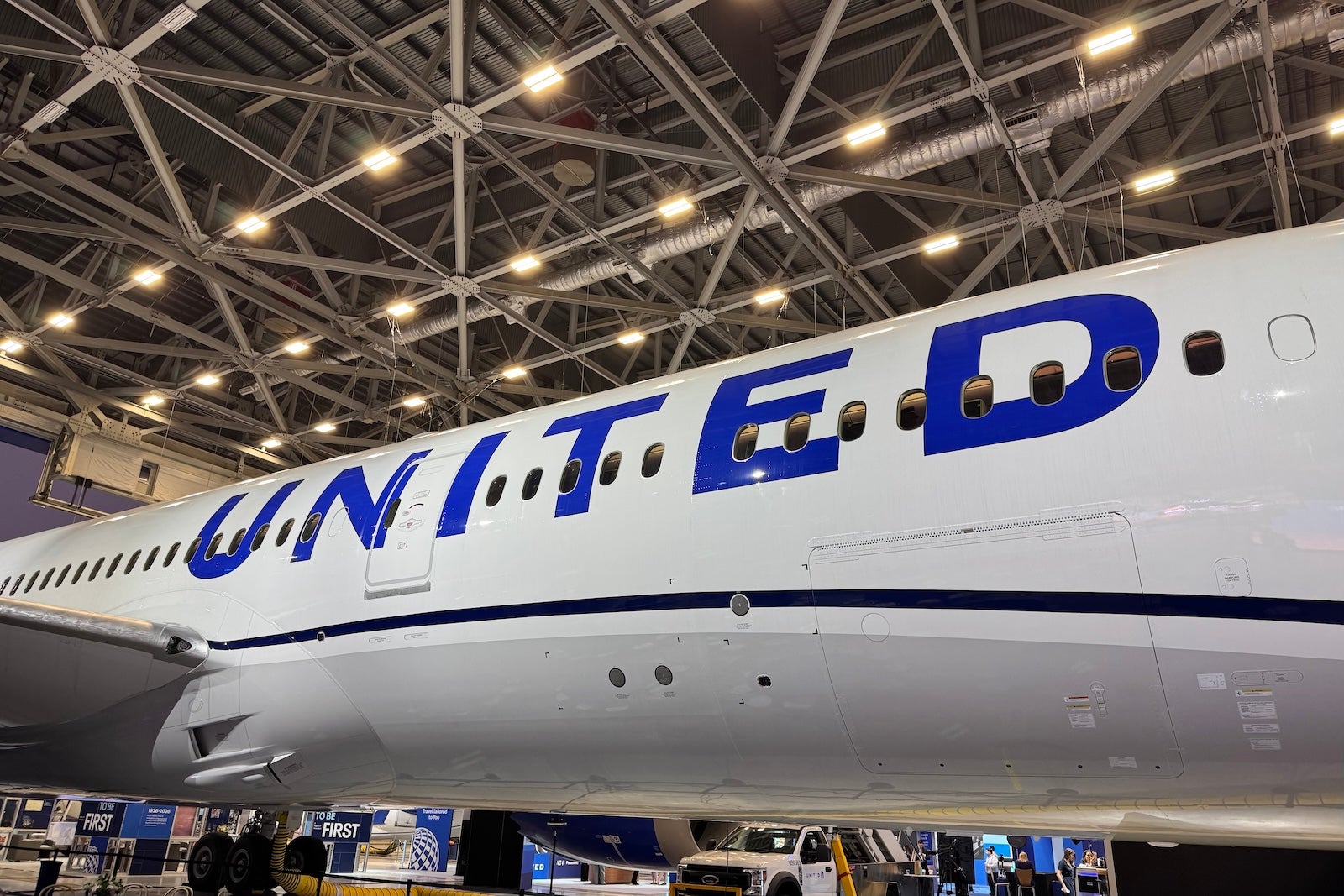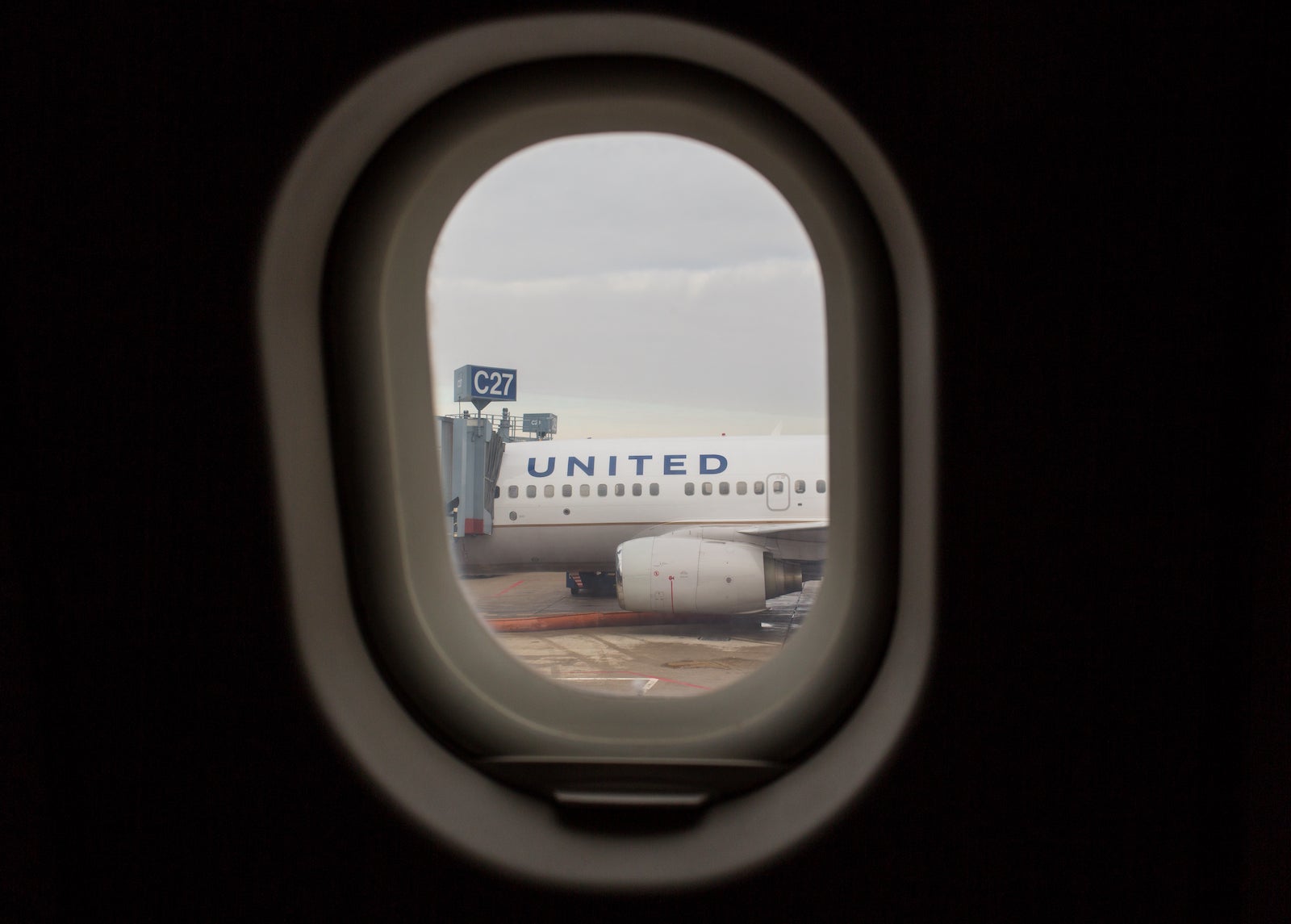

The airline is no longer requesting that passengers raise their window shades for taxi, takeoff and landing, a change that was originally made in March 2020. United was the only major U.S. carrier to make this request of passengers, one that is commonplace at foreign airlines.
In a statement, the Chicago-based carrier said it changed its policy for three reasons.
"This change is in response to our flight attendants’ requests for clarity, an effort to align our policy more closely with other carriers, and to prioritize safety," the airline said in a statement.
While it may seem like a small, trivial change, United's flight attendant union and experts view it as a safety issue, because it's important to be able to see outside in the event of an accident and to keep eyes acclimated to brighter light outside.
"When every second counts, open window shades allow Flight Attendants and passengers to immediately see outside, assess conditions, and identify hazards," the Association of Flight Attendants-CWA United Master Executive Council said in a message to its members this week that was first reported by Paddle Your Own Kanoo. "Another point to consider is eyesight adjustment to lighting conditions. For taxi, takeoff, and landing, cabin lighting is to be set to match outside conditions to ensure everyone’s eyesight is adjusted to the exterior conditions."
Even though United no longer makes the request, and it's not a federal regulation, passengers should keep their window shades open and be aware of what's happening outside during critical phases of flight, said Anthony Brickhouse, an associate professor at Embry-Riddle Aeronautical University in Daytona Beach, Florida.
More: The best airline safety videos of all time
"I think it's more of an awareness thing," Brickhouse told TPG in an interview. "If you look at the statistics, traditionally, we, we do have accidents that happen during critical phases of flight — takeoffs and landings — and as someone who teaches survivability, being aware of what's happening, during takeoff and landing I think is really important."
Brickhouse suggested some other steps that airline passengers can take to enhance their safety:
- Wear sturdy footwear (no flip-flops or sandals) and keep shoes on during taxi, takeoff and landing in case you need to evacuate the aircraft
- Avoid wearing synthetic fibers, which are highly flammable
- Pay attention to the safety briefing
- Count the number of rows to the nearest exit
"A major problem is people don't really think about their safety when they fly," Brickhouse said.