United is pulling out of 2 more US cities, ending service on long-time California route

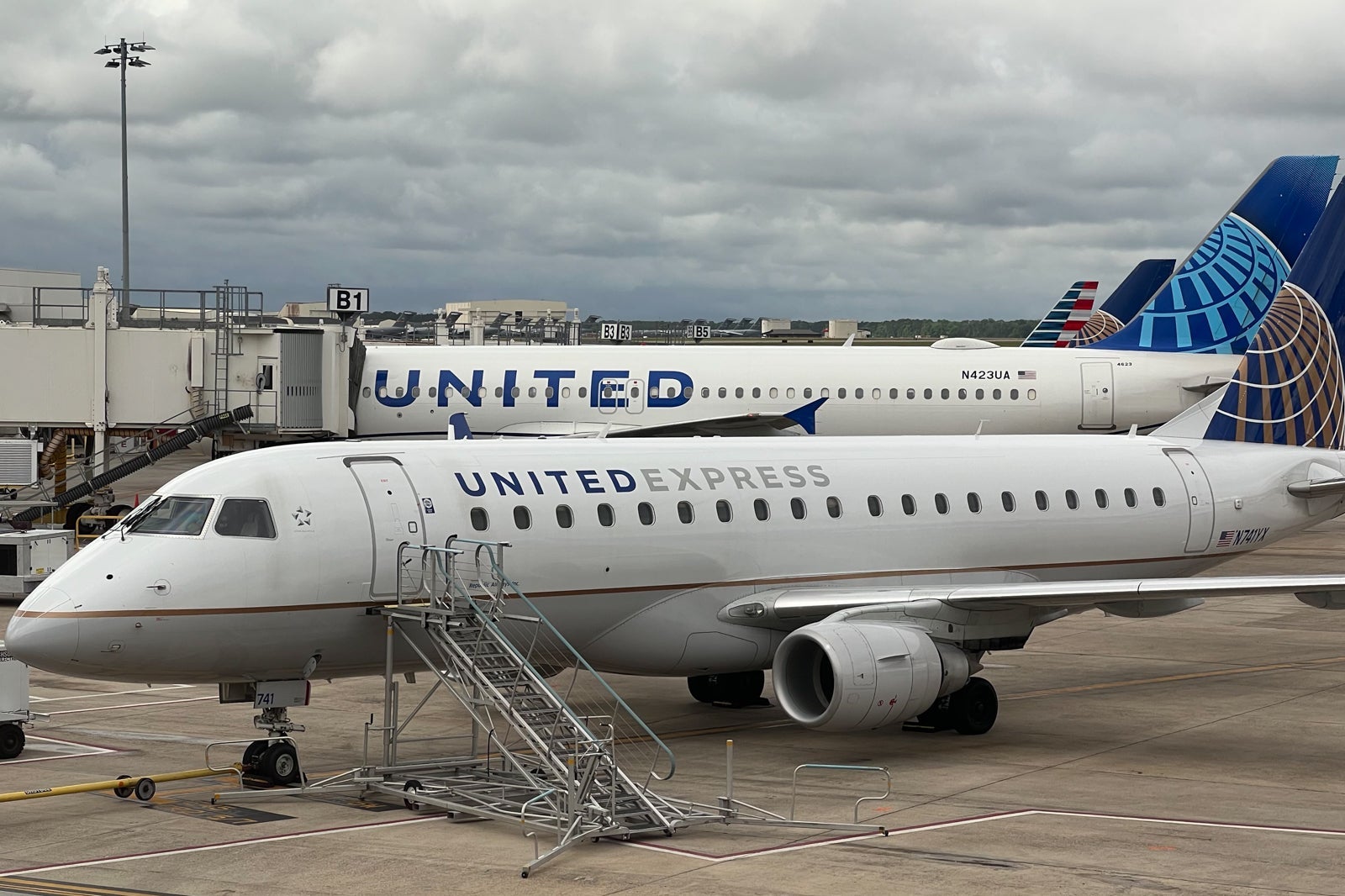
The news isn't getting any better for small U.S. cities, which continue to bear the brunt of airline network changes.
The latest move comes from United Airlines, which filed plans over the weekend to discontinue serving Flagstaff, Arizona (FLG), and Texarkana, Arkansas (TXK) this fall, as first seen in Cirium schedules and later confirmed by the carrier.
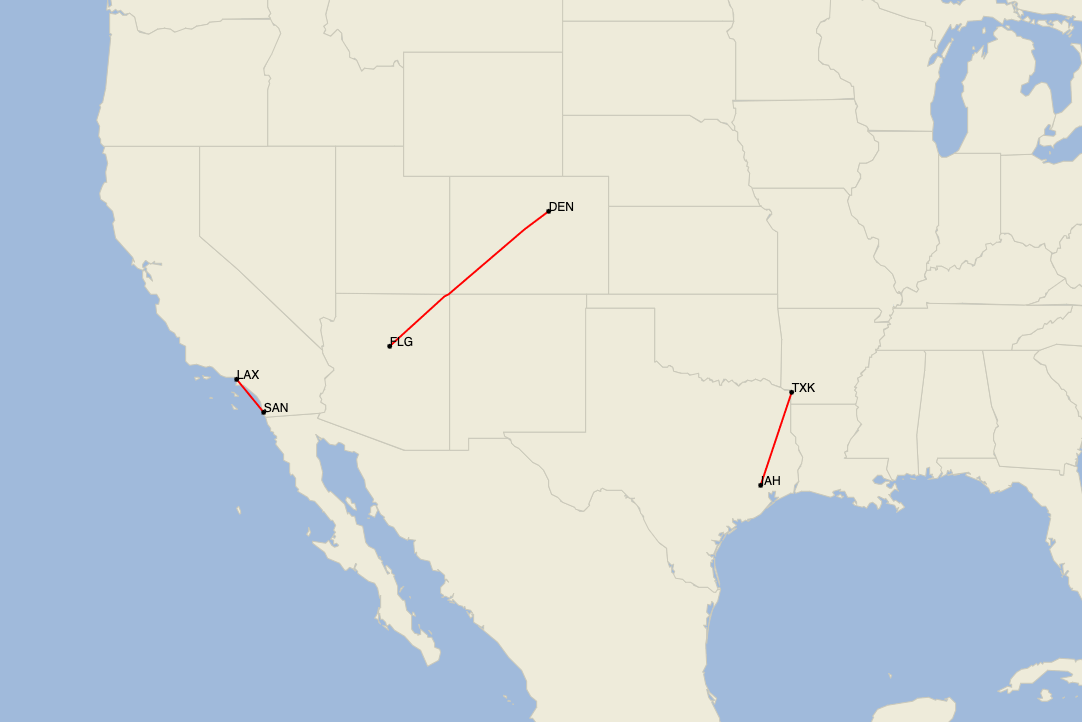
United will cease flying between Houston (IAH) and Texarkana on Sept. 6, followed a few weeks later when flights between Denver (DEN) and Flagstaff (FLG) end on Oct. 30. When the carrier cuts these routes, it'll mark the end of United service to both cities.
Additionally, United will stop flying between Los Angeles (LAX) and San Diego (SAN) as of Oct. 30. Unlike Flagstaff and Texarkana, San Diego will continue to be served from several United hubs, including Denver, Newark (EWR), Washington/Dulles (IAD), Houston, Chicago (ORD) and San Francisco (SFO).
A United spokesperson didn't have many details to share about the cuts, but confirmed the move with the following statement:
We've made the difficult decision to suspend service to two cities this fall — Flagstaff and Texarkana — and have already started working with customers on alternate plans.
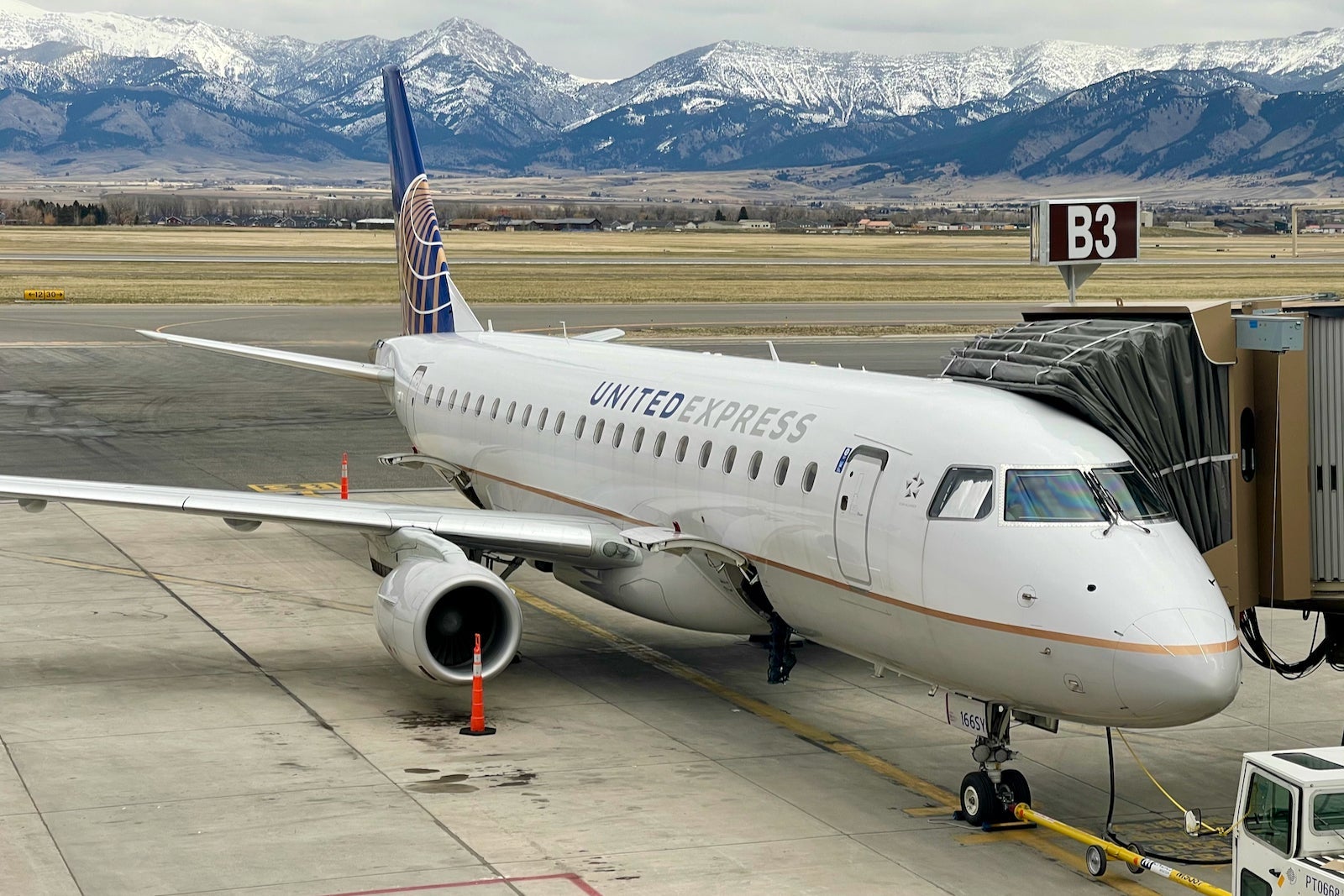
Perhaps the most interesting cut is Texarkana, which was essentially an experiment for United. The airline's regional affiliate CommutAir began serving the city on Feb. 13, 2022, with once-daily flights to Houston aboard the 50-seat Embraer 145.
The local airport authority received $884,722 in grants from the U.S. Department of Transportation's Small Community Air Service Development Program to fund this new service.
United entered into a one-year contract to see if the flights will work, with the grant guaranteeing revenues to keep serving the airport during the first year, even if passenger counts are low.
Well, the airline likely didn't see enough demand to keep flying the route, which will leave the city served by American Airlines with its (up to) four daily flights to Dallas/Fort Worth (DFW).

Meanwhile, when United's service to Flagstaff Pulliam Airport ends, the airline's travelers will no longer have convenient access to the Grand Canyon National Park. This regional airport, which will continue to be served by American from DFW and Phoenix (PHX), is the closest one to the major tourist attraction (that's served by legacy carriers).
As for San Diego, United has flown the route from L.A. consistently for at least the past 40 years. The airline used the short, 109-mile flight to feed connections to and from San Diego through its hub at Los Angeles International Airport to cities across the country, as well as to international long-haul service.
United travelers based in San Diego will now need to either connect in San Francisco or Houston for transpacific flights or fly to hubs further east to get to cities in Europe. Alternatively, they could drive to Los Angeles, which takes about two hours, but is subject to highway traffic.
While demand for flights to and from these small cities may indeed be weak, the move comes as the nationwide pilot shortage continues to have an outsized effect on regional networks for the major U.S. carriers.
Just last month, American filed plans to drop four U.S. cities and cut three routes in a big network adjustment, after announcing plans to park about 100 regional aircraft due to the pilot shortage. Delta Air Lines also dropped three small cities earlier this year due to the "ongoing travel demand impact from the pandemic."
And this isn't United's first time cutting small cities, either. Late last year, the carrier announced that it would end service to 10 smaller cities, declaring operations in those markets unsustainable with 50-seat regional jets.
Regional giant SkyWest Airlines even filed plans to drop 29 cities because of the pilot storage. These cuts represent most of SkyWest's Essential Air Service (EAS) flying.
EAS is the federal government's program that subsidizes air service to small communities where service might not otherwise be viable. Contracts are bid on by different carriers and awarded by the DOT, which administers the EAS program.
TPG featured card

at Capital One's secure site
Terms & restrictions apply. See rates & fees.
| 5X miles | Earn 5X miles on hotels, vacation rentals and rental cars booked through Capital One Travel |
| 2X miles | Earn unlimited 2X miles on every purchase, every day |
Pros
- Stellar welcome offer of 75,000 miles after spending $4,000 on purchases in the first three months from account opening. Plus, a $250 Capital One Travel credit to use in your first cardholder year upon account opening.
- You'll earn 2 miles per dollar on every purchase, which means you won't have to worry about memorizing bonus categories
- Rewards are versatile and can be redeemed for a statement credit or transferred to Capital One’s transfer partners
Cons
- Highest bonus-earning categories only on travel booked via Capital One Travel
- LIMITED-TIME OFFER: Enjoy $250 to use on Capital One Travel in your first cardholder year, plus earn 75,000 bonus miles once you spend $4,000 on purchases within the first 3 months from account opening - that’s equal to $1,000 in travel
- Earn unlimited 2X miles on every purchase, every day
- Earn 5X miles on hotels, vacation rentals and rental cars booked through Capital One Travel
- Miles won't expire for the life of the account and there's no limit to how many you can earn
- Receive up to a $120 credit for Global Entry or TSA PreCheck®
- Use your miles to get reimbursed for any travel purchase—or redeem by booking a trip through Capital One Travel
- Enjoy a $50 experience credit and other premium benefits with every hotel and vacation rental booked from the Lifestyle Collection
- Transfer your miles to your choice of 15+ travel loyalty programs
- Top rated mobile app