Traveling to Europe this summer? Here’s what to expect

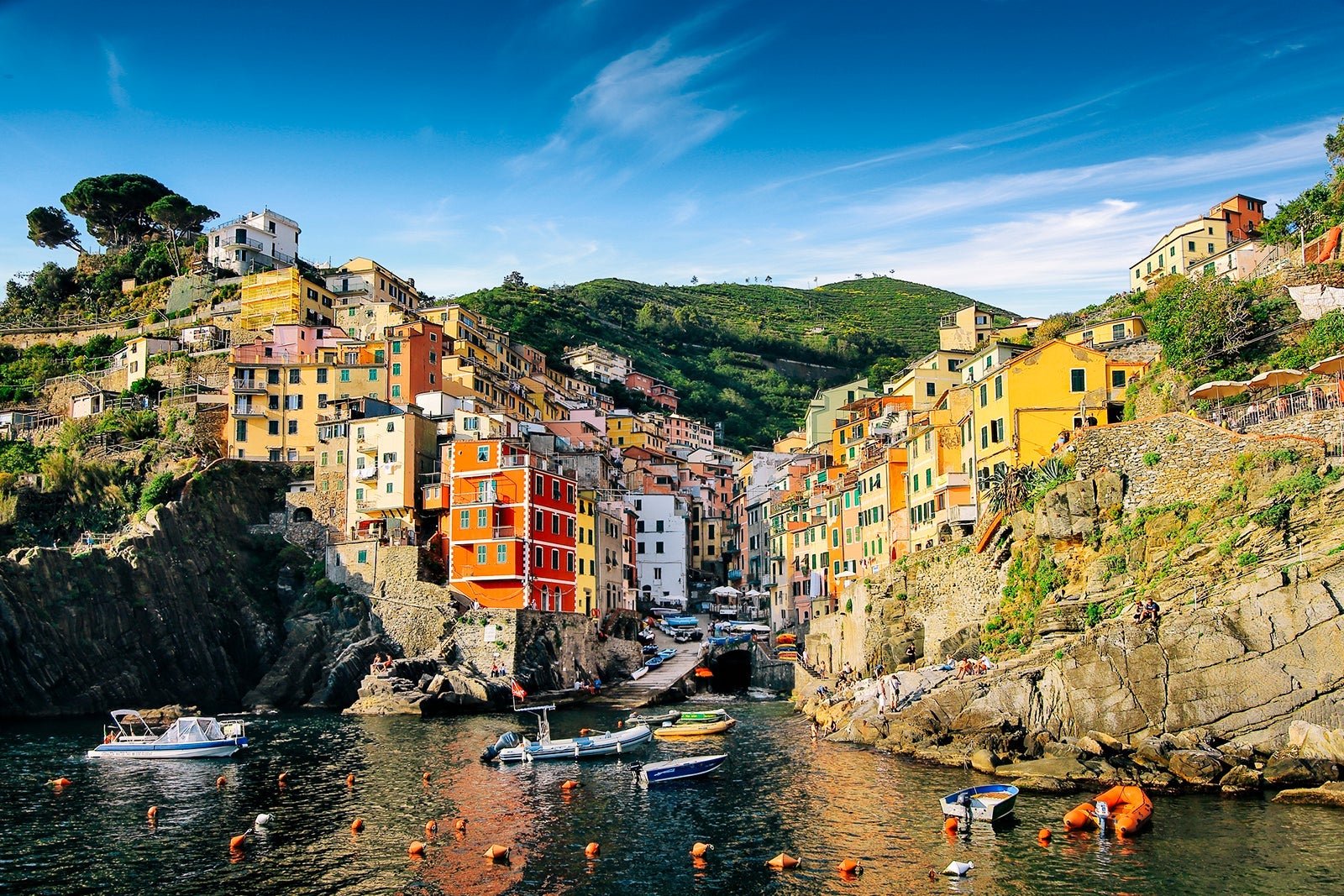
The summer of 2024 is in full swing and visitors are flocking to Europe from around the globe.
In terms of events, it's been kind of a big year for Europe. This year, the continent has hosted several world events, including the UEFA European Football Championship, the Paris Olympics, the Tour de France and a huge music tour by Taylor Swift. We've also seen an upswing in travelers to various destinations, from classic popular spots such as Portugal and Italy to less-known destinations like Albania.
Factor in all of this with the frenzy of large crowds, high temperatures, increased inflation and recent reports of backlash to tourism, and there are more than a few things you should be aware of if you're planning a European vacation.
If you're heading to Europe this summer, here are some tips on what you can do to prepare.
Southern Europe is scorching
While we've seen plenty of hot weather across Europe, the mercury is peaking in Southern Europe.
While the height of Europe's summer heat wave has passed, plenty of destinations, including the United Kingdom, Italy and France, are still seeing temperatures of 86 degrees Fahrenheit and above.
In mid-July, temperatures in Spain rose to 111 degrees. Italy put more than 15 cities under high-heat warnings. And in Greece and Croatia, extreme heat has also caused forest fires.

The extreme temperatures seem to have mostly spared Northern Europe, but this year, the region experienced more erratic weather and rain patterns, according to the U.K.'s Meteorological Office. In fact, a huge storm caused the washed-out weather that dampened the Paris Olympics opening ceremony. That said, weather can change quickly, and there are signs that the rainfall may soon give way to a heat wave.
If you're planning a trip, do your research ahead of time. Have a trip planned to the Mediterranean? Have plenty of sunscreen, a refillable water bottle, a portable fan and loose, breathable clothing on hand. Additionally, plan to do outdoor activities during the cooler parts of the day. If you're headed to Northern Europe, invest in a nice umbrella.

No matter where you go, it's a good idea to check to see if your accommodations have air conditioning — not every place in Europe has it.
COVID-19 is still here, but don't expect too many masks
While COVID-19 has not disappeared, most people in Europe no longer wear masks. However, the virus still circulates and has surged at some destinations this summer.
According to data collected by the World Health Organization, several regions have seen noticeable increases in COVID-19 cases since May.
Compared to 2023 data, COVID-19 cases in Europe have decreased. As of July 24, the U.K. had 17,500 reported cases, almost double the figure recorded in May. Incidents in Greece, meanwhile, more than quadrupled from May (3,200 reported cases), with around 15,100 cases reported in July. Portugal reported 10,100 cases, a huge increase from 472 cases in mid-May.
The rise in COVID-19 has most likely been spurred by a number of factors, including increased summer tourism and several large global events such as the UEFA European Football Championships, the Tour de France and the ongoing Paris Olympics.
Despite the increase in COVID-19 cases, most people don't wear masks — but that doesn't mean you need to follow the crowd if you're uncomfortable doing so. Travelers should ensure they're vaccinated and take any precautions they see fit, especially in crowded or enclosed spaces.
It's much busier
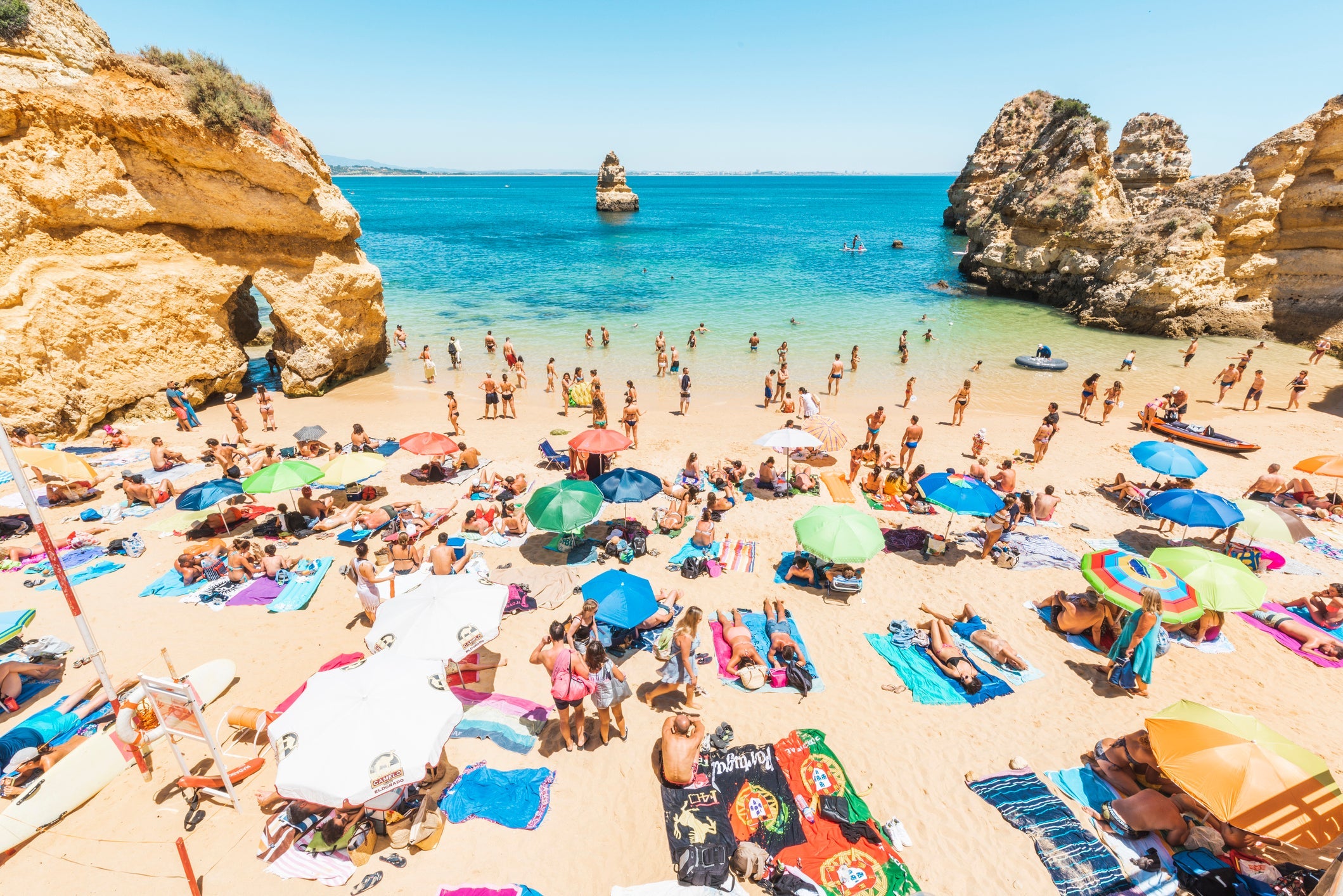
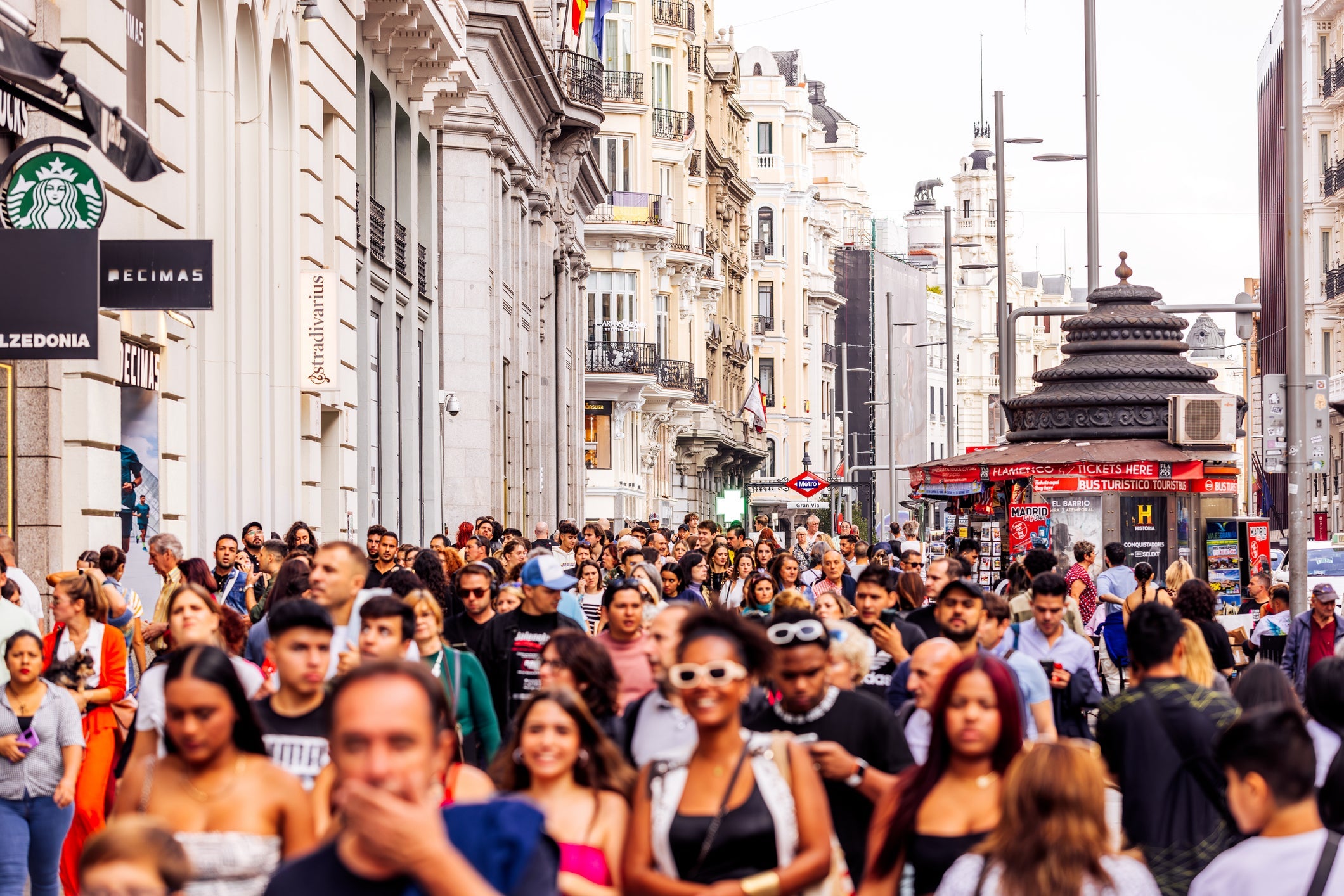
Travel to Europe is booming this summer. According to the European Travel Commission, foreign arrivals and overnight stays for the first half of 2024 are above 2019 levels.
The surge in tourism to Europe is primarily driven by increased travel to Southern Europe and Mediterranean destinations. The second quarter of the year has seen noticeable tourism increases in Serbia (up 40%), Malta (up 37%), Portugal (up 26%), and previously lesser-known destinations such as Albania (up 86%) and Montenegro (up 31%).

Despite the increase in overall tourism, the number of flights operating to Europe is still slightly below that seen in 2019. This meansit's good to be organized and book European flights as far in advance as possible,
Related: Where to go in 2024: The 16 best places to travel
Both airports and tourist spots are bustling, and travelers should be prepared for longer lines and increased wait times at security checkpoints and other travel-related services. Arrive early at airports and allow extra time for navigating crowded areas if you can.
Your dollar won't stretch as far as it did a few years ago
During the height of the pandemic, the euro fell below parity with the dollar, causing economic panic. However, because the euro was at a historic low, it was not a bad time to travel to Europe if you wanted to get the most bang for your buck.
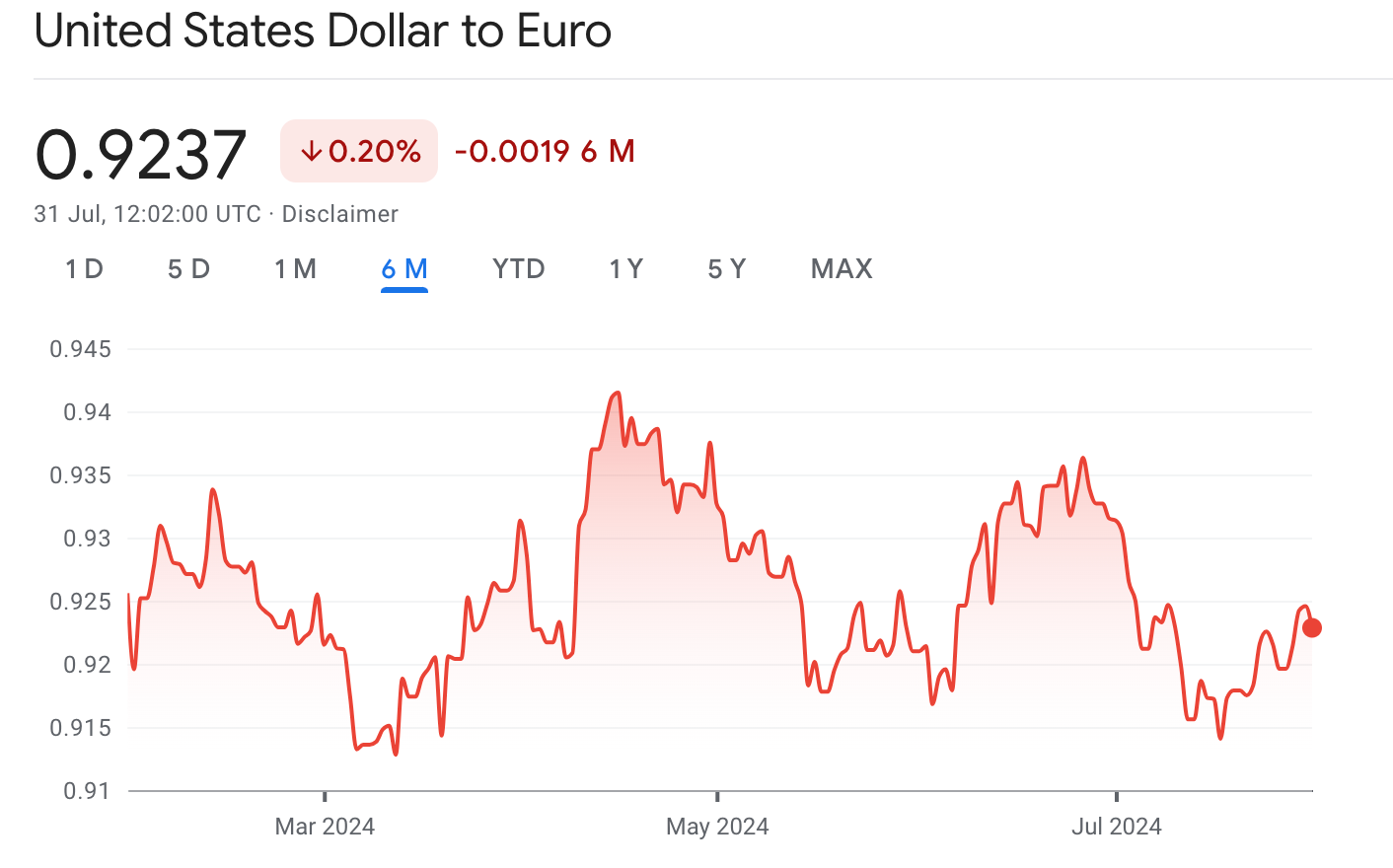
Currently, the euro is on the road to recovery and its value is fluctuating — you won't get the same deals that you could have a few years ago. At the time of writing, $1 is worth around 92 euro cents. For perspective, last September showed a five-year high, with $1 peaking at 1.04 euros.
In the U.K., you'll find a similar conversion rate, with $1 worth around 78 pence, down from 83 pence last September.
There are still European destinations you can visit and get great prices. For example, in the Czech Republic, $1 will net you 23.48 korunas; in Turkey, $1 is worth 33.15 liras.
Related: Places where your dollars will go further right now
However, if you're heading to a destination where euros are the currency, expect to shell out more. Couple this with high interest rates across the continent, and you'll also find entry fees to attractions and food prices have also increased.
Due to increased tourism, occupation rates in European hotels are also much higher, particularly at luxury properties.
Ensure you've budgeted accordingly if you're traveling to Europe soon, and expect to pay a little more than you did a few years ago.
Some destinations are protesting overtourism
With its historical sites and beautiful landscapes, Europe has always been a bucket list destination. However, in recent years, overtourism has been an issue in certain areas.
It's not unusual to be charged a tourism tax when visiting many of Europe's iconic cities. For example, this April, Venice, Italy, began charging visitors who entered the city at certain times of day to help combat crowds and fund the maintenance of canals.
Related: Which major destinations charge a tourist tax (or are planning to soon)?
Other destinations, such as Amsterdam, have funded ad campaigns to discourage the "wrong" type of visitors from coming to the city. Elsewhere, there have been increased crackdowns on vacation rental property licences as Airbnb usage soars at popular destinations, affecting local hotel revenue and affordable housing availability,

Antitourism protests have cropped up across Europe in locations including the Netherlands, Greece and perhaps most notably Spain — where protestors were seen spraying tourists with water pistols in Barcelona in July.
While we've not personally witnessed a backlash during our travels, it's worth noting that tensions do exist, especially in heavily visited areas. It's important to be conscious and aware while traveling. Be respectful, considerate and engage with local culture positively. Remember that while you may be on vacation, local people are not. As always, the best rule of thumb is to be nice, polite and respectful, no matter where you are.
Bottom line
This summer has been a vibrant and bustling season for travel to and within Europe. While travel is much easier than we've seen in recent years, travelers should be prepared for higher prices, larger crowds and high temperatures.
Patience and planning are essential to navigating your European trip smoothly. By staying informed and prepared, you can enjoy a memorable and hassle-free summer vacation in Europe.
TPG featured card

at Capital One's secure site
Terms & restrictions apply. See rates & fees.
| 5X miles | Earn 5X miles on hotels, vacation rentals and rental cars booked through Capital One Travel |
| 2X miles | Earn unlimited 2X miles on every purchase, every day |
Pros
- Stellar welcome offer of 75,000 miles after spending $4,000 on purchases in the first three months from account opening. Plus, a $250 Capital One Travel credit to use in your first cardholder year upon account opening.
- You'll earn 2 miles per dollar on every purchase, which means you won't have to worry about memorizing bonus categories
- Rewards are versatile and can be redeemed for a statement credit or transferred to Capital One’s transfer partners
Cons
- Highest bonus-earning categories only on travel booked via Capital One Travel
- LIMITED-TIME OFFER: Enjoy $250 to use on Capital One Travel in your first cardholder year, plus earn 75,000 bonus miles once you spend $4,000 on purchases within the first 3 months from account opening - that’s equal to $1,000 in travel
- Earn unlimited 2X miles on every purchase, every day
- Earn 5X miles on hotels, vacation rentals and rental cars booked through Capital One Travel
- Miles won't expire for the life of the account and there's no limit to how many you can earn
- Receive up to a $120 credit for Global Entry or TSA PreCheck®
- Use your miles to get reimbursed for any travel purchase—or redeem by booking a trip through Capital One Travel
- Enjoy a $50 experience credit and other premium benefits with every hotel and vacation rental booked from the Lifestyle Collection
- Transfer your miles to your choice of 15+ travel loyalty programs
- Top rated mobile app