Whereas each airline has its own set of rules, typically, checked baggage on most US carriers shouldn’t weigh more than 50 pounds. However, this varies by airline, route, elite status and travel class, so make sure to check the rules of your carrier before flying.
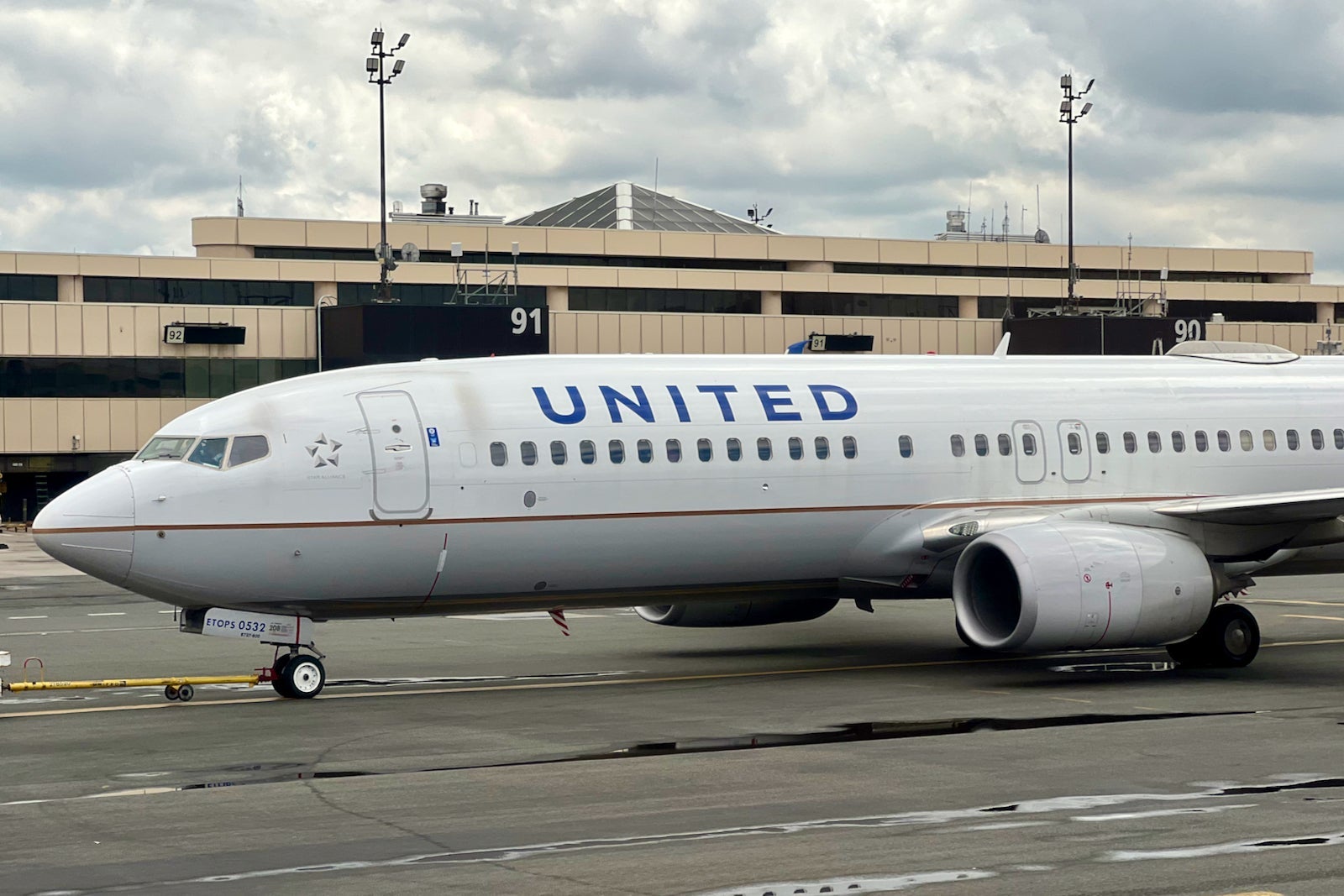
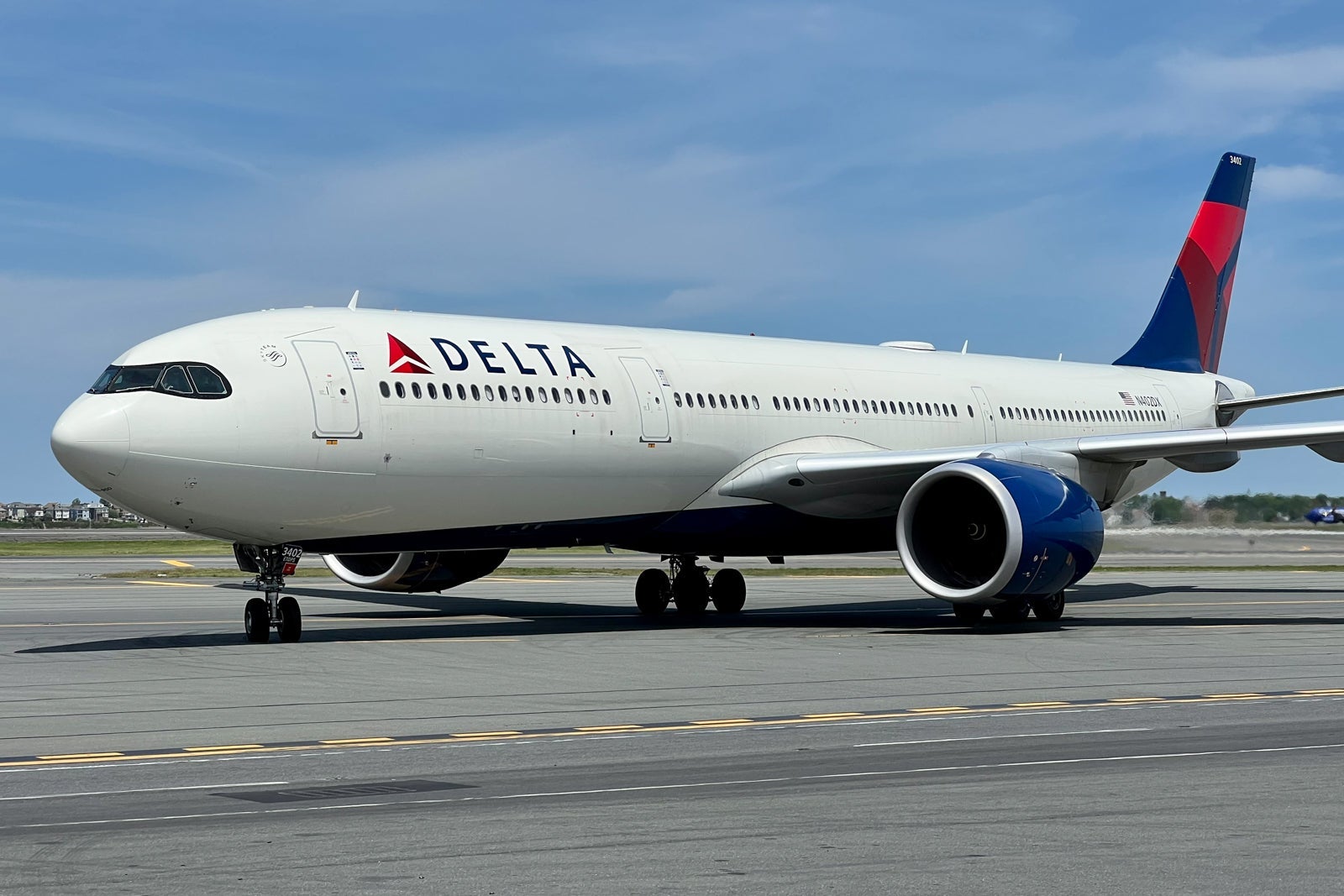
American, Delta and United start charging $100 once your bag weighs in at more than 50 pounds. If your bag is extremely overweight, you may have to pay even more. Since you may already be paying to check a bag on domestic routes (though you can often avoid these fees if you have certain credit cards or elite status), these additional charges can add up to be more than the price of the actual ticket if you're not careful.
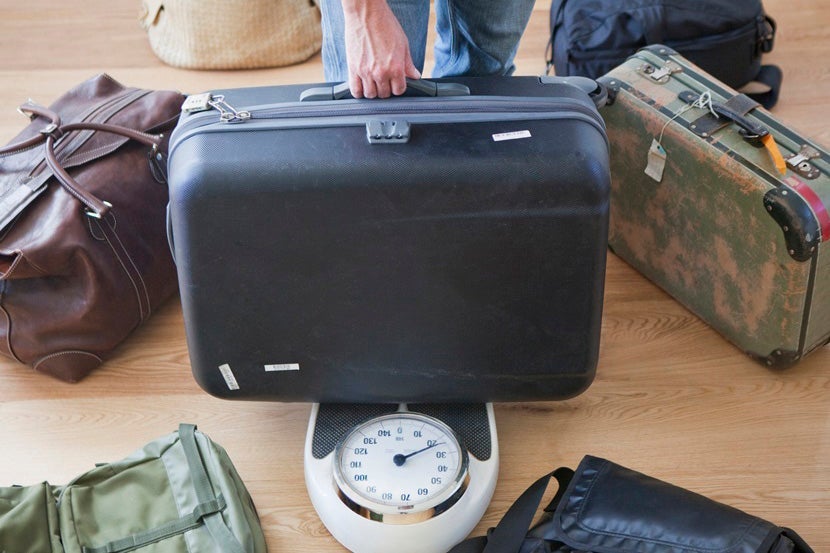
Many European, Asian and Middle Eastern carriers like Alitalia, Singapore, Emirates and more charge extra for overweight carry-on baggage, so you may as well weigh all your bags to make sure. It's best to be sure to check with your carrier to see what the baggage restrictions are so you can avoid any additional fees when you get to the airport.
The easiest way to weigh your suitcases at home or on the road is with a handheld luggage scale. Here at TPG, we like the Camry Luggage Scale and the Portable Digital Luggage Scale From Travel Gadgeteer, both available on Amazon.