The U.S. government is going to change emotional support animal rules and I'm glad
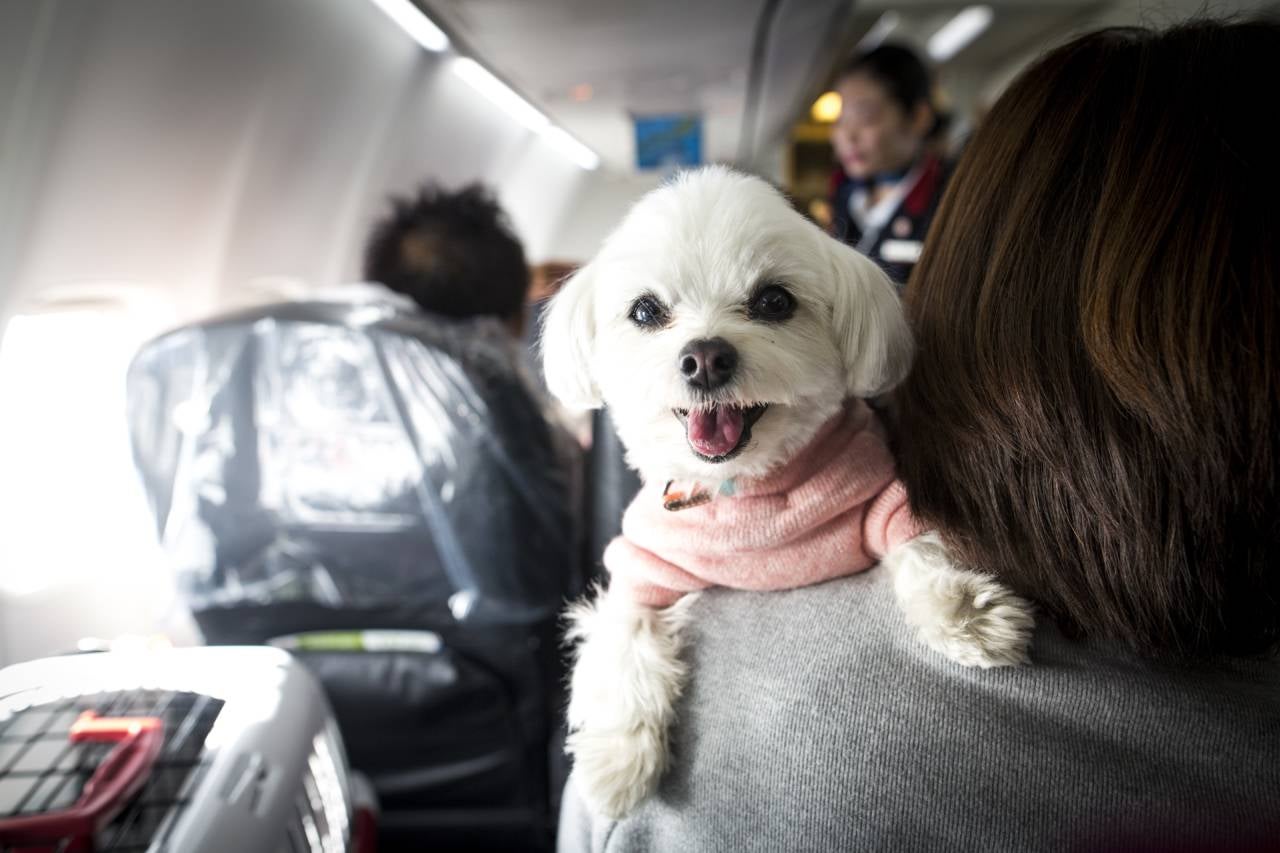
Everyone is sick and tired of seeing pets masquerading as emotional support animals on a plane. Who can forget the dog that stole a seat in first class or the woman who tried to bring her emotional support squirrel on a plane? This is a horse that has been, quite frankly, beaten.
These are the barriers to entry that owners of service dogs and legitimate emotional support animals are facing due to the influx of pets on parade. So when I heard that new rules for emotional support animals were announced in August, I was beyond excited. And more new rules are expected soon, which, in my opinion, are long overdue.
I'm talking about this from a very personal perspective. As a veteran with a service dog trained for me by This Able Veteran, I am so utterly exhausted with fake service and support animals. I travel a lot. And every time I go somewhere, I am under constant scrutiny — like the star of my very own soap opera — as person after person accuses me of faking, of not looking disabled enough or of attempting to smuggle my pet on a plane. From airport staff demanding I force my dog onto a scale, to flight attendants trying to make me to kennel my dog and stick her under the seat (she's 40 lbs, that ain't happening), the explosion of fraudulent service and support animals means that I — an owner of a real service dog suffering with a real disability — am the one paying the price.
Did you know that service animals aren't actually required to wear vests? In fact, you don't need to bring proof at all, other than your verbal, creditable word that the animal has been specifically trained to assist you with a disability. The animal and its behavior will support you, at least in theory. But because of the nebulous rules surrounding support animals and those who exploit the loopholes, I travel with no less than a vest covered in service animal patches, an ID with both my photo and hers containing her public access permit, a letter from the organization that trained her stating that she belongs to me and printed copies of the laws regarding service animals and their access.
Of course, all this does nothing to protect me from the unleashed and untrained dog running to jump on my service dog at Newark (which happened two weeks ago), or the snarling and poorly socialized pet seated one row away for a flight up to eight hours long.
The Chicago Tribune sat down with Charles Petrof, a senior attorney with Chicago disabled rights advocacy organization Access Living, who says that purposefully low barriers to entry is the point of these rules. Inclusiveness for all is the goal and according to Petrof "If you need proof beyond a basic doctor's note, depending on what kind of health care you can afford, you may not get to see your psychiatrist more than once per year. And wait times for mental health treatment can be long. You may not be able to satisfy these requirements in time to take a flight. So what it results in is, if you're poor and disabled, you're kicked off the plane."

I understand what he's saying, and in all fairness it's reasonable. But his solution, rather than changing the laws surrounding emotional support animals, is to lay the responsibility at the feet of airlines. "Once we start changing rules," he says, "it seems like access for disabled people ends up getting limited. The airlines need to address the dog or animal that is causing a problem."
While that would seem to make sense, it makes the situation entirely judgment-based. Relying on the subjectivity of an airline employee and not the protection of the law is an unkindness to legitimately disabled people. We need real laws protecting real service and support animals — not the hope that the person in charge of my flight thinks I look disabled enough to fly.
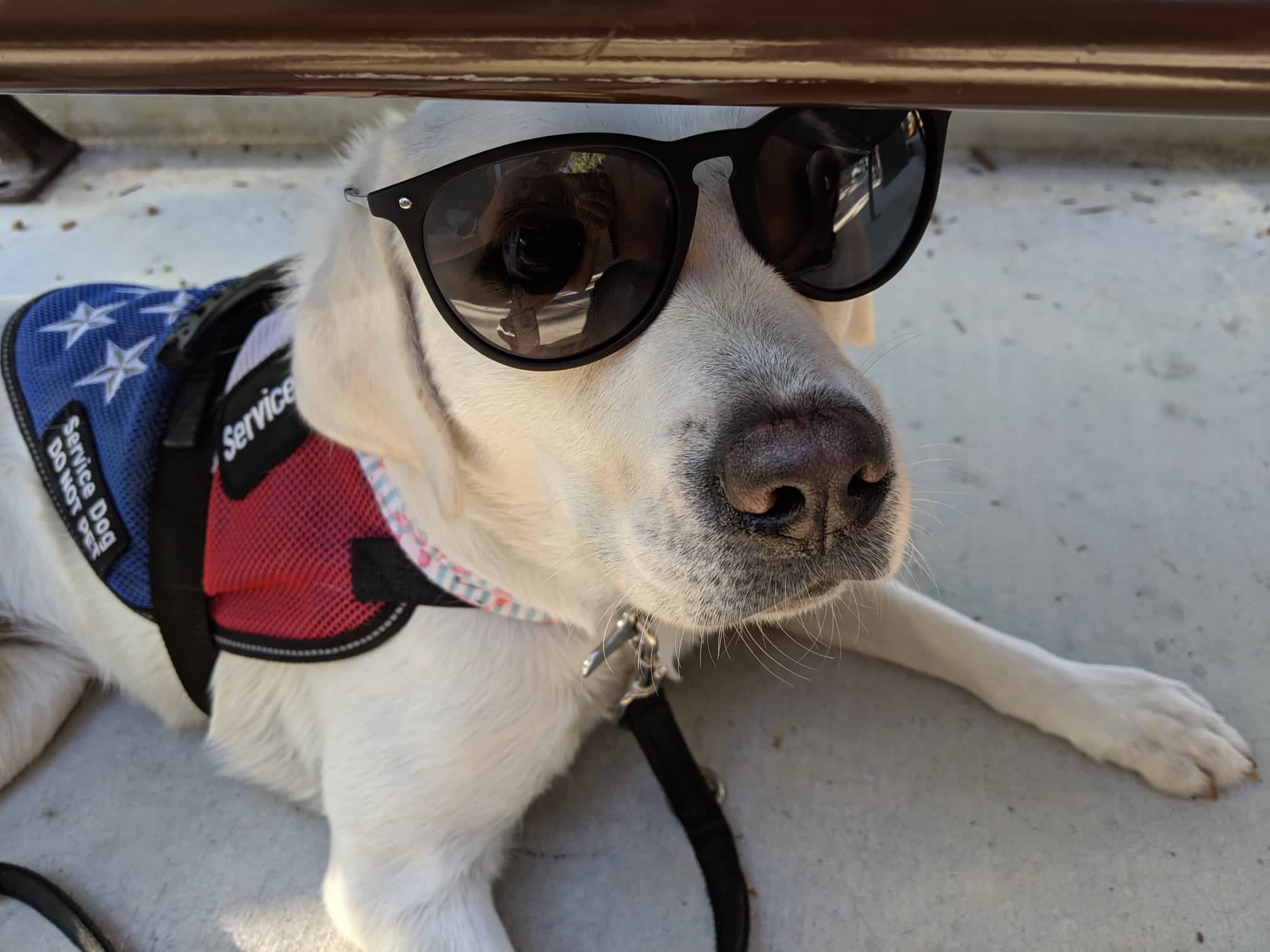
And in case you were wondering:
Feature photo by Richard Atrero de Guzman/Anadolu Agency/Getty Image.
TPG featured card

at Capital One's secure site
Terms & restrictions apply. See rates & fees.
| 5X miles | Earn 5X miles on hotels, vacation rentals and rental cars booked through Capital One Travel |
| 2X miles | Earn unlimited 2X miles on every purchase, every day |
Pros
- Stellar welcome offer of 75,000 miles after spending $4,000 on purchases in the first three months from account opening. Plus, a $250 Capital One Travel credit to use in your first cardholder year upon account opening.
- You'll earn 2 miles per dollar on every purchase, which means you won't have to worry about memorizing bonus categories
- Rewards are versatile and can be redeemed for a statement credit or transferred to Capital One’s transfer partners
Cons
- Highest bonus-earning categories only on travel booked via Capital One Travel
- LIMITED-TIME OFFER: Enjoy $250 to use on Capital One Travel in your first cardholder year, plus earn 75,000 bonus miles once you spend $4,000 on purchases within the first 3 months from account opening - that’s equal to $1,000 in travel
- Earn unlimited 2X miles on every purchase, every day
- Earn 5X miles on hotels, vacation rentals and rental cars booked through Capital One Travel
- Miles won't expire for the life of the account and there's no limit to how many you can earn
- Receive up to a $120 credit for Global Entry or TSA PreCheck®
- Use your miles to get reimbursed for any travel purchase—or redeem by booking a trip through Capital One Travel
- Enjoy a $50 experience credit and other premium benefits with every hotel and vacation rental booked from the Lifestyle Collection
- Transfer your miles to your choice of 15+ travel loyalty programs
- Top rated mobile app