The Bombardier CRJ Family: A Remembrance

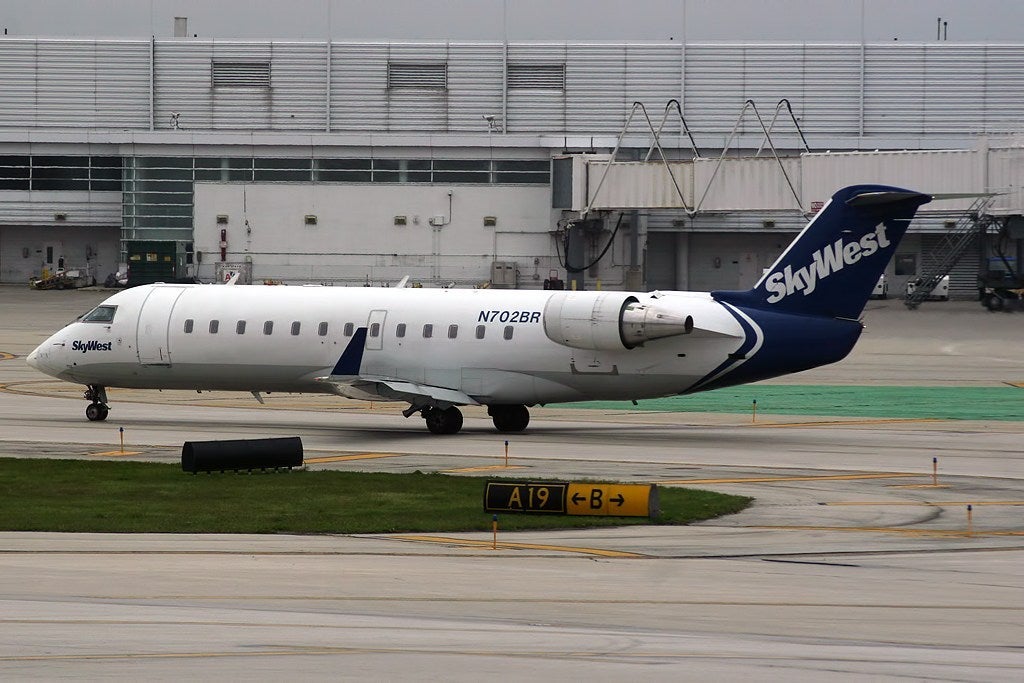
I started my career as an aviation journalist in 1992. At that time, Bombardier and Embraer were developing aircraft they were betting would revolutionize the airline industry: the 50-seat regional jet. My beat was covering the regional aviation industry, which included the two manufacturers, along with the smaller carriers that flew to markets eschewed by the major airlines.
The Canadair Regional Jet (CRJ), based on the popular Challenger 600 series business jet, was already flying for launch customer Lufthansa, which had ordered 15 jets plus 20 options. The CRJ'S US launch customer, Cincinnati-based Delta Connection operator Comair, placed 20 firm orders and 20 options and started flying them in 1993. Meanwhile, Brazil's Embraer was putting the final touches on its ERJ-145.
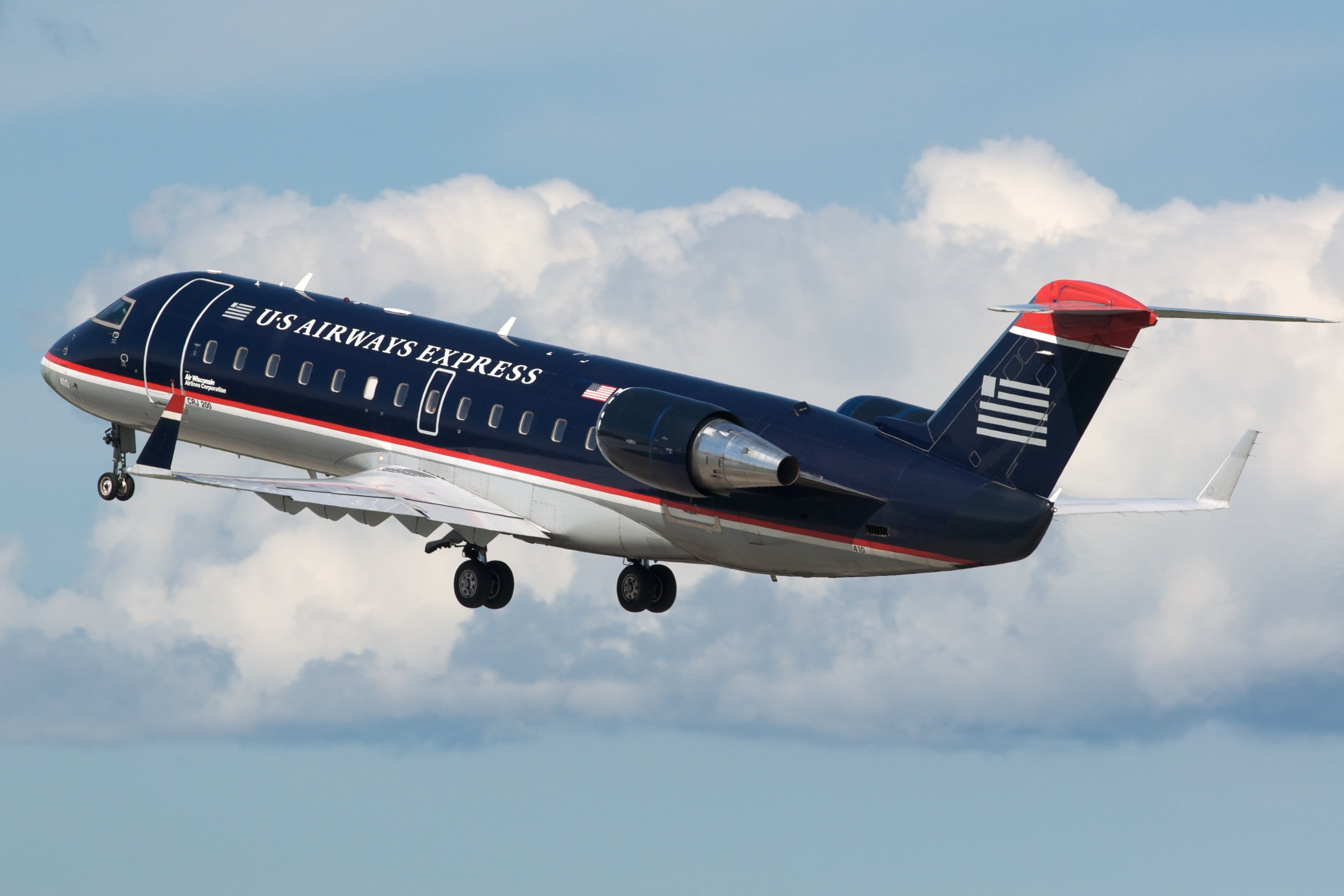
Back then, as now, major airlines were constrained by scope clauses, which limited the size of jets their pilots could fly. So the 50-seat regional jets were seen as a way to get around the clause. But at the time, the 50-seat jet was seen as a big risk, because the conventional wisdom then was that there was no way for regional airlines to make them work economically.
But Comair took the gamble and blanketed the skies with CRJs, leading to a major battle among regional carriers to get regional jets into their fleets and sign lucrative contracts with major carriers to operate them. Although turboprops were more economical to operate, they were limited in range and passengers preferred flying on the smaller jets.
The CRJ and its Brazilian counterpart were used in myriad ways, including bypassing crowded hub airports with more direct service, supplementing mainline jets, flying longer routes and even raiding hubs. You'd see them on routes such as Cincinnati-Washington; Charleston, South Carolina, to New York and even Denver-San Jose, California. Inside, the 50-seat CRJs were cramped, and few passengers will remember fondly flying in them. The larger models that followed, some seating almost double the passengers, offered more space.
But they made money on routes were no jet that small had gone before, and that led to a pitched battle by the major regionals of the day, including American Eagle, Continental Express, Atlantic Southeast, Trans States and SkyWest, to join Comair in getting RJs into their fleets. At one point, Delta and its Connection carriers were the largest operators ot CRJs in the world, with more than 400 in the fleet.

Then 9/11 happened, signaling the beginning of the end of the CRJ.
Traffic plummeted and the major airlines slashed capacity, which meant RJs weren't flying at full capacity. As a result, the cost to operate them began to rise. Just when traffic began slowly rising in early 2004, the price of jet fuel spiked, making RJs even more expensive. Bombardier announced a series of cost-cutting measures, including CRJ production cuts and layoffs.
This, coupled with larger regional jets such as the Bombardier CRJ-700 and -900 and the Embraer E170 and E175, didn't help the smaller CRJ's prospects. Bombardier ended production of the CRJ family in 2006, after delivering 1,899 jets. It also strayed from marketing the CRJ-700 and 900 as it focused squarely on the C Series, which came to market launched after a series of delays and subsequently selling a majority stake in the jet to Airbus in October 2017.
Now, with Bombardier selling its CRJ family to Mitsubishi for $550 million, it's the end of an era for the Canandian manufacturer. But, while it lasted, it was a grand ride for the airlines that flew it.
TPG featured card

at American Express's secure site
Terms & restrictions apply. See rates & fees.
| 3X | Earn 3X Miles on Delta purchases. |
| 1X | Earn 1X Miles on all other eligible purchases. |
Pros
- Delta SkyClub access when flying Delta
- Annual companion ticket for travel on Delta (upon renewal)
- Ability to earn MQDs through spending
- Various statement credits for eligible purchases
Cons
- Steep annual fee of $650
- Other Delta cobranded cards offer superior earning categories
- Earn 100,000 Bonus Miles after you spend $6,000 or more in purchases with your new Card within the first 6 months of Card Membership and an additional 25,000 bonus miles after you make an additional $3,000 in purchases on the Card within your first 6 months, starting from the date that your account is opened. Offer Ends 04/01/2026.
- Delta SkyMiles® Reserve American Express Card Members receive 15 Visits per Medallion® Year to the Delta Sky Club® when flying Delta and can unlock an unlimited number of Visits after spending $75,000 in purchases on your Card in a calendar year. Plus, you’ll receive four One-Time Guest Passes each Medallion Year so you can share the experience with family and friends when traveling Delta together.
- Enjoy complimentary access to The Centurion® Lounge in the U.S. and select international locations (as set forth on the Centurion Lounge Website), Sidecar by The Centurion® Lounge in the U.S. (see the Centurion Lounge Website for more information on Sidecar by The Centurion® Lounge availability), and Escape Lounges when flying on a Delta flight booked with the Delta SkyMiles® Reserve American Express Card. § To access Sidecar by The Centurion® Lounge, Card Members must arrive within 90 minutes of their departing flight (including layovers). To access The Centurion® Lounge, Card Members must arrive within 3 hours of their departing flight. Effective July 8, 2026, during a layover, Card Members must arrive within 5 hours of the connecting flight.
- Receive $2,500 Medallion® Qualification Dollars with MQD Headstart each Medallion Qualification Year and earn $1 MQD for each $10 in purchases on your Delta SkyMiles® Reserve American Express Card with MQD Boost to get closer to Status next Medallion Year.
- Enjoy a Companion Certificate on a Delta First, Delta Comfort, or Delta Main round-trip flight to select destinations each year after renewal of your Card. The Companion Certificate requires payment of government-imposed taxes and fees of between $22 and $250 (for itineraries with up to four flight segments). Baggage charges and other restrictions apply. Delta Basic experiences are not eligible for this benefit.
- $240 Resy Credit: When you use your Delta SkyMiles® Reserve American Express Card for eligible purchases with U.S. Resy restaurants, you can earn up to $20 each month in statement credits. Enrollment required.
- $120 Rideshare Credit: Earn up to $10 back in statement credits each month after you use your Delta SkyMiles® Reserve American Express Card to pay for U.S. rideshare purchases with select providers. Enrollment required.
- Delta SkyMiles® Reserve American Express Card Members get 15% off when using miles to book Award Travel on Delta flights through delta.com and the Fly Delta app. Discount not applicable to partner-operated flights or to taxes and fees.
- With your Delta SkyMiles® Reserve American Express Card, receive upgrade priority over others with the same Medallion tier, product and fare experience purchased, and Million Miler milestone when you fly with Delta.
- Earn 3X Miles on Delta purchases and earn 1X Miles on all other eligible purchases.
- No Foreign Transaction Fees. Enjoy international travel without additional fees on purchases made abroad.
- $650 Annual Fee.
- Apply with confidence. Know if you're approved for a Card with no impact to your credit score. If you're approved and you choose to accept this Card, your credit score may be impacted.
- Terms Apply.
- See Rates & Fees