Mesa Air's sea gliders are poised to make a splash in East Coast travel
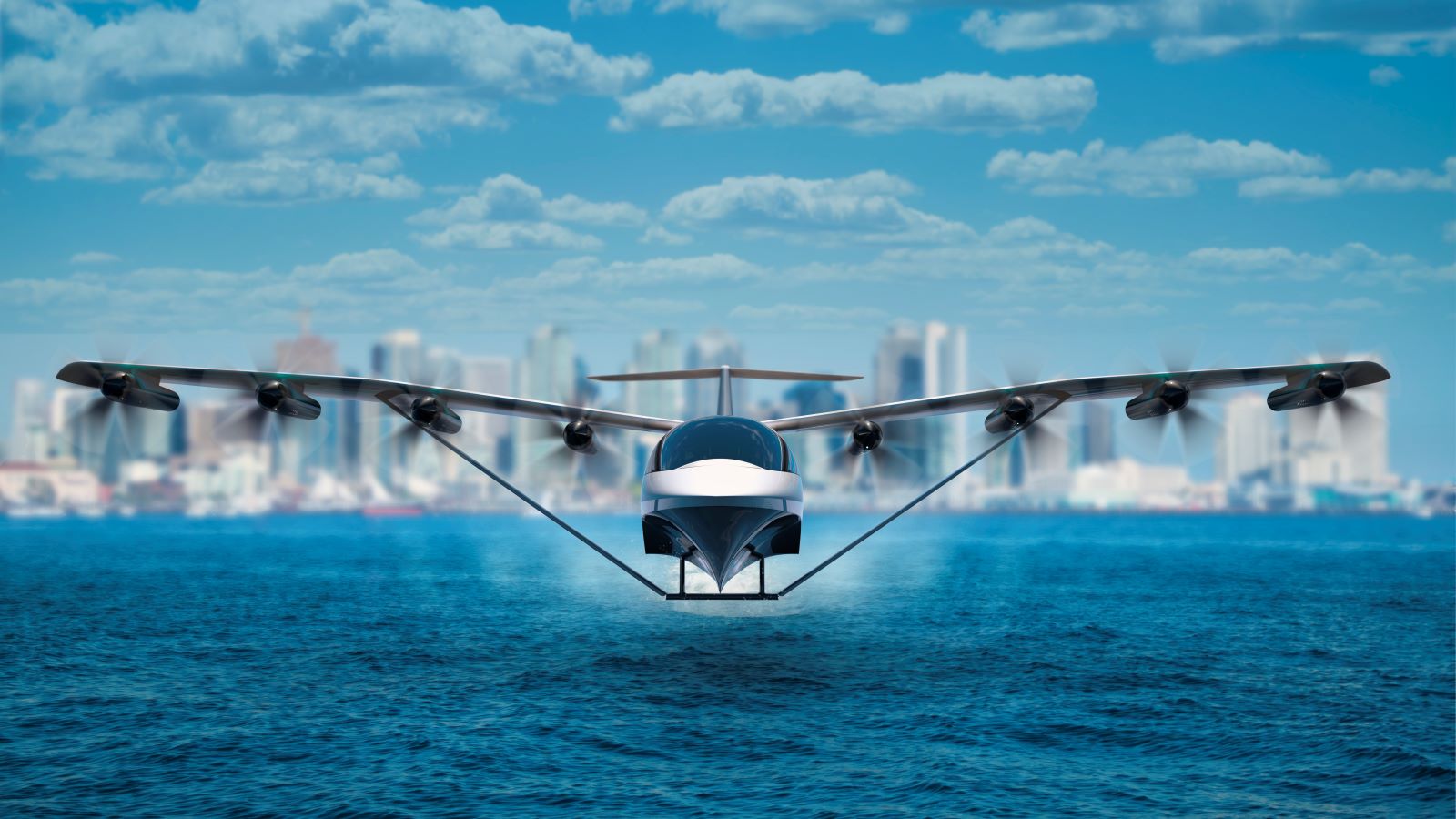
With thousands of canceled flights bedeviling travelers in the initial months of 2022, it's no secret that airlines are short-staffed these days. The shortage of commercial jet pilots — a crisis exacerbated by both COVID-19 and recent regulatory changes tightening requirements for pilot licenses — has turned Arizona-based aviation company Mesa Airlines toward a novel solution for shuttling passengers between East Coast hubs: sea gliders.
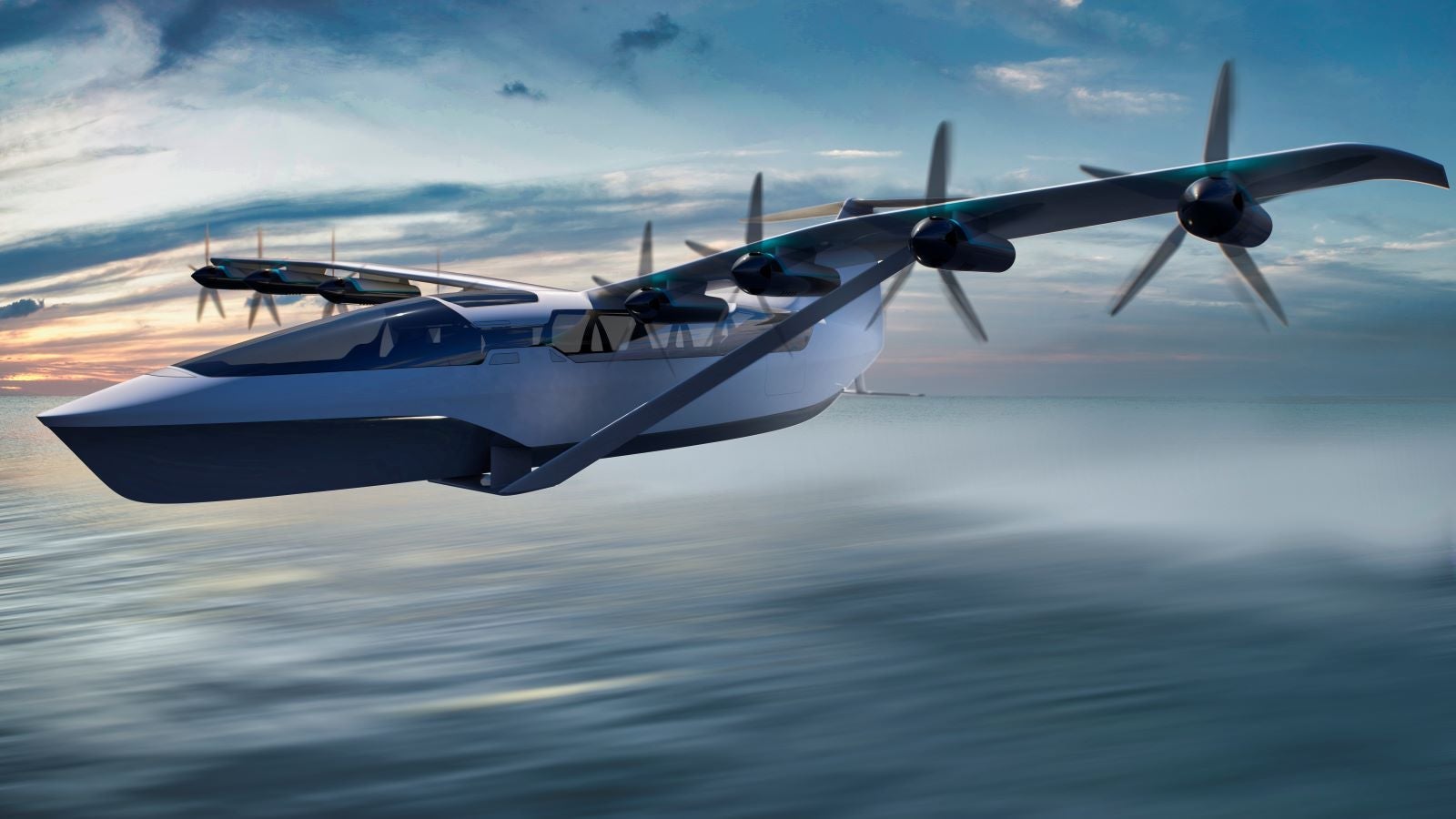
Mesa Air, alongside venture capital firms JAM Fund and Thiel Capital, recently invested $18M into Boston-based start-up Regent (an acronym for Regional Electric Ground Effect Naval Transport) during a Series A funding round. Regent aims to make sea gliders — vehicles with the speed of an airplane but the operating cost of a boat — a better option than jets for moving between coastal cities.
Fully electric and far cheaper to produce than commercial jets, sea gliders could drastically improve the speed, cost and environmental impact of traveling between New York and Boston or Miami and Tampa Bay for example. In addition to infusing capital into Regent, Mesa plans to purchase 200 of the company's gliders to use on existing air routes.
Carrying up to 12 passengers, Regent's gliders maneuver nimbly both on the water and through the air. Using hydrofoils, retractable structures that elevate the craft's hull above the water, Regent sea gliders can take off from city harbors and reach speeds of up to 180 mph. While you might recoil at the prospect of sea sickness and turbulence, the ride is smooth and comfortable, according to a Regent spokesperson.
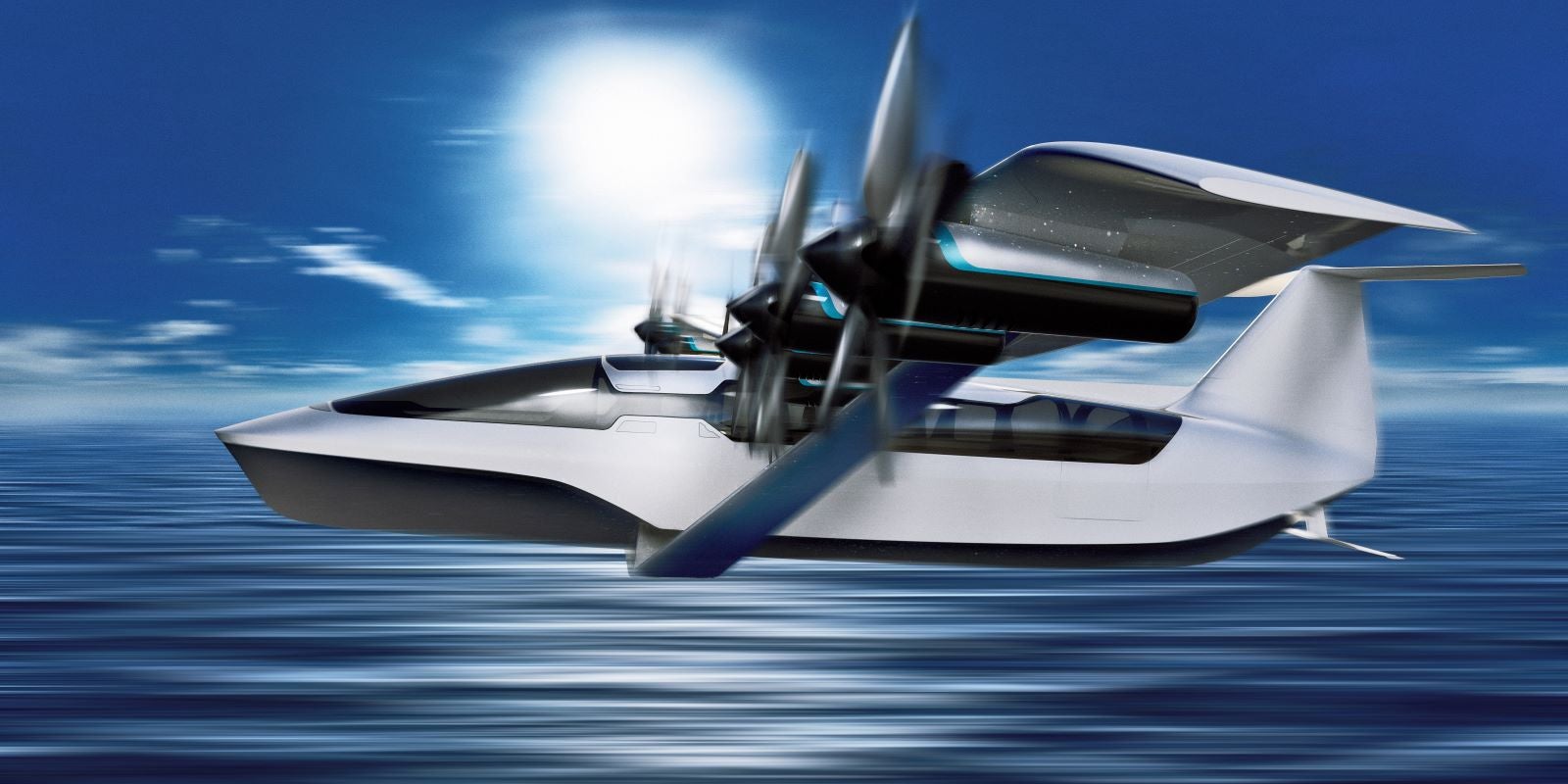
With sea gliders, accessing islands with small or nonexistent airports could be as cheap as taking a ferry. But even more compelling than cheaper jaunts to Martha's Vineyard or Block Island, fleets of sea gliders could serve as an emergency backup transportation in the event that a disaster shuts down airports.
Regent's sea gliders possess several advantages over helicopters beyond their dual air-water capability. Gliders can fly lower than helicopters, even below low-visibility fog lines during foul weather. For now, Regent's gliders only hold a dozen passengers, but future models aim to carry many times that amount. Moreover, Regent is working on a model that, like an ambulance, can carry stretchers and emergency medical equipment.

Sea gliders are far more environmentally friendly than jets, both in terms of production and emissions. Each year, commercial jets contribute 3% of man-made carbon emissions; Regent's sea gliders, with fully electric motors, emit zero carbon dioxide. "Together, Regent and Mesa support a future of sustainable, fast and convenient transportation," said Jonathan Ornstein, CEO of Mesa Group.
Perhaps most appealing of all to Mesa, sea glider pilots do not have to undergo the onerous 1,500 hours of training necessary to obtain an FAA commercial pilot's license. Sea gliders are technically classified as Wing-in-Ground (WIG) effect crafts, vehicles for which the U.S. Coast Guard, rather than the Federal Aviation Administration, oversees licensing. The easier licensing process for sea gliders could allow Mesa to expand its air routes even during a time when pilot shortages are crippling airlines.
Legendary investor Peter Thiel — whose glittering portfolio includes the likes of Lyft, Palantir, and fin-tech darling Ramp — notes how air travel is ripe for disruption: "We long ago stopped moving faster from place to place. As computing speed has risen exponentially, transit times from Boston to New York or Los Angeles to San Francisco have been stagnant since the 1970s. While some have tried to chip away at incremental improvements on buses or planes, Regent's solution is an entirely new mode of transportation."
With their low environmental impact and looser pilot's license requirements, sea gliders are poised to make a splash in the coming months. Once glider routes become viable, traveling by air between coastal hubs could be easier than ever. (Heck, just imagine a world in which short flights don't entail the hassles of TSA, long lines and expensive Ubers to and from the airport.) Mesa plans to test their new sea glider fleets in Tampa Bay in the coming weeks. If all goes well, expect to see glider routes from Boston and D.C. to New York in 2022.
TPG featured card

at American Express's secure site
Terms & restrictions apply. See rates & fees.
| 3X | Earn 3X Miles on Delta purchases. |
| 1X | Earn 1X Miles on all other eligible purchases. |
Pros
- Delta SkyClub access when flying Delta
- Annual companion ticket for travel on Delta (upon renewal)
- Ability to earn MQDs through spending
- Various statement credits for eligible purchases
Cons
- Steep annual fee of $650
- Other Delta cobranded cards offer superior earning categories
- Earn 100,000 Bonus Miles after you spend $6,000 or more in purchases with your new Card within the first 6 months of Card Membership and an additional 25,000 bonus miles after you make an additional $3,000 in purchases on the Card within your first 6 months, starting from the date that your account is opened. Offer Ends 04/01/2026.
- Delta SkyMiles® Reserve American Express Card Members receive 15 Visits per Medallion® Year to the Delta Sky Club® when flying Delta and can unlock an unlimited number of Visits after spending $75,000 in purchases on your Card in a calendar year. Plus, you’ll receive four One-Time Guest Passes each Medallion Year so you can share the experience with family and friends when traveling Delta together.
- Enjoy complimentary access to The Centurion® Lounge in the U.S. and select international locations (as set forth on the Centurion Lounge Website), Sidecar by The Centurion® Lounge in the U.S. (see the Centurion Lounge Website for more information on Sidecar by The Centurion® Lounge availability), and Escape Lounges when flying on a Delta flight booked with the Delta SkyMiles® Reserve American Express Card. § To access Sidecar by The Centurion® Lounge, Card Members must arrive within 90 minutes of their departing flight (including layovers). To access The Centurion® Lounge, Card Members must arrive within 3 hours of their departing flight. Effective July 8, 2026, during a layover, Card Members must arrive within 5 hours of the connecting flight.
- Receive $2,500 Medallion® Qualification Dollars with MQD Headstart each Medallion Qualification Year and earn $1 MQD for each $10 in purchases on your Delta SkyMiles® Reserve American Express Card with MQD Boost to get closer to Status next Medallion Year.
- Enjoy a Companion Certificate on a Delta First, Delta Comfort, or Delta Main round-trip flight to select destinations each year after renewal of your Card. The Companion Certificate requires payment of government-imposed taxes and fees of between $22 and $250 (for itineraries with up to four flight segments). Baggage charges and other restrictions apply. Delta Basic experiences are not eligible for this benefit.
- $240 Resy Credit: When you use your Delta SkyMiles® Reserve American Express Card for eligible purchases with U.S. Resy restaurants, you can earn up to $20 each month in statement credits. Enrollment required.
- $120 Rideshare Credit: Earn up to $10 back in statement credits each month after you use your Delta SkyMiles® Reserve American Express Card to pay for U.S. rideshare purchases with select providers. Enrollment required.
- Delta SkyMiles® Reserve American Express Card Members get 15% off when using miles to book Award Travel on Delta flights through delta.com and the Fly Delta app. Discount not applicable to partner-operated flights or to taxes and fees.
- With your Delta SkyMiles® Reserve American Express Card, receive upgrade priority over others with the same Medallion tier, product and fare experience purchased, and Million Miler milestone when you fly with Delta.
- Earn 3X Miles on Delta purchases and earn 1X Miles on all other eligible purchases.
- No Foreign Transaction Fees. Enjoy international travel without additional fees on purchases made abroad.
- $650 Annual Fee.
- Apply with confidence. Know if you're approved for a Card with no impact to your credit score. If you're approved and you choose to accept this Card, your credit score may be impacted.
- Terms Apply.
- See Rates & Fees