Healthy travel advice now that US testing requirements are gone

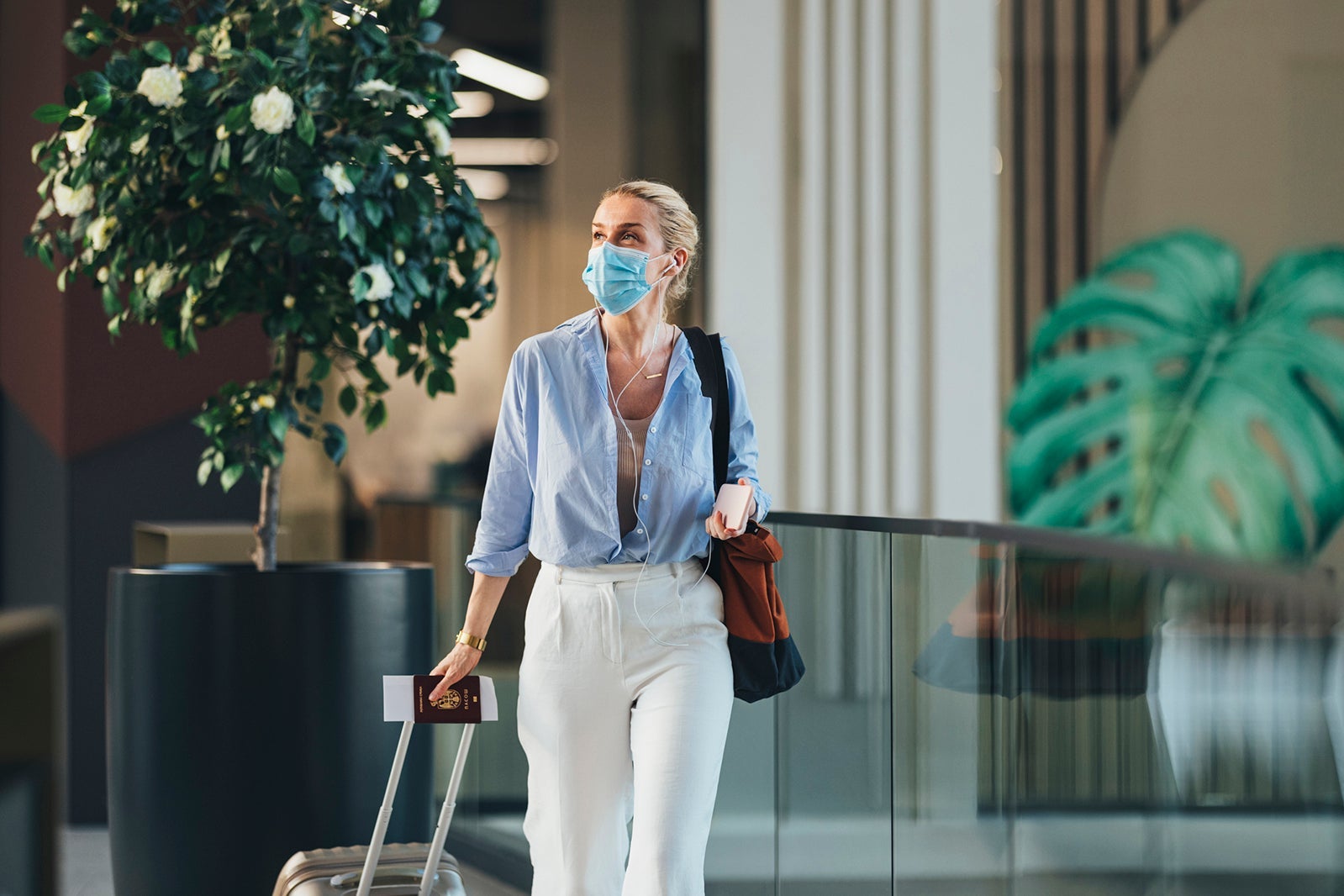
On June 12, the U.S. lifted its COVID-19 testing requirements for inbound air passengers. Airlines, travel bureaus and travelers around the world celebrated this new freedom. This eliminates many travelers' worries about getting stuck abroad, or canceling a trip due to a positive test.
However, the pandemic persists, with COVID-19 cases on the rise in many areas. You may still worry about the health impact of traveling, particularly on airplanes, now that both mask requirements and testing requirements have disappeared. Sure, it's nice to travel without a mask and a test, but if you're stuck in a middle seat on a transatlantic flight for eight hours while your untested and unmasked seatmate has a coughing fit, your anxiety level may rise.
To help preserve both your physical and mental health while traveling this summer, here are some tips that might make your travels a little safer.
It's OK to still wear a mask
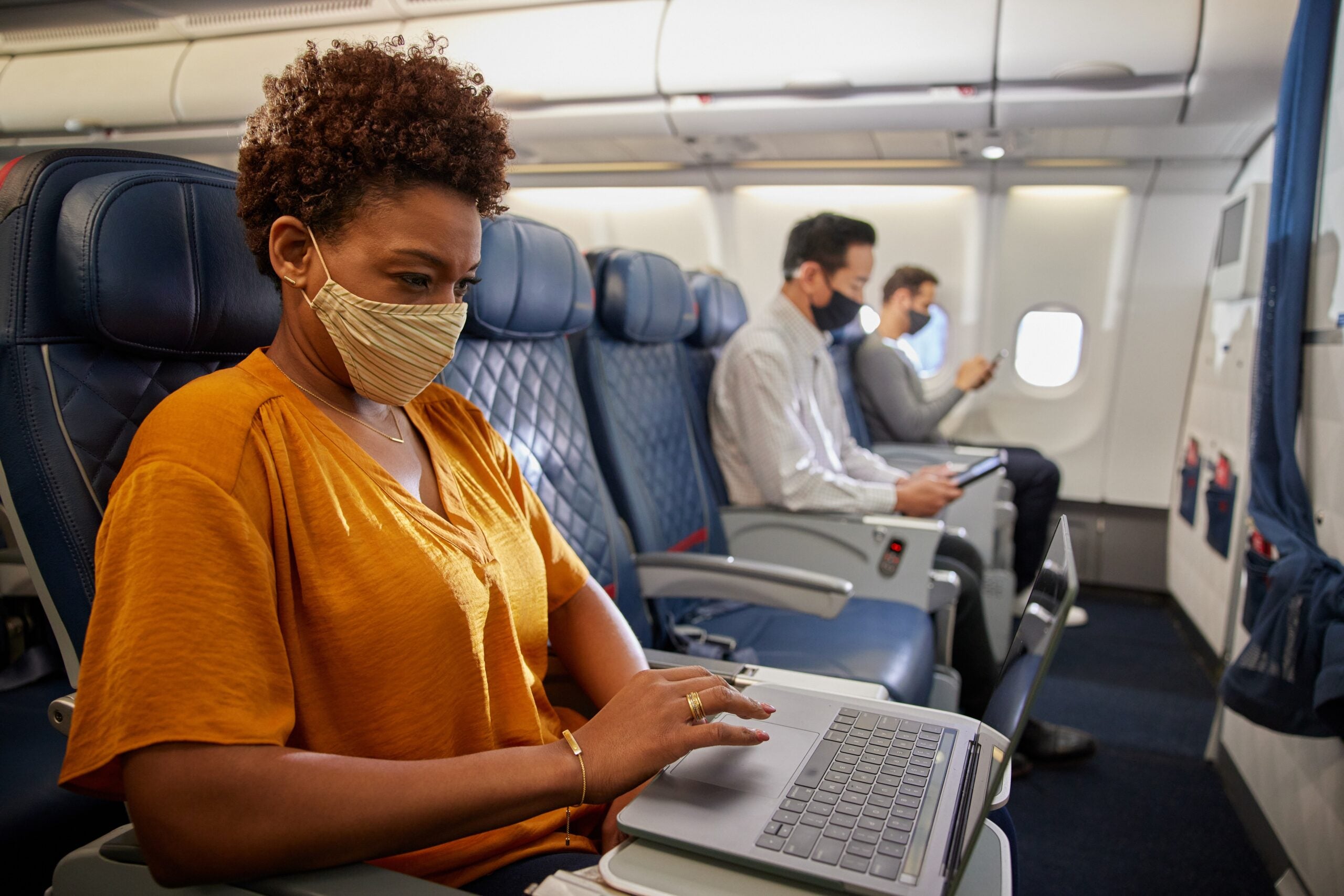
Even if everyone else seems to have discarded their masks, you shouldn't feel pressured to stop wearing one yourself. This is particularly true if you are immunocompromised or otherwise at a higher risk for infection due to underlying conditions. "For the ones who are high risk or have other personal reasons, it is best to wear a properly fitted medical mask such as an N95 or KN95," Dr. Jenny Yu, head of medical affairs at Red Ventures website Healthline Media, advised. TPG reporter Caroline Tanner wrote about her decision to continue wearing a mask due to her health status because "the heightened risk of me catching COVID-19 (or any illness really) does not outweigh the inconvenience of wearing a mask, which I do not find particularly inconvenient to begin with."
While many passengers celebrated the removal of the mask mandate, you should still make your own decisions based on your comfort level. As for unvaccinated children younger than 5 five years old, a mask provides an added level of protection — if you can get them to actually wear one.
Related: Don't forget to pack your mask this summer — certain places still require one
Follow the original COVID-19 safety recommendations

Maybe you don't need to spend 10 minutes wiping down your airplane seat with industrial-strength cleaner anymore, but many of the pandemic-related safety precautions are still wise actions to prevent infection (whether it be COVID-19 or any other ailment).
When traveling, be sure to:
- Wash your hands regularly.
- Carry hand sanitizer or disinfectant wipes.
- Avoid touching your mouth, eyes and face after touching common-use items.
- Avoid crowded indoor areas with limited airflow.
- Follow the Centers for Disease Control and Prevention's and your medical professional's advice on vaccines and booster shots.

"Continue to avoid high-volume travel days and plan for shorter travels to reduce risks," Yu said. "Boosters are still valuable in protecting against more severe symptoms and antiviral treatments are good for reducing the length of symptoms."
Related: 7 ways older adults can stay healthy traveling
Good news: Airlines' air filtration systems seem to work
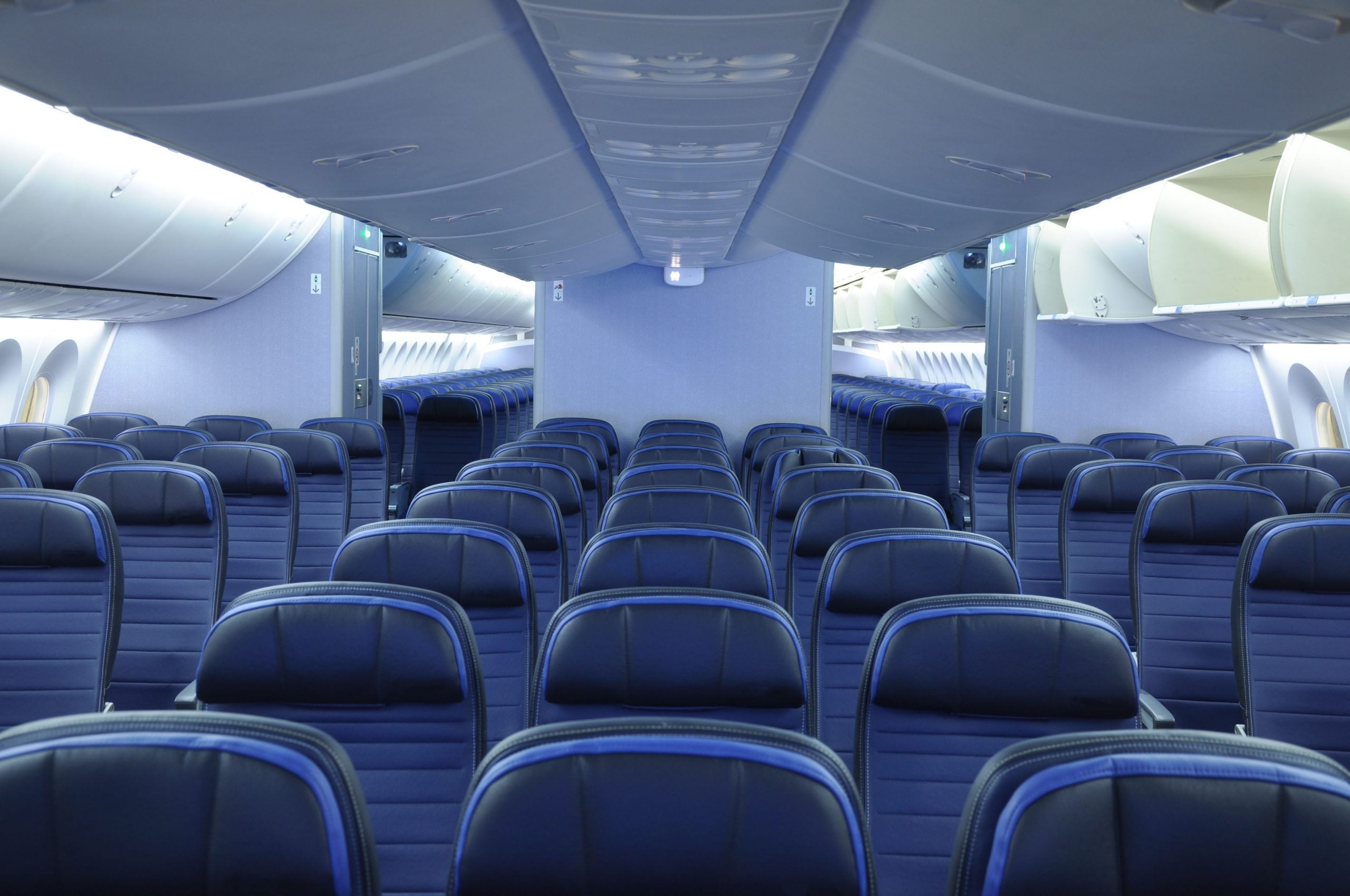
Several recent studies have shown the efficiency of airline air filtration systems (and similar systems in cruise ships) in reducing the conditions where COVID-19 tends to thrive. A recent University of Colorado study showed that COVID-19 transmission was more frequent in enclosed areas with higher levels of carbon dioxide, while another study showed airline circulation systems keep those levels low. While not exactly proof of COVID-19 safety on a flight (particularly if the guy next to you is coughing on you), the study should reduce some level of passenger worry about flights being a high-danger zone. The bad news is that these airline filtration systems are far less effective (and usually aren't even turned on) while the airplane is parked on the runway.
Bottom line
The U.S. government's decision to end the requirement for pre-entry testing for airline passengers resulted in both relief and worry from health-conscious travelers. However, if you take standard health precautions — such as getting vaccinated with booster shots, wearing a mask, washing your hands and avoiding crowded indoor areas — you should be able to stay in good health this summer. Despite the pressure to ditch your mask forever, "People should weigh their own risks and decide the best route to take," according to Yu.
TPG featured card

at Capital One's secure site
Terms & restrictions apply. See rates & fees.
| 5X miles | Earn 5X miles on hotels, vacation rentals and rental cars booked through Capital One Travel |
| 2X miles | Earn unlimited 2X miles on every purchase, every day |
Pros
- Stellar welcome offer of 75,000 miles after spending $4,000 on purchases in the first three months from account opening. Plus, a $250 Capital One Travel credit to use in your first cardholder year upon account opening.
- You'll earn 2 miles per dollar on every purchase, which means you won't have to worry about memorizing bonus categories
- Rewards are versatile and can be redeemed for a statement credit or transferred to Capital One’s transfer partners
Cons
- Highest bonus-earning categories only on travel booked via Capital One Travel
- LIMITED-TIME OFFER: Enjoy $250 to use on Capital One Travel in your first cardholder year, plus earn 75,000 bonus miles once you spend $4,000 on purchases within the first 3 months from account opening - that’s equal to $1,000 in travel
- Earn unlimited 2X miles on every purchase, every day
- Earn 5X miles on hotels, vacation rentals and rental cars booked through Capital One Travel
- Miles won't expire for the life of the account and there's no limit to how many you can earn
- Receive up to a $120 credit for Global Entry or TSA PreCheck®
- Use your miles to get reimbursed for any travel purchase—or redeem by booking a trip through Capital One Travel
- Enjoy a $50 experience credit and other premium benefits with every hotel and vacation rental booked from the Lifestyle Collection
- Transfer your miles to your choice of 15+ travel loyalty programs
- Top rated mobile app