Microwave Weapons Likely Used in US Embassy Sonic Attacks

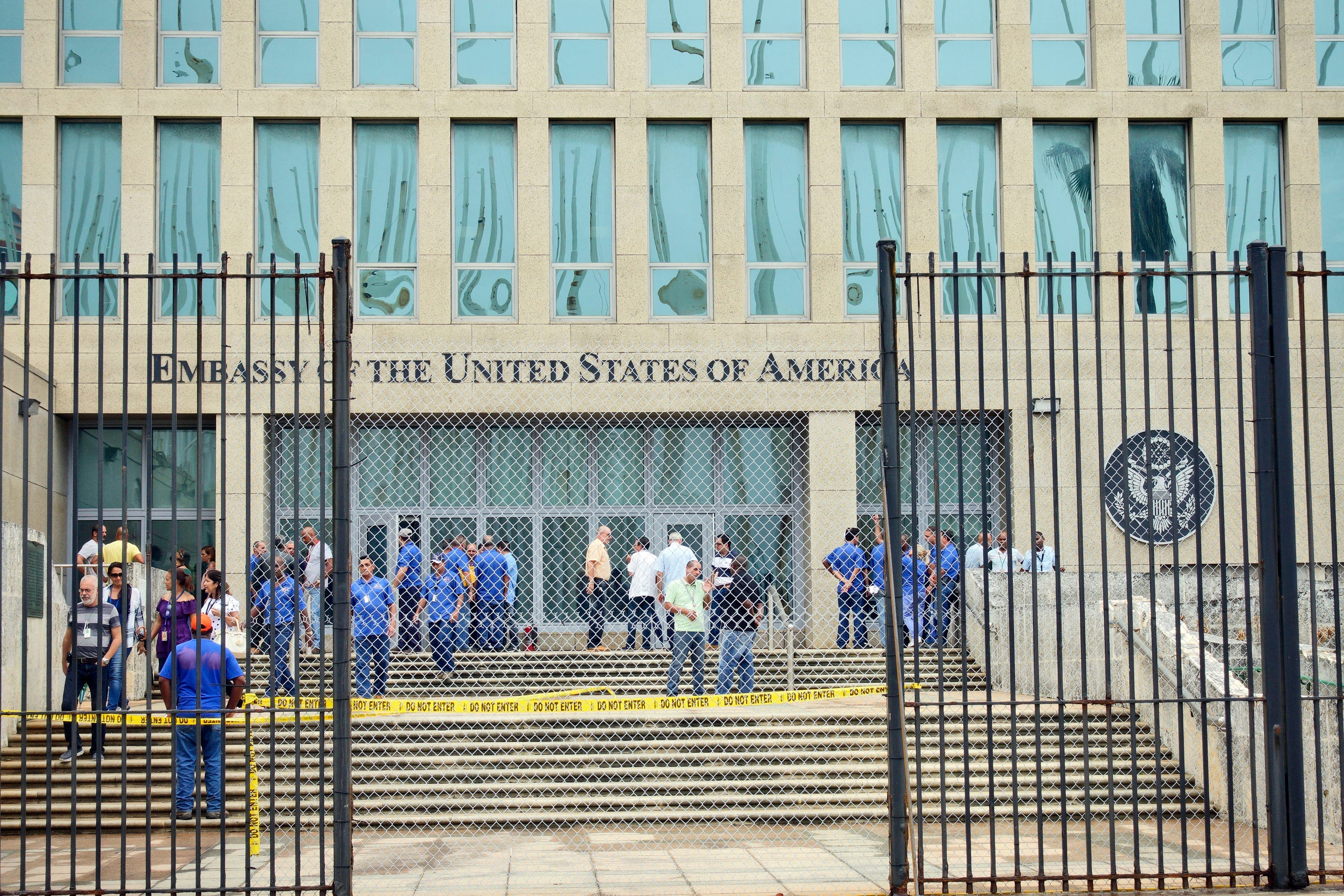
The world was taken aback when US diplomats in Cuba and China started experiencing puzzling acoustic attacks in 2016 that have so far left 26 government workers ill.
Now, the lead author of the US government's report on the incident has said that the attacks may have been caused by microwave weapons.
In an interview with the New York Times, Douglas Smith, director of the University of Pennsylvania's Center for Brain Injury and Repair said that the main suspect of the cause of the victims' injuries are microwaves.
"Everybody was relatively skeptical at first, and everyone now agrees there's something there," Smith said.Other causes are still being investigated, including ultrasound and infrasound, but Smith says that microwaves are most likely cause of the attack.
"It's almost like a concussion, but without a concussion -- meaning that they look like individuals who have persistent concussion symptoms but have no history of head impact," Smith told CNN. "Just like we have ways to prevent people from having a concussion, you could think of maybe protecting your brain from these energy sources."
Symptoms of the attacks include "sharp ear pain, headaches, ringing in one ear, vertigo, disorientation, attention issues and signs consistent with mild traumatic brain injury or concussion," US officials told Congress in a January hearing.

In March, the US government medical team lead by Smith released a report detailing the potential causes of the attacks but did not mention any use of microwaves.
There have been no reports of tourists experiencing a sonic attack, but that hasn't stopped the US from withdrawing a majority of its embassy staff in Cuba and issuing a health alert for US citizens traveling to China. The US has not directly accused the Cuban government of carrying out the attacks but says the country is responsible for safeguarding the diplomats' welfare.
Dr. Mitchell Valdes-Sosa, a well known Cuban scientist who is studying the issue on behalf of the Cuban government called the findings "science fiction."
"If you look at the alleged events, there have been reports that there are several people in a room with thick walls and thick windows and only one person was targeted. This is a kind of weapon that doesn't exist," said Valdes-Sosa.
TPG featured card

at Capital One's secure site
Terms & restrictions apply. See rates & fees.
| 5X miles | Earn 5X miles on hotels, vacation rentals and rental cars booked through Capital One Travel |
| 2X miles | Earn unlimited 2X miles on every purchase, every day |
Pros
- Stellar welcome offer of 75,000 miles after spending $4,000 on purchases in the first three months from account opening. Plus, a $250 Capital One Travel credit to use in your first cardholder year upon account opening.
- You'll earn 2 miles per dollar on every purchase, which means you won't have to worry about memorizing bonus categories
- Rewards are versatile and can be redeemed for a statement credit or transferred to Capital One’s transfer partners
Cons
- Highest bonus-earning categories only on travel booked via Capital One Travel
- LIMITED-TIME OFFER: Enjoy $250 to use on Capital One Travel in your first cardholder year, plus earn 75,000 bonus miles once you spend $4,000 on purchases within the first 3 months from account opening - that’s equal to $1,000 in travel
- Earn unlimited 2X miles on every purchase, every day
- Earn 5X miles on hotels, vacation rentals and rental cars booked through Capital One Travel
- Miles won't expire for the life of the account and there's no limit to how many you can earn
- Receive up to a $120 credit for Global Entry or TSA PreCheck®
- Use your miles to get reimbursed for any travel purchase—or redeem by booking a trip through Capital One Travel
- Enjoy a $50 experience credit and other premium benefits with every hotel and vacation rental booked from the Lifestyle Collection
- Transfer your miles to your choice of 15+ travel loyalty programs
- Top rated mobile app