Is Lufthansa really banning Apple AirTags? The airline says 'no'


Editor's Note
AirTags have become a trending topic in travel during past year, touted as a simple and easy way for flyers to keep track of their checked bags — even if their airline can't.
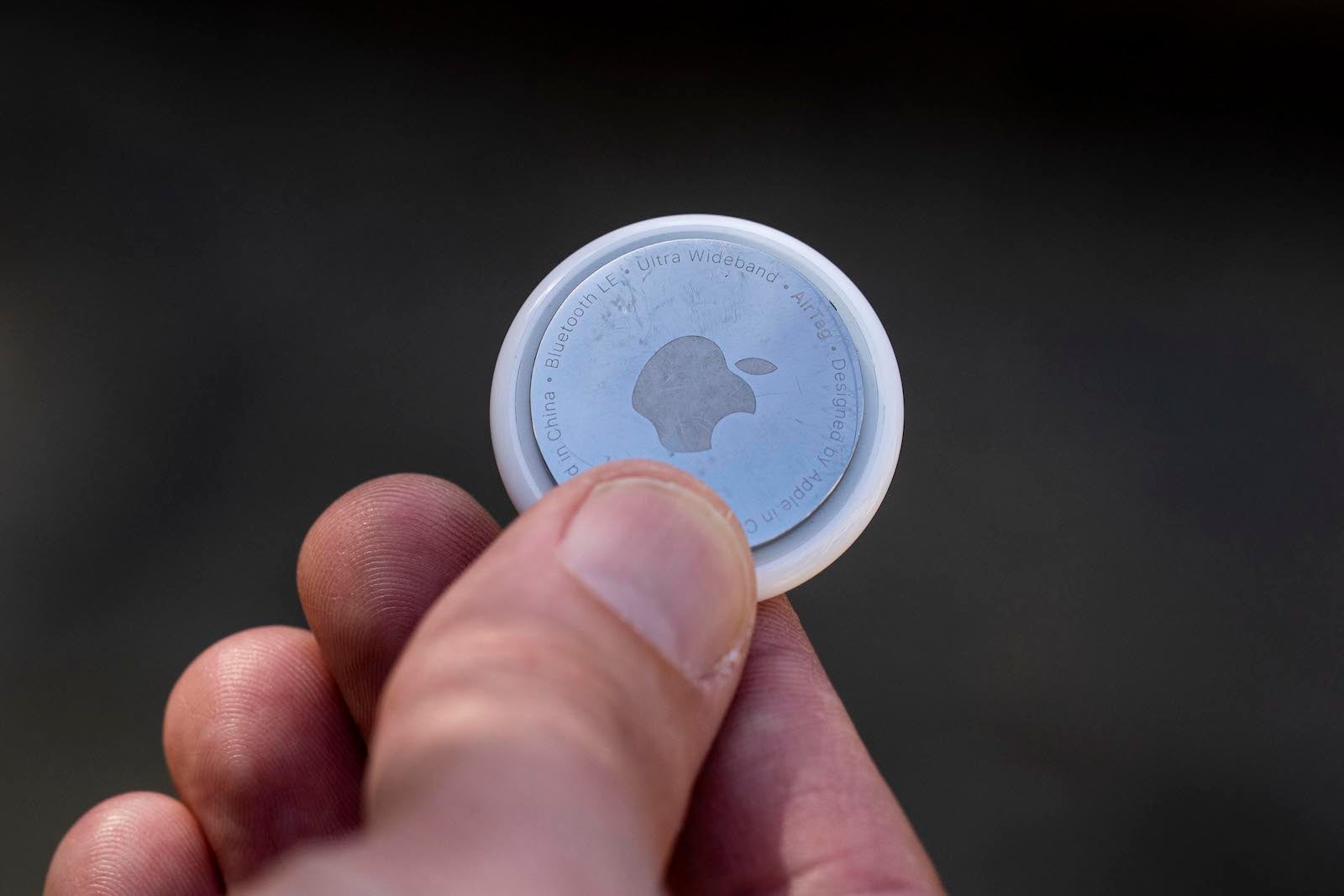
The small device can be dropped into luggage and transmits its location to Apple devices, something that's helped scores of passengers pinpoint the location of a bag after it's mishandled by their carrier.
Now, headlines have begun circulating that one of the biggest airline groups will no longer allow AirTags.
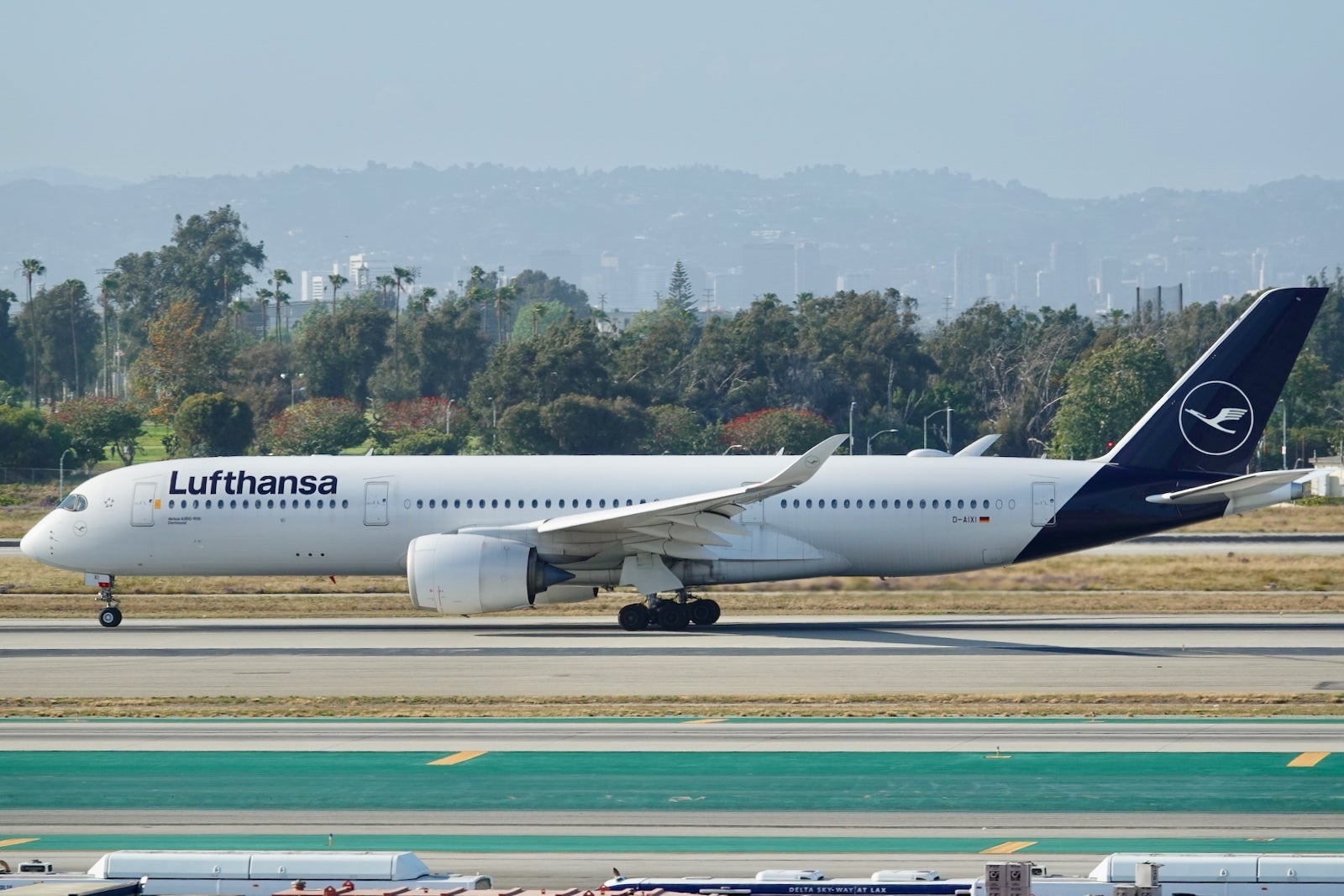
It all comes after a confusing case of back-and-forth with the Lufthansa Group, which now says there's no specific ban on the devices.
"The Lufthansa Group has conducted its own risk assessment with the result that tracking devices with very low battery and transmission power in checked luggage do not pose a safety risk. We have never issued a ban on devices like that," the German airline conglomerate said in a statement to TPG on Tuesday.
There's been muddled messaging on whether Lufthansa and its subsidiary airlines would ban the devices, and the company went so far as to tweet to a customer that such devices are not allowed. But Tuesday's statement said there's no ban currently in place, though the company wishes international aviation bodies would specifically exempt trackers like AirTags from broader checked-luggage restrictions on electronics powered by lithium batteries.
"It is on the authorities to adapt regulations that right now limit the use of these devices for airline passengers in checked luggage. We are in close contact with the respective institutions to find a solution as quickly as possible," Lufthansa's statement continued.
The use of trackers like AirTags has proliferated in recent months.

The confusion regarding the devices appears to stem from language from ICAO, or the International Civil Aviation Organization. The group's guidance on the topic can be strictly interpreted to mean that devices like AirTags should be banned, even though their batteries contain only small amounts of lithium.
But even if an airline like Lufthansa did decide to ban trackers, it likely would raise additional concerns about enforcement.
How, for example, would such a policy be enforced? Customers might be asked about the AirTags while checking bags in, but if they're not — or if they lie — security screeners are not searching for the devices. In the U.S., the Transportation Security Administration explicitly permits AirTags in both checked and carry-on bags.
It all comes after a summer of travel disruptions — including at Lufthansa's hub at Frankfurt Airport (FRA) — which coincided with the AirTag's rise to become an invaluable tool for locating lost and mishandled checked luggage.
What's creating concern over AirTags in checked luggage is their lithium metal batteries, specifically a type called a CR2032, which are the size of a small coin and traditionally power wristwatches and key fobs for cars. They carry about 0.1 grams of lithium metal content — a minuscule amount.
But the ICAO regulations cited by Lufthansa say all items with lithium-powered batteries can't be checked if they cannot be powered off — like AirTags.
The concern has to do with fire risk. It is much easier to extinguish an inflight fire, using onboard fire extinguishers, when something catches fire in the cabin. It's not as easy to extinguish a fire in the aircraft's cargo compartment.
But the risk is unclear for the small amount of lithium present in AirTags: There are no known instances of the devices catching fire in the cargo hold of aircraft.
So far, U.S. agencies like the Federal Aviation Administration or TSA haven't explicitly disallowed the tracking devices. Lufthansa said it's in favor of an exemption that would OK trackers with low battery and transmission power for checked baggage.
Going forward, travelers are now left to wonder if this topic might come up again. For now, the devices appear to be allowed on most airlines, despite sporadic reports of airline agents telling travelers otherwise.
Stay tuned ...
Have an upcoming vacation in mind? See how close you are to paying for it with points with the free TPG App!
Matt Blake contributed reporting.
TPG featured card

at Capital One's secure site
Terms & restrictions apply. See rates & fees.
| 5X miles | Earn 5X miles on hotels, vacation rentals and rental cars booked through Capital One Travel |
| 2X miles | Earn unlimited 2X miles on every purchase, every day |
Pros
- Stellar welcome offer of 75,000 miles after spending $4,000 on purchases in the first three months from account opening. Plus, a $250 Capital One Travel credit to use in your first cardholder year upon account opening.
- You'll earn 2 miles per dollar on every purchase, which means you won't have to worry about memorizing bonus categories
- Rewards are versatile and can be redeemed for a statement credit or transferred to Capital One’s transfer partners
Cons
- Highest bonus-earning categories only on travel booked via Capital One Travel
- LIMITED-TIME OFFER: Enjoy $250 to use on Capital One Travel in your first cardholder year, plus earn 75,000 bonus miles once you spend $4,000 on purchases within the first 3 months from account opening - that’s equal to $1,000 in travel
- Earn unlimited 2X miles on every purchase, every day
- Earn 5X miles on hotels, vacation rentals and rental cars booked through Capital One Travel
- Miles won't expire for the life of the account and there's no limit to how many you can earn
- Receive up to a $120 credit for Global Entry or TSA PreCheck®
- Use your miles to get reimbursed for any travel purchase—or redeem by booking a trip through Capital One Travel
- Enjoy a $50 experience credit and other premium benefits with every hotel and vacation rental booked from the Lifestyle Collection
- Transfer your miles to your choice of 15+ travel loyalty programs
- Top rated mobile app