Here's what London is like right now

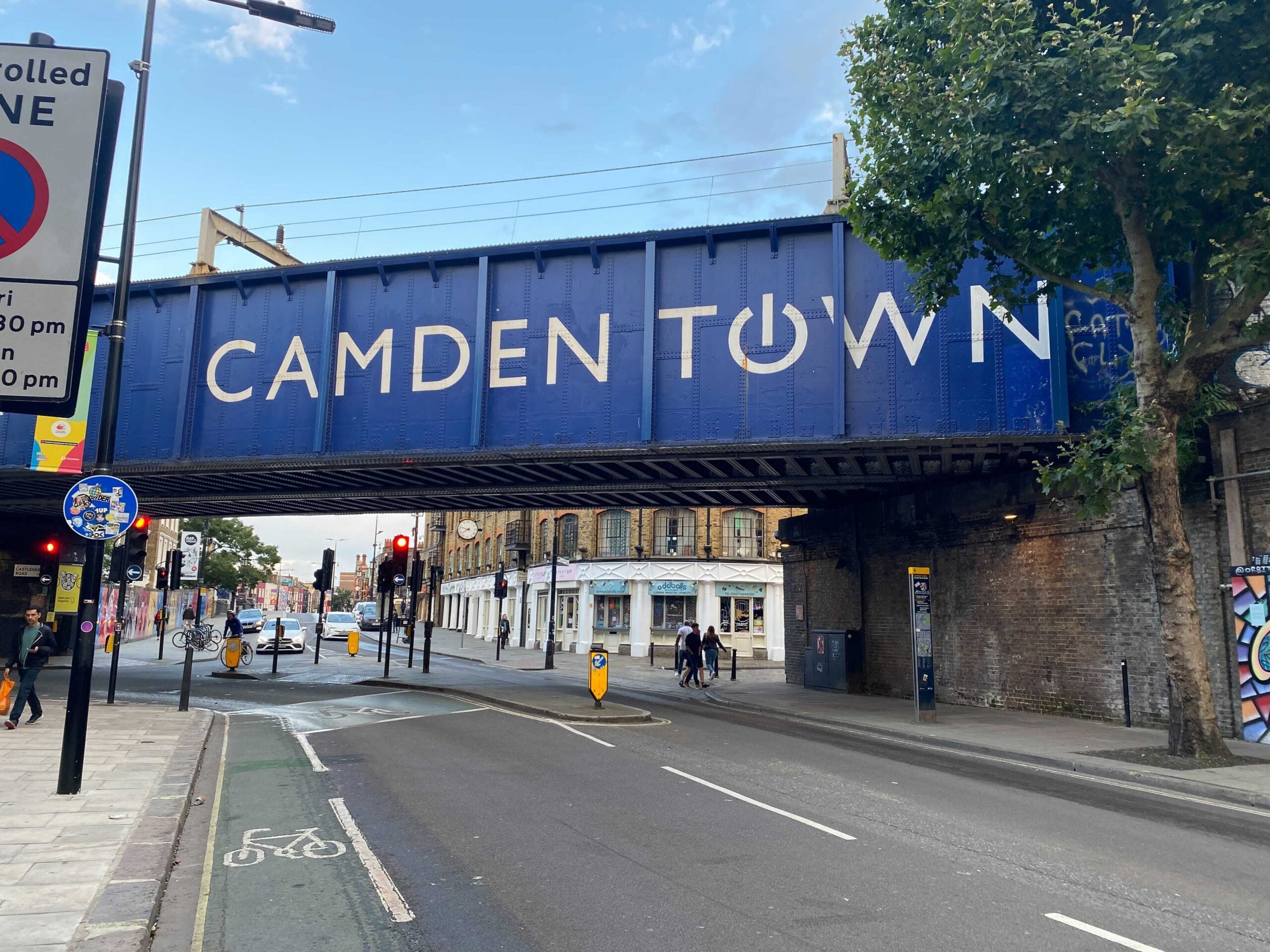
I've been in London for four days now, and as far as I can tell, everything is open and on its way back to a pre-pandemic sense of normalcy.
Masks are no longer required, excluding on public transit, and I've seen few people wearing them on the street and in most public places, including shops, restaurants, pubs, etc.
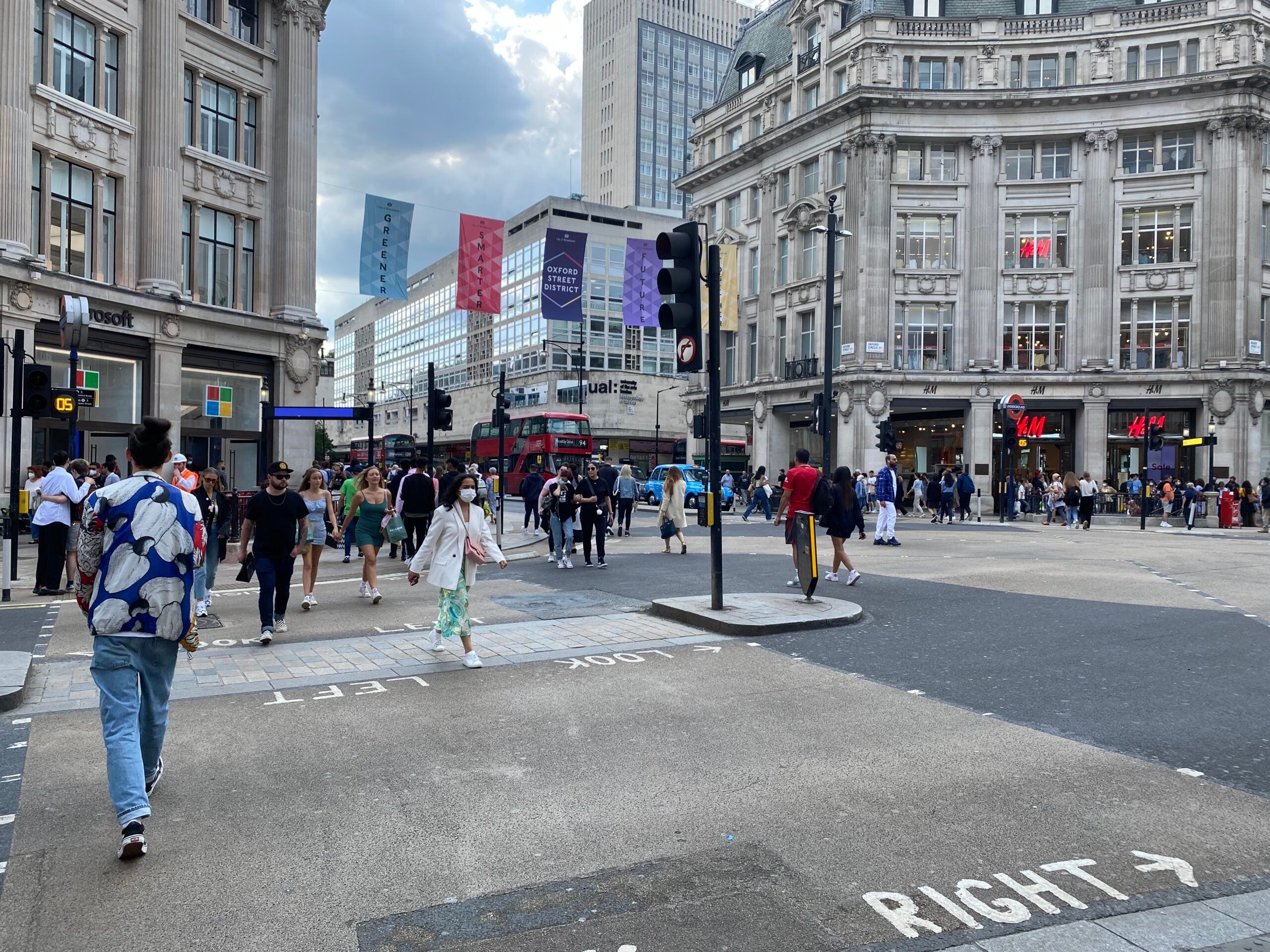
Prime Minister Boris Johnson lifted the majority of the United Kingdom's COVID-19 restrictions on July 19, deemed "Freedom Day," when the government anticipated that two-thirds of adults would be fully vaccinated and that every adult would have been offered one dose. As of Aug. 3, 57% of the U.K. population is fully vaccinated.
"The majority of legal restrictions will be removed and people will be expected to protect themselves and others through informed choice," the prime minister said in a press statement on July 12. "The government expects and recommends that face coverings are worn in crowded and enclosed spaces, such as public transport, when mixing with people you don't normally meet."
"Although there's never a perfect time to take this step, making the move today gives us the best chance of success. We're cautiously easing restrictions when we have the natural firebreak of the school holidays and when the warmer weather gives us an advantage," Minister for COVID Vaccine Deployment Nadhim Zahawi said in a statement on July 19. "So we will move forward, with caution, drawing on the defenses we have built, as we set out in our five-point plan two weeks ago."
"London is fully open — nightclubs, bars, pubs, museums, theaters, you name it," says Emily McNutt, TPG global news editor. "For Londoners, it's great news following months of strict restrictions and a full lockdown from December through April."
The only remaining restriction in place appears to be on London public transit, where masks are still technically required. The government mask mandate on Transport for London was rescinded along with the existing regulations on July 19. Although it is still a requirement, violators are no longer threatened with fines or criminalization.
"Masks are still required on TfL, but I would say that about 70% of people wear them," said McNutt. "Enforcement is pretty much nonexistent."
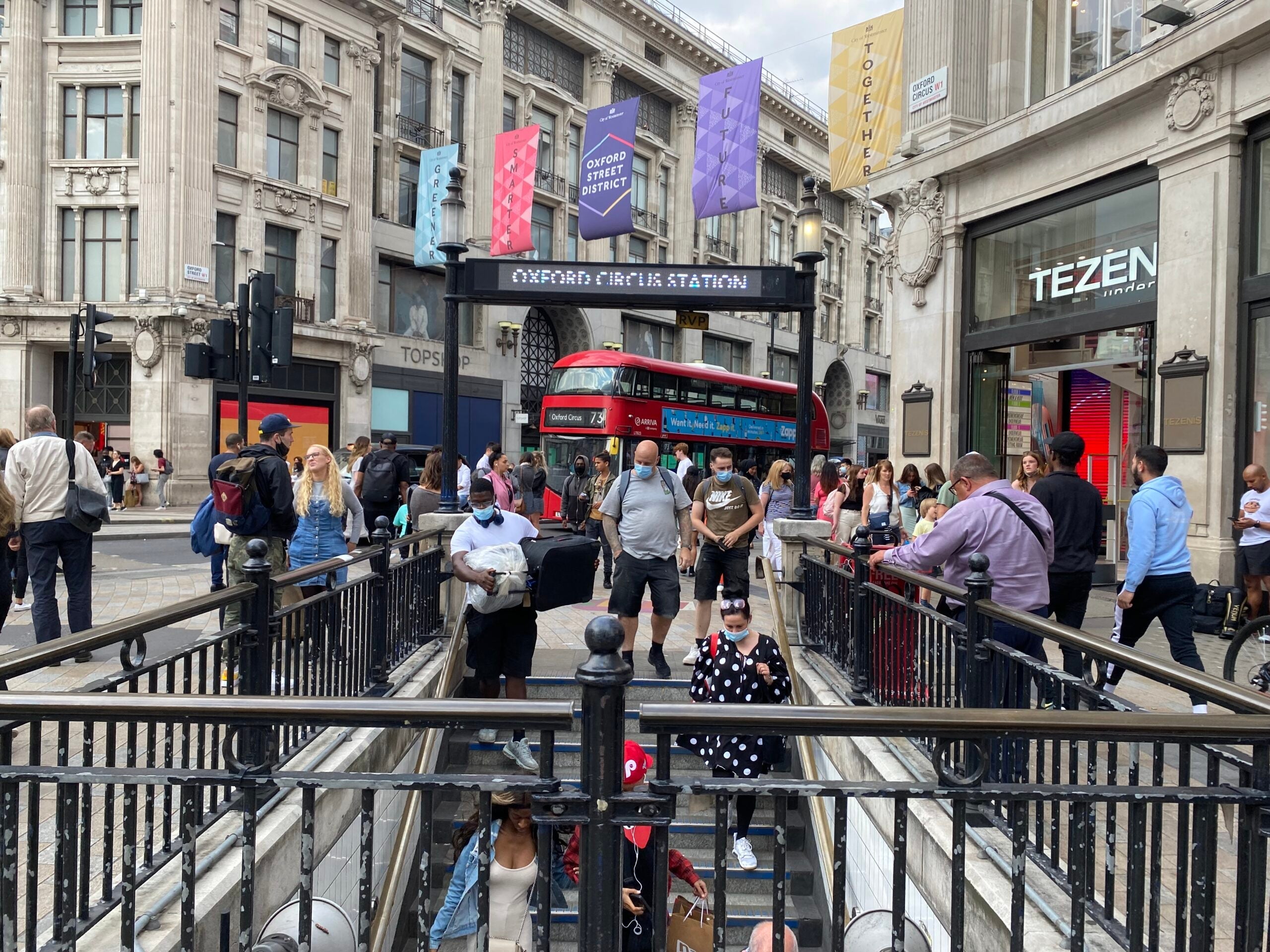
Some customers are exempt from wearing masks, such as children under the age of 11, TfL employees and those for whom wearing a face covering would cause severe distress.

"We've made it still a requirement on TfL services, made it a condition of carriage," a TfL spokesperson told me via phone. "If people refuse and aren't wearing when they should be, they could either be refused entry or removed from service."
Overall, the TfL spokesperson told me they're seeing approximately 86% of riders following the mask mandate, which is now a condition of carriage.
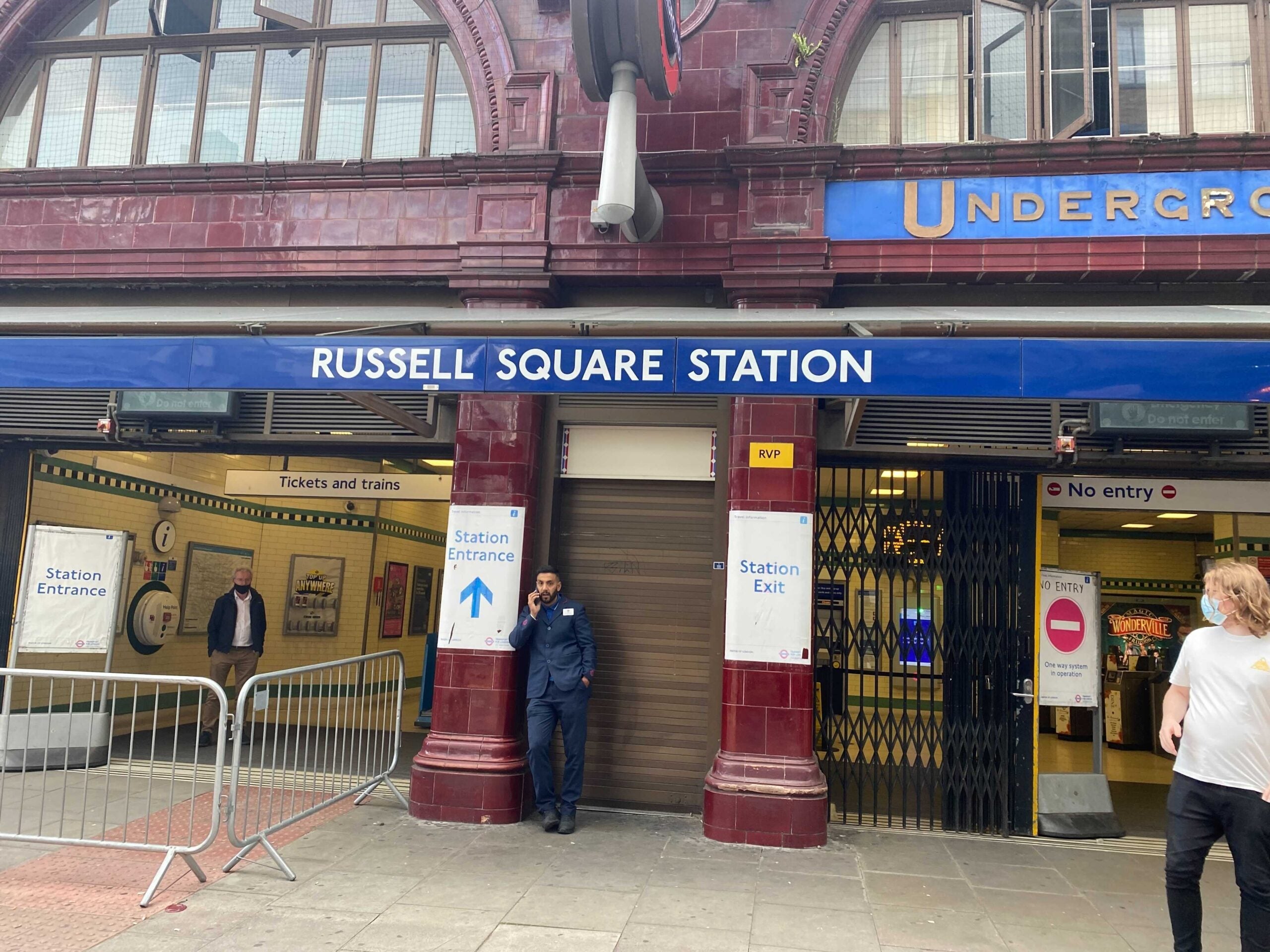
Even at grocery stores, where masks are still recommended, I observed mask compliance to be about 50-50 among employees and shoppers across the three supermarkets I visited.
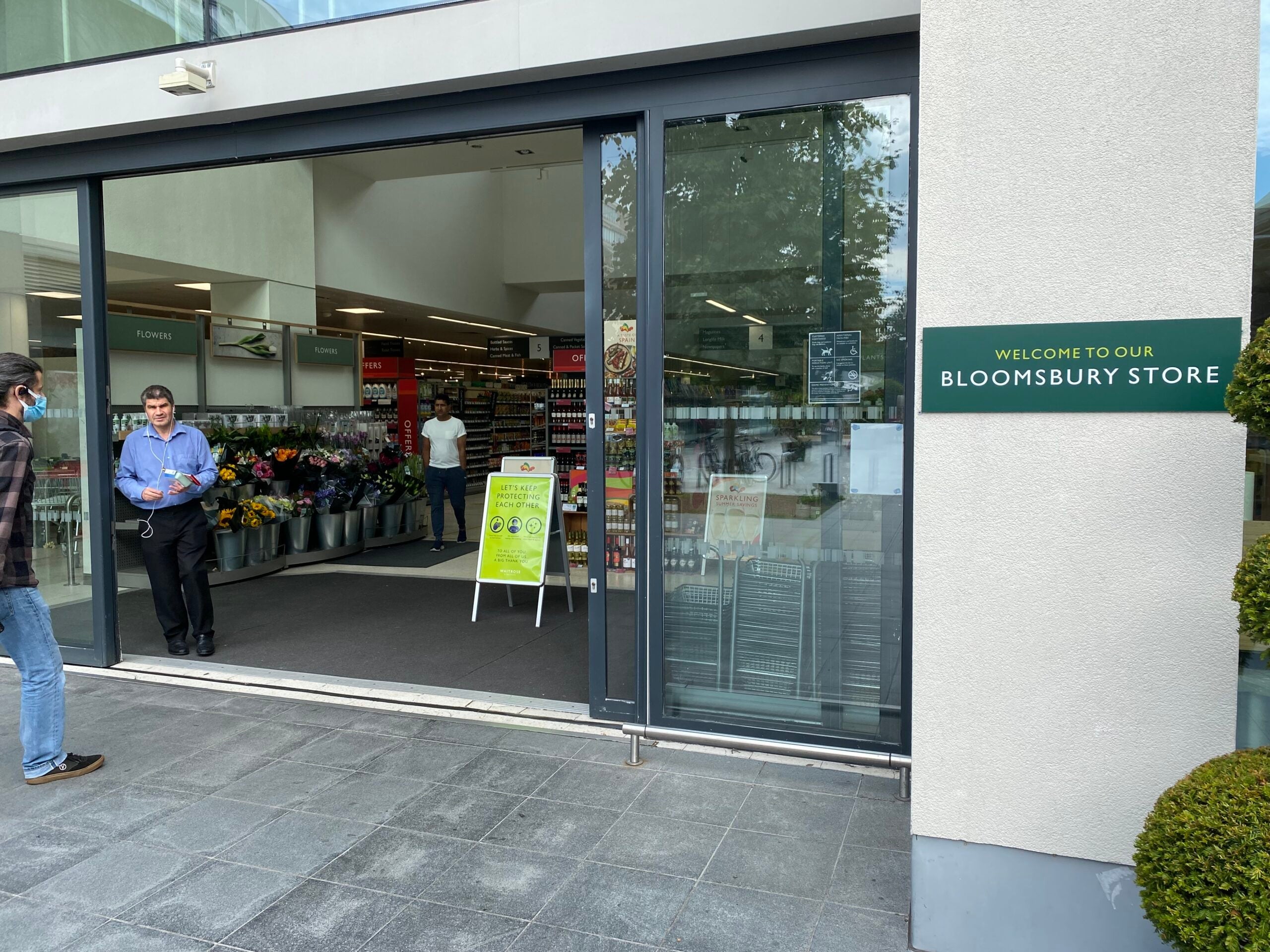
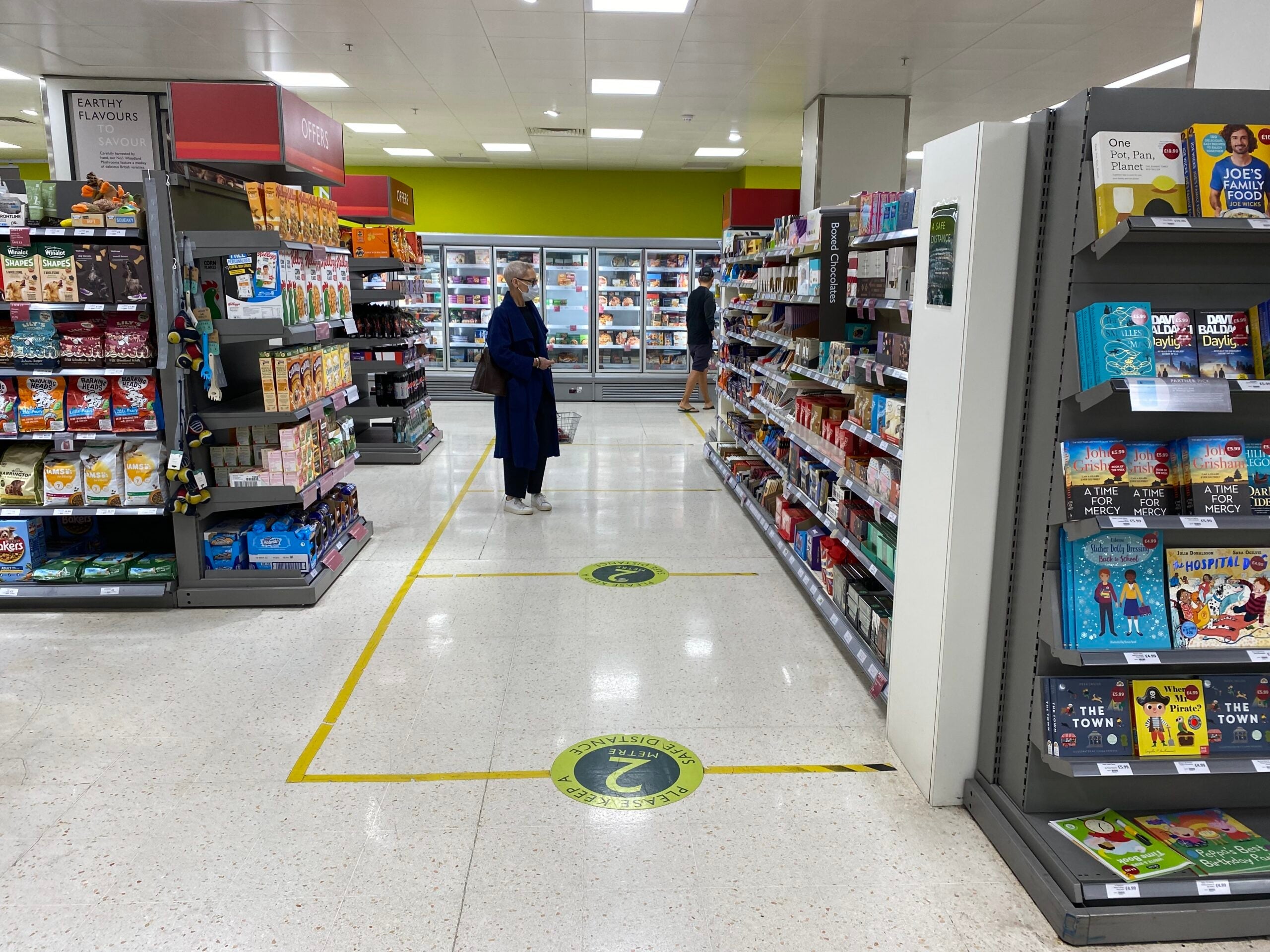
Beyond masks, I noticed social distancing reminders on the floor at Waitrose, pictured below.
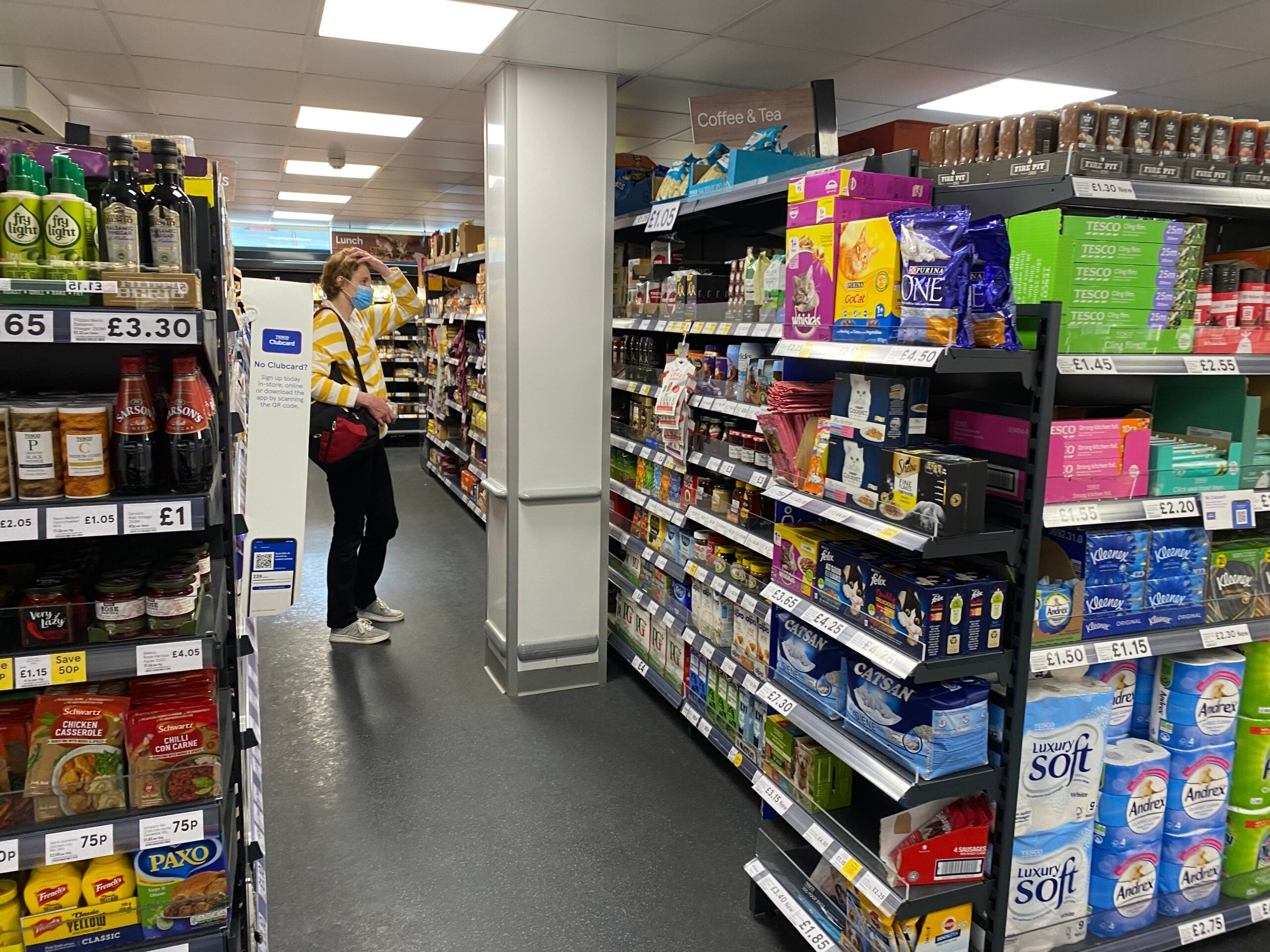
At Tesco Express, a smaller grocery store, most people were wearing masks.
"Mask-wearing in supermarkets still seems very uncertain. Some supermarkets I have been in since Freedom Day arrived have had almost no staff or customers wearing masks, while others are the opposite," said my colleague Ben Smithson, TPG UK's senior editor in London. "I feel a bit strange wearing a mask in a supermarket where nobody else is, equally I feel a bit awkward if I'm the only one not wearing a mask. I imagine people will choose supermarkets based on their personal mask-wearing approach."
Everywhere else, people appear to be making up for lost time, filling up bars, pubs, restaurants and nightclubs; all are open at full capacity, no masks required.
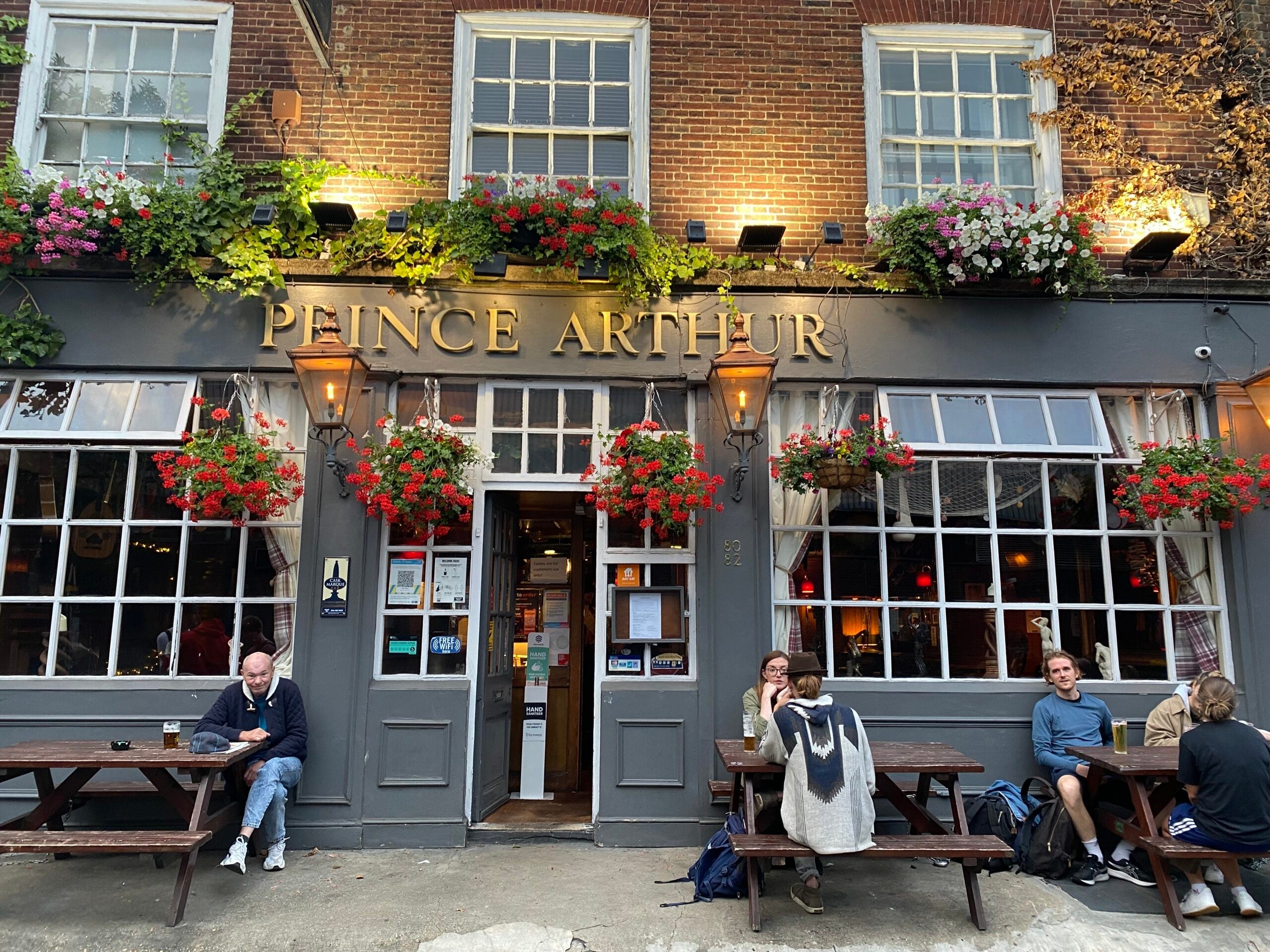
"Pubs are completely back to normal though, which is wonderful," says Smithson. "For the first time during the pandemic, you can walk in without a reservation, go up to the bar and order a pint, which is a quintessentially British thing to do."
In the two weeks since restrictions were lifted, the number of new COVID-19 cases has continued to fall, from 24,425 cases the week of July 24-30, down from 33,100 cases the previous week.
TPG featured card
at American Express's secure site
Terms & restrictions apply. See rates & fees.
| 4X | Earn 4X Membership Rewards® points per dollar spent on purchases at restaurants worldwide, on up to $50,000 in purchases per calendar year, then 1X points for the rest of the year. |
| 4X | Earn 4X Membership Rewards® points per dollar spent at US supermarkets, on up to $25,000 in purchases per calendar year, then 1X points for the rest of the year. |
| 5X | Earn 5X Membership Rewards® points on prepaid hotel stays booked through AmexTravel.com or the Amex Travel App™. |
| 3X | Earn 3X Membership Rewards® points on flights booked through AmexTravel.com, the Amex Travel App™, or purchased directly from airlines. |
| 2X | Earn 2X Membership Rewards® points on prepaid car rentals booked through AmexTravel.com or the Amex Travel App™ and cruises booked and paid through AmexTravel.com. |
| 1X | Earn 1X Membership Rewards® point per dollar spent on all other eligible purchases. |
Pros
- Valuable dining and food-related credits
- Flexible rewards with airline and hotel transfer partners
- Multiple travel and purchase protections
- No foreign transaction fees
- Access to Amex Offers for additional savings (enrollment required)
Cons
- Not as useful for those living outside the U.S.
- Some may have trouble using Uber and other dining credits
- You may be eligible for as high as 100,000 Membership Rewards® Points after you spend $8,000 in eligible purchases on your new Card in your first 6 months of Card Membership. Welcome offers vary and you may not be eligible for an offer. Apply to know if you’re approved and find out your exact welcome offer amount – all with no credit score impact. If you’re approved and choose to accept the Card, your score may be impacted.
- Earn 4X Membership Rewards® points per dollar spent on purchases at restaurants worldwide, on up to $50,000 in purchases per calendar year, then 1X points for the rest of the year.
- Earn 4X Membership Rewards® points per dollar spent at US supermarkets, on up to $25,000 in purchases per calendar year, then 1X points for the rest of the year.
- Earn 5X Membership Rewards® points on prepaid hotel stays booked through AmexTravel.com or the Amex Travel App™.
- Earn 3X Membership Rewards® points on flights booked through AmexTravel.com, the Amex Travel App™, or purchased directly from airlines.
- Earn 2X Membership Rewards® points on prepaid car rentals booked through AmexTravel.com or the Amex Travel App™ and cruises booked and paid through AmexTravel.com.
- Earn 1X Membership Rewards® point per dollar spent on all other eligible purchases.
- Pay It® lets you tap in the American Express® App to quickly pay for small purchase amounts throughout the month and still earn rewards the way you usually do. Plan It® gives you the option to split up big purchases into equal monthly payments with a fixed fee. You’ll know upfront exactly how much you’ll pay.
- $120 Dining Credit: Earn up to a total of $10 in statement credits monthly when you pay with the Gold Card at Grubhub (including Seamless), Buffalo Wild Wings, Five Guys, The Cheesecake Factory, and Wonder. This can be an annual savings of up to $120. Enrollment required.
- $100 Resy Credit: Get up to $100 in statement credits each calendar year at over 10,000 qualifying U.S. Resy restaurants after you pay for eligible purchases with the American Express® Gold Card. That’s up to $50 in statement credits semi-annually. Enrollment required.
- $84 Dunkin' Credit: Earn up to $7 in monthly statement credits after you pay with the American Express® Gold Card at U.S. Dunkin’ locations. Enrollment required.
- $120 Uber Cash on Gold: Enjoy up to $120 in Uber Cash annually with your Gold Card. Just add your Card to your Uber account and you'll get $10 in Uber Cash each month to use on orders and rides in the U.S. when you select an Amex Card for your transaction.
- Enjoy complimentary Hertz Five Star® Status benefits like skipping the counter at select locations, adding an additional driver at no additional cost*, and vehicle upgrades**. Benefit enrollment and Hertz Gold+ registration are required. *Additional drivers must meet standard rental qualifications and must be a spouse or domestic partner to qualify as complimentary. Other additional drivers subject to fees. **Benefits are subject to availability and vary by location. Additional Hertz program Terms and Conditions including age restrictions apply.
- Book two nights or more with The Hotel Collection through AmexTravel.com or the Amex Travel App™ and receive a $100* credit towards eligible charges at over 1,400 upscale hotels worldwide. *Eligible charges vary by property.
- Book your travel through the Amex Travel App™ with added peace of mind – backed by American Express® service and support. Only for American Express® Card Members.
- Whenever you need us, we're here. Our Member Services team will ensure you are taken care of. From lost Card replacement to statement questions, we are available to help 24/7.
- No Foreign Transaction Fees.
- Annual Fee is $325.
- Terms Apply.