JetBlue to upgrade Wi-Fi with fast new Amazon-powered satellite service


The first U.S. airline to offer free inflight Wi-Fi to all passengers is giving its on-board service a big upgrade.
JetBlue on Thursday said it will partner with Amazon's Project Kuiper to outfit some of its planes with faster connectivity powered by low-Earth-orbit satellites.
The move will give JetBlue high-speed on-board internet that uses similar satellite technology to Starlink — the high-speed service that's currently available (or soon to be available) on a growing list of U.S. airlines, from United Airlines to Hawaiian Airlines and Alaska Airlines.
Passengers on planes equipped with the new technology should be able to work, stream shows and YouTube videos, or perform essentially any other online function they would at home.
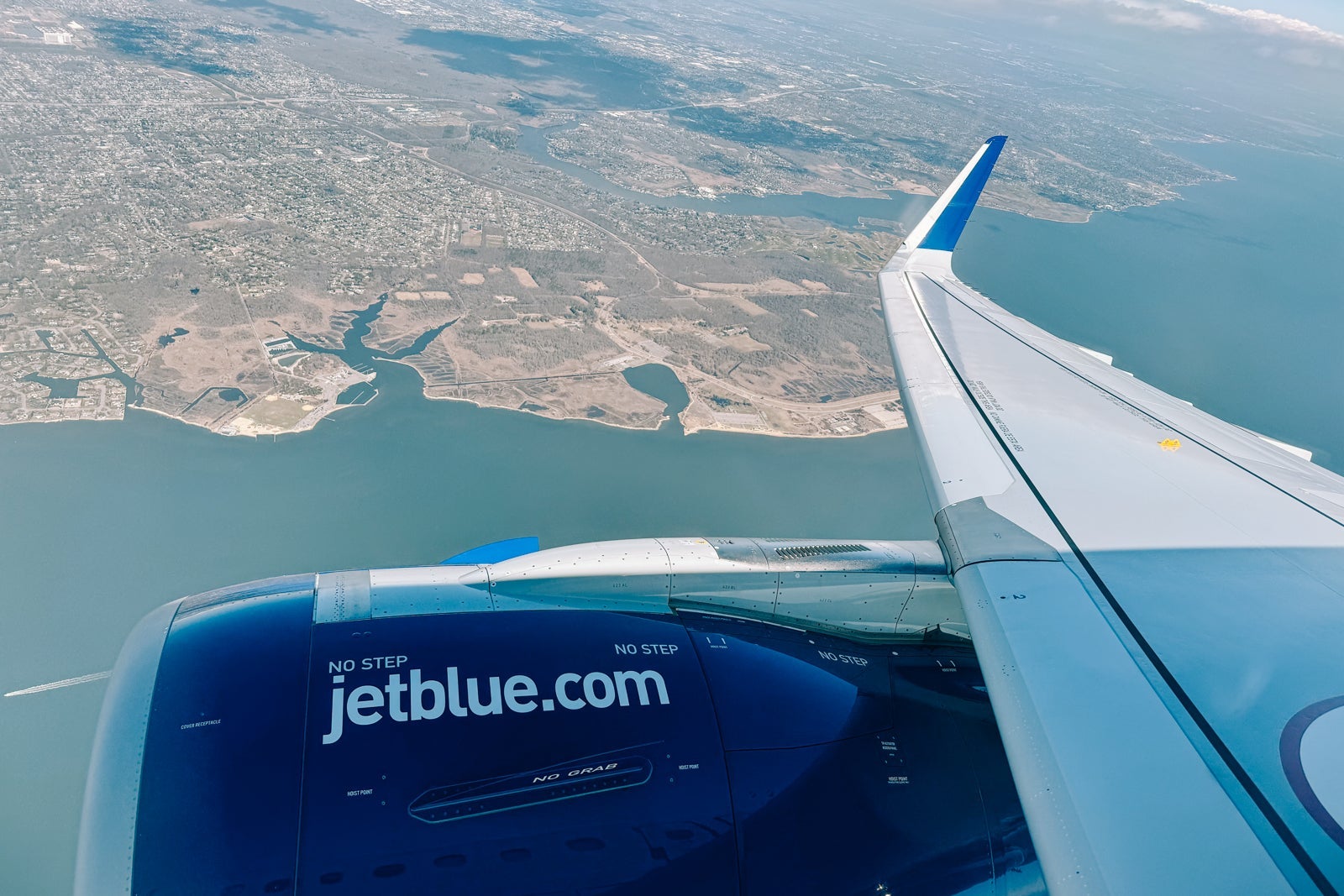
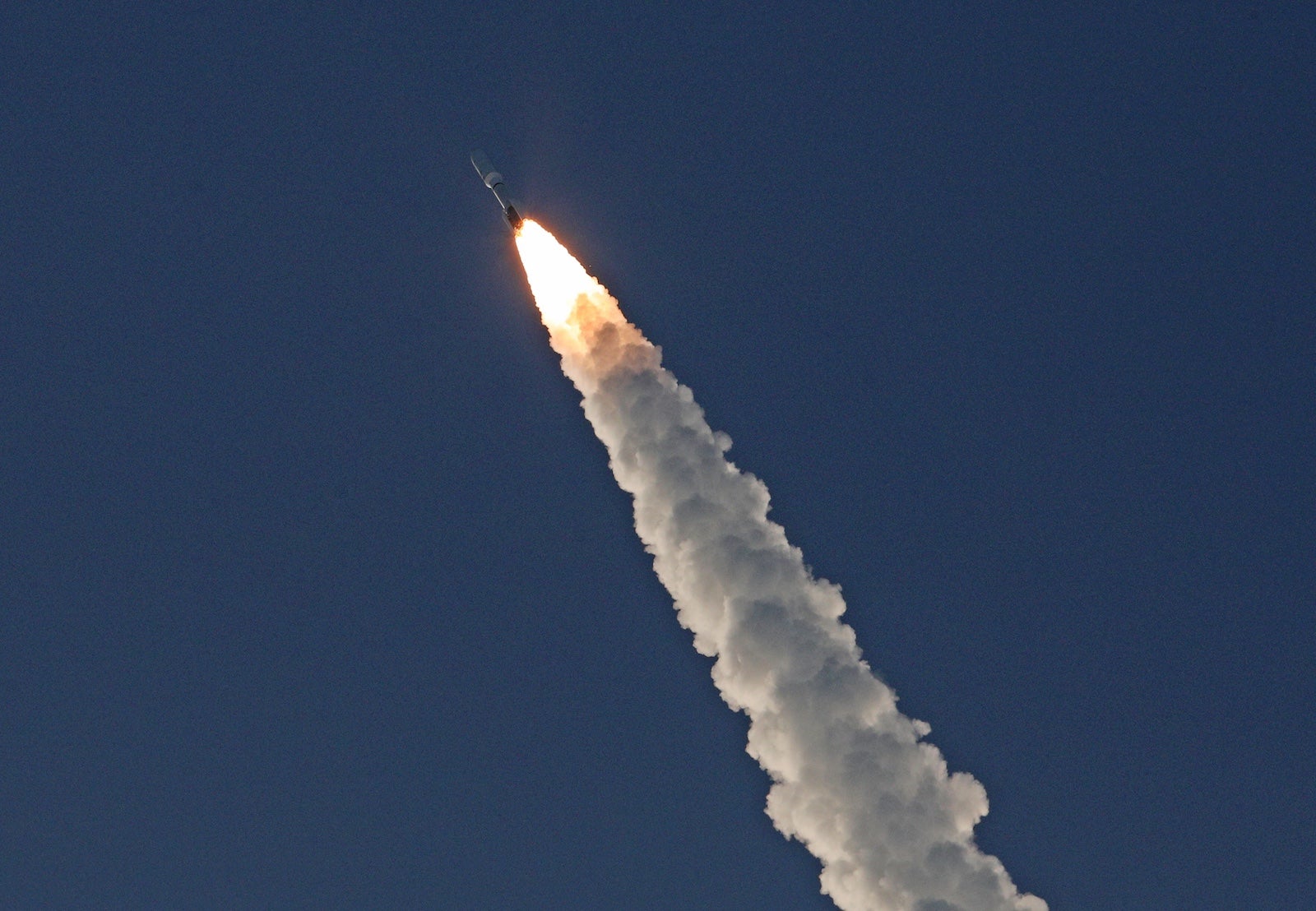
The New York-based carrier will be the first airline in the world to sign on to Amazon's new Project Kuiper broadband network, a $10 billion investment that has the company deploying thousands of satellites into low Earth orbit.
The carrier expects to install the higher-caliber service on roughly a quarter of its fleet beginning in 2027.
"This is not just about faster internet — although, yes, it will definitely be faster," JetBlue president Marty St. George said on a call with reporters. "It's about ensuring our customers have the best connectivity possible."
Installations should wrap up by 2028, St. George said. The carrier does not currently have plans to outfit additional planes with the technology. So, as of now, the plan is that the service will be available on about a quarter of JetBlue aircraft.
JetBlue's 'next evolution' of Fly-Fi
JetBlue first deployed its "Fly-Fi" service in 2013, and offered it free to customers long before complimentary on-board connectivity became a distinct trend across the airline industry.

In recent years, Delta Air Lines, United and Hawaiian have moved to add free on-board Wi-Fi. American Airlines said it will make its service free in 2026, and Alaska just announced it will soon do the same. Southwest Airlines has been testing whether its bandwidth can support making its service free for customers.
JetBlue, for its part, has dubbed its Amazon Wi-Fi tie-up the "next evolution" of its Fly-Fi service, which will remain free to customers, the airline confirmed.
"We were the first to do this. We do have a lot of our competitors trying to jump on the bandwagon," St. George said. "We decided if other people are trying to catch up with what we started in 2013, what are we going to do in the 2020s to stay ahead?"
Snappier service
Like many other airlines, JetBlue's current Wi-Fi service relies on geostationary Earth orbit satellite technology, which provides a wide coverage blanket to planes from high above Earth.
However, the speeds can feel slower to users than those of a service powered by low-Earth-orbit satellites, which form constellations to deliver a snappier browsing experience more reminiscent of surfing the internet at home.
JetBlue said this new Wi-Fi deal "in no way" signifies the end of its tie-up with existing provider Viasat.
Across the industry, airlines (and inflight Wi-Fi providers) are increasingly looking at ways to lean on both geostationary and low-Earth-orbit satellites to offer wide coverage and fast service.
Bottom line
JetBlue sees this Wi-Fi upgrade as part of a larger push to offer new services to passengers — investments that, the airline hopes, will drive customer loyalty and help it return to profitability for the first time since the coronavirus pandemic.
The carrier expects to debut its first airport lounge later this year at New York City's John F. Kennedy International Airport (JFK) and introduce a domestic first-class cabin in 2026. Also included in that "JetForward" plan: Blue Sky, a new partnership with United Airlines.
Related reading:
- When is the best time to book flights for the cheapest airfare?
- The best airline credit cards
- What exactly are airline miles, anyway?
- 6 real-life strategies you can use when your flight is canceled or delayed
- Maximize your airfare: The best credit cards for booking flights
- The best credit cards to reach elite status
- What are points and miles worth? TPG's monthly valuations
TPG featured card

at Capital One's secure site
Terms & restrictions apply. See rates & fees.
| 5X miles | Earn 5X miles on hotels, vacation rentals and rental cars booked through Capital One Travel |
| 2X miles | Earn unlimited 2X miles on every purchase, every day |
Pros
- Stellar welcome offer of 75,000 miles after spending $4,000 on purchases in the first three months from account opening. Plus, a $250 Capital One Travel credit to use in your first cardholder year upon account opening.
- You'll earn 2 miles per dollar on every purchase, which means you won't have to worry about memorizing bonus categories
- Rewards are versatile and can be redeemed for a statement credit or transferred to Capital One’s transfer partners
Cons
- Highest bonus-earning categories only on travel booked via Capital One Travel
- LIMITED-TIME OFFER: Enjoy $250 to use on Capital One Travel in your first cardholder year, plus earn 75,000 bonus miles once you spend $4,000 on purchases within the first 3 months from account opening - that’s equal to $1,000 in travel
- Earn unlimited 2X miles on every purchase, every day
- Earn 5X miles on hotels, vacation rentals and rental cars booked through Capital One Travel
- Miles won't expire for the life of the account and there's no limit to how many you can earn
- Receive up to a $120 credit for Global Entry or TSA PreCheck®
- Use your miles to get reimbursed for any travel purchase—or redeem by booking a trip through Capital One Travel
- Enjoy a $50 experience credit and other premium benefits with every hotel and vacation rental booked from the Lifestyle Collection
- Transfer your miles to your choice of 15+ travel loyalty programs
- Top rated mobile app