JetBlue cuts 8 routes, exits 1 market in big network shift

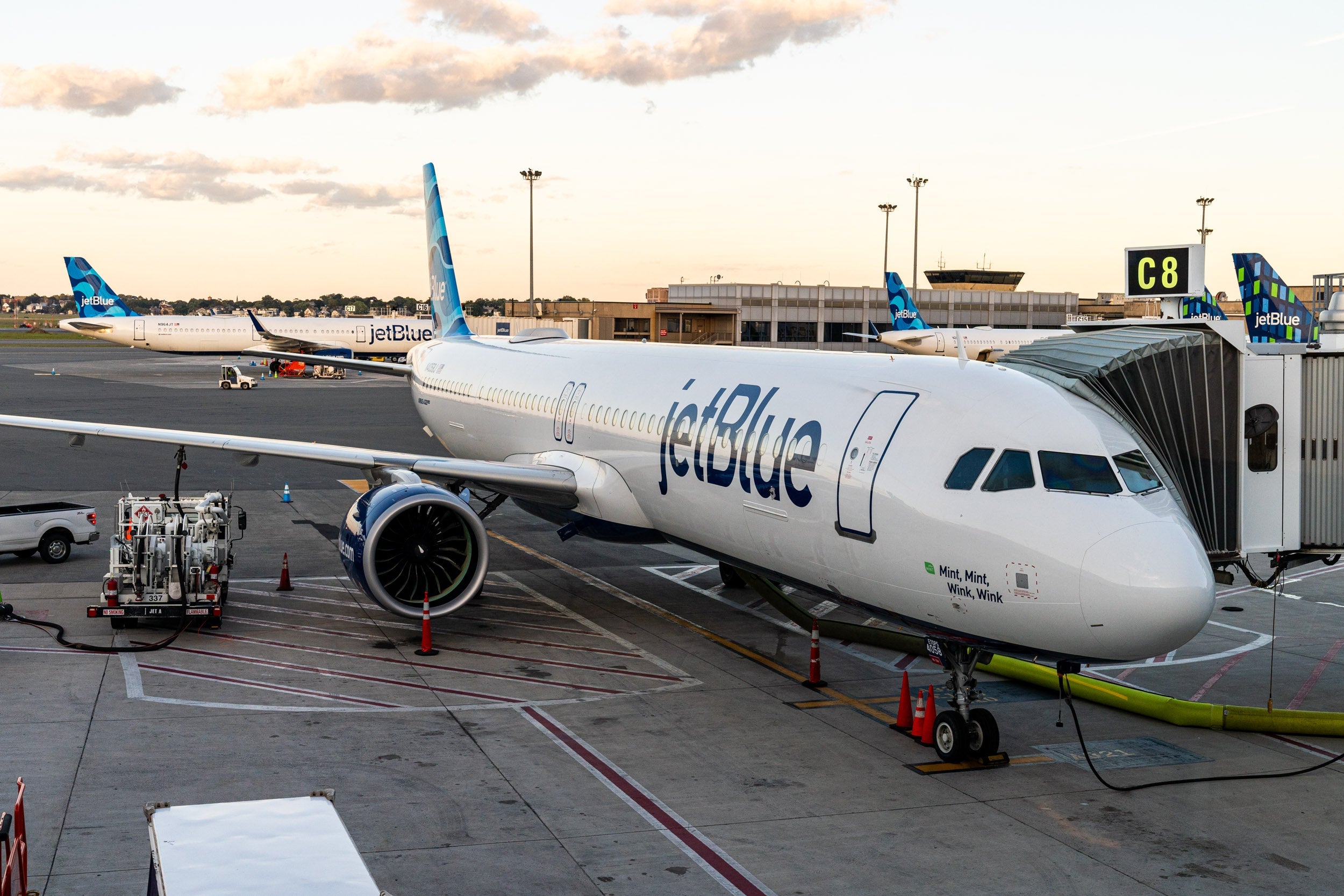
JetBlue Airways is working to return to profitability.
The New York-based carrier's latest move slashes eight high-profile routes amid a broader network shake-up, as first seen in Cirium schedules and later confirmed by a carrier spokesperson.
The affected routes that will be cut are:
- Boston-San Jose, California
- Fort Lauderdale-Jacksonville, Florida
- New York-Austin
- New York-Houston
- New York-London
- New York-Miami
- New York-Milwaukee
- Westchester County, New York-Charleston, South Carolina
Value check: Are airline credit cards worth it anymore?
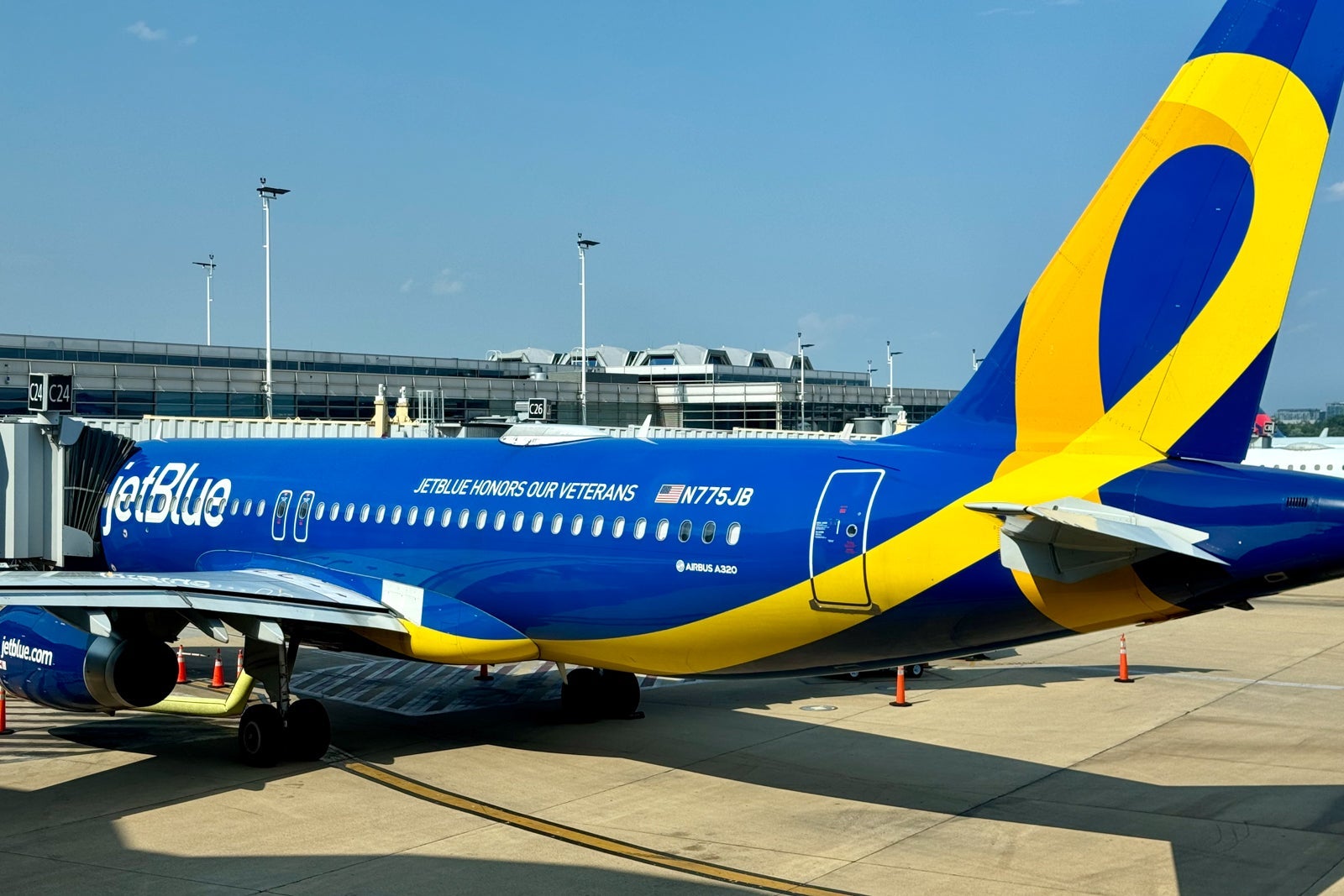
In addition to the aforementioned cuts, JetBlue will cease flying several routes during the summer season. These include Boston to Grenada and to Phoenix, as well as New York to Tulum.
Furthermore, JetBlue will pull its Mint-equipped Airbus A321 from its transcon routes from New York and Boston to Seattle. The airline didn't file any new routes for its jets with a business-class cabin, so it remains to be seen if JetBlue has other plans for these airplanes.
Of all the routes, just one represents a permanent station exit: San Jose. Without JetBlue service to Boston from San Jose, travelers in Silicon Valley will need to either trek up to San Francisco or connect somewhere along the way.
Another noteworthy change is eliminating flights between New York's John F. Kennedy International Airport (JFK) and London's Gatwick Airport (LGW). Furthermore, JetBlue will axe one of its daily flights between New York and Paris this summer.

When to go: These are the best times to buy an international flight
These routes launched as part of JetBlue's transatlantic expansion, which has since been pared back to just the highest-performing routes.
All of these network changes are part of JetBlue's JetForward plan, which is being enacted under new leadership from CEO Joanna Geraghty.
Former CEO Robin Hayes was ultimately responsible for much of the aforementioned growth, especially some of the poor-performing transatlantic expansion that's now being cut.
The JetForward strategy is meant to return the carrier to profitability for the first time since before the pandemic. As part of the plan, the airline is redeploying about 20% of its flying to more profitable pastures. (JetBlue's plan is to boost service from the Northeast, where it has long been among the biggest carriers.)
The airline shared the following explanation in a statement:
As part of our JetForward strategic plan, JetBlue is focused on building a network that best serves our customers and supports our long-term success. Recently, we made some network adjustments in certain markets, removing some underperforming flying from our schedule, allowing us to redeploy resources, including our popular Mint service, toward high-demand markets and new opportunities. In the coming weeks, we will announce how we will redeploy this capacity, including into our European network, providing even more travel options for our customers.
JetBlue has already announced two major network shake-ups this year alone, including several station exits and a large number of route cuts.
At some point, JetBlue will need to start redrawing its route map with new routes, and the airline confirms that the process will start in the coming weeks.
Earlier this year, JetBlue began flying to Long Island MacArthur Airport (ISP) and New Hampshire's Manchester-Boston Regional Airport (MHT) — two new dots on the route map that seem to be performing well.
"I feel great about the stuff we've added. Manchester, Islip, as far as new cities, both are looking extremely well. I think it really comes back to the core of the strength that this brand has in the Northeast corner of the U.S.," said Marty St. George, JetBlue's president, at the Skift Aviation Forum last month.
Related reading:
- When is the best time to book flights for the cheapest airfare?
- The best airline credit cards
- What exactly are airline miles, anyway?
- 6 real-life strategies you can use when your flight is canceled or delayed
- Maximize your airfare: The best credit cards for booking flights
- The best credit cards to reach elite status
- What are points and miles worth? TPG's monthly valuations
TPG featured card

at Capital One's secure site
Terms & restrictions apply. See rates & fees.
| 5X miles | Earn 5X miles on hotels, vacation rentals and rental cars booked through Capital One Travel |
| 2X miles | Earn unlimited 2X miles on every purchase, every day |
Pros
- Stellar welcome offer of 75,000 miles after spending $4,000 on purchases in the first three months from account opening. Plus, a $250 Capital One Travel credit to use in your first cardholder year upon account opening.
- You'll earn 2 miles per dollar on every purchase, which means you won't have to worry about memorizing bonus categories
- Rewards are versatile and can be redeemed for a statement credit or transferred to Capital One’s transfer partners
Cons
- Highest bonus-earning categories only on travel booked via Capital One Travel
- LIMITED-TIME OFFER: Enjoy $250 to use on Capital One Travel in your first cardholder year, plus earn 75,000 bonus miles once you spend $4,000 on purchases within the first 3 months from account opening - that’s equal to $1,000 in travel
- Earn unlimited 2X miles on every purchase, every day
- Earn 5X miles on hotels, vacation rentals and rental cars booked through Capital One Travel
- Miles won't expire for the life of the account and there's no limit to how many you can earn
- Receive up to a $120 credit for Global Entry or TSA PreCheck®
- Use your miles to get reimbursed for any travel purchase—or redeem by booking a trip through Capital One Travel
- Enjoy a $50 experience credit and other premium benefits with every hotel and vacation rental booked from the Lifestyle Collection
- Transfer your miles to your choice of 15+ travel loyalty programs
- Top rated mobile app