In Memphis, the National Civil Rights Museum honors a tragedy — and highlights an icon of Mid-century travel

Editor's Note
Graceland, Beale Street and barbecue. They form the holy trinity of any trip to Memphis. But amidst -all the music, neon-lit nightlife, and a food scene rife with both unforgettable classics and exciting new restaurants, there is another must-see sight here.
The National Civil Rights Museum, situated downtown just a few blocks from the banks of the Mississippi, is more than just a collection of exhibits that harken back to another time. It is situated in what was formerly the Lorraine Motel, the place where Dr. Martin Luther King, Jr. was assassinated on April 4, 1968, on the balcony outside of his room.
The building stands as a monument to his memory, and the long struggle for the equal rights of Black Americans. It is also an icon of travel history and Mid-century style, and an homage to the joy and freedom of hitting the road.
As TPG commemorates King's birthday, let's take a look at this incredible museum and memorial site.
What you'll see on an in-person visit
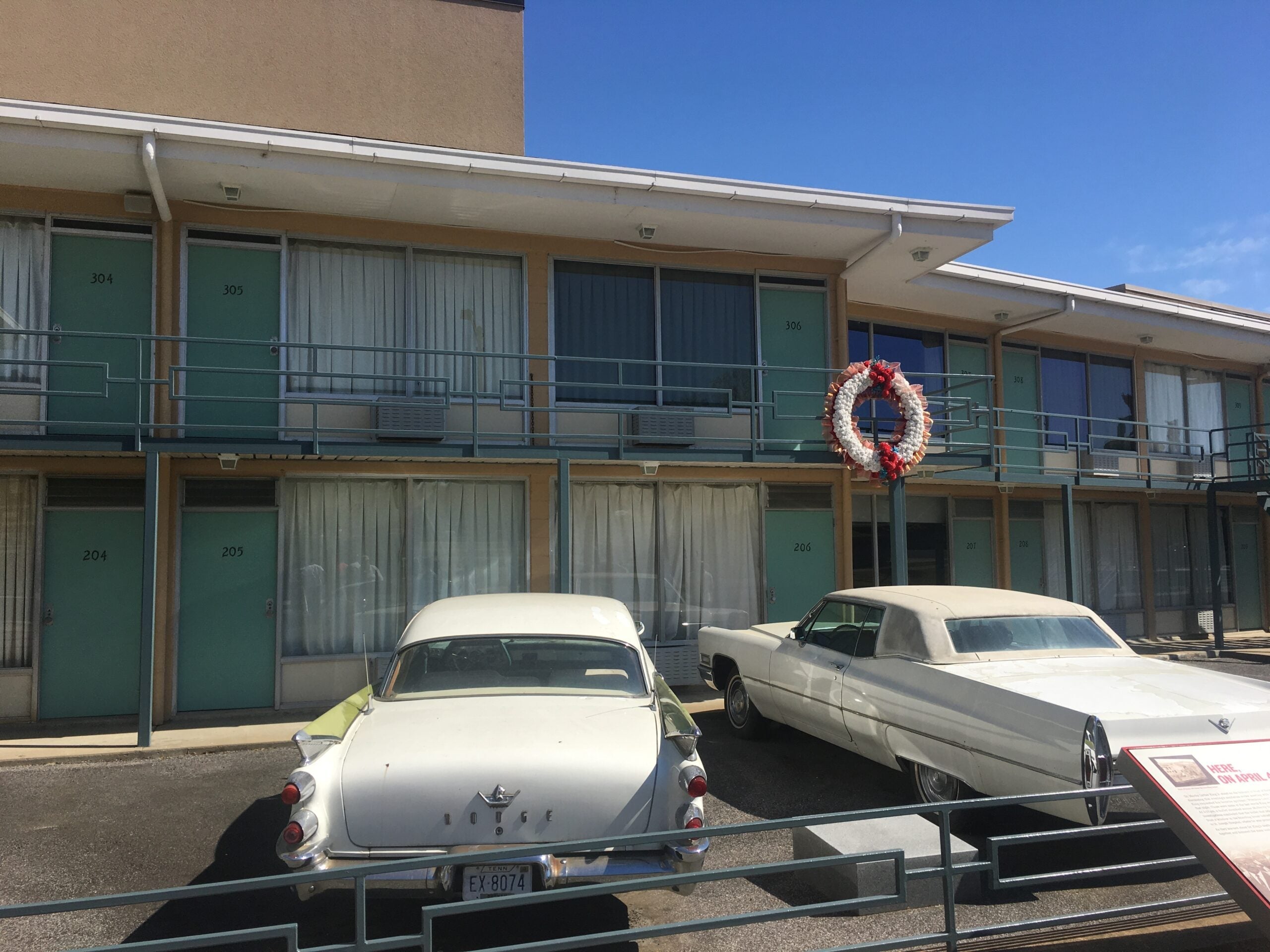
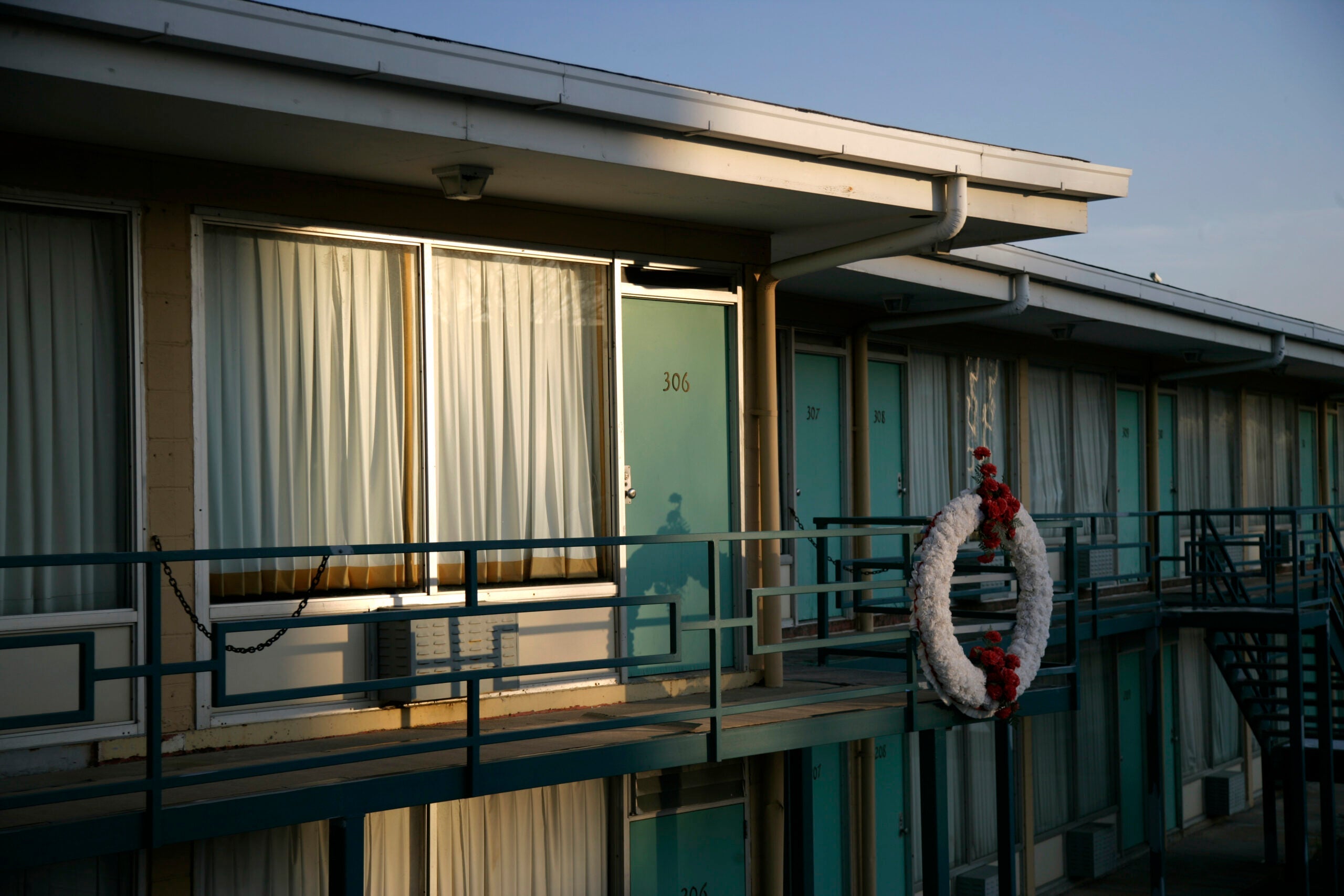
As you approach the National Civil Rights Museum, you'll feel like you've stepped out of time. The facade of the Lorraine Motel is intact, and looks very much today like it would have shortly after King's assassination. The motel's geometric neon sign still flickers on each night, and a line of vintage cars parked out front show visitors what the property would have looked like in its heyday when it hosted not just King, but a long list of Black celebrities. A wreath on the balcony marks the spot where King was killed, but also harkens back to the memorial of wreaths and flowers that mourners laid in the following days.
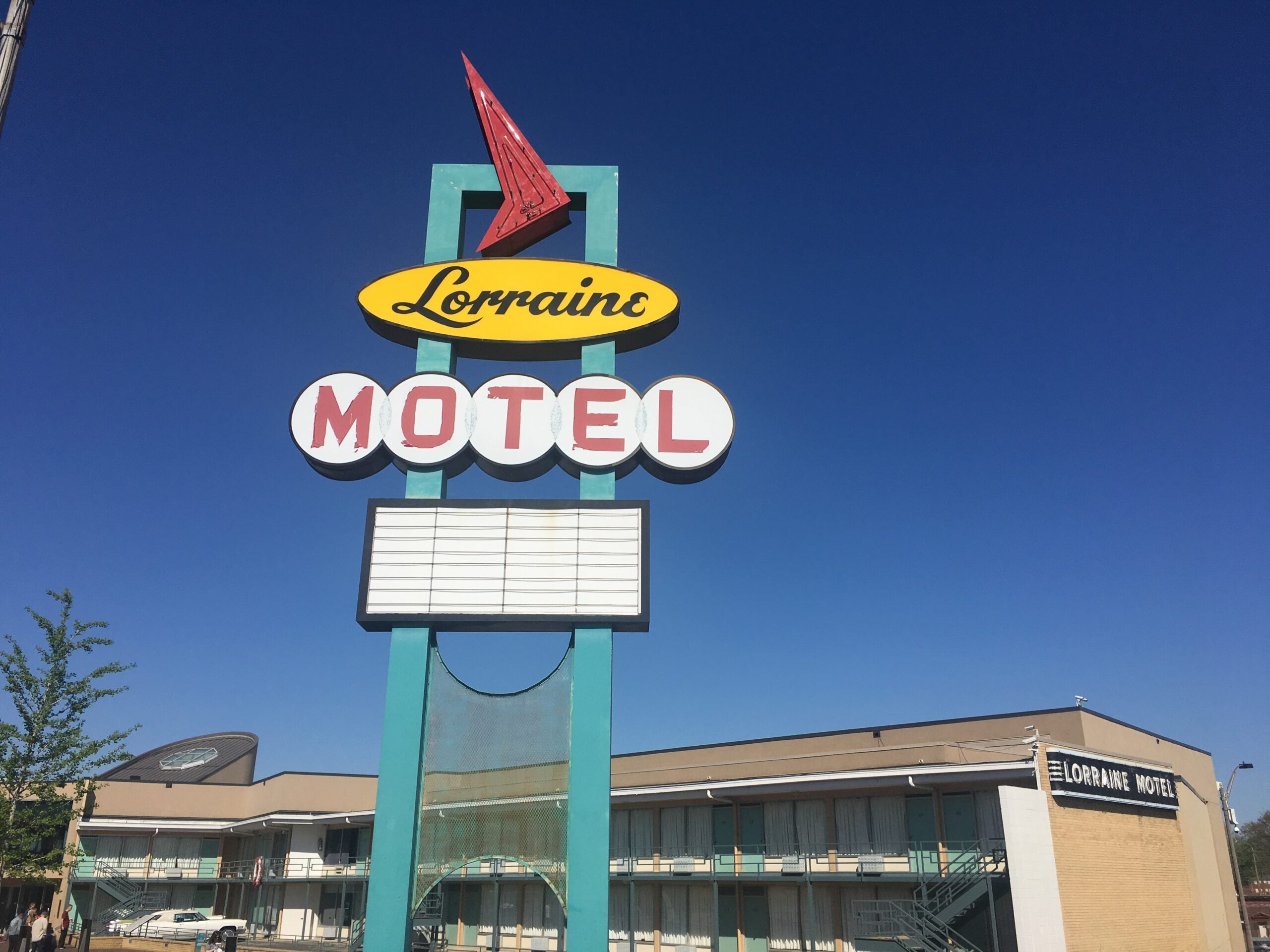
"We're not just a museum. We're a place where history happened. There is something that happens when you come on this campus, when you see the balcony of room 306 and what sacrifices were made, and what good work regular people did to create change in this country," says Dr. Noelle Trent, the museum's Director of Interpretation, Collections and Education.
It was after King's assassination that the hotel's owner, Walter Bailey, decided to leave room 306, where King was staying, vacant as a memorial to the slain civil rights leader. The adjacent room, 307, was also left empty to honor Bailey's wife Loree, who suffered a stroke just a few hours after King's assassination, and died five days later.
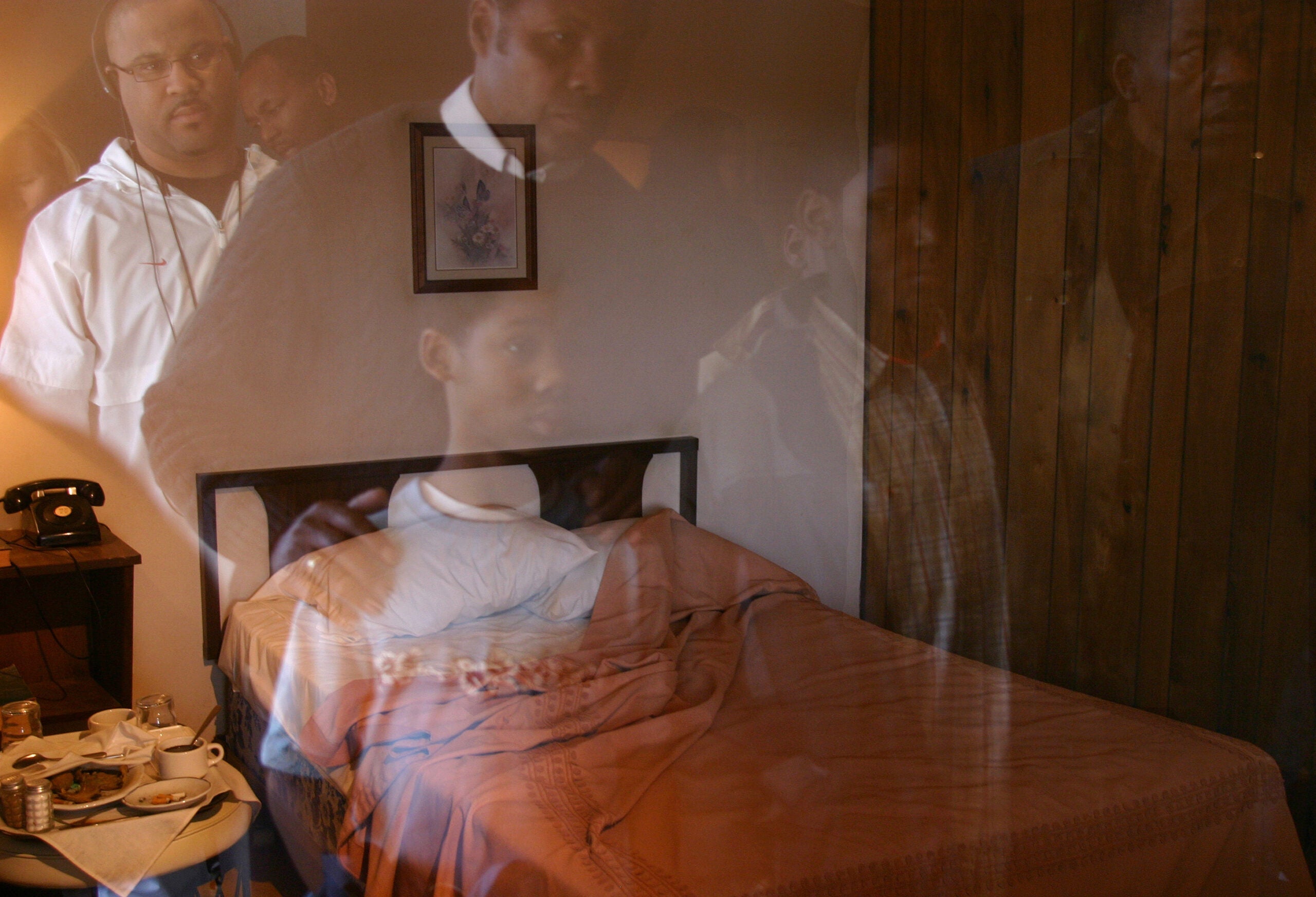
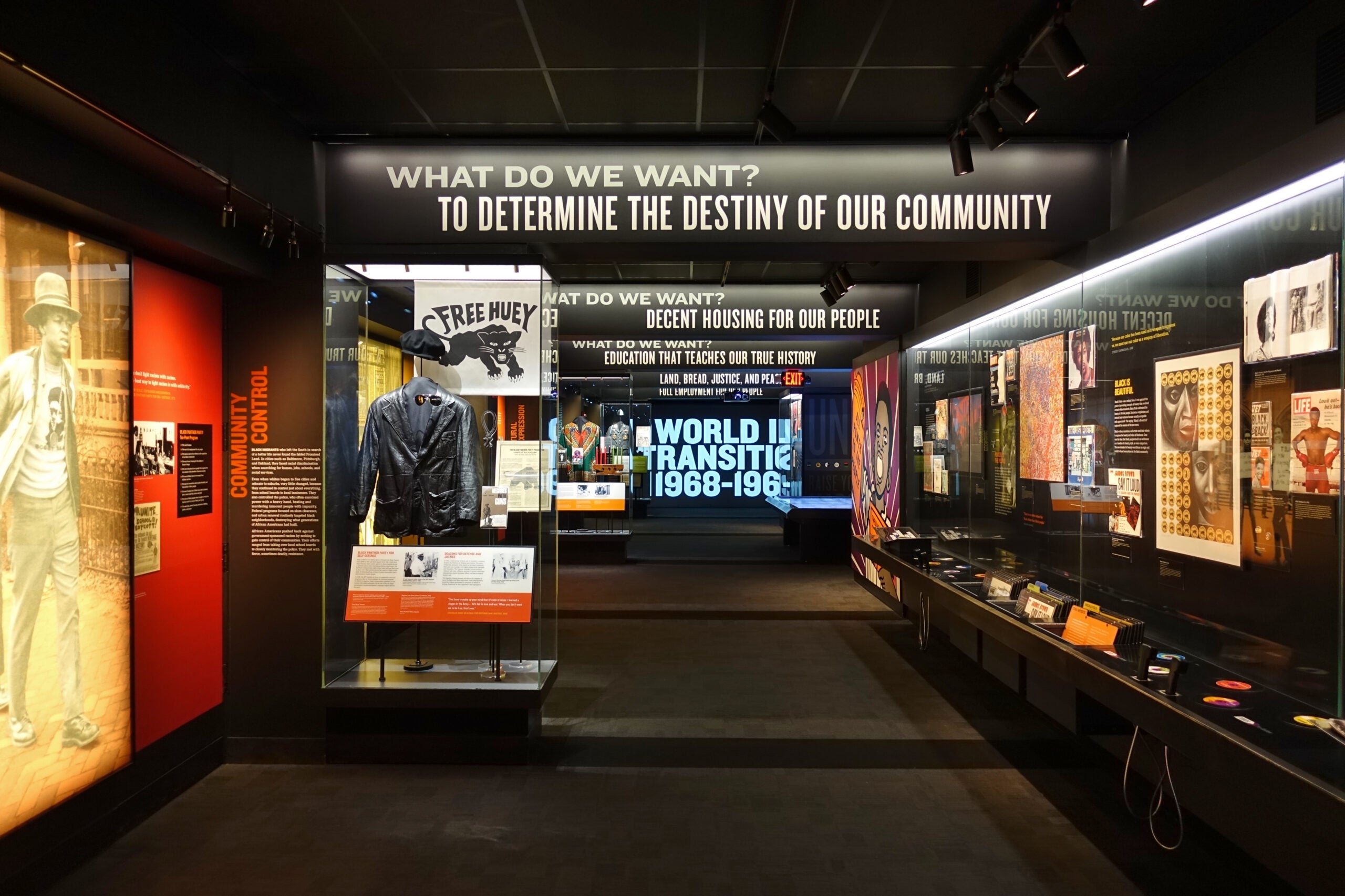
The interior of the Lorraine Motel is now the museum, and exhibit spaces cover the earliest days of Black slavery in North America, through reconstruction and the civil rights movement of the 1960s, to the challenges that continue to face Black Americans today. The interior of room 306 has been reconstructed to look exactly as it would have on the morning of King's assassination. A newspaper sits on the bed. A room service breakfast has been laid out, complete with an open milk carton. A full ashtray sits beside it. The effect is eerie and arresting — and creates the impression that King has just stepped out of the room and onto the balcony.

A second building across the street, formerly a boarding house, is dedicated exclusively to the King assassination and delves into the event in detail. It was from here that James Early Ray is thought to have fired the fatal shots. Like the Lorraine Motel, some rooms in this building are preserved to show how they would have looked on that April morning in 1968. In the adjacent galleries, exhaustive timelines detail the progress of the investigation, while cases display a set of riveting artifacts — including the rifle that was used in the assassination.
When I visited the museum in 2018, I planned to spend an hour or two here. I stayed nearly the entire day.
Important travel history within its walls
In the years before the King assassination, the Lorraine Motel was famous in its own right. Black-owned, upscale and situated near the legendary Stax Records — the label that recorded Aretha Franklin, Otis Redding and Wilson Pickett — it was a magnet for Black celebrities that traveled through Memphis. Baseball players Jackie Robinson and Satchel Paige stayed here, and Wilson Pickett's song "The Midnight Hour," and Eddie Floyd's "Knock on Wood" were both written within its walls.
"This is a place that had a lot of energy to it," says Trent. "That story gets lost in the story about the assassination. It was a tragic moment, but before that, this hotel hosted a community and a culture. It was one of the few hotels in the city of Memphis that allowed integrated groups to stay."
It wasn't uncommon in those days, she says, to see Isaac Hayes and Booker T. and the MGs hanging out by the pool. By 1964, the property had air conditioning — an important amenity in a city known for searing summer heat and soupy humidity.
The motel's popularity was cemented by its listing in the Negro Motorist Green Guide in the 1950s. This guide, published annually from 1936-1966 listed safe and high-quality places for Black Americans to stay and eat as they road-tripped throughout the country, and even into the Caribbean, Mexico, Canada and Bermuda.
It was the era of the automobile and the beginning of hotel/motel chains like the Holiday Inn, which was also founded in Memphis in 1952. But it was also the era of Jim Crow laws and racial segregation in the American South, and less concretely defined racism and exclusion in other parts of the United States. The Green Guide paved a safe path, but also highlighted the best places to visit, entry times and fees and directed readers to nearby gas stations and even beauty parlors.
The Lorraine Motel is one of the few Green Book-listed sites still in existence.
The National Civil Rights Museum right now
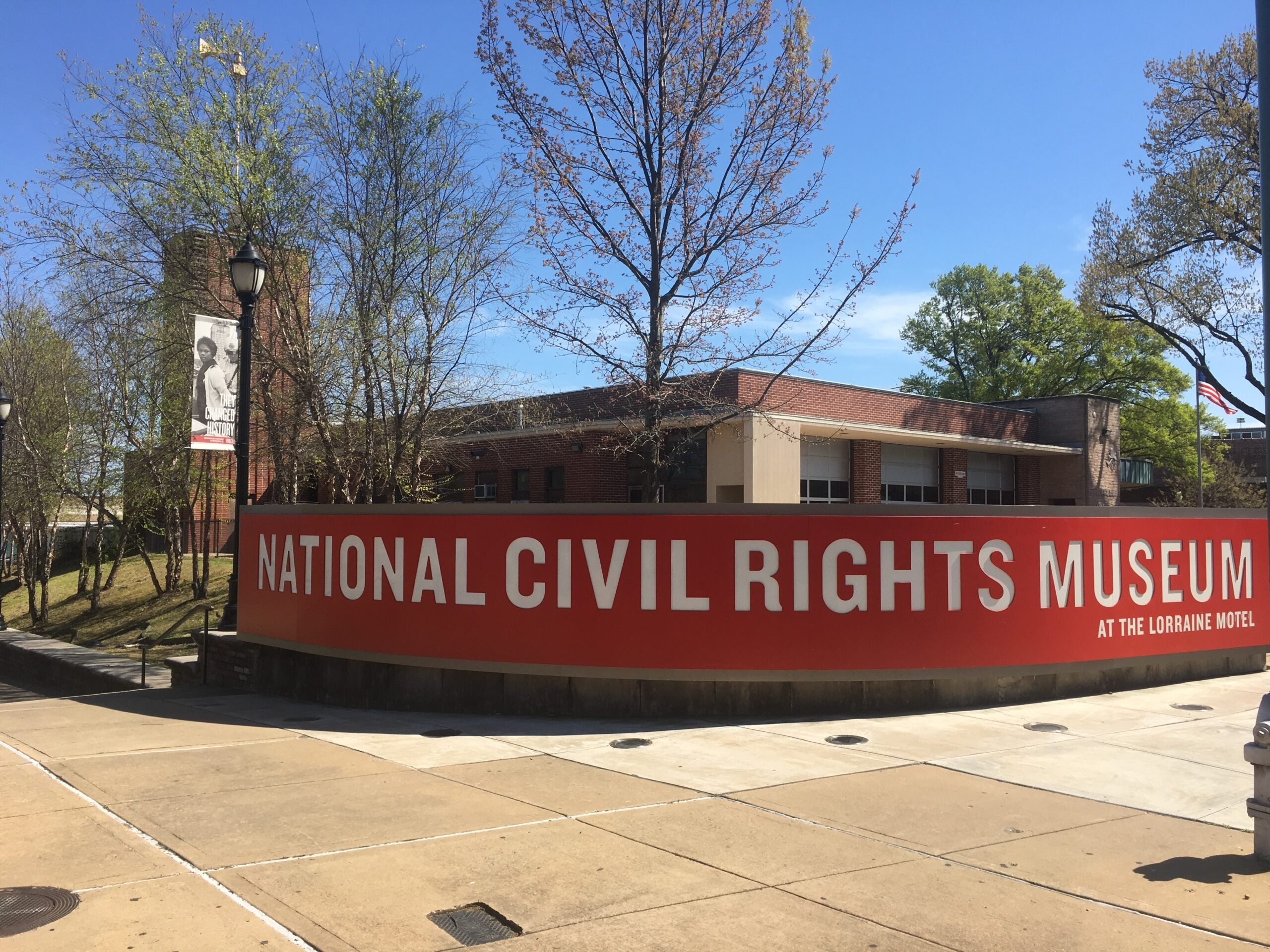
The National Civil Rights Museum is open and visitors are required to wear masks and practice social distancing and safety guidelines. The museum is closed on Tuesdays and Wednesdays.
Dr. Martin Luther King, Jr. Day will be celebrated as a hybrid event on Monday, January 17. There is an in-person event with limited capacity and a virtual presentation from 8:00 a.m. to 6:00 p.m. (CST). The programs will include musical performances and recorded speeches by Dr. King. The event can be streamed for free with registration on the museum's website here or you can visit the museum in person with an online reservation, if available.
TPG featured card
at American Express's secure site
Terms & restrictions apply. See rates & fees.
| 4X | Earn 4X Membership Rewards® points per dollar spent on purchases at restaurants worldwide, on up to $50,000 in purchases per calendar year, then 1X points for the rest of the year. |
| 4X | Earn 4X Membership Rewards® points per dollar spent at US supermarkets, on up to $25,000 in purchases per calendar year, then 1X points for the rest of the year. |
| 5X | New! Earn 5X Membership Rewards® points on prepaid hotel stays booked through AmexTravel.com or the Amex Travel App. |
| 3X | Earn 3X Membership Rewards® points on flights booked through AmexTravel.com, the Amex Travel App, or purchased directly from airlines. |
| 2X | Earn 2X Membership Rewards® points on prepaid car rentals booked through AmexTravel.com or the Amex Travel App and cruises booked and paid through AmexTravel.com. |
| 1X | Earn 1X Membership Rewards® point per dollar spent on all other eligible purchases. |
Pros
- Valuable dining and food-related credits
- Flexible rewards with airline and hotel transfer partners
- Multiple travel and purchase protections
- No foreign transaction fees
- Access to Amex Offers for additional savings (enrollment required)
Cons
- Not as useful for those living outside the U.S.
- Some may have trouble using Uber and other dining credits
- You may be eligible for as high as 100,000 Membership Rewards® Points after you spend $8,000 in eligible purchases on your new Card in your first 6 months of Card Membership. Welcome offers vary and you may not be eligible for an offer. Apply to know if you’re approved and find out your exact welcome offer amount – all with no credit score impact. If you’re approved and choose to accept the Card, your score may be impacted.
- Earn 4X Membership Rewards® points per dollar spent on purchases at restaurants worldwide, on up to $50,000 in purchases per calendar year, then 1X points for the rest of the year.
- Earn 4X Membership Rewards® points per dollar spent at US supermarkets, on up to $25,000 in purchases per calendar year, then 1X points for the rest of the year.
- New! Earn 5X Membership Rewards® points on prepaid hotel stays booked through AmexTravel.com or the Amex Travel App.
- Earn 3X Membership Rewards® points on flights booked through AmexTravel.com, the Amex Travel App, or purchased directly from airlines.
- Earn 2X Membership Rewards® points on prepaid car rentals booked through AmexTravel.com or the Amex Travel App and cruises booked and paid through AmexTravel.com.
- Earn 1X Membership Rewards® point per dollar spent on all other eligible purchases.
- Pay It® lets you tap in the American Express® App to quickly pay for small purchase amounts throughout the month and still earn rewards the way you usually do. Plan It® gives you the option to split up big purchases into equal monthly payments with a fixed fee. You’ll know upfront exactly how much you’ll pay.
- Updated! $120 Dining Credit: Earn up to a total of $10 in statement credits monthly when you pay with the Gold Card at Grubhub (including Seamless), Buffalo Wild Wings, Five Guys, The Cheesecake Factory, and Wonder. This can be an annual savings of up to $120. Enrollment required.
- $100 Resy Credit: Get up to $100 in statement credits each calendar year at over 10,000 qualifying U.S. Resy restaurants after you pay for eligible purchases with the American Express® Gold Card. That’s up to $50 in statement credits semi-annually. Enrollment required.
- $84 Dunkin' Credit: Earn up to $7 in monthly statement credits after you pay with the American Express® Gold Card at U.S. Dunkin’ locations. Enrollment required.
- $120 Uber Cash on Gold: Enjoy up to $120 in Uber Cash annually with your Gold Card. Just add your Card to your Uber account and you'll get $10 in Uber Cash each month to use on orders and rides in the U.S. when you select an Amex Card for your transaction.
- New! As an American Express® Gold Card Member, you can enjoy complimentary Hertz Five Star® Status. Enjoy benefits like skipping the counter at select locations, adding an additional driver at no additional cost*, and vehicle upgrades**. Benefit enrollment and Hertz Gold+ registration are required. *Additional drivers must meet standard rental qualifications and must be a spouse or domestic partner to qualify as complimentary. Other additional drivers subject to fees. **Benefits are subject to availability and vary by location. Additional Hertz program Terms and Conditions including age restrictions apply.
- Take advantage of a $100 credit towards eligible charges* at over 1,300 upscale hotels worldwide when you book The Hotel Collection through AmexTravel.com or the Amex Travel App **. *Eligible charges vary by property. **The Hotel Collection requires a two-night minimum stay.
- Book your travel through the Amex Travel App with added peace of mind – backed by American Express® service and support. Only for American Express® Card Members.
- Whenever you need us, we're here. Our Member Services team will ensure you are taken care of. From lost Card replacement to statement questions, we are available to help 24/7.
- No Foreign Transaction Fees.
- Annual Fee is $325.
- Terms Apply.