You may be loading your carry-on bags wrong on the plane — how to be sure you get it right

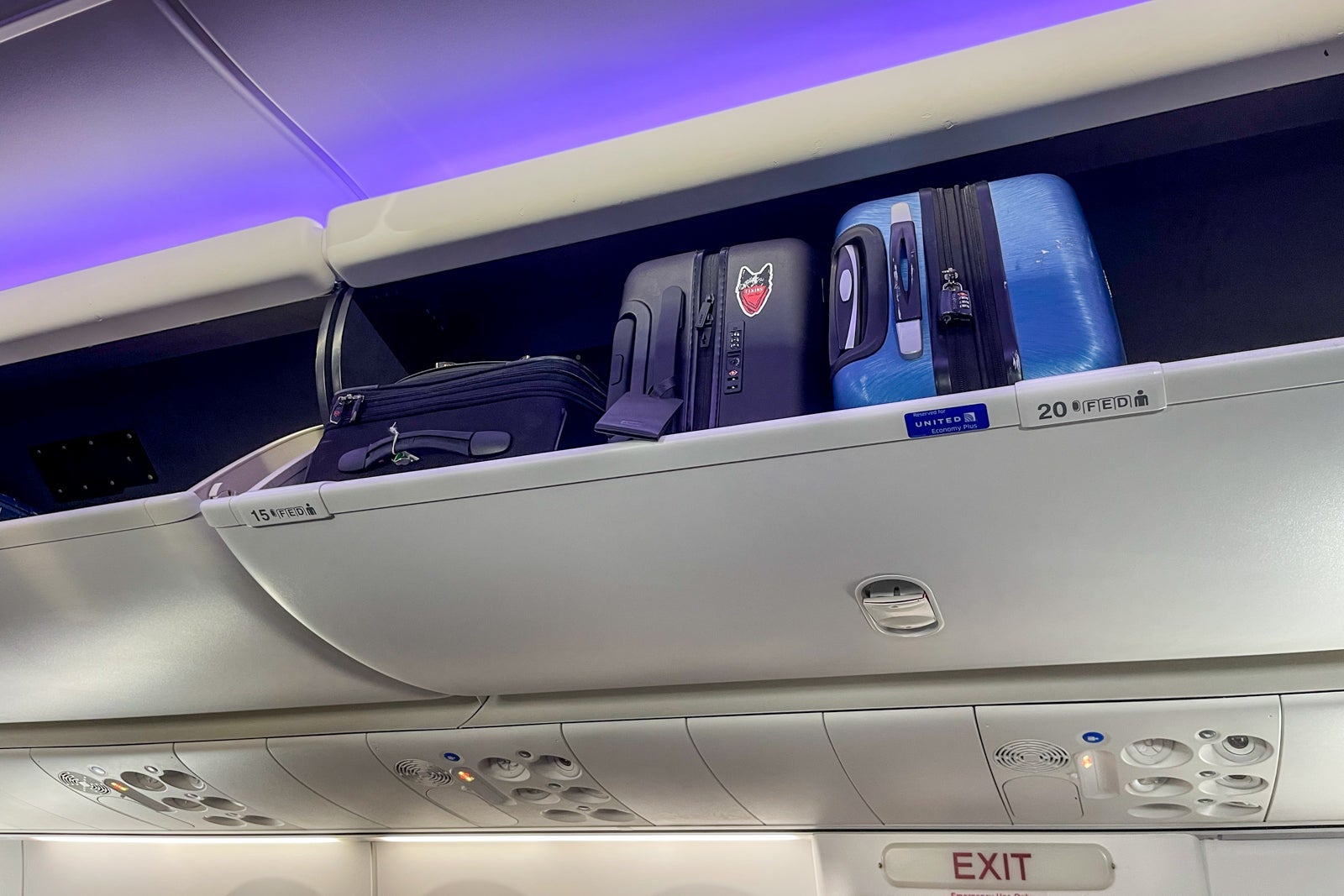
Loading your carry-on bag in the overhead bin sounds simple (aside from testing your upper-body strength if you overpacked a bit). But, if you're still doing it the same exact way you were 10 years ago, as shown in the photo below, the odds are high that you're doing it wrong on some flights.
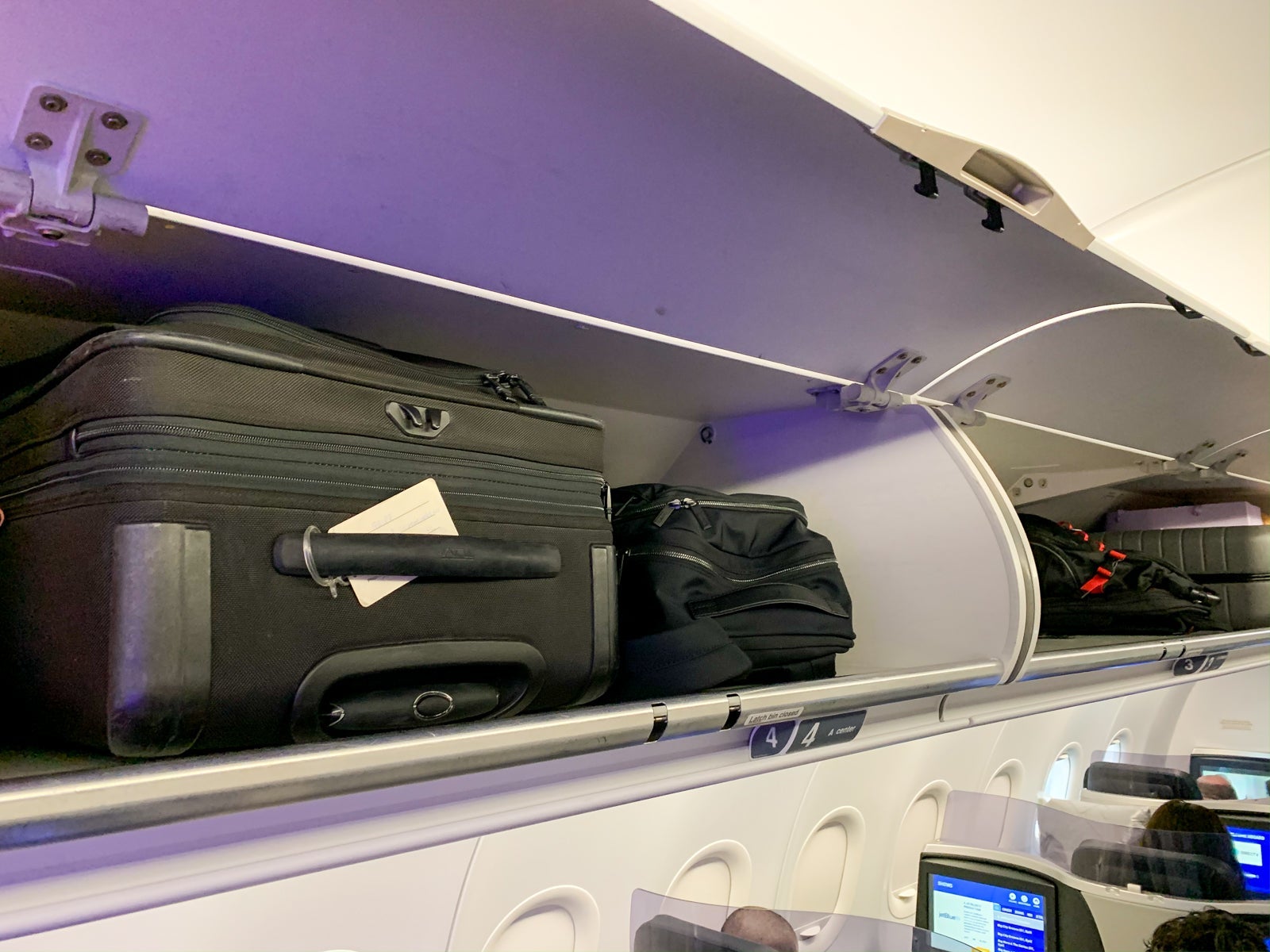
While putting your carry-on bag in the overhead bin seems like a straight-forward part of flying, it's also increasingly easy to get that simple task wrong if you don't pay attention to the correct — and incorrect — way to load the bins for the aircraft you are flying on that day.
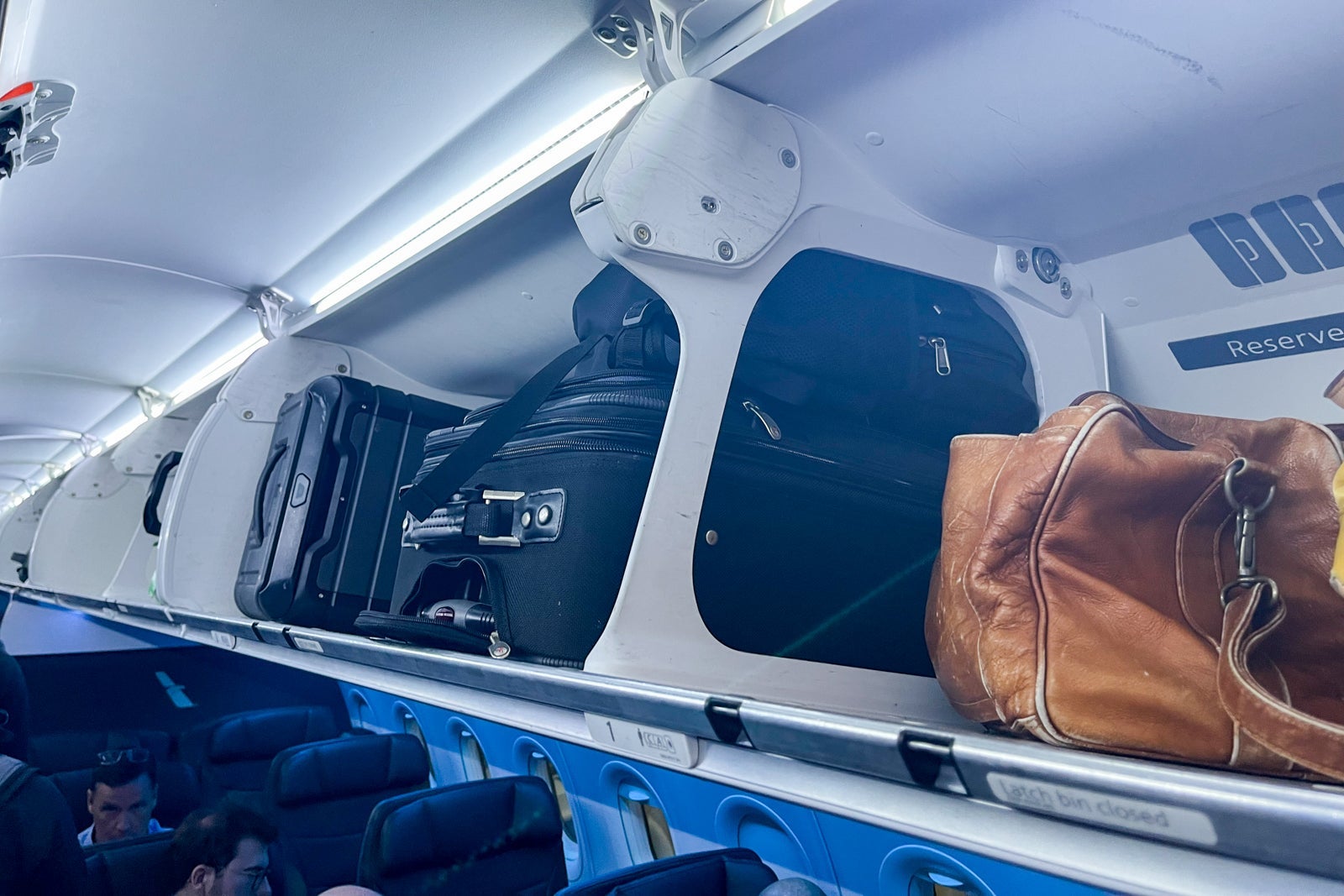
Newer planes are largely moving to overhead bin designs that are essentially taller to hold more bags on their side. I think of this method as "taco style," as opposed to the older style of bins that requires you to lay your carry-on bags flat in a "pancake style."
Related: Sign up for the free Points101 email series to travel more for less in 2024
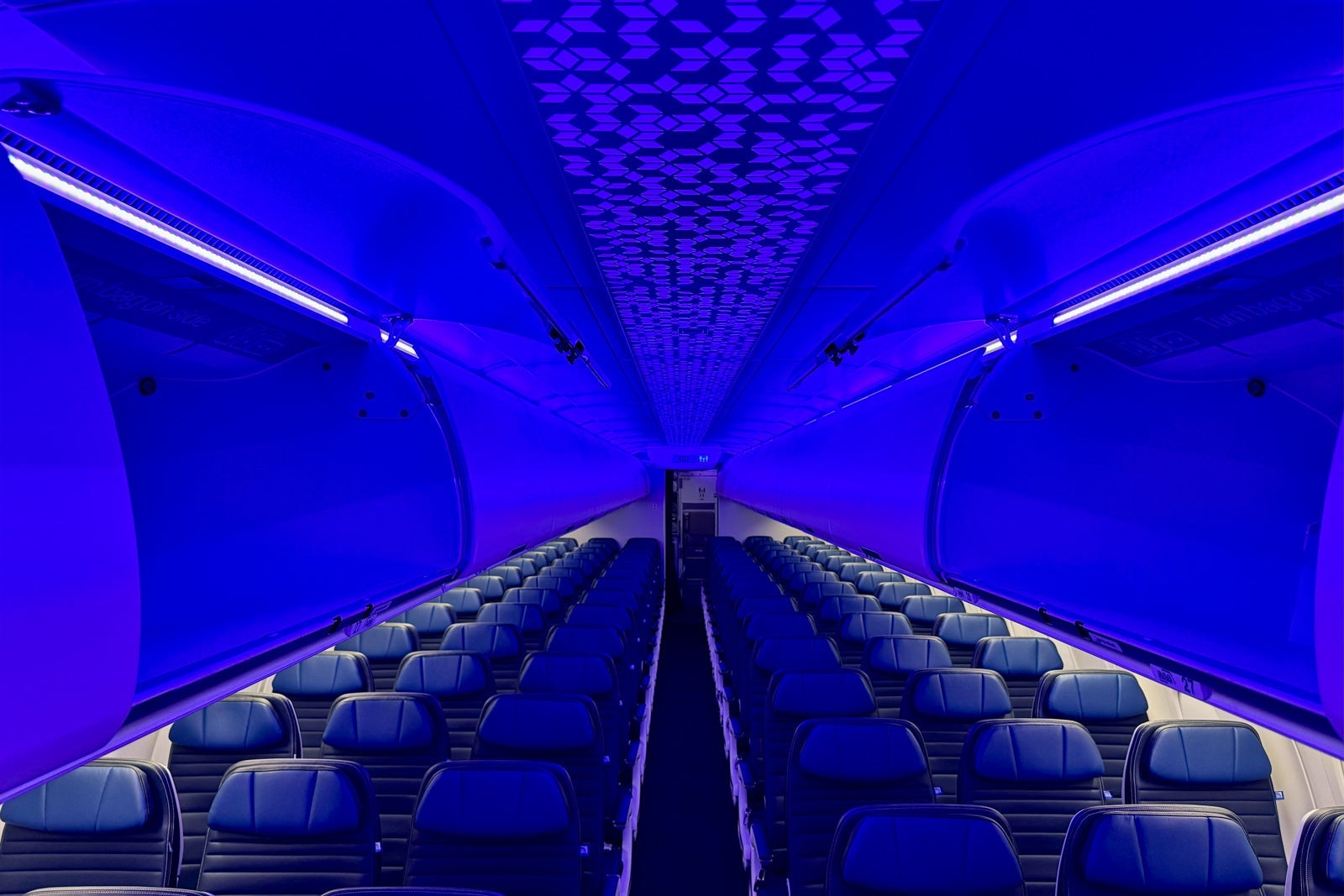
This isn't a brand-new development, as this trend of larger bins designed to hold bags on their sides has been around for several years. As new planes are introduced to airline fleets and older planes are retrofitted and retired, the odds have become higher that you'll be on a plane with the newer, larger bins.
Loading your bag flat versus on its side may sound like a tiny detail that matters far less than other pressing inflight issues, such as window versus aisle. Still, if enough passengers get it wrong, the overhead bins can fill unnecessarily early; this necessitates some bags getting taken off the flight and checked while the plane is at the gate.
That not only increases the odds some unlucky passengers are separated from their things, but it can also potentially delay the flight.
Related: Review of the Away Bigger Carry-On bag
How to know when to load your carry-on on its side vs. laid flat
There is no true exhaustive list of what types of bins are on which aircraft. However, the general pattern is that the newer the plane — or interior on a retrofitted older plane — the more likely bags will load on their sides.

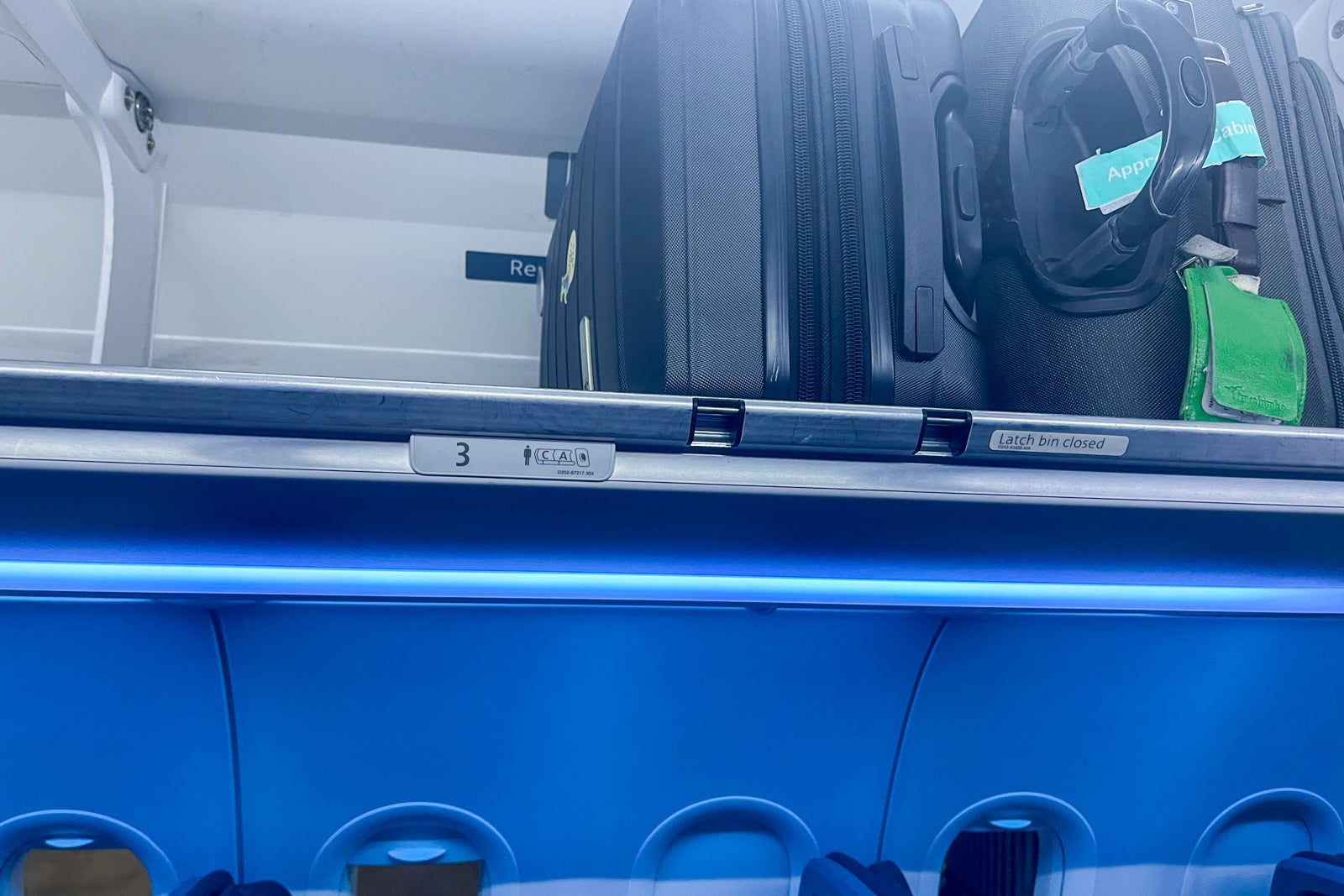
For example, many of the newer Boeing 737s, including the 737 MAX, have larger bins in the "Sky Interior" cabin layout that are designed to hold more bags loaded on their sides. In the Airbus family, you'll find the AirSpace XL bins on new jets in the A220 and A320 families, including the popular A321neo used by American Airlines, JetBlue and now United Airlines.
A tip from the TPG aviation team is that even if your bag doesn't quite fit on its side in the larger Boeing overhead bins, it may still fit that way on the Airbus version. The latter are a little wider due to the different curvature of the fuselage, which gives a little more space to the overhead bins.
Related: Review of United's new A321neo
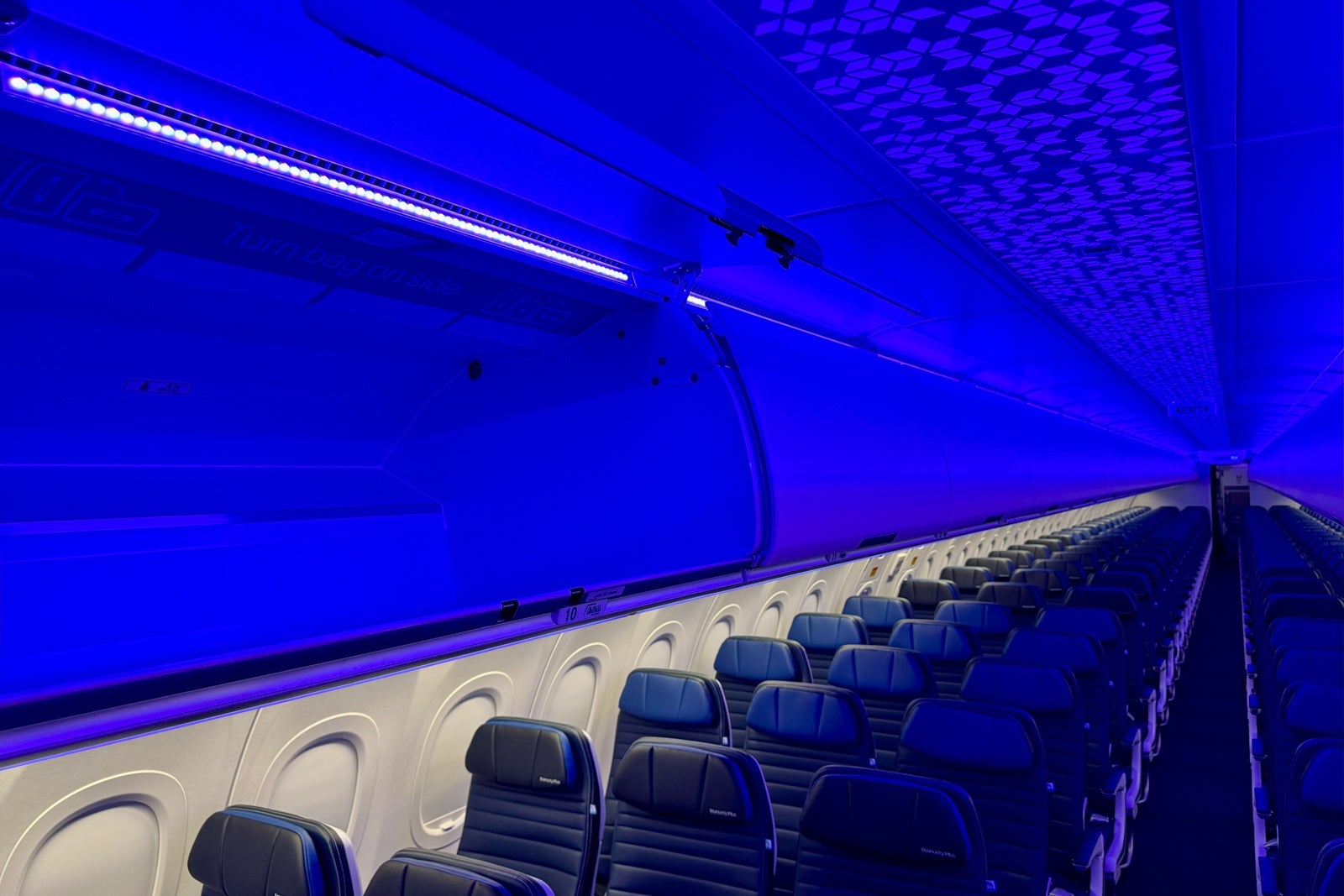
But you don't have to be an AvGeek who studies the aircraft type in advance to know how to load your bag like a pro. Usually, there are simple-to-understand images in the bins that show you if you should go taco-style.
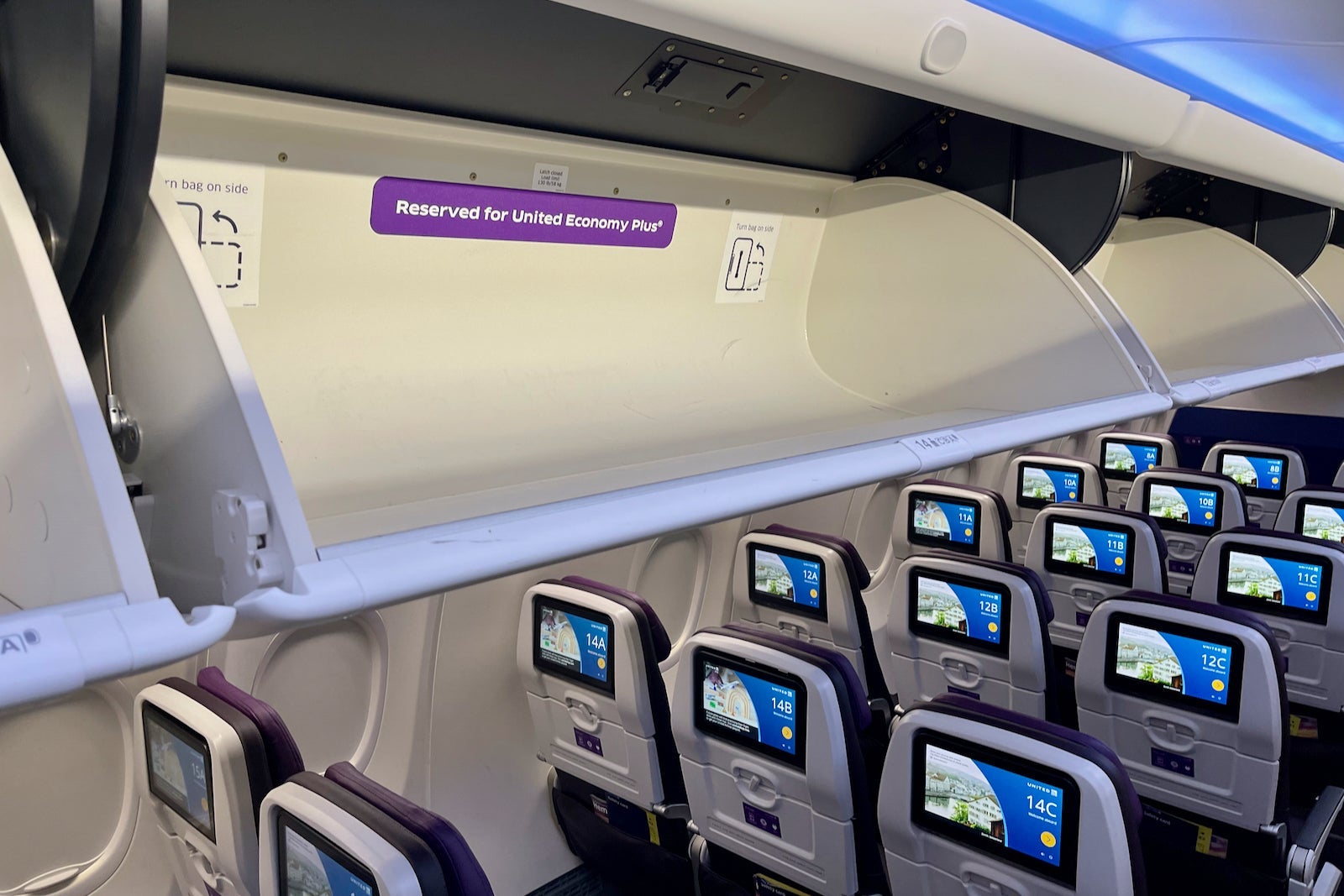
Take a quick look in the bins before hoisting your bag up on your next flight. Not only will you look the part of a frequent flyer, but you'll be doing your part to help everyone's bag fit on board and get to your final destination as soon as possible.
Related reading:
TPG featured card
at American Express's secure site
Terms & restrictions apply. See rates & fees.
| 4X | Earn 4X Membership Rewards® points per dollar spent on purchases at restaurants worldwide, on up to $50,000 in purchases per calendar year, then 1X points for the rest of the year. |
| 4X | Earn 4X Membership Rewards® points per dollar spent at US supermarkets, on up to $25,000 in purchases per calendar year, then 1X points for the rest of the year. |
| 5X | Earn 5X Membership Rewards® points on prepaid hotel stays booked through AmexTravel.com or the Amex Travel App™. |
| 3X | Earn 3X Membership Rewards® points on flights booked through AmexTravel.com, the Amex Travel App™, or purchased directly from airlines. |
| 2X | Earn 2X Membership Rewards® points on prepaid car rentals booked through AmexTravel.com or the Amex Travel App™ and cruises booked and paid through AmexTravel.com. |
| 1X | Earn 1X Membership Rewards® point per dollar spent on all other eligible purchases. |
Pros
- Valuable dining and food-related credits
- Flexible rewards with airline and hotel transfer partners
- Multiple travel and purchase protections
- No foreign transaction fees
- Access to Amex Offers for additional savings (enrollment required)
Cons
- Not as useful for those living outside the U.S.
- Some may have trouble using Uber and other dining credits
- You may be eligible for as high as 100,000 Membership Rewards® Points after you spend $8,000 in eligible purchases on your new Card in your first 6 months of Card Membership. Welcome offers vary and you may not be eligible for an offer. Apply to know if you’re approved and find out your exact welcome offer amount – all with no credit score impact. If you’re approved and choose to accept the Card, your score may be impacted.
- Earn 4X Membership Rewards® points per dollar spent on purchases at restaurants worldwide, on up to $50,000 in purchases per calendar year, then 1X points for the rest of the year.
- Earn 4X Membership Rewards® points per dollar spent at US supermarkets, on up to $25,000 in purchases per calendar year, then 1X points for the rest of the year.
- Earn 5X Membership Rewards® points on prepaid hotel stays booked through AmexTravel.com or the Amex Travel App™.
- Earn 3X Membership Rewards® points on flights booked through AmexTravel.com, the Amex Travel App™, or purchased directly from airlines.
- Earn 2X Membership Rewards® points on prepaid car rentals booked through AmexTravel.com or the Amex Travel App™ and cruises booked and paid through AmexTravel.com.
- Earn 1X Membership Rewards® point per dollar spent on all other eligible purchases.
- Pay It® lets you tap in the American Express® App to quickly pay for small purchase amounts throughout the month and still earn rewards the way you usually do. Plan It® gives you the option to split up big purchases into equal monthly payments with a fixed fee. You’ll know upfront exactly how much you’ll pay.
- $120 Dining Credit: Earn up to a total of $10 in statement credits monthly when you pay with the Gold Card at Grubhub (including Seamless), Buffalo Wild Wings, Five Guys, The Cheesecake Factory, and Wonder. This can be an annual savings of up to $120. Enrollment required.
- $100 Resy Credit: Get up to $100 in statement credits each calendar year at over 10,000 qualifying U.S. Resy restaurants after you pay for eligible purchases with the American Express® Gold Card. That’s up to $50 in statement credits semi-annually. Enrollment required.
- $84 Dunkin' Credit: Earn up to $7 in monthly statement credits after you pay with the American Express® Gold Card at U.S. Dunkin’ locations. Enrollment required.
- $120 Uber Cash on Gold: Enjoy up to $120 in Uber Cash annually with your Gold Card. Just add your Card to your Uber account and you'll get $10 in Uber Cash each month to use on orders and rides in the U.S. when you select an Amex Card for your transaction.
- Enjoy complimentary Hertz Five Star® Status benefits like skipping the counter at select locations, adding an additional driver at no additional cost*, and vehicle upgrades**. Benefit enrollment and Hertz Gold+ registration are required. *Additional drivers must meet standard rental qualifications and must be a spouse or domestic partner to qualify as complimentary. Other additional drivers subject to fees. **Benefits are subject to availability and vary by location. Additional Hertz program Terms and Conditions including age restrictions apply.
- Book two nights or more with The Hotel Collection through AmexTravel.com or the Amex Travel App™ and receive a $100* credit towards eligible charges at over 1,400 upscale hotels worldwide. *Eligible charges vary by property.
- Book your travel through the Amex Travel App™ with added peace of mind – backed by American Express® service and support. Only for American Express® Card Members.
- Whenever you need us, we're here. Our Member Services team will ensure you are taken care of. From lost Card replacement to statement questions, we are available to help 24/7.
- No Foreign Transaction Fees.
- Annual Fee is $325.
- Terms Apply.