Sorry, Elon Musk. Your Gulfstream can't be fully untrackable

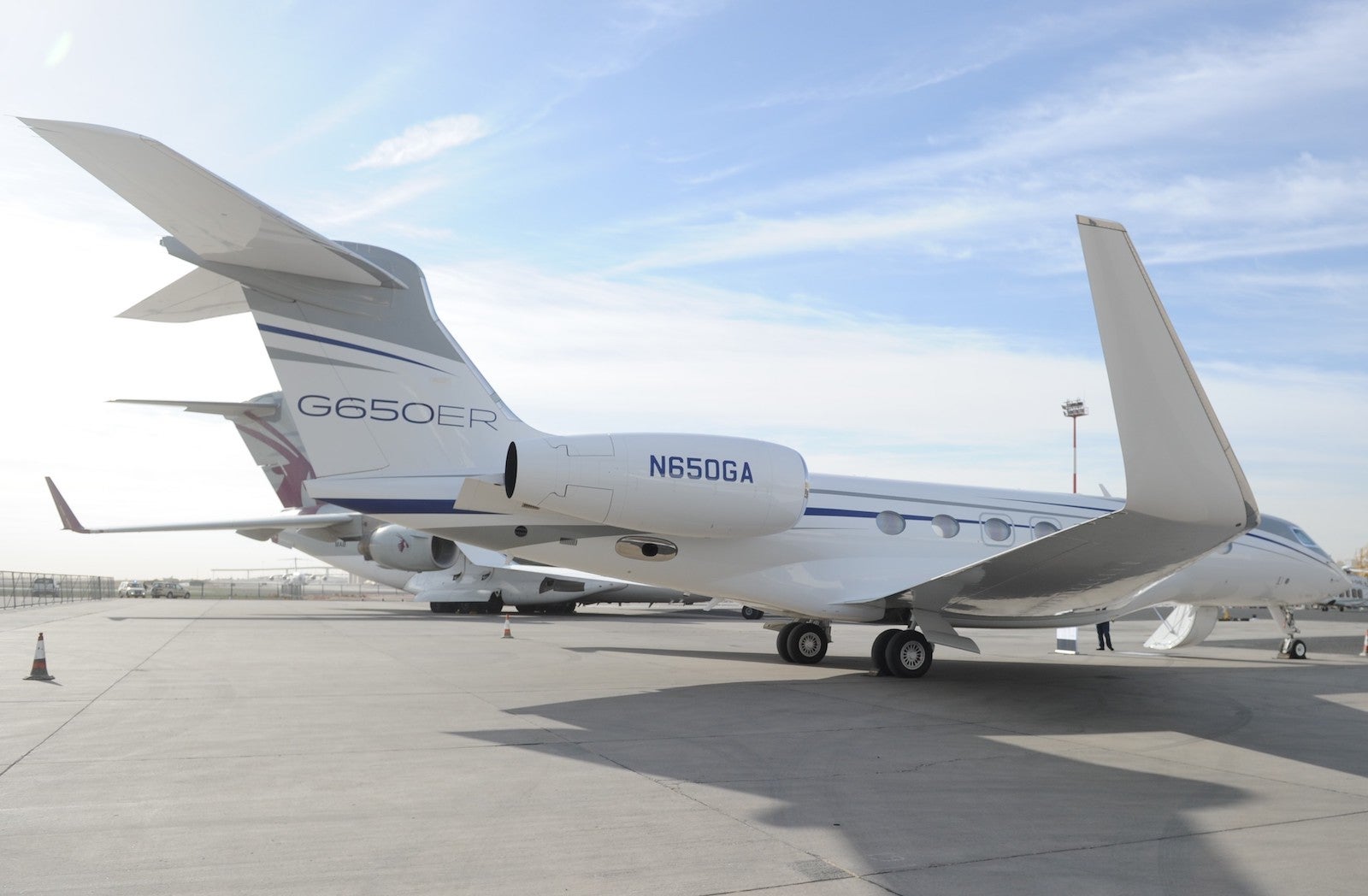
You may have heard of the story of Elon Musk and the 19-year-old with the Twitter bot that tracks his private Gulfstream G650ER's movements. Musk, of Tesla and SpaceX fame, offered the teen, Jack Sweeney, $5,000 to shut down the account. Sweeney upped the ante to $50,000. As of Wednesday, Feb. 2, the bot is still functioning, so it appears there's no deal.
But how does modern flight tracking work? How was a 19-year-old able to get access to the whereabouts of Musk, the richest man in the world?
It's based on a technology known as ADS-B.
What is ADS-B?
ADS-B, which stands for Automatic Dependent Surveillance-Broadcast, is a tracking technology that all aircraft operating in the U.S. are required to have onboard as of January 2020, with extremely limited exceptions. Sorry, Elon: you're not one of the exceptions — virtually all civilian aircraft capable of flying more than a few miles need to have it.
But first, in order to explain ADS-B, it's also important to explain how aircraft are traditionally tracked by air traffic control (ATC) radar.
Aircraft are equipped with what's known as a transponder. When an aircraft that expects to fly by instruments, rather than purely visually (so most flights of any significant length) enters the National Airspace System, air traffic control provides what's known as a squawk code, which is a four-digit number where each digit ranges from zero to seven. That number is entered into the transponder and corresponds with that particular aircraft's identification and flight plan in the ATC computer system.
ATC relies on two radar systems: primary radar and secondary radar. Primary radar bounces radio waves off moving targets to locate them. Secondary radar pings an aircraft's transponder, which reports back the aircraft's squawk code and altitude. That data is then processed and interpreted by the ATC mainframe computer system for an air traffic controller to use. It's a generally reliable but dated system.
ADS-B is a much more simplified concept because the data processing happens onboard each aircraft. Instead of the secondary radar system having to ping and "ask" for the transponder information, the transponder openly broadcasts, effectively "telling" the flight information to anyone listening. With ADS-B, a plethora of information about the aircraft's altitude, speed, GPS location, callsign and even what its autopilot is set to is transmitted over a specified radio frequency. There is no actual radar involved with this process.
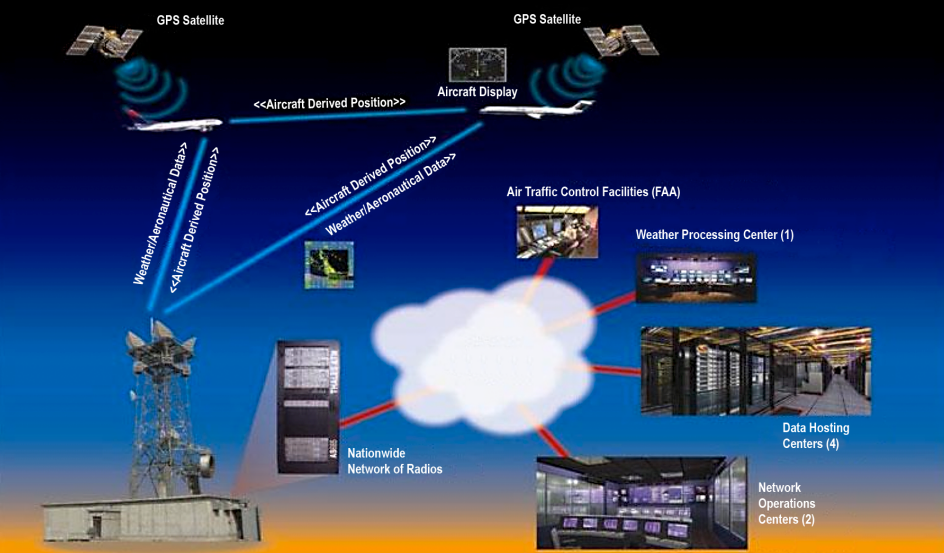
ADS-B data is now being incorporated into air traffic control systems. Aircraft also exchange ADS-B data between each other, which can provide a more holistic traffic picture to pilots, improving situational awareness and safety. Weather information can even be uplinked to pilots over ADS-B.

Because ADS-B is using public airwaves and is a public, or open protocol, hobbyists are able to easily receive the ADS-B signals that are transmitted from aircraft. Using small, inexpensive equipment like an antenna and a Raspberry Pi microcomputer, ADS-B signals can be received and decoded. Many also use these systems to then send the ADS-B data that they receive to popular flight tracking websites such as FlightAware and Flightradar24. "Feeders," as they are often known, receive a complimentary enterprise-level paid account in return for sharing their data.
Blocking only goes so far
Yes, the Federal Aviation Administration does have an aircraft block list — but it's imperfect. The list, called Limiting Aircraft Data Displayed, or LADD, is free for aircraft owners and operators, like Musk, to join. But it actually has nothing directly to do with ADS-B.
Joining LADD restricts an aircraft's data from being visible on data feeds that the FAA provides to the public. But these feeds are often used for just supplemental information like flight plans and slower-to-update ATC radar information. The reason that Elon Musk's Gulfstream doesn't show up on commercial flight tracking sites like Flightradar24 is that these sites use this FAA data to supplement the ADS-B data that they collect on their own. As a condition of using this data, they honor the LADD list, a Flightradar24 spokesperson told TPG.
But open-source flight tracking websites like ADS-B Exchange, one of the data providers for the ElonJet bot, don't use this supplemental data. As a result, they display this data unfiltered — and do it legally, as it's data that is being transmitted over publicly-owned radio frequencies. In creating the bot, Sweeney noted that he was able to cobble together the supplemental information on his own.
Commercial sites also often omit some military aircraft that are equipped with ADS-B transponders and choose to transmit data, but open-source sites show them. Military aircraft can choose to disable their transponders for sensitive purposes, of course.
So that's how we arrived here. Sweeney doesn't appear to be doing anything wrong, and Musk appeared to believe that his best hope for some privacy would be by providing some cold hard cash.
Going forward, ADS-B flight tracking will likely continue to be a sensitive issue, torn between a celebrity's desire for privacy and the imperative that data transmitted over public airwaves for safety purposes can be received and processed by just about anyone with a minimal investment.
TPG featured card

at Capital One's secure site
Terms & restrictions apply. See rates & fees.
| 5X miles | Earn 5X miles on hotels, vacation rentals and rental cars booked through Capital One Travel |
| 2X miles | Earn unlimited 2X miles on every purchase, every day |
Pros
- Stellar welcome offer of 75,000 miles after spending $4,000 on purchases in the first three months from account opening. Plus, a $250 Capital One Travel credit to use in your first cardholder year upon account opening.
- You'll earn 2 miles per dollar on every purchase, which means you won't have to worry about memorizing bonus categories
- Rewards are versatile and can be redeemed for a statement credit or transferred to Capital One’s transfer partners
Cons
- Highest bonus-earning categories only on travel booked via Capital One Travel
- LIMITED-TIME OFFER: Enjoy $250 to use on Capital One Travel in your first cardholder year, plus earn 75,000 bonus miles once you spend $4,000 on purchases within the first 3 months from account opening - that’s equal to $1,000 in travel
- Earn unlimited 2X miles on every purchase, every day
- Earn 5X miles on hotels, vacation rentals and rental cars booked through Capital One Travel
- Miles won't expire for the life of the account and there's no limit to how many you can earn
- Receive up to a $120 credit for Global Entry or TSA PreCheck®
- Use your miles to get reimbursed for any travel purchase—or redeem by booking a trip through Capital One Travel
- Enjoy a $50 experience credit and other premium benefits with every hotel and vacation rental booked from the Lifestyle Collection
- Transfer your miles to your choice of 15+ travel loyalty programs
- Top rated mobile app