The future of the hotel guest experience? Less Moxy, more Airbnb


It wasn't that long ago that major hotel companies thought the secret to tapping into a swelling traveler base of millennials — and their increasing disposable incomes — was to launch brands aimed at this group born between the early '80s and the late '90s.
Like any idea that gains traction (I'll get to whether it was a good one in a minute), this led to a flood of brands designed to woo millennials into a hotel's reservation system and loyalty program.
Pre-Marriott Starwood launched Aloft as a more affordable, younger sibling to W Hotels. Marriott came out with Moxy and even had an initial partnership with furniture maker IKEA, the go-to home decor brand for those just out of college. Hyatt's Centric and Hilton's Canopy were also launched in a bid to court younger travelers.
Fast forward to 2022, and it doesn't appear millennials or Generation Z are religiously sticking to any of these brands. I'm no millennial whisperer, but I am part of the demographic — and when I started working on this story, I asked a wide array of friends, acquaintances and sources their thoughts on any of these targeted brands.
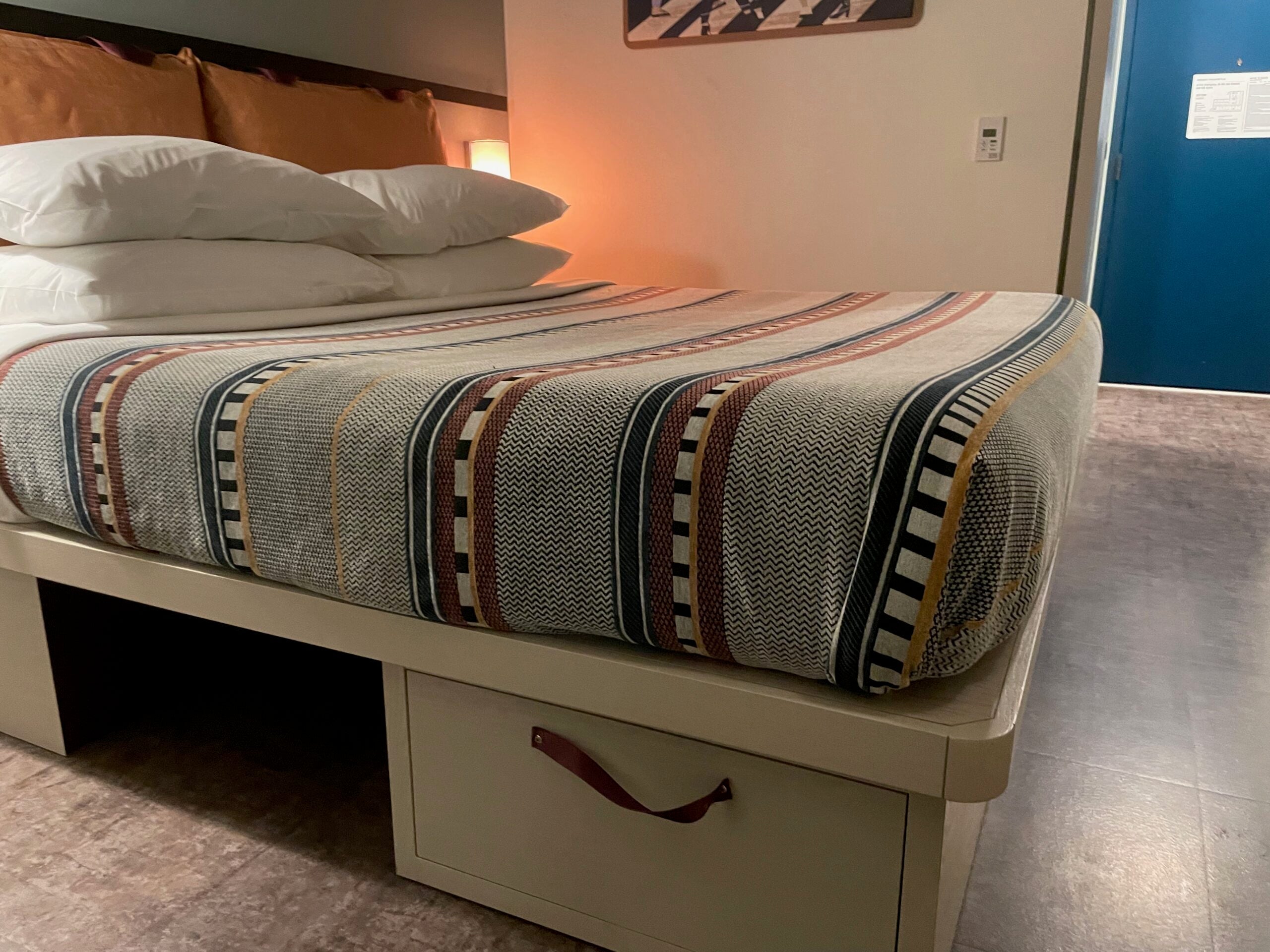
Their replies ranged from things that can't be published on a family-friendly travel website (let's just say the small rooms but often high prices leave much to be desired) to eye rolls and talk of how they prefer to stay at Airbnbs. Vacation rentals typically offer more space and freedom than the smaller confines of, say, a standard Moxy guest room.
That should be the wake-up call to the hotel industry — even if the companies don't see themselves in the same tech-forward boat as the likes of Airbnb or Vrbo.
"Traditional hotel companies have not seen themselves as tech enablers, or they know it's important, but they've just basically thrown their hands up in the air and left it to somebody else to do," said Gilda Perez-Alvarado, global CEO of JLL Hotels & Hospitality. "Now, Airbnb has done an extraordinary job just being very relevant for the consumer."
The impact of OTAs and vacation rentals
There is a bit of a sense of deja vu when it comes to the ascent of short-term rental providers at the expense of hotel companies. Third-party booking platforms such as Expedia and Booking.com were tech-fueled disruptors to the hotel industry as the internet first took off.
These online travel agencies, also known as OTAs, eat into hotel revenue streams by offering rooms that are often at a discount. They also charge fees to the individual hotels for their distribution services.

Hotel companies worked to combat the OTA disruption by putting greater emphasis on loyalty programs and direct bookings. Want your Marriott Bonvoy points? You typically only get them by booking directly through Marriott and not on Expedia.
But another disruptor emerged in this game of hotel industry whack-a-mole: short-term vacation rental platforms like Airbnb and Vrbo.
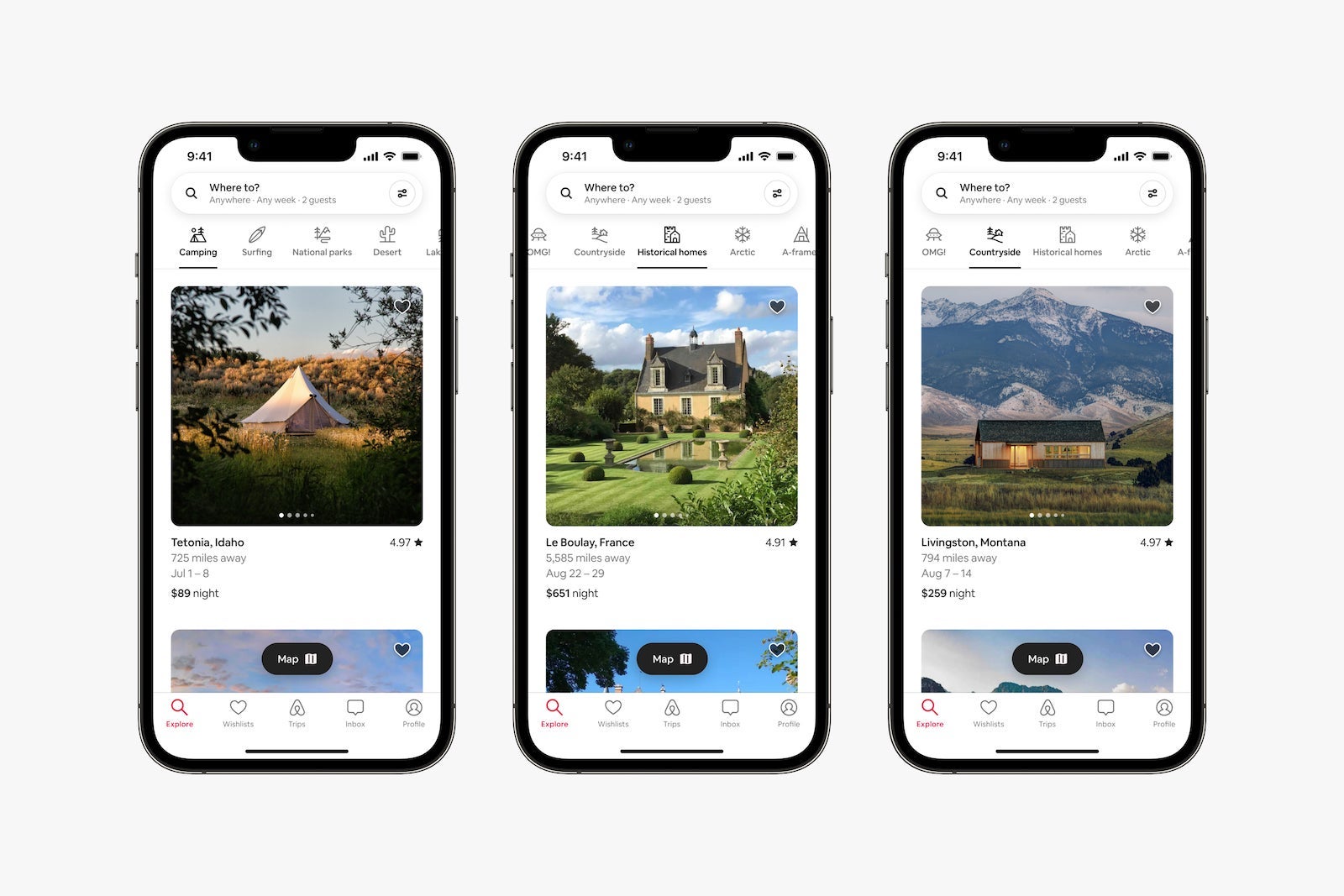
Unlike hotel attempts to court younger travelers with supposedly hip brands, vacation rental platforms have managed to grow market share — and recovered faster than traditional hotel competitors.
Airbnb and Vrbo are both in the top 10 for Statista Global Consumer Survey's list of most-used accommodation booking platforms in the U.S. No hotel company, despite being decades older than these companies, made the lineup, per the JLL report.
By the end of last year, the alternative lodging sector had recovered to 81% of its pre-pandemic performance levels, while traditional hotels were only back to 61% of pre-pandemic levels.
Given the resilience of the sector, it's strange the traditional hotel players are not in a mad rush to unfurl a wave of new vacation rental brands a la the millennial-minded brand madness of the mid-aughts.
The hotel sector may get chided as one that is slow to respond to trends, but many major hotel companies moved quickly to embrace extended-stay hotel brands after those were some of the few to show decent performance figures during the worst months of the pandemic.
So, why are they not doing the same for vacation rental platforms? Even companies that do have them often downplay them. Marriott executives practically go out of their way on earnings calls to note that Homes & Villas, the company's home rental business, is only a small fraction of the overall company.
Some of the distance may have to do with the fact that hotel brands see themselves as true lodging experts, while vacation rental platforms are viewed more like technology companies.
"It's one of those things where [hotel companies] don't see themselves as being part of the technology ecosystem," Perez-Alvarado said. "The reason why online distribution or online travel agents came about is because we're now relying on the Internet of Things, and that's not what hoteliers do."
The reason to get it right
The question remains if hotel companies can afford to let another disruptor pull away so much of their revenue stream, especially after two years of catastrophic financial losses. Some of the hesitancy from hotel companies to make the necessary technology investments to better compete against the likes of Airbnb or Expedia may be because the move carries simply too high a cost for something so outside the industry's comfort zone.
But when you have a juggernaut like Airbnb (the company claims it has more than 6 million active listings) clipping at your heels, the hotel industry can't afford many missteps during its pandemic recovery.
The major hotel companies today (think: Hilton, Marriott and Hyatt) grew up around the idea of travelers liking standardization. Your hotel room at a Marriott in Des Moines, Iowa, should be similar to one at a Marriott in London, according to the industry ideology.
But younger travelers are not the devotees to standardization like their parents and grandparents. That's left an enormous opening for a company like Airbnb to swoop in and appeal to travelers craving unique experiences along with other generational buzzwords like "authenticity" and "bespoke."
It may be easy to scoff at, but younger travelers are vital to the travel industry's pandemic recovery and its future. Hotel companies better positioning themselves to how these travelers actually like to, well, travel would be a prudent move.
"I do think that the brands have an incredible opportunity right now to be creative, to be value driven [and] to stand for something to curate that community," Alvarado said.
TPG featured card

at Capital One's secure site
Terms & restrictions apply. See rates & fees.
| 5X miles | Earn 5X miles on hotels, vacation rentals and rental cars booked through Capital One Travel |
| 2X miles | Earn unlimited 2X miles on every purchase, every day |
Pros
- Stellar welcome offer of 75,000 miles after spending $4,000 on purchases in the first three months from account opening. Plus, a $250 Capital One Travel credit to use in your first cardholder year upon account opening.
- You'll earn 2 miles per dollar on every purchase, which means you won't have to worry about memorizing bonus categories
- Rewards are versatile and can be redeemed for a statement credit or transferred to Capital One’s transfer partners
Cons
- Highest bonus-earning categories only on travel booked via Capital One Travel
- LIMITED-TIME OFFER: Enjoy $250 to use on Capital One Travel in your first cardholder year, plus earn 75,000 bonus miles once you spend $4,000 on purchases within the first 3 months from account opening - that’s equal to $1,000 in travel
- Earn unlimited 2X miles on every purchase, every day
- Earn 5X miles on hotels, vacation rentals and rental cars booked through Capital One Travel
- Miles won't expire for the life of the account and there's no limit to how many you can earn
- Receive up to a $120 credit for Global Entry or TSA PreCheck®
- Use your miles to get reimbursed for any travel purchase—or redeem by booking a trip through Capital One Travel
- Enjoy a $50 experience credit and other premium benefits with every hotel and vacation rental booked from the Lifestyle Collection
- Transfer your miles to your choice of 15+ travel loyalty programs
- Top rated mobile app