Editorial note: This post has been updated with new information.
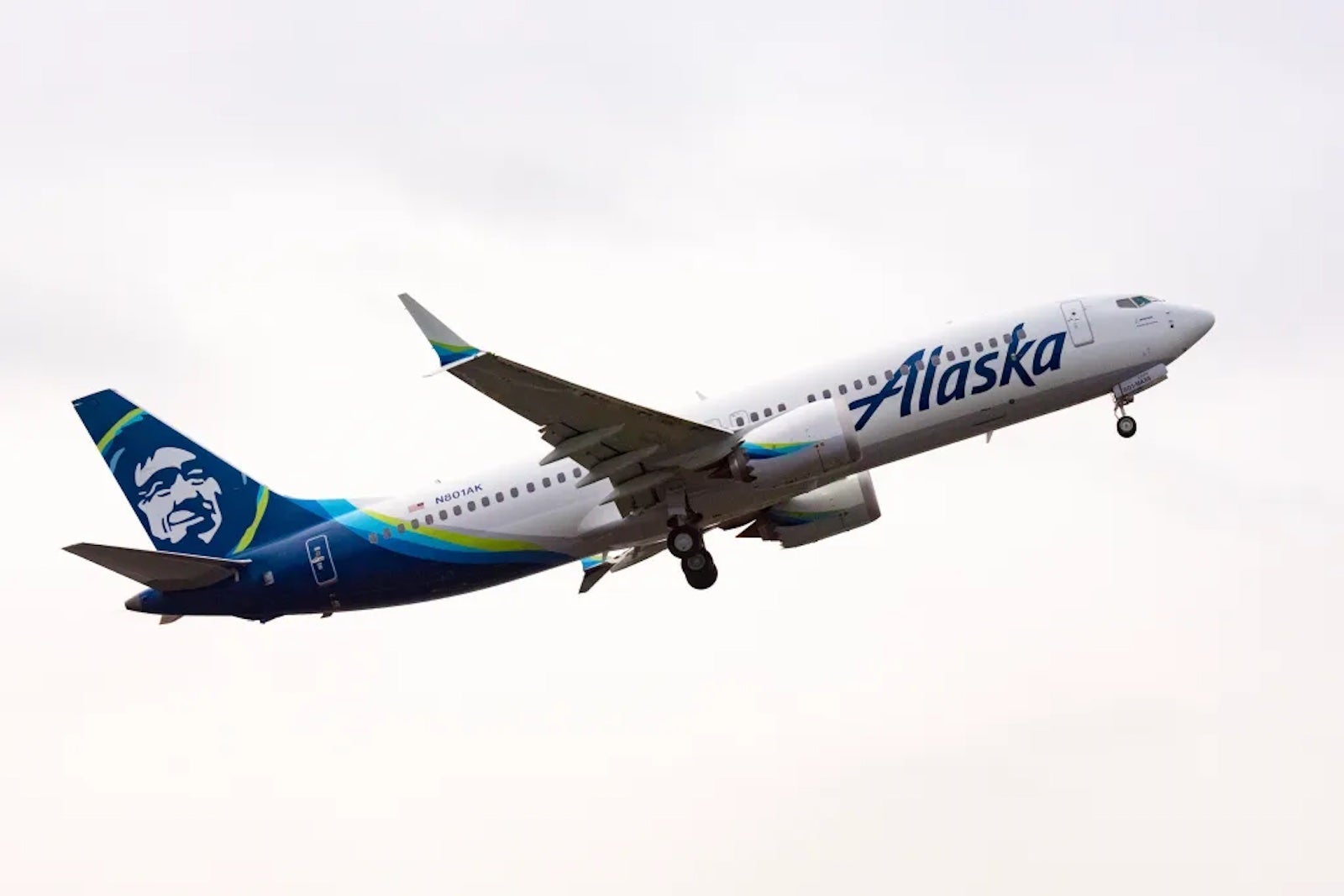
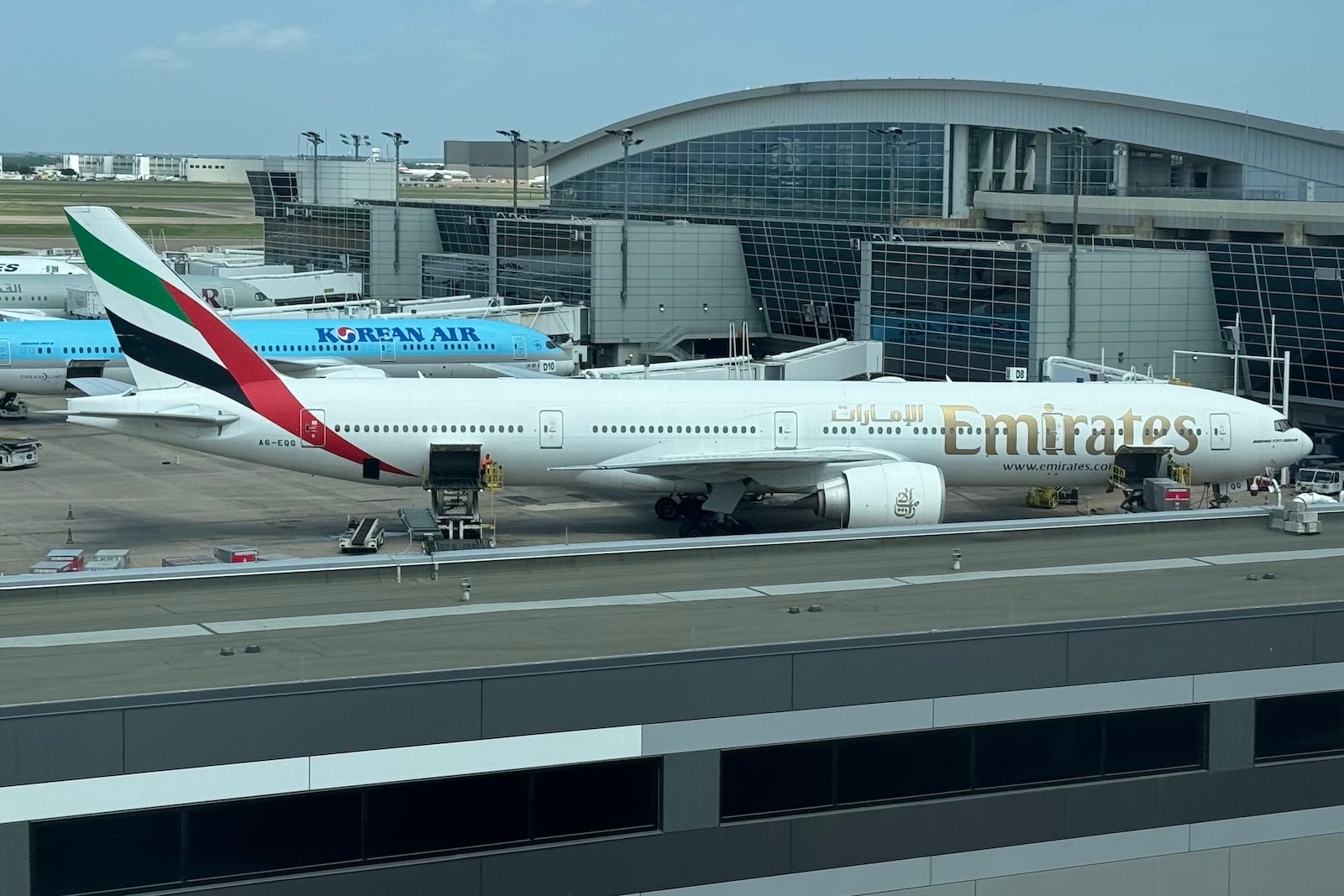
Building on reopening news, Hong Kong is set to allow transit passengers at its main airport beginning April 1. The news was first reported by Bloomberg journalist Danny Lee. Airport Authority Hong Kong, which issues rules for the airport, confirmed the news to Bloomberg. It's a move that could boost struggling Hong Kong carrier Cathay Pacific.
This content is hosted by X.
View this post on XIt comes one day after we reported Hong Kong will again allow international flights starting April 1 after entry restrictions were lifted for nine countries, including the United States and the United Kingdom. However, it appears that for now, only Hong Kong residents are allowed to enter under the new rules. According to the South China Morning Post, the new relaxed rules are only for residents, "Travellers who are not residents cannot enter Hong Kong, except for those arriving from mainland China, Macau and Taiwan."
The chief executive of the Chinese-ruled territory, Carrie Lam, has decided to ease the city’s notoriously tight border controls amid a growing outcry that keeping them in place could cause irrevocable damage to Hong Kong’s economy.
Mirroring mainland China, Hong Kong has maintained incredibly strict travel rules, including requiring incoming travelers to quarantine for 14 days regardless of vaccination status, amid a massive outbreak of COVID-19. In fact, as TPG reported Sunday, Disney Shanghai just closed indefinitely due to the spread of coronavirus.
But starting next month, quarantine for vaccinated international travelers will be reduced to seven days, and flight bans will be lifted for the United States, Britain, Canada, Australia, France, India, Nepal, Pakistan and the Philippines.
Lam also suspended plans to require COVID-19 PCR testing for every person in the city and moved up a deadline to have a booster shot to May 31. The extra shot will be required to enter public places, including supermarkets and shopping malls.
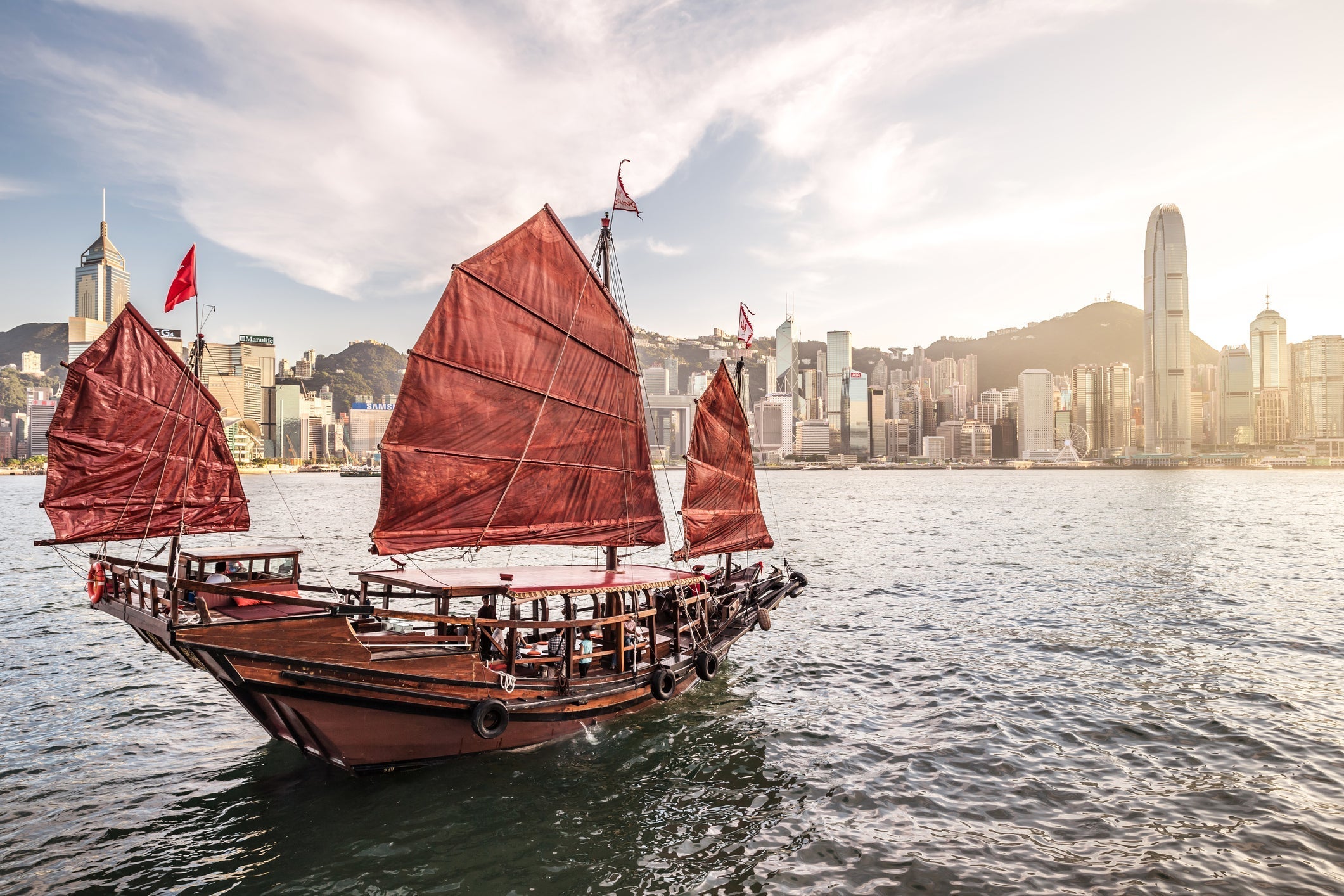
Related: Your points and miles guide to Hong Kong
The changes come after business leaders, bankers and academics warned of a brain drain in the city after its administration’s zero-tolerance COVID-19 policy led to an exodus of expatriates and locals.
Lam has repeatedly brushed off the growing outcry against aligning with mainland China’s zero-tolerance COVID-19 approach, as well as mainland China’s growing dominance over public life.
But on Monday, Lam relented, despite a surge in COVID-19 cases and deaths.
“Hong Kong’s isolation requirements for inbound travelers … could in turn adversely [affect] the local business environment, especially when the rest of the world has been moving towards relaxing [policies],” Lam said. “There is a need for the economy to move forward.”
She also announced a phased easing of social distancing measures beginning on April 21, allowing restaurant dining after 6 p.m. and increasing the number of diners allowed to sit together at tables from two to four.
A second phase will see nightclubs, pubs and beaches allowed to open, while a ban on maskless outdoor exercise would be lifted. Currently, masks are compulsory everywhere outside the home.
Related: Finnair resumes Helsinki-Tokyo flights, but they’ll take almost 4 hours longer
For some time, residents have criticized Lam’s zero-tolerance COVID-19 policies as making life in the global financial hub unlivable.
Some 65,295 residents left Hong Kong last month, according to official figures, while another 40,920 had moved to a different place by mid-March.
“I have a very strong feeling that people’s tolerance is fading,” Lam said at a press conference last week. “I have a very good [feeling] that some of our financial institutions are losing patience about the isolated status of Hong Kong.”
Starting April 1, travelers arriving in Hong Kong will have to complete a health declaration form, and take a PCR test at Hong Kong International Airport (HKG). They will be asked to wait at the airport for tests to come back before heading to a designated hotel to quarantine for seven days.
Travelers should be mindful that Hong Kong currently has the highest COVID-19 death rate in the world, but reports suggest this is mostly among people who are both elderly as well as unvaccinated.
For up-to-date advice on entry requirements and restrictions, visit the Hong Kong Special Administrative Region government’s website.