Hawaii advances new $50 visitor 'green' fee


A new $50 visitor fee for many tourists in Hawaii looks increasingly likely.
The proposal is moving quickly through Hawaii's legislature. If the proposed legislation is passed through the Hawaii Statehouse, it would require a yearly license for any visitors who want to use any of the state-owned parks, beaches, forests or hiking trails.
The fee assessed to visitors in order to use some of the state's most popular attractions would be on top of any entry or parking fees some locations already charge.

"The future of visiting natural spaces in Hawaii is going to have to include capacity management like we are beginning to see with the reservation systems at some parks," Ilihia Gionson, public affairs officer at the Hawaii Tourism Authority, told TPG.
Hawaii Gov. Josh Green campaigned on a "climate impact fee" to raise as much as $600 million a year.
In an emailed statement to TPG, the governor said, "We saw so clearly the impacts of 10 million annual visitors on our islands that in addition to my proposal, there are several being discussed at the legislature. The bottom line is that we need to generate as much revenue as we can from travelers, to help mitigate those impacts."
Indeed, the $50 fee would go to efforts to limit the impact of crowding and to protect areas that have been inundated with tourists.
There are several models under consideration, but a $50 license would act like a sort of fishing license and would only be good for one year.
Another proposal that would tax everyone coming into Hawaii appears to be dead for now.

Opponents of the new fee argue that it unnecessarily penalizes out-of-state tourists and might come up against some constitutional issues. The Tax Foundation of Hawaii has claimed a state-imposed fee might violate the Constitution's privileges and immunities clause.
However, advocates believe the bill has a good chance of passing as well as passing constitutional muster.
Related: Fair warning: Hawaii is crowded again
Hawaii's Tourism Authority is also mostly on board.
"What we have consistently supported are site-specific user fees," Gionson told TPG.
"For example, to hike Diamond Head, there's a charge, and reservations are required. We've consistently supported models like that."
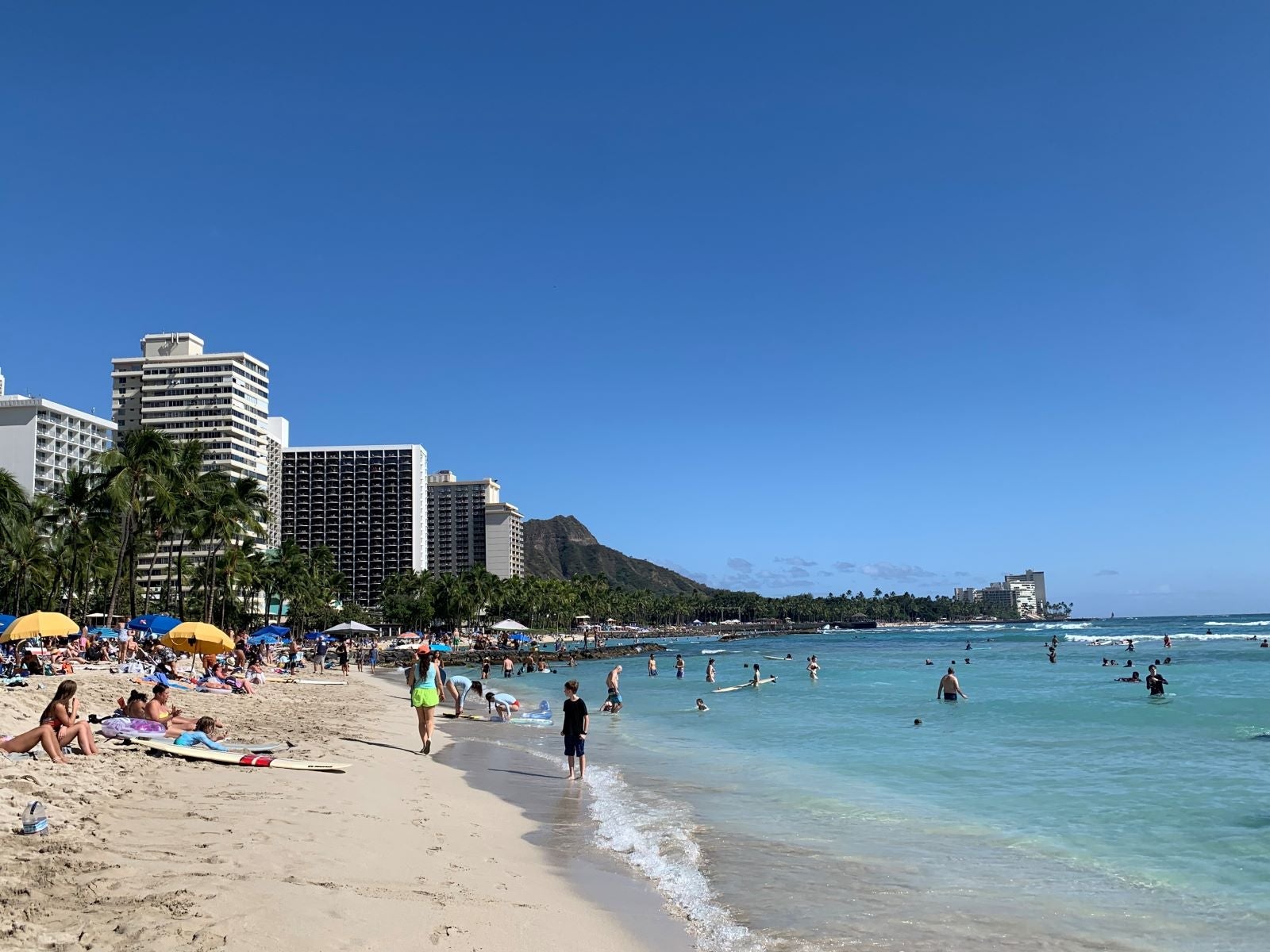
Gionson said despite the fact that it will be more expensive for people to travel to the Aloha State, "Very broadly, we support the idea that visitors can and should help contribute to caring for Hawaii's natural resources."
He pointed out that in 2019, Hawaii got 10.4 million visitors, and "Our natural spaces felt it."
Related: I had sworn off Hawaii during the pandemic; here's why I went back
He continued, "No matter what model emerges from the legislature, what is most important for us at the Tourism Authority is the reinvestment of those revenues into improving the experience for both locals and visitors alike."
"Our current local challenges are costly, including the impacts of the climate emergency, the loss of native species, freshwater insecurity, and coral reef decline," said Carissa Cabrera, a project manager at Hawaii Green Fee, an advocacy group for the new visitor duty.
She continued, "A visitor green fee would enable us to meet these challenges with local solutions and sustain the environment of Hawaii for future generations — the same environment that attracts visitors here in the first place."
She pointed out that visitors are having a negative impact on Hawaii's many endangered animals and coral reefs. She also pointed to the loss of coastal beaches as seas continue to rise from global warming.
Related: I love Hawaii, but here's why I'm not going back anytime soon

According to a Money.co.uk story, Hawaii's tourism taxes are already among the world's highest. In fact, it ranked Honolulu as the city with the highest tourist taxes in the world.
A seven-night stay in Honolulu would cost, on average, more than $361 just in taxes. That includes a 10.25% "transient accommodations tax" and an additional 3% surcharge for spending the night in Honolulu. Other Hawaiian islands charge similar fees and taxes on hotel stays.
Related: The best ways to get to Hawaii using points and miles
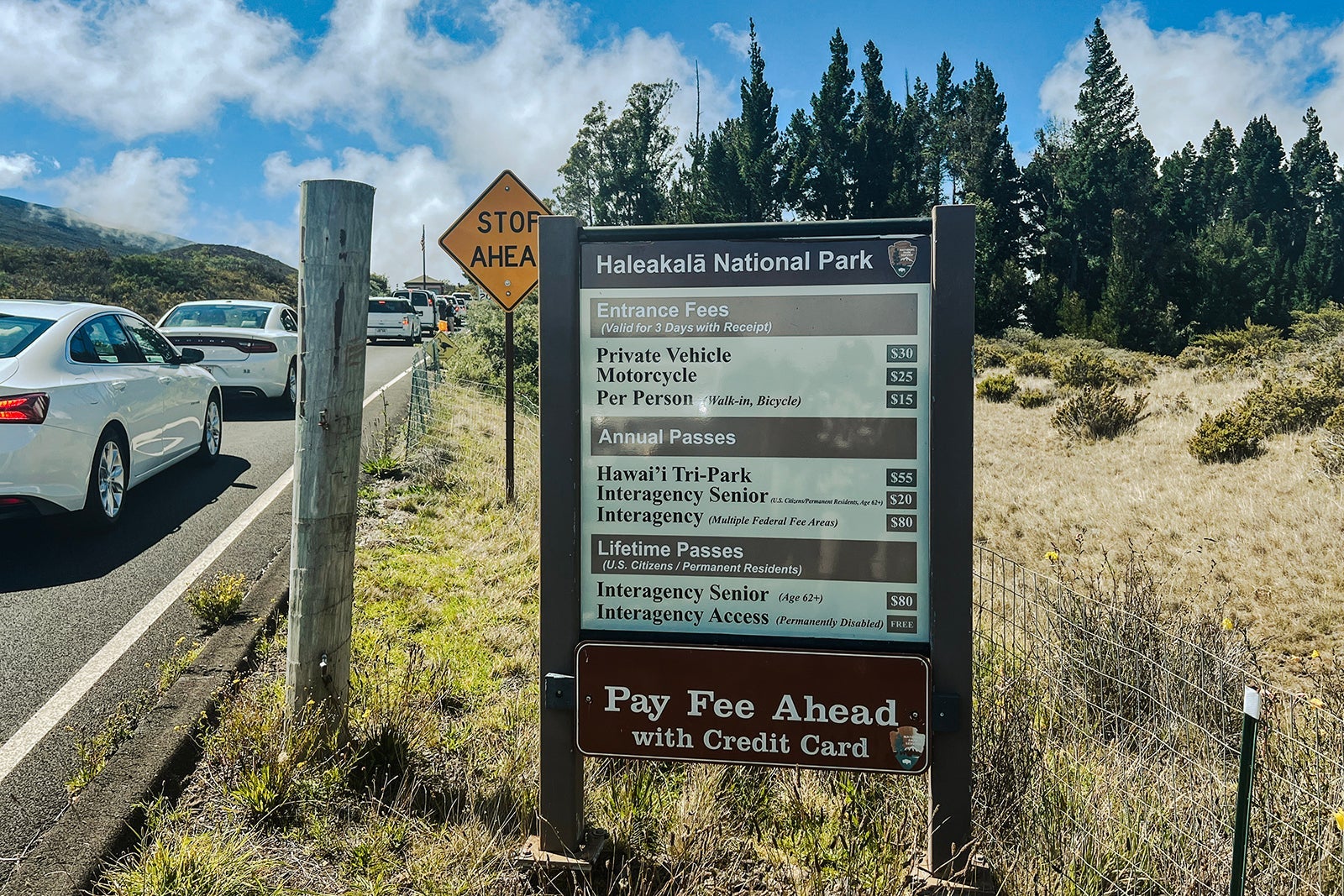
There are also already additional fees at lots of Hawaiian attractions, including Kee Beach on Kauai, Waianapanapa State Park on Maui, and Diamond Head State Monument on Oahu. I recently paid a $30 visitor entrance fee at Haleakala National Park on Maui.
Green-fee advocates told TPG the money would provide a sustained funding pool for community organizations, state agencies and local governments to implement and scale conservation work throughout Hawaii.
Related: Traveling to Hawaii just got a whole lot easier; TPG was among the 1st to try it out
Gov. Josh Green said, "If we don't take substantial action, not only will the visitor experience be degraded, more importantly, we will have failed to be good caretakers of the Hawai'i we call home."
Related reading:
TPG featured card

at American Express's secure site
Terms & restrictions apply. See rates & fees.
| 4X | Earn 4X Membership Rewards® points per dollar spent on purchases at restaurants worldwide, on up to $50,000 in purchases per calendar year, then 1X points for the rest of the year. |
| 4X | Earn 4X Membership Rewards® points per dollar spent at US supermarkets, on up to $25,000 in purchases per calendar year, then 1X points for the rest of the year. |
| 5X | New! Earn 5X Membership Rewards® points on prepaid hotel stays booked through AmexTravel.com or the Amex Travel App. |
| 3X | Earn 3X Membership Rewards® points on flights booked through AmexTravel.com, the Amex Travel App, or purchased directly from airlines. |
| 2X | Earn 2X Membership Rewards® points on prepaid car rentals booked through AmexTravel.com or the Amex Travel App and cruises booked and paid through AmexTravel.com. |
| 1X | Earn 1X Membership Rewards® point per dollar spent on all other eligible purchases. |
Pros
- Valuable dining and food-related credits
- Flexible rewards with airline and hotel transfer partners
- Multiple travel and purchase protections
- No foreign transaction fees
- Access to Amex Offers for additional savings (enrollment required)
Cons
- Not as useful for those living outside the U.S.
- Some may have trouble using Uber and other dining credits
- You may be eligible for as high as 100,000 Membership Rewards® Points after you spend $8,000 in eligible purchases on your new Card in your first 6 months of Card Membership. Welcome offers vary and you may not be eligible for an offer. Apply to know if you’re approved and find out your exact welcome offer amount – all with no credit score impact. If you’re approved and choose to accept the Card, your score may be impacted.
- Earn 4X Membership Rewards® points per dollar spent on purchases at restaurants worldwide, on up to $50,000 in purchases per calendar year, then 1X points for the rest of the year.
- Earn 4X Membership Rewards® points per dollar spent at US supermarkets, on up to $25,000 in purchases per calendar year, then 1X points for the rest of the year.
- New! Earn 5X Membership Rewards® points on prepaid hotel stays booked through AmexTravel.com or the Amex Travel App.
- Earn 3X Membership Rewards® points on flights booked through AmexTravel.com, the Amex Travel App, or purchased directly from airlines.
- Earn 2X Membership Rewards® points on prepaid car rentals booked through AmexTravel.com or the Amex Travel App and cruises booked and paid through AmexTravel.com.
- Earn 1X Membership Rewards® point per dollar spent on all other eligible purchases.
- Pay It® lets you tap in the American Express® App to quickly pay for small purchase amounts throughout the month and still earn rewards the way you usually do. Plan It® gives you the option to split up big purchases into equal monthly payments with a fixed fee. You’ll know upfront exactly how much you’ll pay.
- Updated! $120 Dining Credit: Earn up to a total of $10 in statement credits monthly when you pay with the Gold Card at Grubhub (including Seamless), Buffalo Wild Wings, Five Guys, The Cheesecake Factory, and Wonder. This can be an annual savings of up to $120. Enrollment required.
- $100 Resy Credit: Get up to $100 in statement credits each calendar year at over 10,000 qualifying U.S. Resy restaurants after you pay for eligible purchases with the American Express® Gold Card. That’s up to $50 in statement credits semi-annually. Enrollment required.
- $84 Dunkin' Credit: Earn up to $7 in monthly statement credits after you pay with the American Express® Gold Card at U.S. Dunkin’ locations. Enrollment required.
- $120 Uber Cash on Gold: Enjoy up to $120 in Uber Cash annually with your Gold Card. Just add your Card to your Uber account and you'll get $10 in Uber Cash each month to use on orders and rides in the U.S. when you select an Amex Card for your transaction.
- New! As an American Express® Gold Card Member, you can enjoy complimentary Hertz Five Star® Status. Enjoy benefits like skipping the counter at select locations, adding an additional driver at no additional cost*, and vehicle upgrades**. Benefit enrollment and Hertz Gold+ registration are required. *Additional drivers must meet standard rental qualifications and must be a spouse or domestic partner to qualify as complimentary. Other additional drivers subject to fees. **Benefits are subject to availability and vary by location. Additional Hertz program Terms and Conditions including age restrictions apply.
- Take advantage of a $100 credit towards eligible charges* at over 1,300 upscale hotels worldwide when you book The Hotel Collection through AmexTravel.com or the Amex Travel App **. *Eligible charges vary by property. **The Hotel Collection requires a two-night minimum stay.
- Book your travel through the Amex Travel App with added peace of mind – backed by American Express® service and support. Only for American Express® Card Members.
- Whenever you need us, we're here. Our Member Services team will ensure you are taken care of. From lost Card replacement to statement questions, we are available to help 24/7.
- No Foreign Transaction Fees.
- Annual Fee is $325.
- Terms Apply.