Hawaii storm update: What to do if you have a trip planned to the islands


Editor's Note
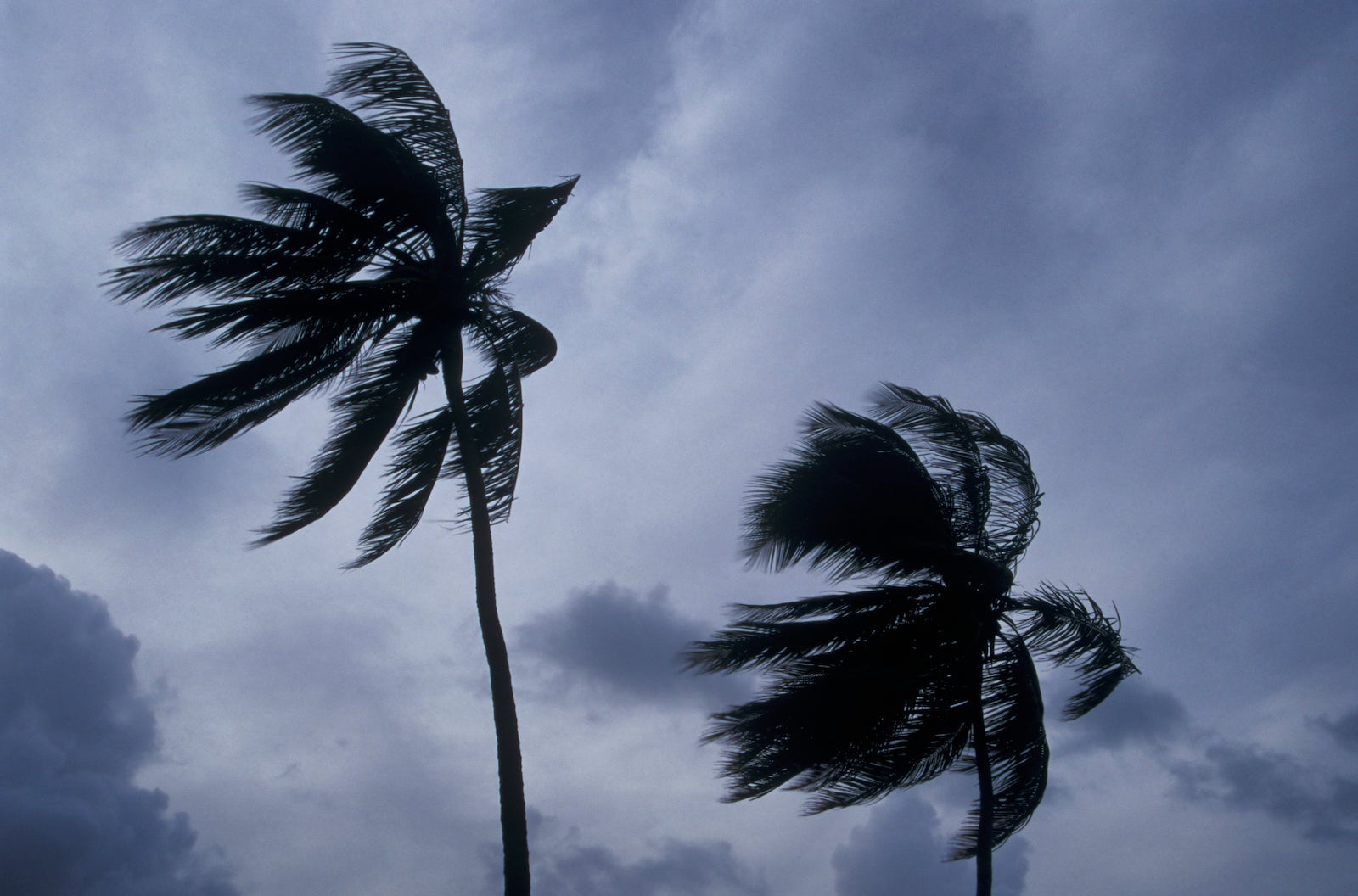
Hawaii is expecting another kona low storm, a type of seasonal cyclone, this week, according to Hawaii News Now, and the storm runoff has created hazardous water conditions, causing restrictions like no swimming due to brown water across the islands.
Scattered showers are expected through Saturday, March 21.
With the ground already saturated by the kona low storm that passed through the Hawaiian Islands last weekend, the potential for flash flooding remains in some parts of Hawaii. Wind advisories and flight cancellations also remain a concern with this latest storm.
While some islands have been affected more than others, with Maui and the Island of Hawaii receiving the brunt of the previous storm, all may be affected in one way or another by this new storm.
Here's a guide on what to do if you have a trip planned to Hawaii in the coming days.
Is it safe to travel to Hawaii?
If you have a trip planned, we advise checking with your airline and hotel for the status of your reservations. Some travelers currently in Hawaii are stranded on some of the islands until at least Wednesday due to airline cancellations from the weekend (more on that below). The Hawaii Tourism Authority website listed a storm warning banner urging all visitors to check their flight status.
Hawaii Gov. Josh Green released the following statement earlier this week.
"The state of Hawaiʻi has been weathering a powerful storm this weekend and I want to reassure travelers that there is no reason to cancel or postpone your visit to our islands," Gov. Green said. "Our first responders, emergency management teams and visitor industry workers have been extraordinary throughout this storm, working around the clock to keep our communities and guests safe. The people of Hawaiʻi have once again shown aloha and what it means to care for one another and for our visitors."
On Maui, flooding in the popular town of Kihei washed out roads, as reported by Hawaii News Now, and cleanup is underway. There are multiple other road closures on the island as well; updated information is available on the Maui County government website.
In short, while it's generally safe to travel to and around Hawaii at the moment, conditions vary depending on the island and the specific region, so be sure to stay up to date on weather advisories in your area.
Which islands in Hawaii currently have travel advisories?
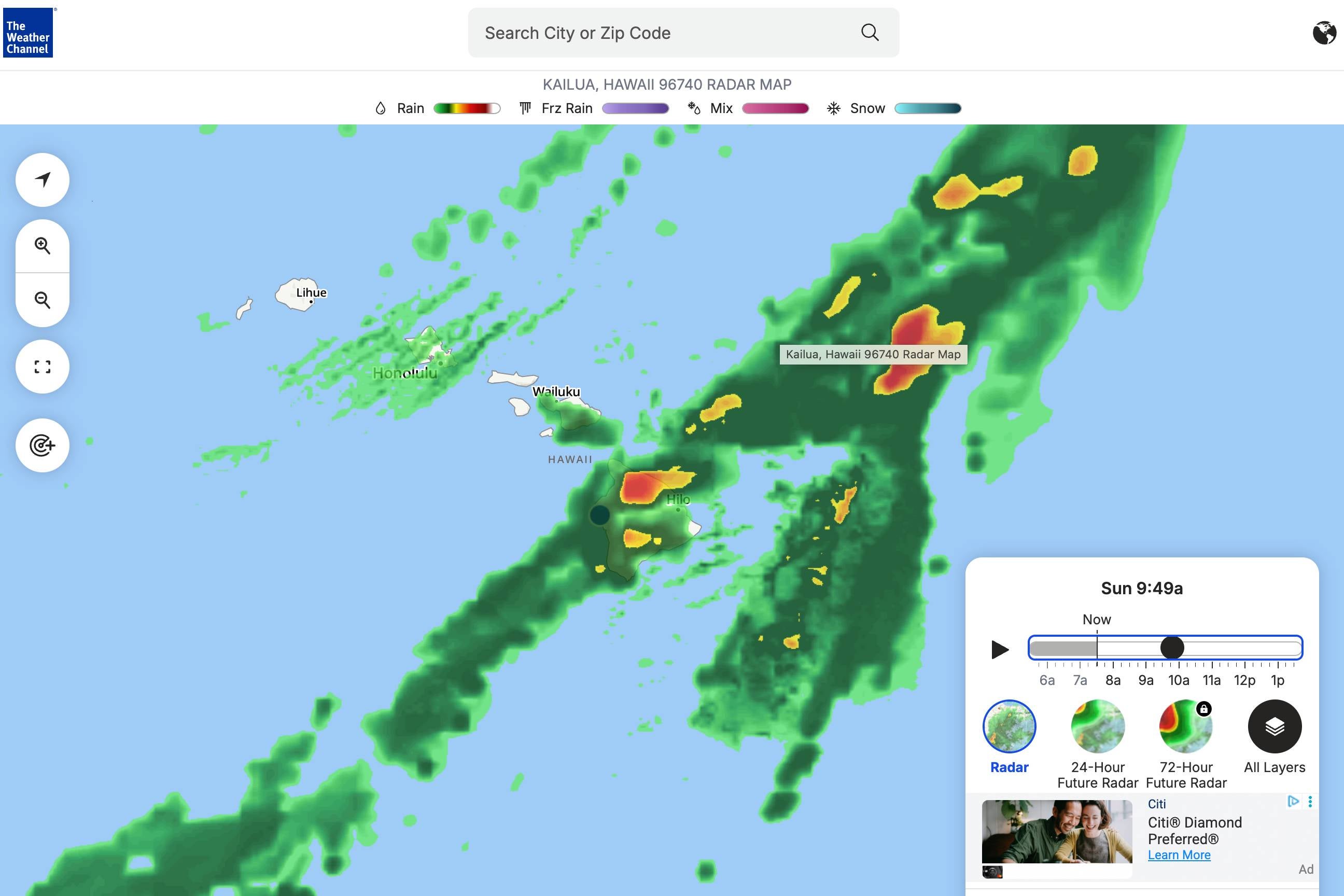
Depending on where you are planning to travel, you should check in on local weather and individual island weather sites to see if the areas you will be in are currently or will continue to be affected.
Maui County's flood watch expired at 6 a.m. local time on Monday, March 16, as noted on its emergency alert website. The famous Road to Hana on Maui is partially closed due to the storm, allowing local traffic only, with one lane open.
Farther south on the Island of Hawaii, the storm has passed over, but new rainy conditions are expected for the remainder of this week, according to The Weather Channel's 10-day forecast. The Hawaii Emergency Management Agency published a weather risk outlook when the first kona low storm was expected last week, and it's likely to be updated again this week if needed.
Hawaii airport delays and cancellations
Currently, there are several delays and almost no cancellations at Hawaii's airports. Over the weekend, there were more than 60 delays and 40 cancellations. According to FlightAware data for each airport, at the time of publication, these were the current conditions at Hawaii's major airports:
- Maui's Kahului Airport (OGG) had 25 flight delays and zero cancellations.
- Honolulu's Daniel K. Inouye International Airport (HNL) recorded 37 delays and one cancellation.
- The Big Island's Ellison Onizuka Kona International Airport at Keahole (KOA) recorded eight delays and zero cancellations, while the island's Hilo International Airport (ITO) recorded four delays and zero cancellations.
- Kauai's Lihue Airport (LIH) recorded 10 delays and one cancellation.
Several other smaller Hawaiian airports were also affected.
Airline travel advisories to Hawaii
As of publication, the following airlines were posting travel advisories and flexible change and cancellation policies to the listed airports.
Alaska Airlines and Hawaiian Airlines
Hawaiian Airlines' travel advisory page notes the following flexible travel policy in effect.
Airports: OGG, HNL, KOA, ITO and LIH
Dates: Applicable to tickets purchased on or before March 11 for travel from March 11 to 21
You can change your trip without a fee or fare difference for new travel in the same cabin, or you can cancel your trip without a fee and receive funds deposited into your account wallet or a credit certificate for future travel.
This applies to tickets issued by Alaska Airlines and Hawaiian Airlines, with flights operated by Alaska, Hawaiian, Horizon Air and SkyWest Airlines.
American Airlines
According to American Airlines' travel advisory page, the flexible travel policy has expired.
Delta Air Lines
Delta does not currently have a travel advisory in place for Hawaii on its website.
Southwest Airlines
Southwest does not currently have a travel advisory listed for Hawaii online.
United Airlines
According to United's travel advisory page, the flexible travel policy for Hawaii has expired.
What to do if you have a hotel or vacation rental booked in Hawaii
If you have an upcoming trip to Hawaii, you might want to contact your hotel or vacation rental directly to ensure that its amenities will be open and functioning as usual.
For now, the major hotel companies, including Hilton, Hyatt, IHG and Marriott, do not have any travel advisories or waivers in place for travelers with future plans. However, if you have an upcoming trip and are having second thoughts, check your reservation to see if you are still within the eligible cancellation window so you can adjust your plans based on your comfort level.
If you booked a nonrefundable room rate, you're likely out of luck if you do want to change your plans.
As for vacation rentals with services like Airbnb, many of these have major disruptive events cancellation policies that include severe weather, though you will likely have to show that your plans have been totally thrown off course (i.e., your flights are canceled or your rental will be inaccessible due to road closures or major utility outages) to be eligible. If the policy applies to your rental, you can cancel your reservation and receive a refund or travel credit without additional fees.
Will your credit card or trip insurance cover changes or disruptions?
TPG has a comprehensive guide on credit cards that covers trip cancellations and interruptions, as well as what travel disruptions might qualify as a natural disaster or due to adverse conditions like a major storm.
Related: 4 times your credit card's travel insurance can help with travel woes, and 7 times it won't
This type of insurance generally covers nonrefundable expenses if you need to cancel your trip (or the remainder of your trip) due to a natural disaster. However, credit card insurance policies vary, so check your benefits guide for specific exclusions.
And remember, credit card travel insurance only applies to purchases made on that card, so if you used a different payment method for portions of your trip, you won't be covered for that.
Bottom line
If you have a trip to Hawaii planned in the next week or so, proactively keep an eye on the news and your airline flight status, as some airlines have issued travel waivers extending through March 21. You can also refer to the resources below for updated conditions on weather, storm activity and water advisories.
- For the latest weather information, visitors should check the National Weather Service website at weather.gov/hfo.
- For visitor information, head to gohawaii.com, download the GoHawaii App or call 1-800-464-2924 (available 24 hours a day).
- Visitors can also refer to the Hawaii Tourism Authority's "Visitor's Guide to Kona Low Storm Systems" and local news, radio and weather stations for additional information.
- For the latest water advisories, visit the Hawaii Department of Health's Environmental Health Portal.
- Before heading out to the beach, check wind, surf and water hazards at safebeachday.com/state/hawaii.