
That's thanks to the new ViaSat-3 satellite that finally blasted off into space on Sunday evening at 8:26 p.m. from NASA’s Kennedy Space Center in Florida.

Now that this satellite is on its way to its final orbital location — a process that should take just a few more weeks, likely until June or July — all eyes now turn to the benefits that ViaSat-3 will provide. Perhaps the most important benefit is additional capacity for inflight internet users.
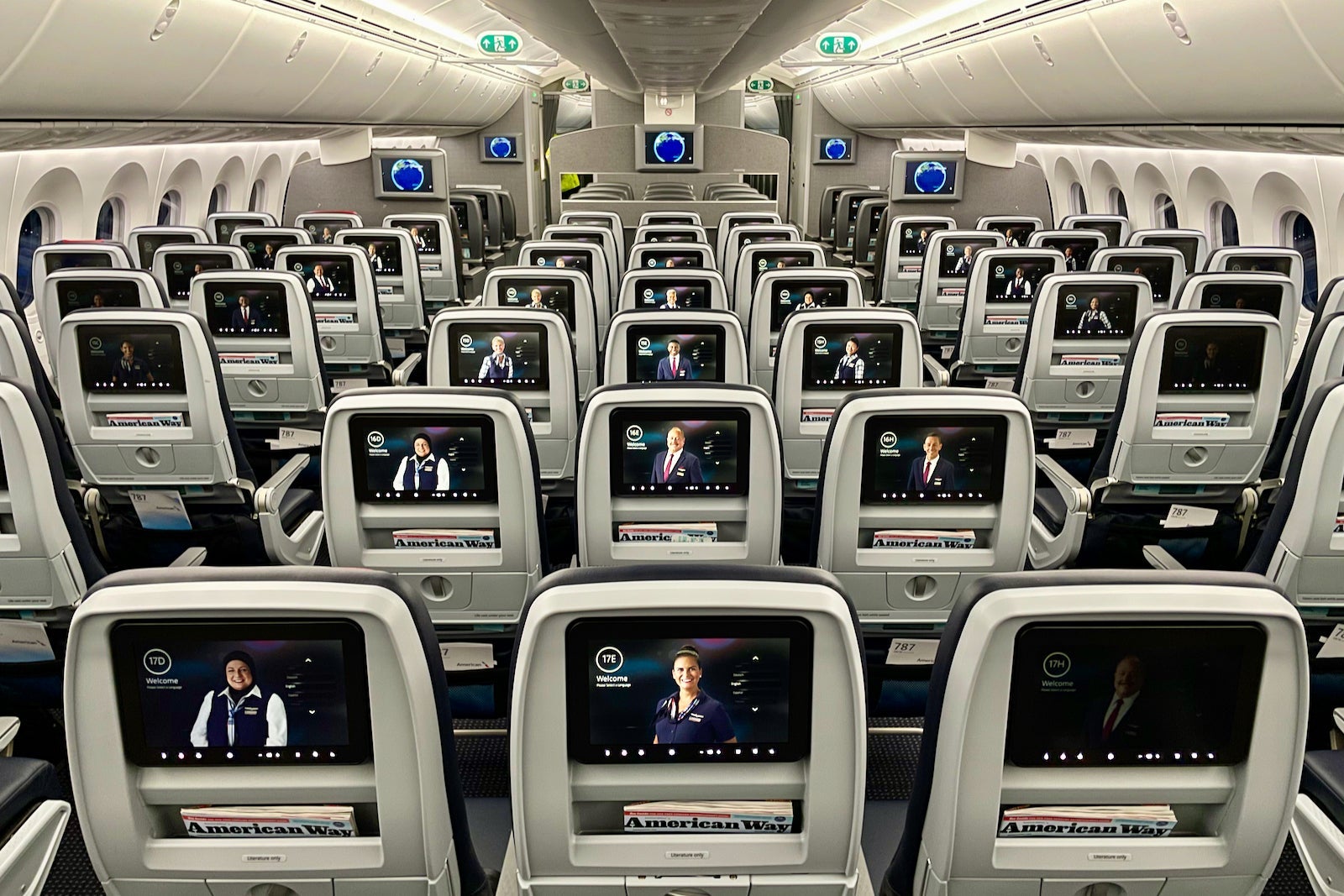
ViaSat, known as one of the leading providers of satellite-based inflight connectivity, is outfitted on nearly 2,000 aircraft worldwide. It's present on jets operated by American Airlines, Delta Air Lines, JetBlue and United Airlines.
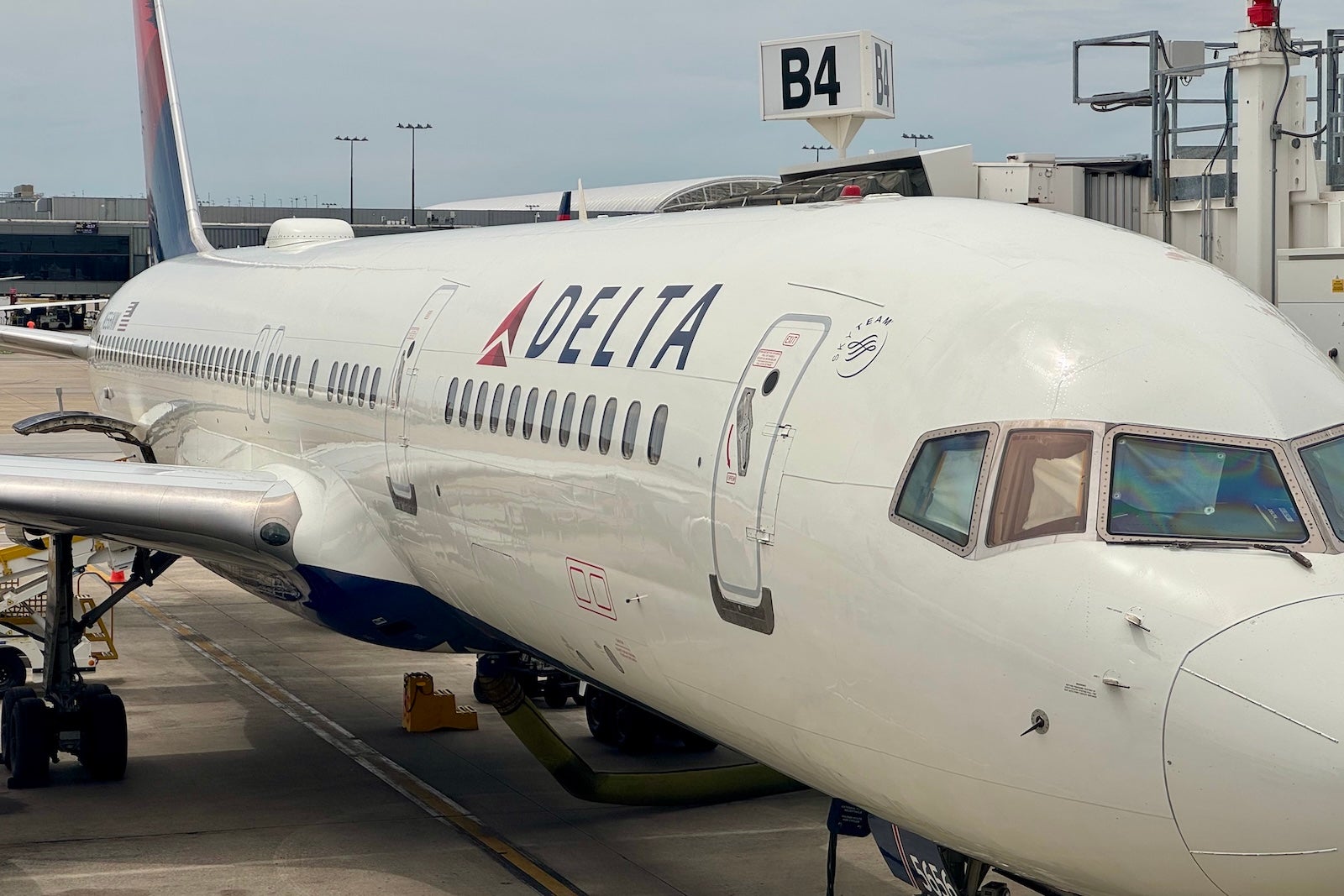
Much of American's domestic fleet is outfitted with ViaSat; Delta already has its Airbus A319 and A321, as well as its Boeing 737-800, 737-900 and 757-200 fleets, configured with ViaSat. Delta promises to bring this upgraded connection (and free connectivity) to its entire mainline fleet by the end of next year.
JetBlue was the first U.S. airline to offer free Wi-Fi on all of its planes, and they are connected to the ViaSat network. Southwest has also promised to use ViaSat on its future Boeing 737 MAX deliveries.
Even as Wi-Fi has become a staple of the inflight experience in recent years, the technology hasn't necessarily kept up with the advances we've seen on the ground. Nowadays, flyers expect to stream content and browse social media without any lag or disruption, just like they would at home.

Yet the existing infrastructure and legacy satellite network haven't necessarily been able to provide those speeds and throughput. This is especially true when a planeload of flyers is trying to use the internet at once.
That's where ViaSat-3 comes in.
These upgraded satellites are unique in that they are the highest capacity satellites ever built: They deliver over 1 Terabit per second (Tbps) of throughput capacity each. Also, with the ability to move this capacity between beams on the satellite, ViaSat can essentially strengthen the signal during times of peak demand in certain areas.
What this really means for travelers is that ViaSat will be able to allocate capacity as needed to its fleet of connected airplanes throughout the day.
For instance, when the clock strikes 9 a.m. on the East Coast, the company can bolster the bandwidth delivered to jets flying through the biggest hubs in the area, including New York, Boston, Atlanta and Charlotte. At the same time, it can shift some capacity away from planes flying around Los Angeles and San Francisco since it'd only be 6 a.m. on the West Coast — just at the beginning of the first departure bank each morning.
All this to say, now that the company's third-generation satellite is on its way to its final orbital position, inflight Wi-Fi is about to get faster and more reliable if you're flying on a ViaSat-equipped aircraft.
The first region to experience this connectivity boost will be the Americas. ViaSat plans two additional third-generation satellites, one for the EMEA (Europe, the Middle East and Africa) region and another for the Asia Pacific region. Once complete, the entire constellation will provide worldwide coverage, something ViaSat doesn't currently offer.
ViaSat began devising this third generation of satellites back in 2015, but the launch faced multiple delays along the way.
As the competitive pressure mounts on airlines to offer free Wi-Fi, this upgraded technology should certainly help allay any concerns about a lack of bandwidth.

While ViaSat has recently been the leading provider of satellite-based inflight Wi-Fi, the company faces stiff competition from Elon Musk's Starlink. Starlink recently debuted on JSX and will be outfitted on Hawaiian Airlines jets in the coming months and years.
Earlier this year, I flew on one of JSX's Starlink-enabled jets, and I was blown away by the speeds, reliability and performance of the network.

I had no trouble connecting five of Apple's most powerful devices, and downloading shows and music albums took mere seconds. I was even able to host a Zoom meeting and a FaceTime call without any lag or buffering whatsoever.
Regardless of how you feel about turning a metal tube traveling 500 miles per hour 30,000 feet in the sky into a mobile office, one thing is for certain: The technology to enable this is just weeks away from coming to the ViaSat network in the Americas.
Related reading:
- When is the best time to book flights for the cheapest airfare?
- The best airline credit cards
- What exactly are airline miles, anyway?
- 6 real-life strategies you can use when your flight is canceled or delayed
- Maximize your airfare: The best credit cards for booking flights
- The best credit cards to reach elite status
- What are points and miles worth? TPG’s monthly valuations