Travelers may now be breaking the law by refusing to wear a face mask

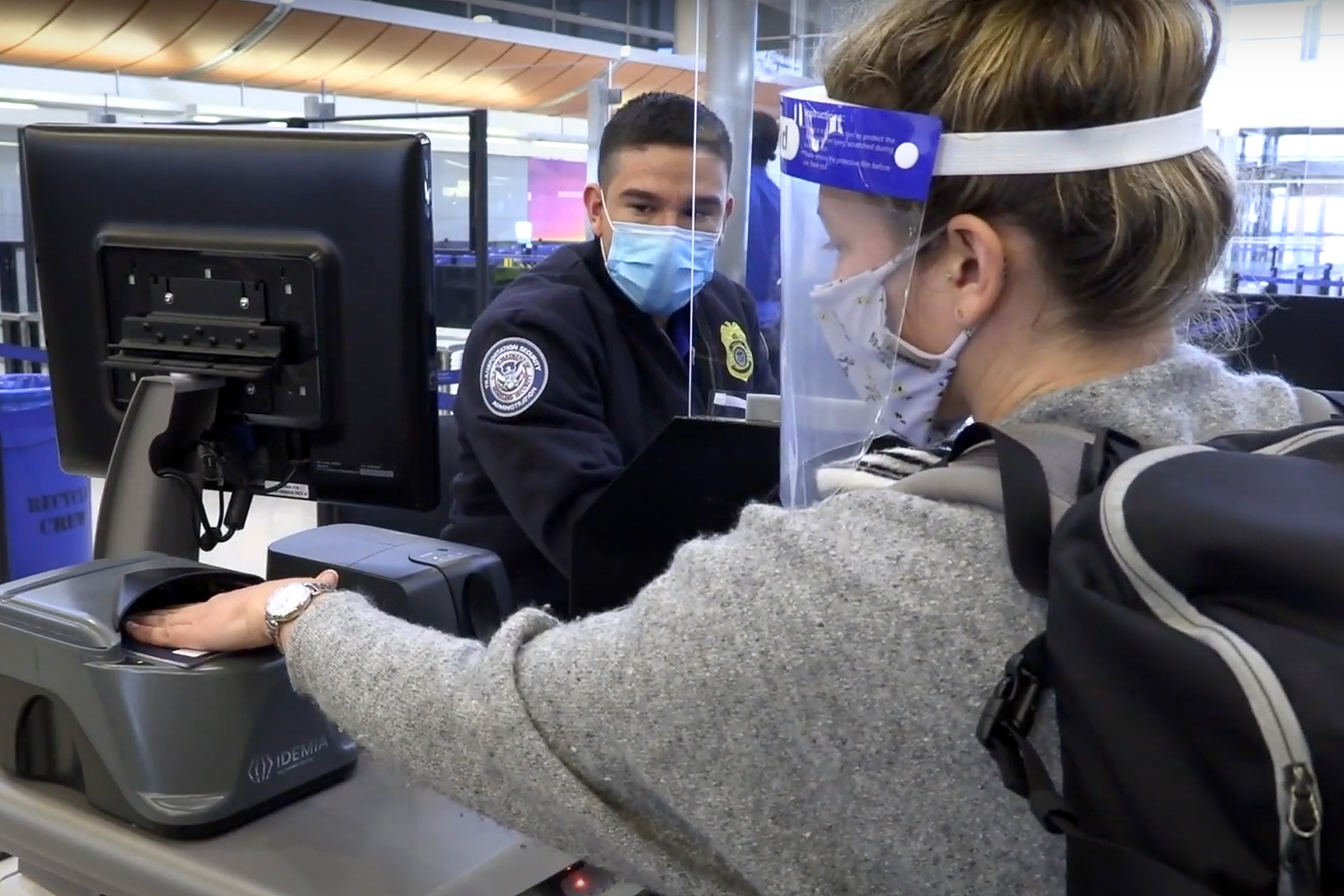
For much of the pandemic, the CDC has recommended that you cover your face whenever you're around people outside your household. It's always been the most effective measure when it comes to reducing the spread of COVID-19, but now you have no choice but to comply — as of this week, in many cases, face masks are required by federal law.
A new federal mandate kicks in tomorrow, Feb. 2 — as TPG's Victoria Walker reported over the weekend, face masks must be worn on all public transportation in the United States, including airplanes, trains, buses, taxis and rideshare services.
For months, all U.S. airlines have required that their customers wear masks onboard flights and in many areas within the airport — now, you'll be legally obligated to wear them onboard all flights that touch the United States, and within all U.S. airports, including at TSA checkpoints.
The TSA — one of the agencies tasked with enforcing the mandate — is clear on what constitutes an appropriate face covering:
"According to the CDC Order, face masks should cover the nose and mouth and fit snugly against the sides without gaps. Masks can be either manufactured or homemade and should be a solid piece of material without slits, exhalation valves, or punctures. While medical masks and N-95 respirators fulfill CDC and TSA's requirements, face shields and/or goggles are not an acceptable substitute for the use of a mask; however, they may be used in addition to an acceptable mask."
While you will be permitted to remove your mask to eat and drink, the TSA's security directive is specific about how quickly it needs to be replaced, stating that masks "must be worn between bites and sips."
Similarly, you may be required to briefly lower your mask so a TSA officer can confirm your identity at a screening checkpoint, though it should be promptly replaced. Customers with Clear memberships may be able to avoid lowering their masks by beginning the screening process at a Clear kiosk.
There are very limited exceptions for travelers with specific conditions, as well. Namely, you may be able to avoid wearing a mask if you are:
- Actively vomiting
- Under the age of two
- Short of breath (you can remove the mask to catch your breath)
- Unable to breathe without supplemental oxygen, and are wearing an oxygen mask
- Have a very specific disability, as defined by the Americans with Disabilities Act
Additionally, you can remove your mask if you are actively communicating with an individual who is deaf or hard of hearing, and won't be able to understand what you're saying if they're unable to see your mouth.

Related: Traveling during the pandemic? It might be time to upgrade your mask
What penalties might you face if you don't comply? It's likely to depend on how you respond when confronted. In you replace your mask right away, you might get off with a verbal warning. If you don't, you may be removed from the airport and banned from the airline. If the situation escalates, you might be looking at steep fines, or criminal penalties, if law enforcement becomes involved.
Ultimately, it's in everyone's best interest for you to comply. This law is intended to curb the spread of COVID-19, and masks are an effective measure — by wearing one around people outside your household, you may even help save lives.
TPG featured card
at American Express's secure site
Terms & restrictions apply. See rates & fees.
| 4X | Earn 4X Membership Rewards® points per dollar spent on purchases at restaurants worldwide, on up to $50,000 in purchases per calendar year, then 1X points for the rest of the year. |
| 4X | Earn 4X Membership Rewards® points per dollar spent at US supermarkets, on up to $25,000 in purchases per calendar year, then 1X points for the rest of the year. |
| 5X | Earn 5X Membership Rewards® points on prepaid hotel stays booked through AmexTravel.com or the Amex Travel App™. |
| 3X | Earn 3X Membership Rewards® points on flights booked through AmexTravel.com, the Amex Travel App™, or purchased directly from airlines. |
| 2X | Earn 2X Membership Rewards® points on prepaid car rentals booked through AmexTravel.com or the Amex Travel App™ and cruises booked and paid through AmexTravel.com. |
| 1X | Earn 1X Membership Rewards® point per dollar spent on all other eligible purchases. |
Pros
- Valuable dining and food-related credits
- Flexible rewards with airline and hotel transfer partners
- Multiple travel and purchase protections
- No foreign transaction fees
- Access to Amex Offers for additional savings (enrollment required)
Cons
- Not as useful for those living outside the U.S.
- Some may have trouble using Uber and other dining credits
- You may be eligible for as high as 100,000 Membership Rewards® Points after you spend $8,000 in eligible purchases on your new Card in your first 6 months of Card Membership. Welcome offers vary and you may not be eligible for an offer. Apply to know if you’re approved and find out your exact welcome offer amount – all with no credit score impact. If you’re approved and choose to accept the Card, your score may be impacted.
- Earn 4X Membership Rewards® points per dollar spent on purchases at restaurants worldwide, on up to $50,000 in purchases per calendar year, then 1X points for the rest of the year.
- Earn 4X Membership Rewards® points per dollar spent at US supermarkets, on up to $25,000 in purchases per calendar year, then 1X points for the rest of the year.
- Earn 5X Membership Rewards® points on prepaid hotel stays booked through AmexTravel.com or the Amex Travel App™.
- Earn 3X Membership Rewards® points on flights booked through AmexTravel.com, the Amex Travel App™, or purchased directly from airlines.
- Earn 2X Membership Rewards® points on prepaid car rentals booked through AmexTravel.com or the Amex Travel App™ and cruises booked and paid through AmexTravel.com.
- Earn 1X Membership Rewards® point per dollar spent on all other eligible purchases.
- Pay It® lets you tap in the American Express® App to quickly pay for small purchase amounts throughout the month and still earn rewards the way you usually do. Plan It® gives you the option to split up big purchases into equal monthly payments with a fixed fee. You’ll know upfront exactly how much you’ll pay.
- $120 Dining Credit: Earn up to a total of $10 in statement credits monthly when you pay with the Gold Card at Grubhub (including Seamless), Buffalo Wild Wings, Five Guys, The Cheesecake Factory, and Wonder. This can be an annual savings of up to $120. Enrollment required.
- $100 Resy Credit: Get up to $100 in statement credits each calendar year at over 10,000 qualifying U.S. Resy restaurants after you pay for eligible purchases with the American Express® Gold Card. That’s up to $50 in statement credits semi-annually. Enrollment required.
- $84 Dunkin' Credit: Earn up to $7 in monthly statement credits after you pay with the American Express® Gold Card at U.S. Dunkin’ locations. Enrollment required.
- $120 Uber Cash on Gold: Enjoy up to $120 in Uber Cash annually with your Gold Card. Just add your Card to your Uber account and you'll get $10 in Uber Cash each month to use on orders and rides in the U.S. when you select an Amex Card for your transaction.
- Enjoy complimentary Hertz Five Star® Status benefits like skipping the counter at select locations, adding an additional driver at no additional cost*, and vehicle upgrades**. Benefit enrollment and Hertz Gold+ registration are required. *Additional drivers must meet standard rental qualifications and must be a spouse or domestic partner to qualify as complimentary. Other additional drivers subject to fees. **Benefits are subject to availability and vary by location. Additional Hertz program Terms and Conditions including age restrictions apply.
- Book two nights or more with The Hotel Collection through AmexTravel.com or the Amex Travel App™ and receive a $100* credit towards eligible charges at over 1,400 upscale hotels worldwide. *Eligible charges vary by property.
- Book your travel through the Amex Travel App™ with added peace of mind – backed by American Express® service and support. Only for American Express® Card Members.
- Whenever you need us, we're here. Our Member Services team will ensure you are taken care of. From lost Card replacement to statement questions, we are available to help 24/7.
- No Foreign Transaction Fees.
- Annual Fee is $325.
- Terms Apply.