FAA names 50 airport buffer zones to counter potential 5G dangers

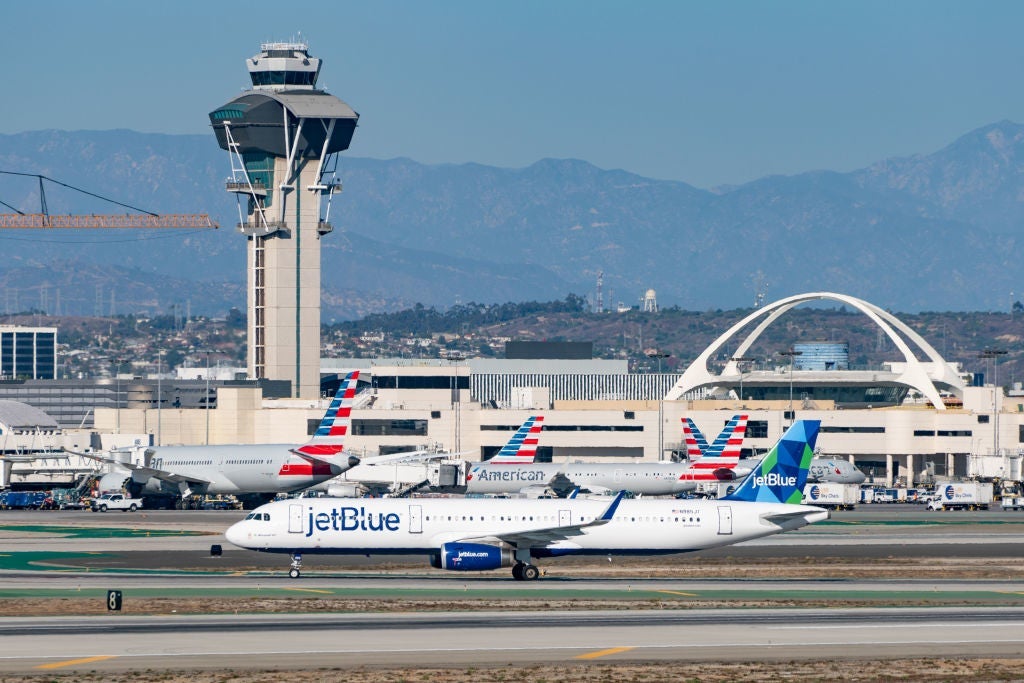
The ongoing story of the AT&T and Verizon 5G rollout continues. Concerns over air safety have delayed the debut of the new technology, originally scheduled to launch in early December.
AT&T and Verizon now plan to turn on the 5G switch on Jan. 19, with a big caveat. Or 50 big caveats to be more precise. Both carriers will activate the service with buffer zones near 50 airports for six months in order to monitor potential flight disruptions. These buffer zones will restrict the 5G signals closest to the airports, protecting the last 20 seconds of flight.
The rollout is a big deal for the two companies, and it's been a source of some high-stakes maneuvers lately.
Last year, the carriers secured access to a portion of the C-band spectrum, which will allow them to up their 5G game as far as speed and coverage are concerned. The problem is that certain aircraft instrumentation can be subject to interference from the C-band spectrum. Namely, the radio altimeters used in low-visibility conditions. Those instruments operate on an adjacent spectrum.
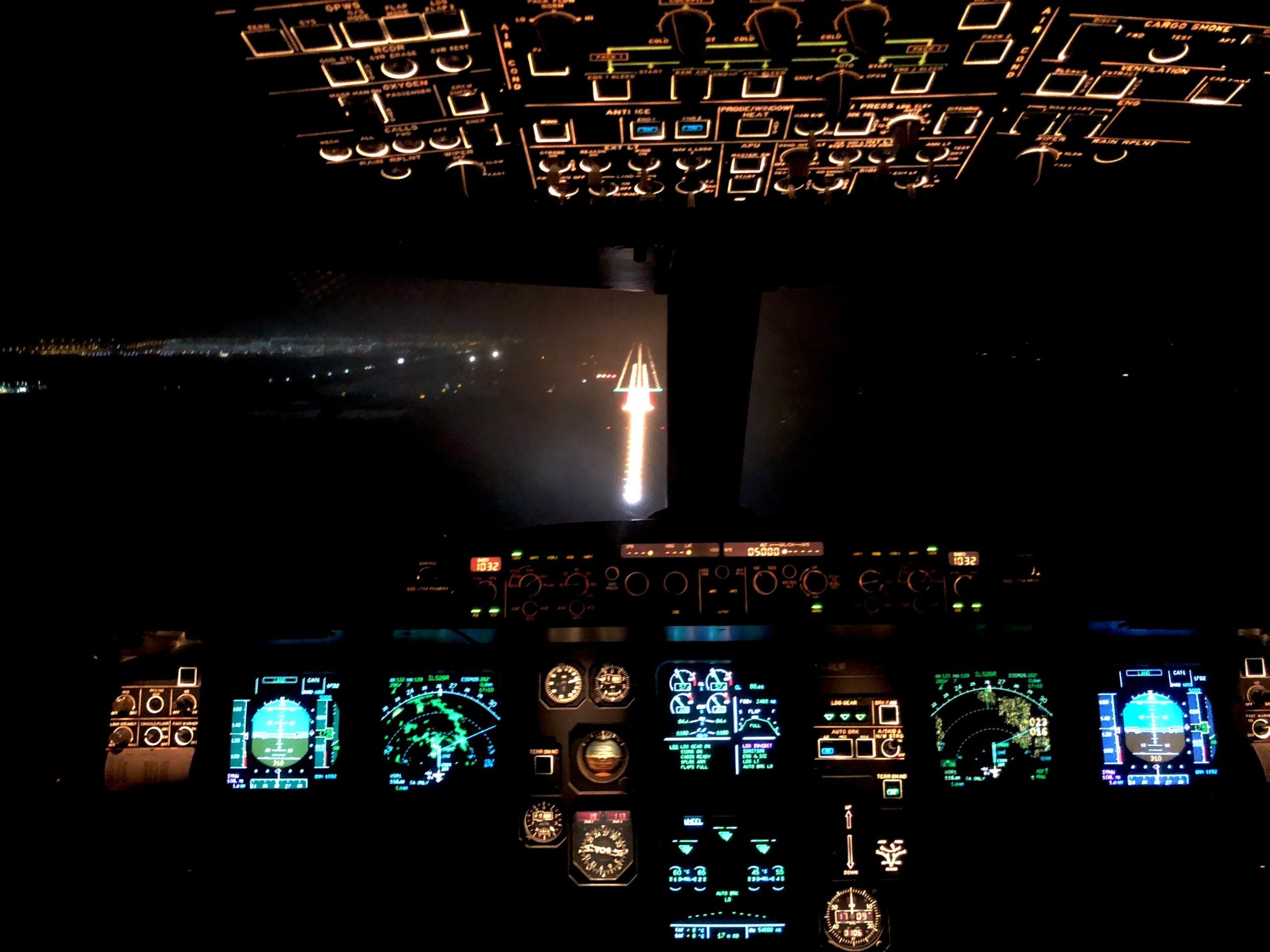
The telecom giants have pointed to months of safe C-band operations in Europe, particularly in France, in an attempt to bolster their claim. But federal aviation officials remain skeptical, citing studies that show a very real prospect for aircraft interference. The Federal Aviation Administration plans to release flight restrictions to address 5G safety concerns as soon as this week, according to the Wall Street Journal.
Related: What you need to know about 5G interfering with aircraft

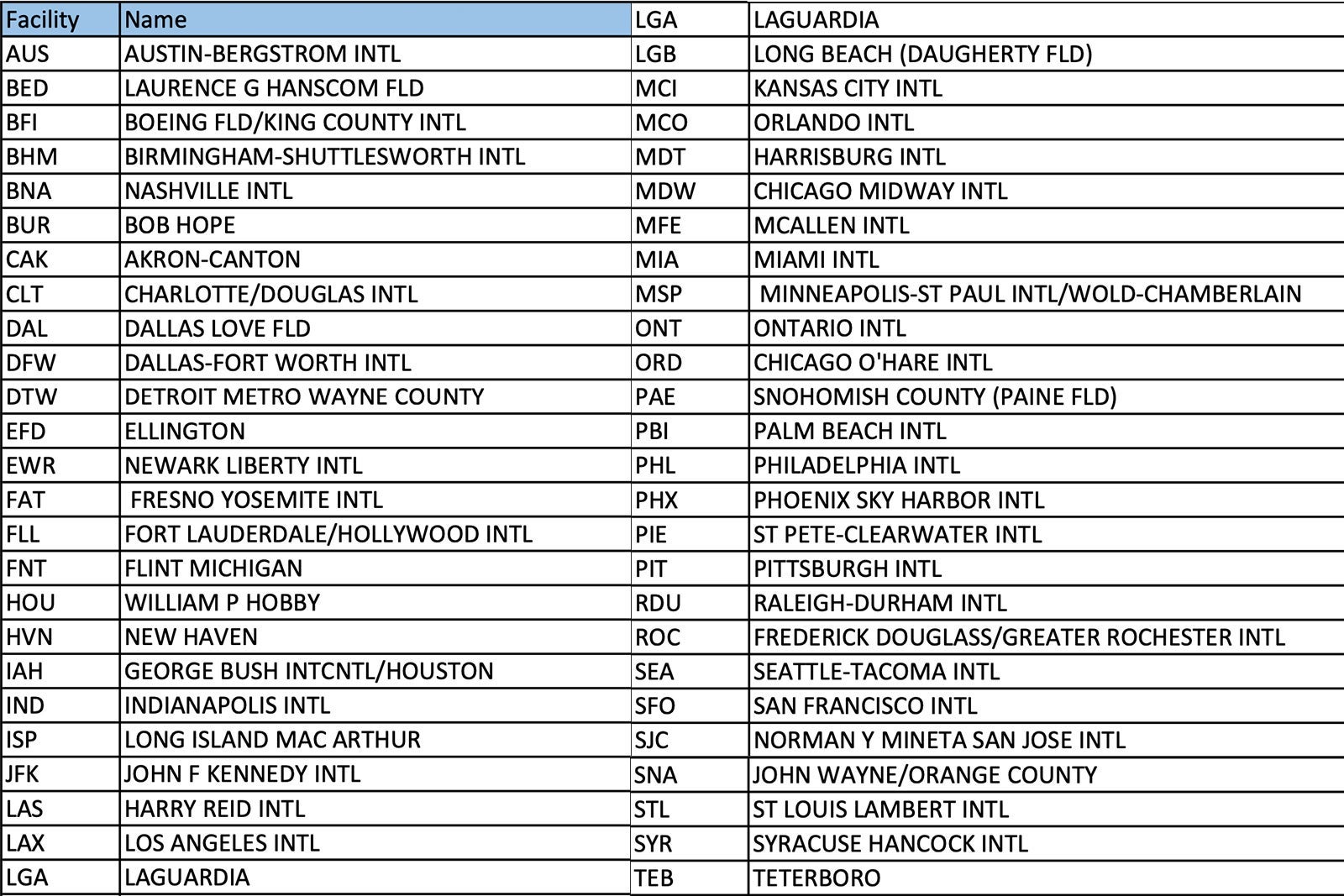
On Friday, the FAA identified the 50 airports that will include the 5G "buffer zones." The list features some of the country's busiest facilities, such as LAX and Chicago O'Hare. It also includes those known for low visibility, such as San Francisco International and Seattle/Tacoma International. The six-month delay will allow the feds to work with the airline and aerospace industries to ensure that operations can safely co-exist with 5G on the C-band spectrum.
Take a look at the list of airports from the FAA below.
For now, it's a compromise that all sides can live with.
TPG featured card

at Capital One's secure site
Terms & restrictions apply. See rates & fees.
| 5X miles | Earn 5X miles on hotels, vacation rentals and rental cars booked through Capital One Travel |
| 2X miles | Earn unlimited 2X miles on every purchase, every day |
Pros
- Stellar welcome offer of 75,000 miles after spending $4,000 on purchases in the first three months from account opening. Plus, a $250 Capital One Travel credit to use in your first cardholder year upon account opening.
- You'll earn 2 miles per dollar on every purchase, which means you won't have to worry about memorizing bonus categories
- Rewards are versatile and can be redeemed for a statement credit or transferred to Capital One’s transfer partners
Cons
- Highest bonus-earning categories only on travel booked via Capital One Travel
- LIMITED-TIME OFFER: Enjoy $250 to use on Capital One Travel in your first cardholder year, plus earn 75,000 bonus miles once you spend $4,000 on purchases within the first 3 months from account opening - that’s equal to $1,000 in travel
- Earn unlimited 2X miles on every purchase, every day
- Earn 5X miles on hotels, vacation rentals and rental cars booked through Capital One Travel
- Miles won't expire for the life of the account and there's no limit to how many you can earn
- Receive up to a $120 credit for Global Entry or TSA PreCheck®
- Use your miles to get reimbursed for any travel purchase—or redeem by booking a trip through Capital One Travel
- Enjoy a $50 experience credit and other premium benefits with every hotel and vacation rental booked from the Lifestyle Collection
- Transfer your miles to your choice of 15+ travel loyalty programs
- Top rated mobile app