The Points Guy believes that credit cards can transform lives, helping you leverage everyday spending for cash back or travel experiences that might otherwise be out of reach. That's why we publish a variety of editorial content and card comparisons: to help you find a great card to turn your goals into reality.
Our site may earn compensation when a customer clicks on a link, when an application is approved, or when an account is opened with our partners, and this may impact how or where these products appear. While we don't cover all available credit cards, our editorial team creates and maintains all of the analysis of these cards, and our content is not influenced nor subject to review by any credit card company, bank or partner prior to (or after) publication. Please view our advertising policy and product review methodology for more information.
Advertiser disclosure
The Points Guy believes that credit cards can transform lives, helping you leverage everyday spending for cash back or travel experiences that might otherwise be out of reach. That's why we publish a variety of editorial content and card comparisons: to help you find a great card to turn your goals into reality.
Our site may earn compensation when a customer clicks on a link, when an application is approved, or when an account is opened with our partners, and this may impact how or where these products appear. While we don't cover all available credit cards, our editorial team creates and maintains all of the analysis of these cards, and our content is not influenced nor subject to review by any credit card company, bank or partner prior to (or after) publication. Please view our advertising policy and product review methodology for more information.
News
EU plans to strengthen passenger rights, compensation rules: What travelers need to know
Featured image by JAKUB PORZYCKI/NURPHOTO VIA GETTY IMAGES
Sean Cudahy is an aviation reporter covering news about airlines, frequent flyer programs and consumer travel issues.
June 17, 2026 • 7 min read
The cards we feature here are from partners who compensate us when you are approved through our site, and this may impact how or where these products appear. We don't cover all available credit cards, but our analysis, reviews, and opinions are entirely from our editorial team. Terms apply to the offers listed on this page. Please view our advertising policy and product review methodology for more information.Editorial disclaimer: Opinions expressed here are the author's alone, not those of any bank, credit card issuer, airline or hotel chain, and have not been reviewed, approved or otherwise endorsed by any of these entities.
Comments
By commenting, you agree to our Community Guidelines to help create a positive space for conversation. The responses below are not provided or commissioned by the bank advertiser, our partners, or The Points Guy (“TPG”). They have not been reviewed, approved, or otherwise endorsed by any of these parties. All responses are submitted by individual contributors, and neither the bank advertiser, our partners, nor TPG are responsible for ensuring that all posts and/or questions are answered.
Related stories
Quick summary
European Union leaders have agreed to strengthen passenger protections under the longstanding EU261 regulation.
The updates will require airlines to proactively inform travelers about compensation eligibility and provide clear claim instructions after delays or cancellations.
Airlines must reroute passengers within three hours of a cancellation or allow self-rerouting with reimbursement up to 400% of the original ticket price.
Non-cash protections, such as meals, refreshments and hotel accommodations during disruptions, are clarified and expanded.
What to consider
The new rules are not yet finalized and still require formal approval by the European Parliament and EU Council.
Compensation does not apply in cases of extraordinary circumstances outside the airline's control, such as severe weather.
U.S. travelers flying to, from or within the EU may be eligible for these protections, which are more robust than current U.S. regulations.
What you'll miss from the article
A detailed breakdown of compensation amounts, eligibility scenarios and step-by-step guidance for claiming your rights under the updated EU261 rules.
Generated by AI with support from our editorial team.
It looks like passenger protections are about to get even stronger for travelers flying in Europe.
This week, leaders in the European Union agreed to a series of updates to the decades-old provision known as “EU261.” The changes could make it easier to get compensated when your flight gets delayed or canceled.
Under the framework passed this week, airlines would have to alert passengers when they may be owed cash compensation for flight disruptions and provide clear instructions on how to get paid.
The rules would also require airlines to be more diligent about rerouting passengers when a flight is canceled.
EU261 details
Who is covered by EU261?
EU261 protections apply to:
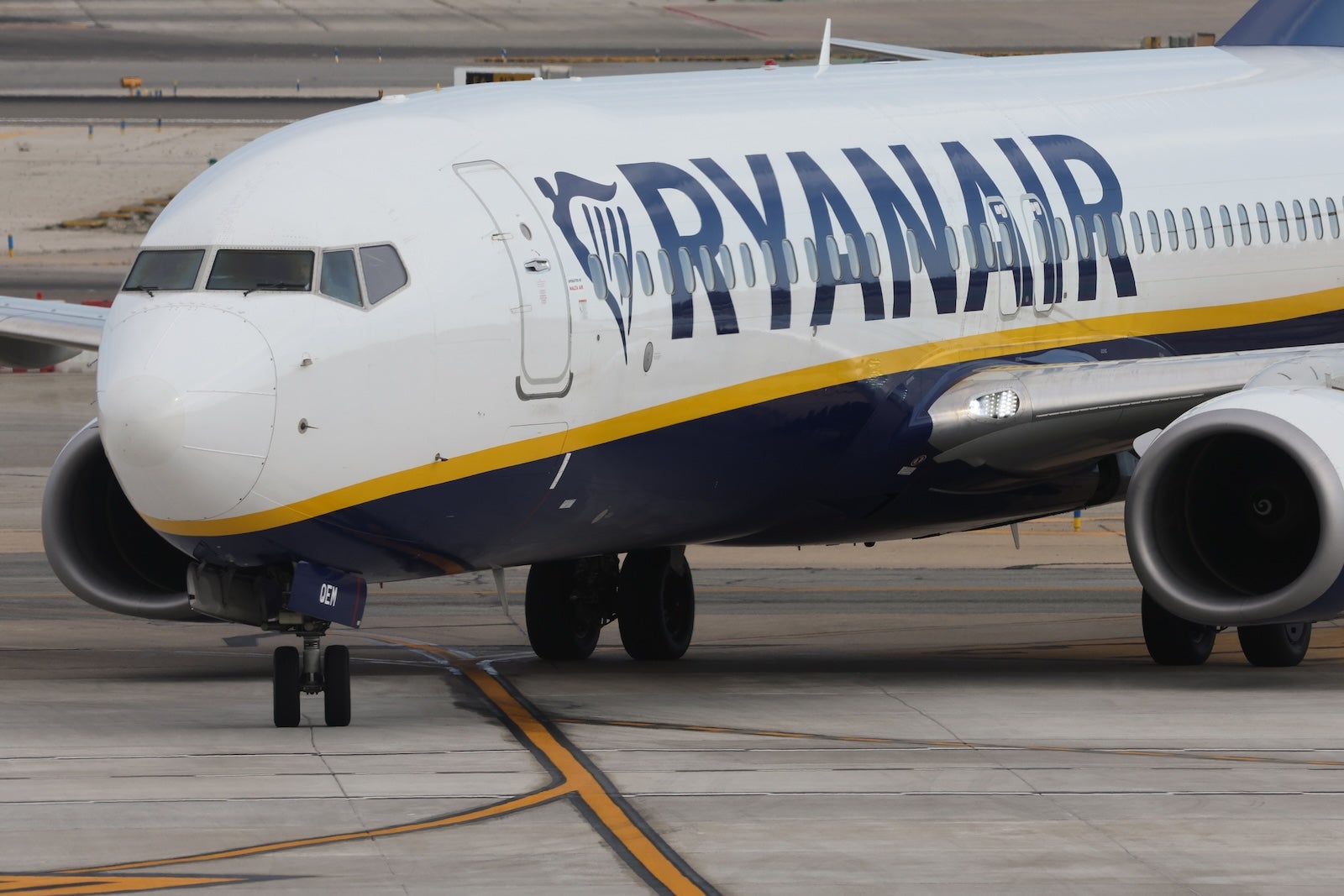
All passengers flying within the EU (like on Ryanair from Dublin to Split, Croatia)
Passengers flying to the EU on an EU airline (like on Air France from New York City to Paris)
Passengers flying from the EU on any airline (including, for instance, American Airlines from Rome to Charlotte)
Who is owed compensation, and how much?
Under the EU protections, passengers can claim cash compensation when they run into flight trouble that’s the airline’s responsibility.
A flight is canceled fewer than 14 days before departure
How much money are you owed?
The cash compensation amounts you can receive will not change:
Flight distance
Amount
Flights up to 1,500 kilometers
250 euros (about $289)
All intra-Europe flights between 1,500 and 3,500 kilometers
400 euros (about $463)
All other flights
600 euros (about $695)
Big changes to know: Better communication, easier ways to get compensated
The EU’s planned changes to passenger rights would essentially require airlines to be much more transparent about when passengers are owed money and how to claim compensation.
Compensation rules stepped up
The airline will have to notify you that you may be owed compensation, and provide clear instructions on how to submit for it. This will be required within four days of your arrival at your destination.
The airlines have to immediately acknowledge they received your claim, then pay you within 30 days, or provide a clear justification for why it’s refusing.
If your flight is canceled, the airline must offer you rerouting within three hours.
If it doesn’t, you’ll be eligible to arrange to reroute yourself and claim reimbursement up to 400% of the original ticket price (i.e. up to $800 on a ticket that was originally $200).
Planes sit in traffic on the taxiway in Rome. SEAN CUDAHY/THE POINTS GUY
When do the protections not apply?
Airlines do not have to compensate you when there’s an “extraordinary circumstance” beyond the carrier’s control (such as a major weather event).
If the carrier denies your claim for compensation, it will have to cite the circumstances.
Other changes to know
The EU air travel agreement would also bar airlines from denying you boarding on your return leg if you no-showed on the first leg of the trip.
Plus, leaders clarified exactly what other non-cash protections passengers are owed during a travel disruption, including:
Refreshments every two hours during a delay.
Passenger meals after three hours and every five hours after that (up to three per day).
Hotel accommodations and ground transportation to and from the hotel if passengers are stranded overnight; if the carrier doesn’t make the arrangements, travelers can do it themselves and then request reimbursement.
Still needs to be formally passed
These new protections technically aren’t a done deal just yet. The agreement must still be formally passed by the European Parliament and the EU Council.
The global airline industry criticized the changes.
In a statement this week, the International Air Transport Association said the updates “stopped short of the meaningful reform” needed to address “deep flaws” in existing rules.
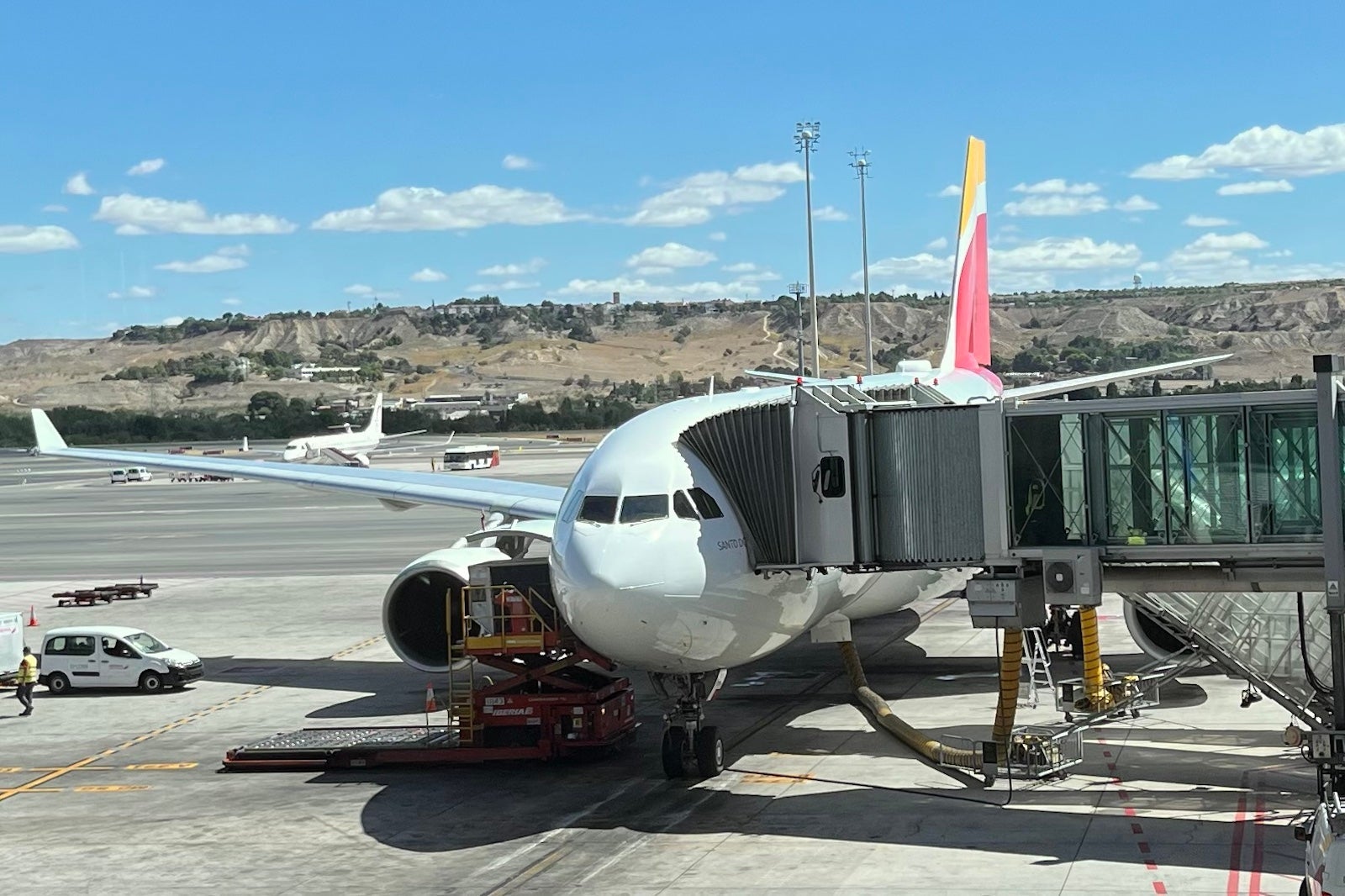
An Iberia Airbus A330 at Adolfo Suarez Madrid-Barajas Airport (MAD). SEAN CUDAHY/THE POINTS GUY
EU leaders, meanwhile, said these protections would offer passengers “simpler, cleaner and stronger rights.”
Far stronger protections than what the US has
Keep in mind that overall, these passenger protections go well beyond anything offered to travelers here in the U.S.
The U.S. government requires airlines to issue refunds to passengers if their flight is canceled or significantly delayed — that is, if they choose not to fly.
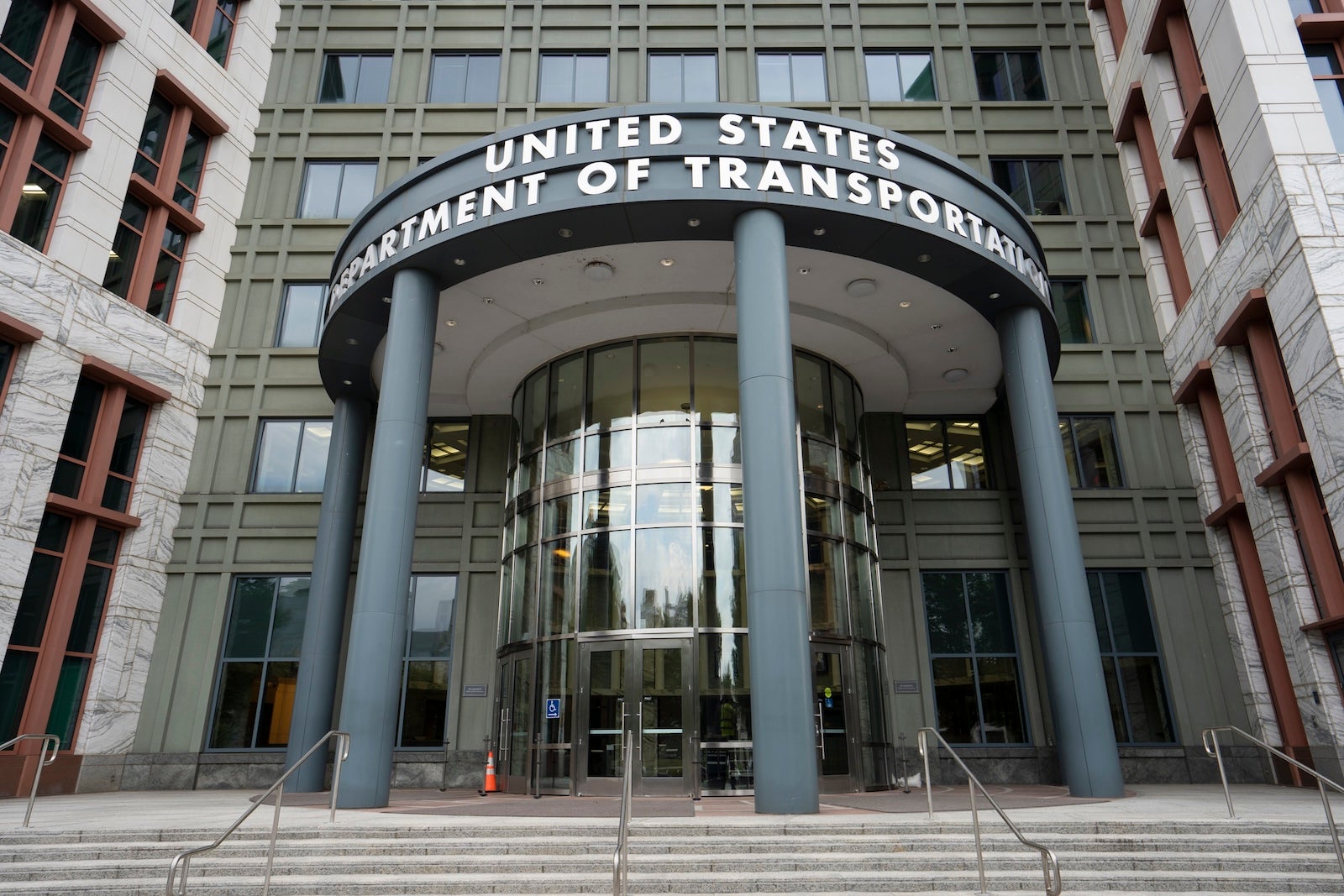
The U.S. Department of Transportation. HAPABAPA/GETTY IMAGES
That said, U.S. travelers can seek compensation under these EU rules. For instance, if you’re hopping around Europe on a short-haul EU flight, you could be owed a few hundred dollars if you encounter an eligible travel disruption.
Plus, if you’re flying from the U.S. to the EU on a carrier like Air France, Lufthansa, KLM or others, you could be eligible for close to $700 if you run into a major delay. And you’d be owed the same on your way from the EU back to the U.S., even if you’re on an American carrier like Delta Air Lines, United Airlines or American Airlines.
Air France jets at the gate in Paris. SEAN CUDAHY/THE POINTS GUY
Bottom line
The changes that the EU outlined this week aren’t a wholesale change of passenger rights. Instead, the EU is more or less firming up the rules that were already in place to make it easier for passengers to know when they deserve compensation — and how to actually get that money.
The EU this week also outlined changes to how airlines can advertise fares, baggage allowance and cost. We'll dig into what that means for passengers soon.
By commenting, you agree to our Community Guidelines to help create a positive space for conversation. The responses below are not provided or commissioned by the bank advertiser, our partners, or The Points Guy (“TPG”). They have not been reviewed, approved, or otherwise endorsed by any of these parties. All responses are submitted by individual contributors, and neither the bank advertiser, our partners, nor TPG are responsible for ensuring that all posts and/or questions are answered.