
After visiting the islands in 1835, Charles Darwin went home and developed the theory of evolution. Galapagos National Park was established in 1959. In 1998 a marine reserve was established to protect the unique volcanic archipelago. And just last week, the president of Ecuador signed a decree expanding the protected marine reserve by close to 45%.
The decree adds 60,000 square kilometers (about 23,000 square miles) to protected waters on the northwest corner of the archipelago and expands the total protected marine area from over 51,000 square miles to about 75,000 square miles — an area said to be more than 2 1/2 times the size of Maryland.

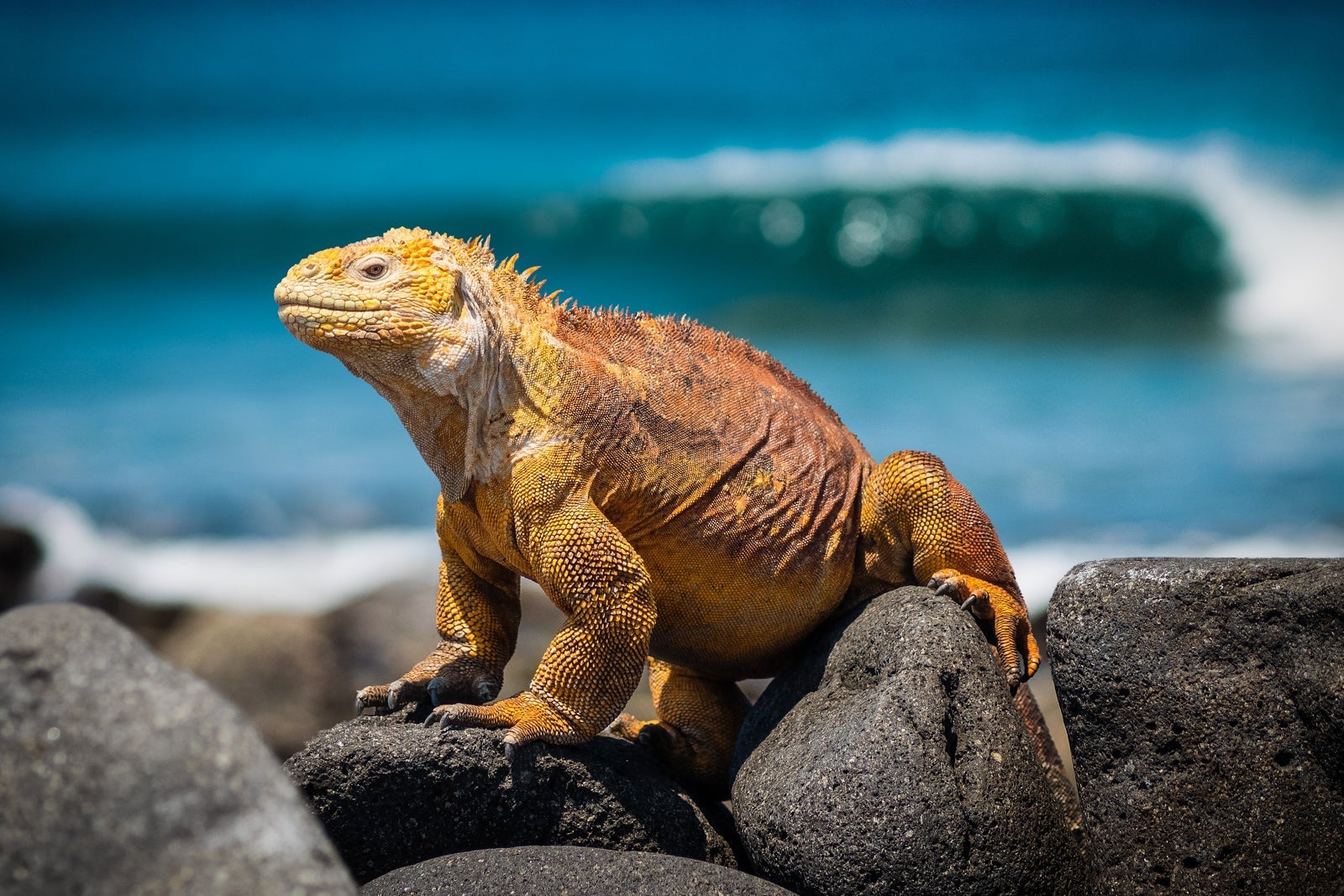
These waters serve as a migration route, described by ocean conservationists as a “marine superhighway" between the Galapagos Islands and islands in Costa Rica, Panama and Columbia, for a wide variety of marine animals, including sea turtles, stingrays, whales and hammerhead sharks. To protect those animals, half of the newly created reserve will be off-limits to any fishing activities; longline fishing, which often ensnares and harms turtles, dolphins and other marine life, will be prohibited in the other half. The waters will be patrolled by boats belonging to Galapagos National Park, with representatives of the Ecuadorian navy on board, the Economist reports.

The decree makes good on the commitment Ecuador’s president, Guillermo Lasso, made in November at the United Nations Climate Change Conference in Glasgow, Scotland. And during a shipboard decree signing in the Galapagos, the Ecuadorian president was joined by a variety of dignitaries ranging from Colombia’s president, Ivan Duque, and former U.S. President Bill Clinton to Bo Derek, a film actress who was named Ecuador’s tourism ambassador in June.

“There are places that have made a mark on the history of humanity and today we have the honor of being in one of those places,” Lasso said during the ceremony. “These islands that welcome us have taught us many things about ourselves. So, instead of acting as the absolute masters of these lands and seas, shouldn’t we act as their protectors?”
Marine animals, the environment and tourists will benefit
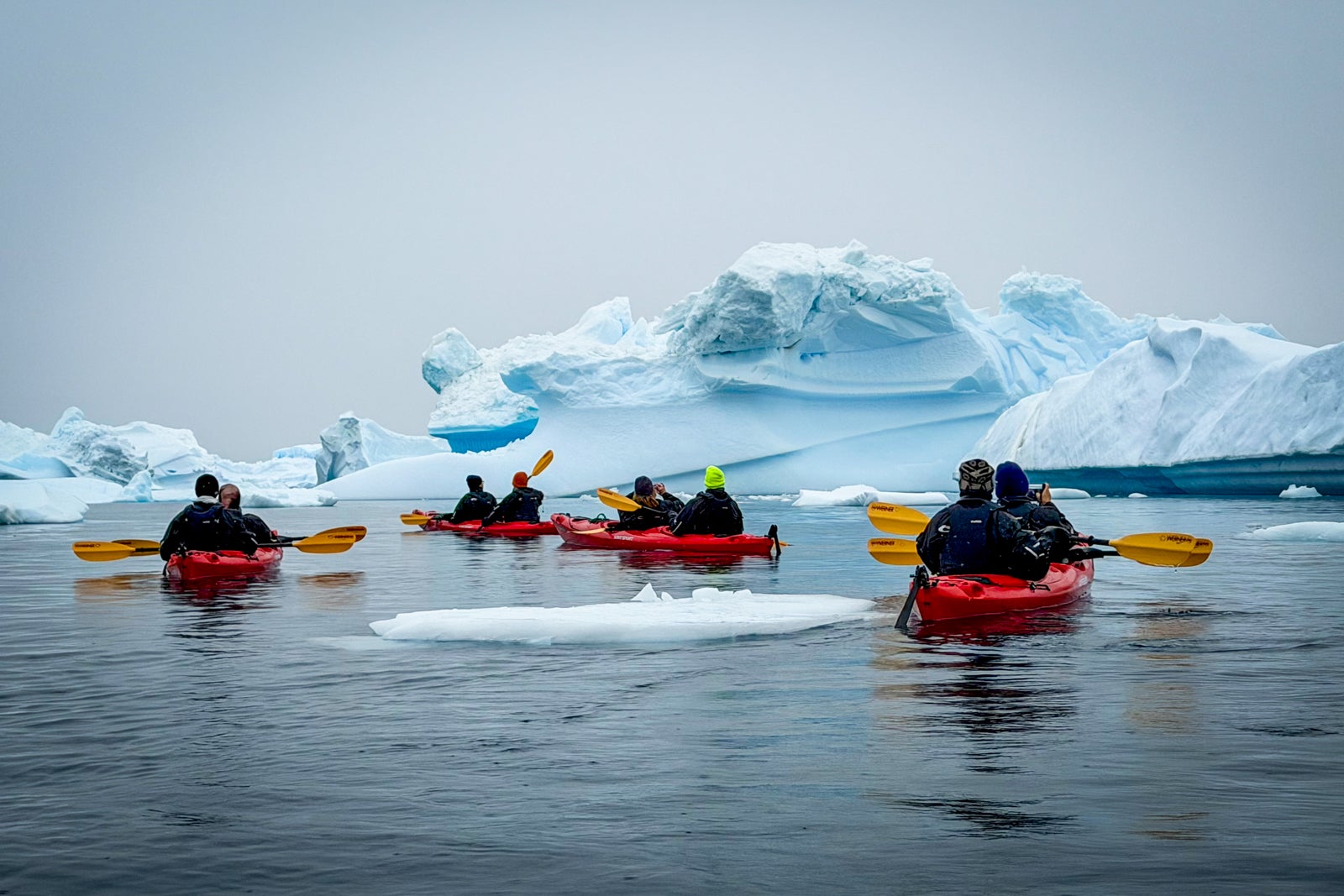
Galapagos National Park is already well protected. And any tour operator doing business there must follow very strict rules when it comes to sailing vessels in protected areas and offering guests the chance to get close to marine life through snorkeling or diving and by coastal explorations with dinghies, kayaks and glass-bottom boats.
“However, I’d say that ensuring better protection of the huge marine reserve and expanding it towards the Costa Rican reserve around Cocos Island will help the integrity of the marine species and the chances of their survival over the long-term,” said Paulina Burbano de Lara, CEO of Metropolitan Touring, which operates several small ships in the Galapagos, including the Santa Cruz II, with Hurtigruten Expeditions. “Protecting the riches of the archipelago is key to its long-term sustainability, and the future of the travel industry here.”