E-Cig Starts Fire on American Airlines Flight
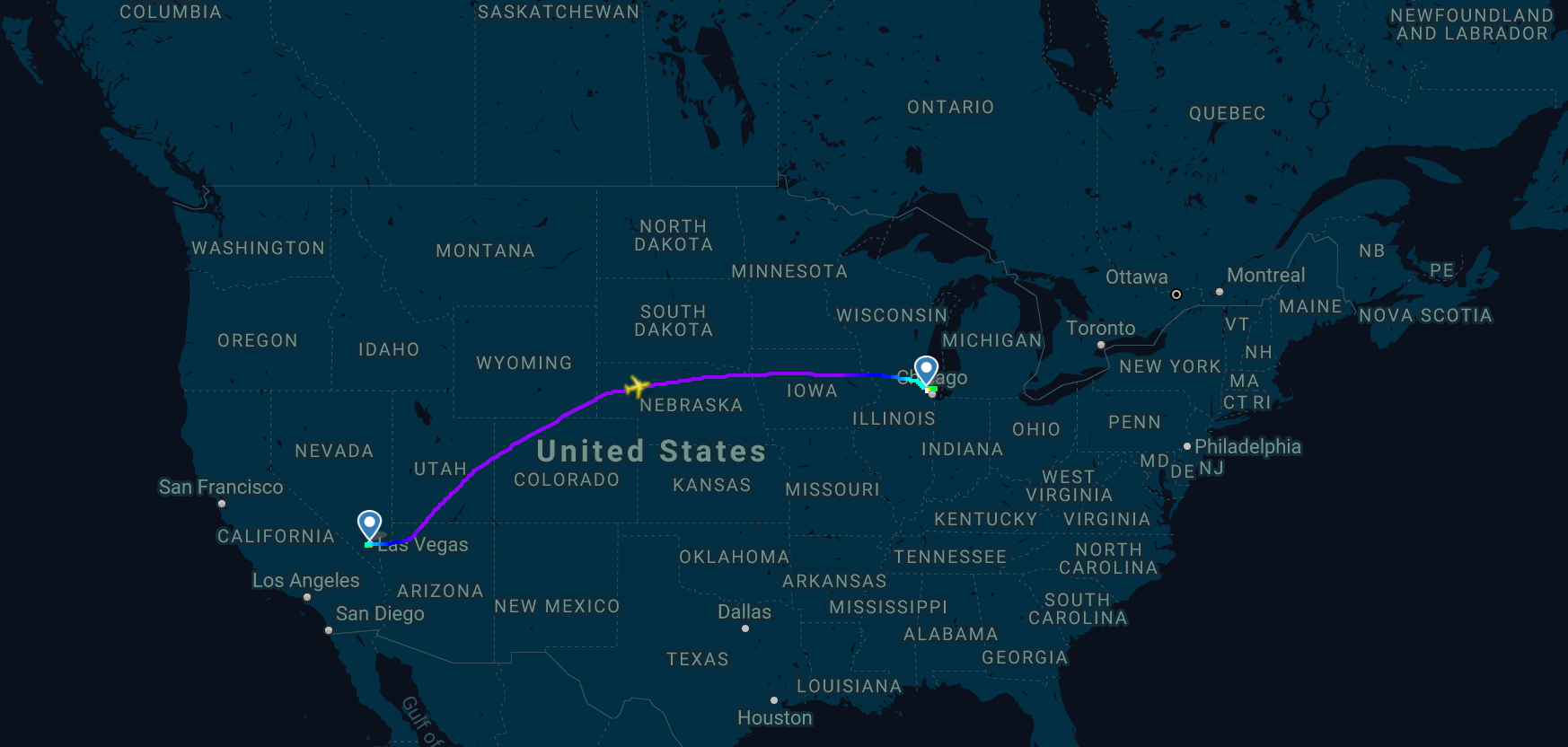
An American Airlines flight from Las Vegas (LAS) to Chicago-O'Hare (ORD) suffered a minor in-flight fire on Friday. The fire is believed to have originated from a passenger's electronic cigarette, or e-cig. The flight, AA168, arrived at the gate on time following the incident. American Airlines has confirmed that no one was injured as a result of the fire.
The incident occurred shortly after landing in Chicago as the aircraft made its way to the gate. A spokesperson at American Airlines said that the e-cig fire was the result of a "thermal runaway event." A thermal runaway event is when an increase in temperature creates conditions that will further increase the temperature. Essentially, a thermal runaway event is a type of positive feedback loop in which one thing (initial temperature increase) leads to a more severe thing (additional temperature increase). In the case of the passenger's e-cig, the temperature of the device reached a level hot enough that the device ignited. This led to a small in-flight fire.
Flight attendants quickly extinguished the fire without additional incident or injuries. The flight continued to taxi to the gate and passengers disembarked without issue.
An American Airlines spokesperson released the following statement regarding the quick response from flight attendants: "We are thankful for our flight attendants who quickly put their training to use to keep our passengers safe. Our crews are trained on fighting high energy battery fires. As part of safety management and risk mitigation, we always evaluate additional ways to enhance existing procedures to ensure cabin safety."
Per protocol, American Airlines will report the incident to the Federal Aviation Administration (FAA), which tracks thermal runaway events and in-flight incidents. E-cigs are not currently banned from carry-on luggage in the United States, however, their use in-flight is. E-cigs were permanently banned from checked luggage in 2016. At the same time, the charging of e-cigs in-flight was also banned. The 2016 ban went into effect after multiple small fires ignited in-flight.
H/T: WGN 9
TPG featured card
at Capital One's secure site
Terms & restrictions apply. See rates & fees.
| 2X miles | Earn 2X miles per $1 on every purchase, everywhere |
| 5X miles | Earn 5X miles per dollar on hotels, vacation rentals and rental cars booked through Capital One Business Travel |
Pros
- Simple earning structure
- Bonus categories
- Annual credits
- No foreign transaction fees
- Flexible redemption options, including transfer partners
Cons
- Has an annual fee
- Fewer bonus categories than some competitors
- Lacks premium perks
- Limited-time offer: Earn up to 150,000 bonus miles—75,000 miles once you spend $7,500 in the first 3 months, and an additional 75,000 miles once you spend $30,000 in the first 6 months
- Earn unlimited 2X miles per dollar on every purchase, everywhere, no limits or category restrictions, and miles won't expire for the life of the account
- Receive up to $220 in credits: Receive an annual $50 travel credit for bookings through Capital One Business Travel, up to an annual $50 statement credit for purchases at qualifying advertising or software merchants, plus up to a $120 credit for Global Entry or TSA PreCheck® every four years. Terms and conditions apply
- Unlimited 5X miles on hotels, vacation rentals and rental cars booked through Capital One Business Travel
- Transfer your miles to 15+ travel loyalty programs
- Redeem your miles instantly for any travel-related purchases, from flights and hotels to ride-sharing services
- $95 annual fee
- Free employee cards which also earn unlimited 2X miles from their purchases
- Top rated mobile app