Do More Ultra-Long-Haul Flights Pose Higher Radiation Risks?

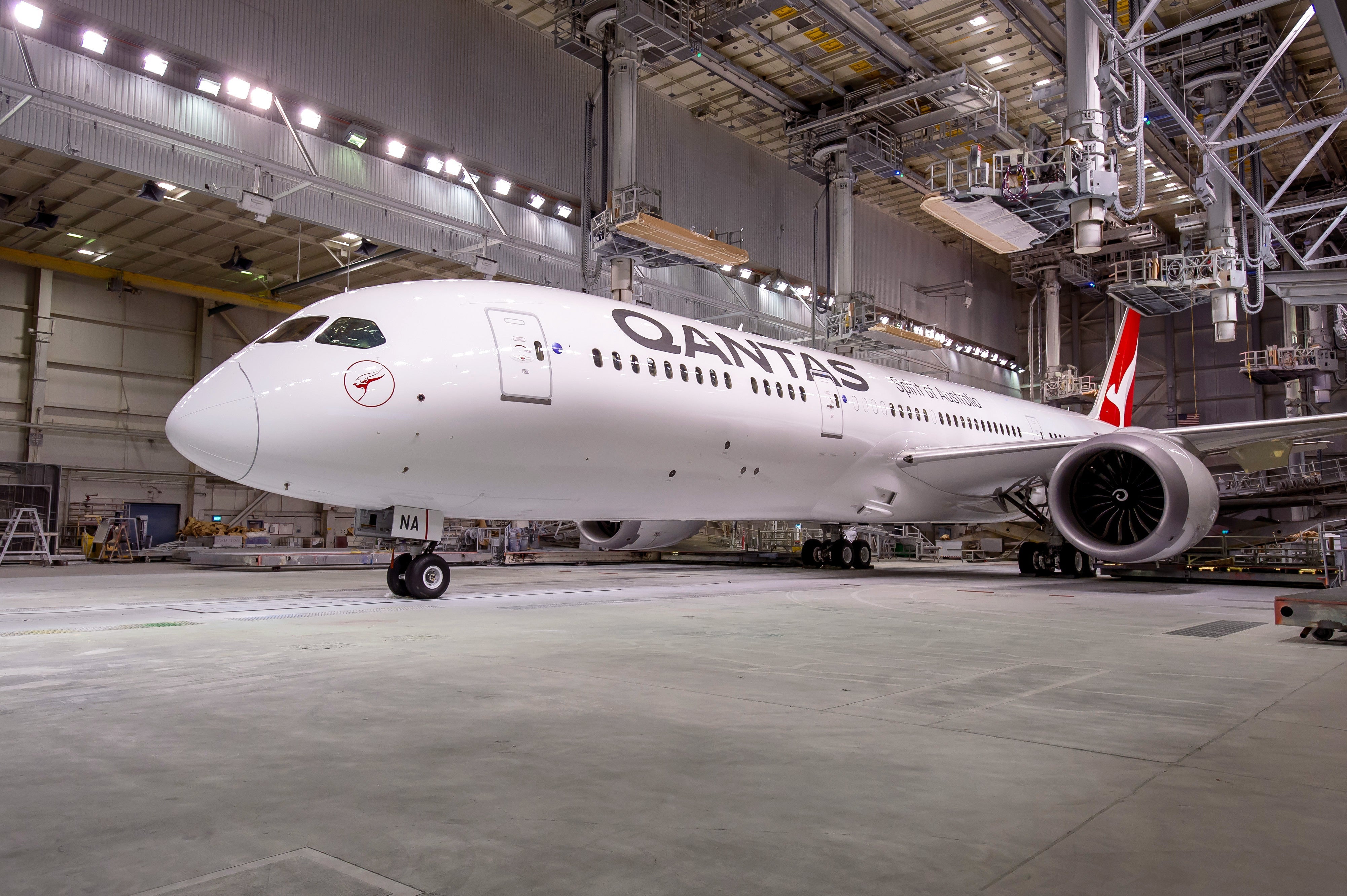
With the constant push for more, and longer, long-haul flights, pilots and other aircraft crew are possibly at risk for increased levels of radiation.
In fact, airline employees are among the most susceptible groups for work-related radiation exposure. They have higher levels of hazardous exposure than radiology workers or even nuclear power plant engineers, according to research from National Council on Radiation Protection and Measurements.
The increasing number of ultra long-haul and polar routes might be worsening this exposure, a report from Bloomberg says.
The amount of radiation per extra-long-haul flight is about equal to one x-ray. That's because at a higher altitude, the layers of atmosphere that protect us from radiation at ground-level are thinner. This radiation exposure is stronger at the Earth's poles because of the planet's magnetic field, which acts as a shield against radiation, is weaker there.
So, longer flights, and especially flights that cross the south and north poles, carry a higher potential for exposure to harmful radiation.
Polar routes have become more common in recent years, according to Condé Nast Traveler. Commercial flights have been flying over the Arctic and the north pole since the 1950s, but newer, more fuel efficient aircraft, increased access to airspaces that were previously closed, like the former Soviet Union's, and higher demand for international routes have made transpolar flights ever more popular.

Advances in modern aircraft also make longer and longer routes increasingly possible. This year Singapore Airlines, for instance, will re-start its 19-hour nonstop route from Singapore to New York, suspended in 2013 when the Airbus A340 used on it proved to be too expensive because of its four engines. With the arrival of the new A350, which has just two engines and even longer range, Singapore will regain the title of world's longest flight from Qantas, which will take it in a few weeks with a Perth - London nonstop on the Boeing 787-9.
Last year, United launched the longest flight ever by a US airline, its nearly 18-hour service from Los Angeles (LAX) to Singapore (SIN). Qatar Airways' long-haul route from Auckland, New Zealand (AKL) to Doha, Qatar (DOH) also launched in 2017 is just behind United, clocking in at 17 hours and 30 minutes. Also on the horizon might be Qantas Airways nonstop routes from Sydney (SYD) to London and New York by 2022. The idea is part of Qantas' "Project Sunrise" and would require a jet capable of flying 20 hours straight, which no current model could without extensive modifications.
"There is no way you can be a pilot and not get this exposure," Mike Holland, a captain for American Airlines and a radiation expert for the Allied Pilots Association, told Bloomberg. "In our job, we're going to get this exposure."
Also potentially at risk? Frequent fliers. If you're a passenger logging many long-haul flights, radiation exposure might be worth taking under consideration. The Bloomberg report cites the most extreme example of a plane flying over a pole in a solar storm, which would mean exposure of up to 10 milliSieverts, or about three years of natural background radiation.
Some airline employee groups say it's difficult to get airlines to focus on the issue, especially when these routes cut down time and save fuel, increasing profit. "It's been difficult to get traction," Judith Anderson of Association of Flight Attendants-CWA, told Bloomberg. "The nature of the hazard is invisible, so it's easier to forget about and get attention for something more pressing."
TPG featured card

at Capital One's secure site
Terms & restrictions apply. See rates & fees.
| 5X miles | Earn 5X miles on hotels, vacation rentals and rental cars booked through Capital One Travel |
| 2X miles | Earn unlimited 2X miles on every purchase, every day |
Pros
- Stellar welcome offer of 75,000 miles after spending $4,000 on purchases in the first three months from account opening. Plus, a $250 Capital One Travel credit to use in your first cardholder year upon account opening.
- You'll earn 2 miles per dollar on every purchase, which means you won't have to worry about memorizing bonus categories
- Rewards are versatile and can be redeemed for a statement credit or transferred to Capital One’s transfer partners
Cons
- Highest bonus-earning categories only on travel booked via Capital One Travel
- LIMITED-TIME OFFER: Enjoy $250 to use on Capital One Travel in your first cardholder year, plus earn 75,000 bonus miles once you spend $4,000 on purchases within the first 3 months from account opening - that’s equal to $1,000 in travel
- Earn unlimited 2X miles on every purchase, every day
- Earn 5X miles on hotels, vacation rentals and rental cars booked through Capital One Travel
- Miles won't expire for the life of the account and there's no limit to how many you can earn
- Receive up to a $120 credit for Global Entry or TSA PreCheck®
- Use your miles to get reimbursed for any travel purchase—or redeem by booking a trip through Capital One Travel
- Enjoy a $50 experience credit and other premium benefits with every hotel and vacation rental booked from the Lifestyle Collection
- Transfer your miles to your choice of 15+ travel loyalty programs
- Top rated mobile app