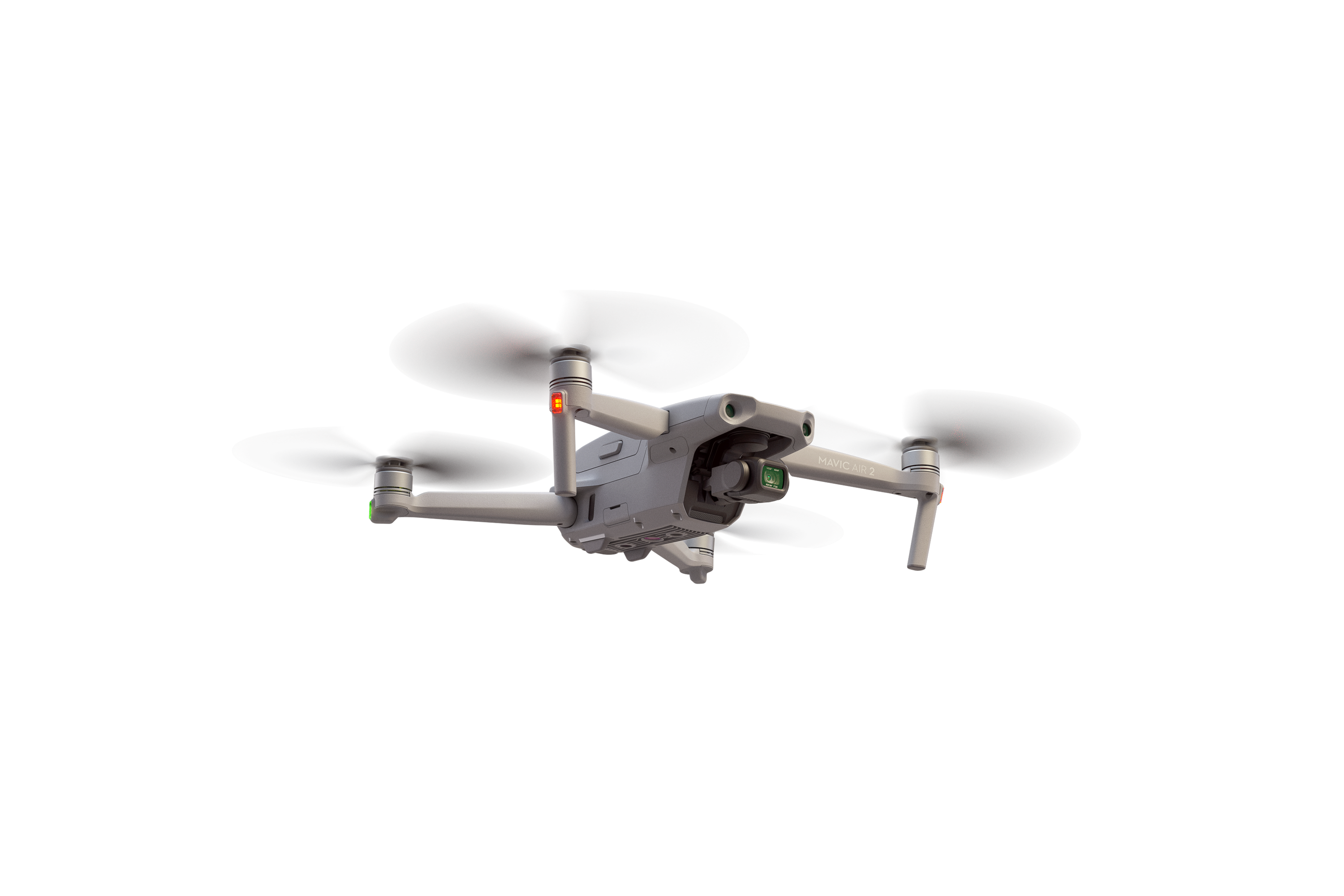

My long-time go-to has been the DJI Mavic 2 Zoom, thanks to its 2x zoom lens. But, thanks to its smaller size, longer battery life, improved safety features and lower price point, the brand-new Mavic Air 2 is the better pick for newbies, and even some advanced users, too.
https://www.instagram.com/p/Bxe-x2ZniBi/
While I'm eager to try out the Mavic Air 2 on my next trip, I did have a chance to test it out in the backyard during my at-home quarantine in Pennsylvania. It's more compact than the Mavic 2 Zoom I'm used to, and, thanks to a handful of new features, it's even easier to fly.
Perhaps most exciting to aviation geeks is the addition of AirSense, which uses an ADS-B sensor to identify nearby airplanes and helicopters, which appear on the main control screen. Due to current supply chain limitations, ADS-B support will only be available on drones sold in North America at first, though DJI plans to ship compatible drones globally as soon as it's able.
The Mavic Air 2 also includes Advanced Pilot Assistance System (APAS) 3.0, which uses 3D mapping to adjust the drone's path and avoid collisions during autonomous flying. There are also additional sensors and auxiliary lights on the bottom of the drone, to aid automated landing in poor lighting conditions.
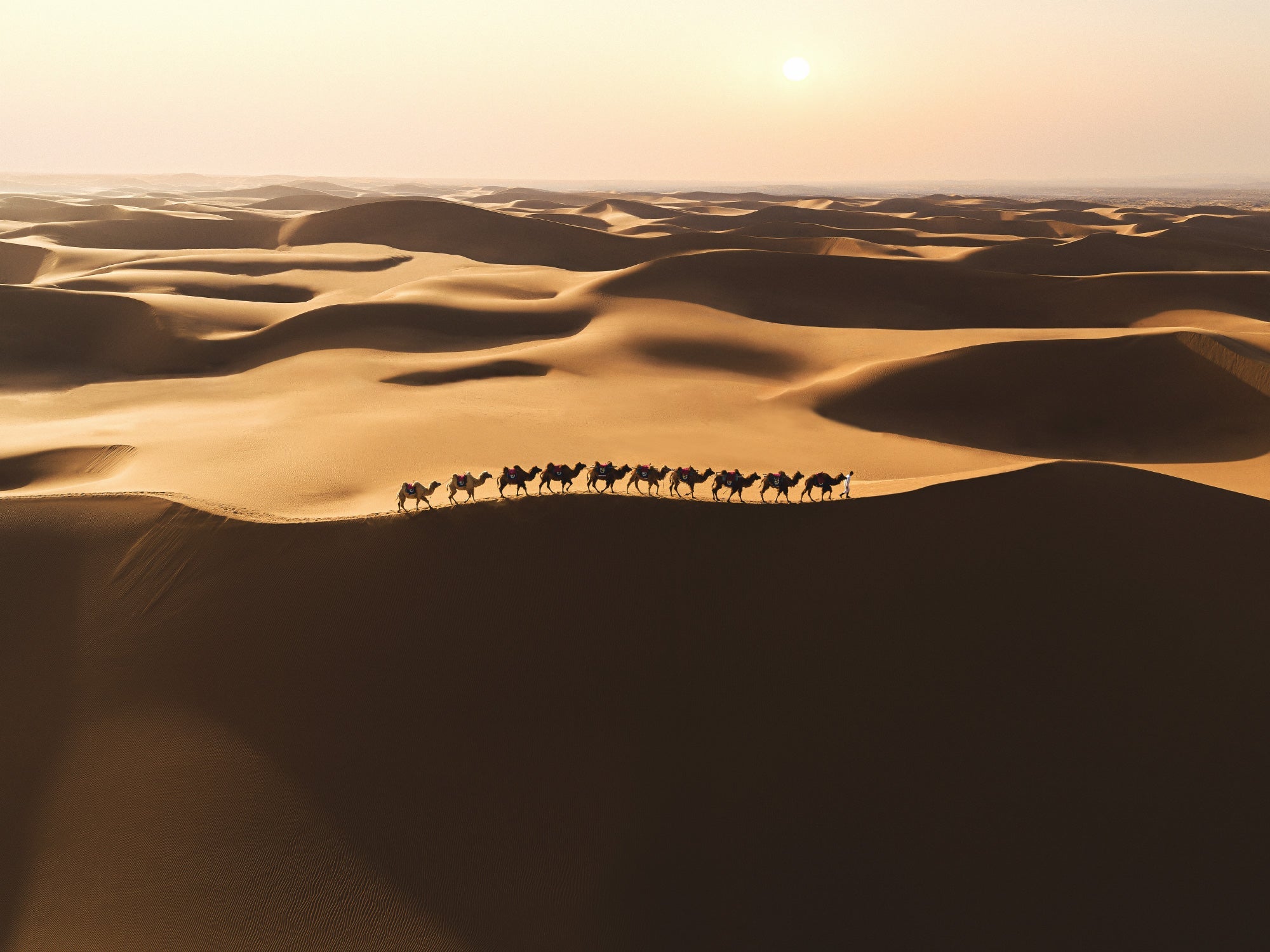
Some of the Mavic Air 2's other notable features include:
- 570-gram total weight (1.26 pounds)
- Battery flight time of up to 34 minutes
- OcuSync 2.0 for up to 10km transmission
The drone has some major photography chops as well, including:
- 1/2-inch sensor (vs. 1/2.3-inch on the Mavic Air)
- 12-megapixel photo capture
- 48-megapixel high-resolution mode
- 3-axis image stabilization
- HDR capture (7-image merge)
- Hyperlight for low-light captures
- 8K Hyperlapse video
- Auto scene recognition to help make details pop
- 4K video capture at 60fps and 120 Mbps
- 1080p slow-motion capture (120fps and 240fps)
- HDR video support
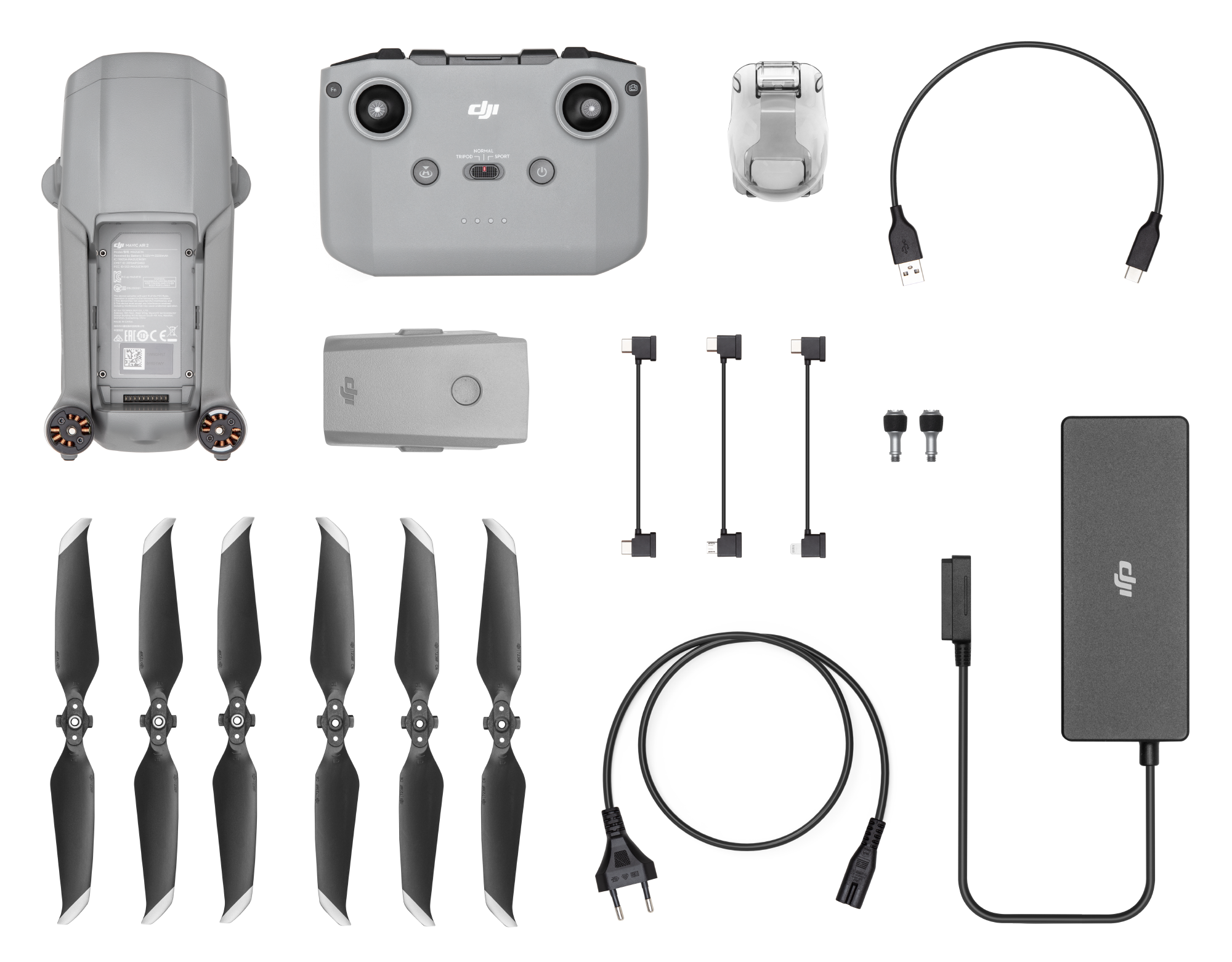
Mavic Air 2 is available to pick up in China today, and available to pre-order in other countries, including the United States, with an estimated ship date of mid-May. A standard package with the remote controller, one battery and necessary cables costs $799, while a Fly More version which adds two more batteries, a charging hub, ND filters and a shoulder bag is available for $988.