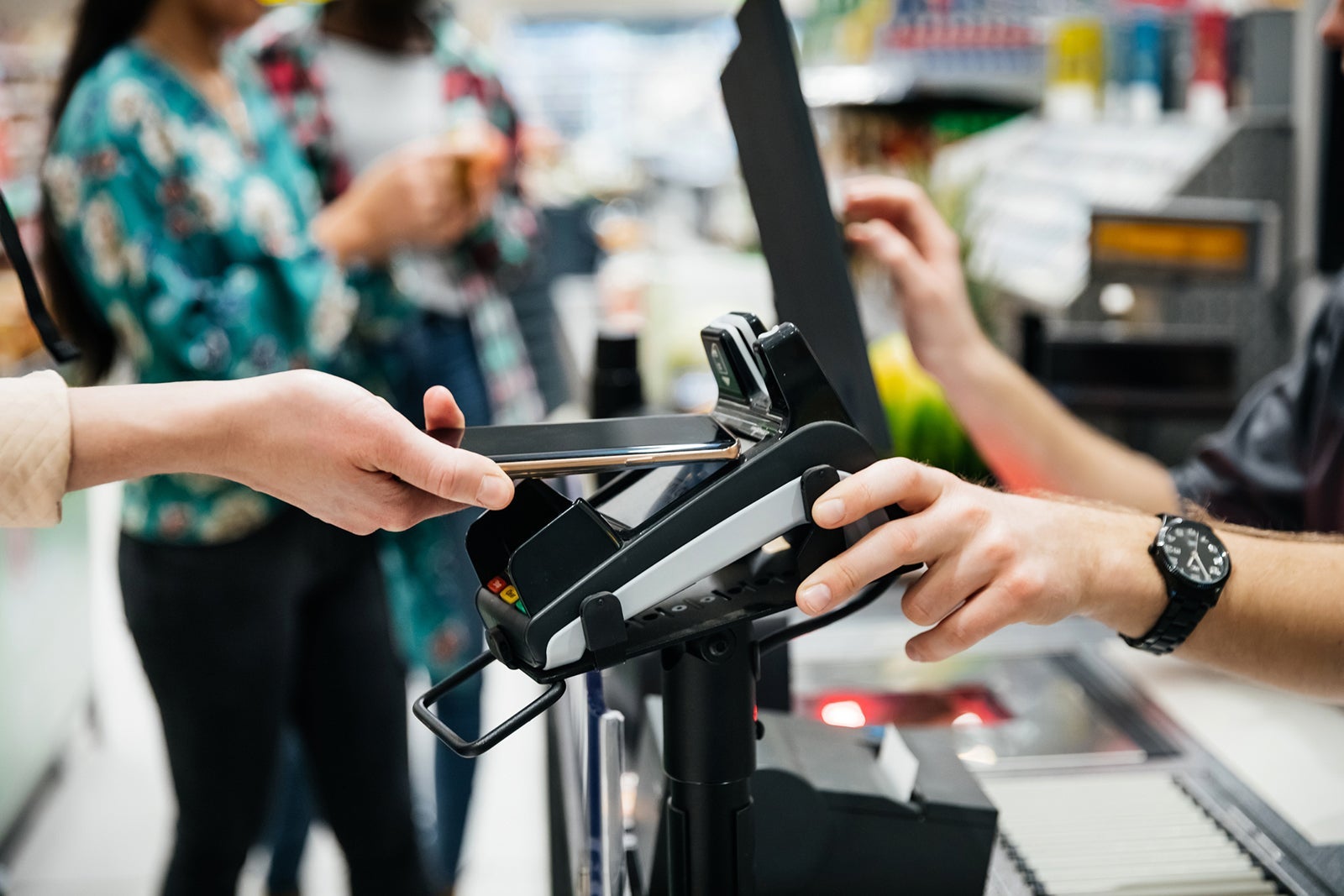
The rise of mobile wallets
Mobile wallets have been around for over a decade and have grown in popularity over time. Google was the first major company to create a mobile wallet — Google Pay — in 2011 and Apple followed suit the next year with Apple Pay.
Now, nearly every major credit card can be added to a digital wallet and used for mobile payments with the simple tap of your phone or smartwatch. Some of the most popular are Apple Pay, Google Pay, Samsung Pay, and PayPal.
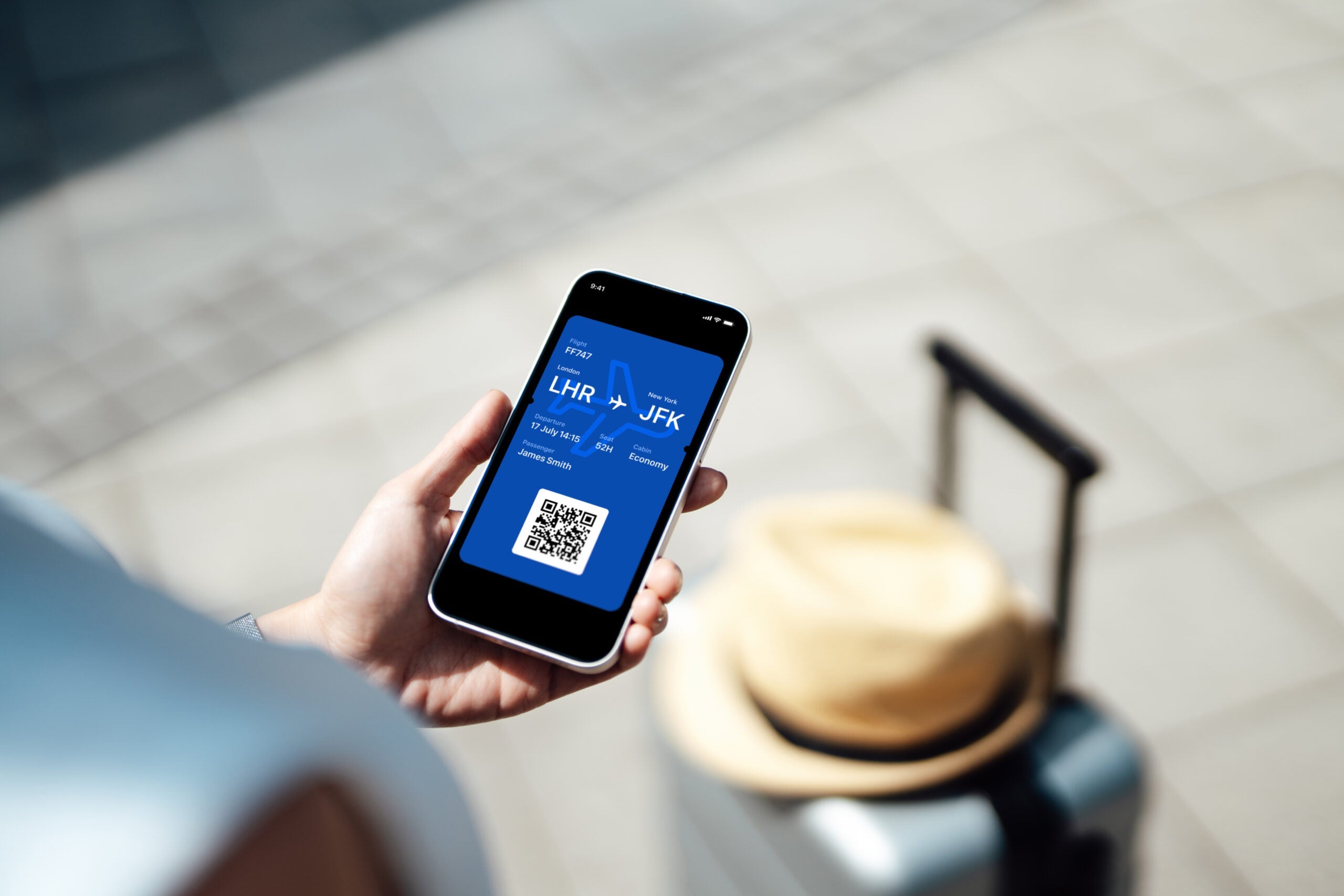
Major retailers, like Walmart and Kroger, are also getting in on the action and rolling out their own versions of mobile wallets. Although they differ in layout, most mobile wallets have the same basic function: they allow you to pay with a simple tap — even if you don't have your credit card physically on hand.
Related: Tap-to-pay is coming to JFK's AirTrain
Pros of mobile wallets
Carry less
Mobile wallets lighten your load a little since you can access all of your credit cards without the need to carry each one with you. This also reduces the hassle of replacement in the event of loss or theft. Once your cards are linked to your mobile wallet, you even have the ability to pay for purchases with a smartwatch that's synced to your smartphone.
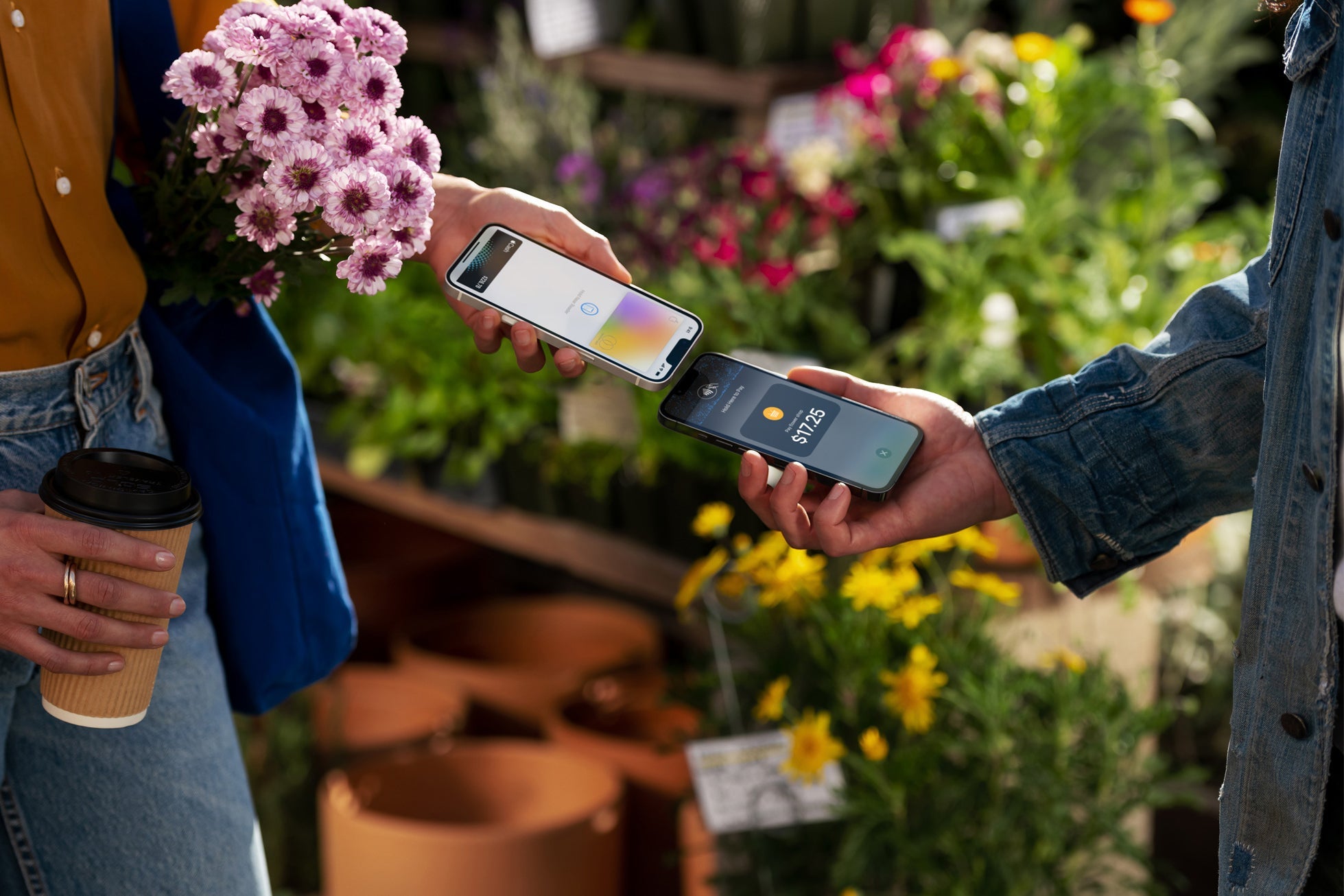
Mobile wallets are also great for housing other important information, such as airline and train boarding passes, public transportation cards, event tickets and membership and reward cards.
Enhanced security
Making mobile payments is more secure than using your physical card due to a process called tokenization. When you pay a retailer using a mobile wallet, it creates a one-time-use card number, aka a token, instead of sharing your actual card number.
Mobile wallets can't be hacked through credit card skimmers because during each transaction your actual credit card number is not transmitted. Mobile wallets, also require biometric authentication such as face or fingerprint recognition in order to complete a purchase. If you lose your phone, you can disable your cards much easier than with physical cards.
Easily track transactions
When you make a purchase with a mobile wallet, you receive a notification in real-time. This makes tracking your spending much simpler. Mobile wallets also have very intuitive and user-friendly app interfaces where you can get a detailed breakdown of your spending.
Bonus card earnings
Additionally, many credit cards still offer bonus earnings — with some even offering higher earning rates — when you use them through a mobile wallet.
The Apple Card earns 2% cash-back on all purchases when you use Apple Pay compared to just 1% cash-back when you use the physical card. The U.S. Bank Altitude™ Reserve Visa Infinite® Card offers 3 points per dollar spent on purchases made through a mobile wallet, compared to just 1 point per dollar when using the physical card. Many other cards have similar extra earnings when you pay through a mobile wallet.
The information for the Apple Card and the Altitude™ Reserve Visa Infinite® Card has been collected independently by The Points Guy. The card details on this page have not been reviewed or provided by the card issuer.
Related: Best contactless credit cards: Tap to pay
Cons of mobile wallets
Dead battery
If your phone is dead or not working, you will not be able to utilize the full functionality of your mobile wallet. However, you can still access your transit cards — like your Metro card if you're in New York or your Orca card if you're around the Seattle area — as well as your house and car keys.
Lack of acceptance
Although most places accept credit cards, some places don't accept mobile payments. In these instances, you'll need your physical card. Additionally, some places are cash only, rendering mobile payments useless.
Payment and refund difficulties
Some TPG employees have reported issues with trying to get a refund on a particular item after paying with a mobile wallet or experienced limitations on their refund. One friend of TPG, for example, was only able to refund a Target purchase as a store credit after paying for it with Apple Pay.
Some shopping and food apps also have difficulty with mobile wallet purchases or won't allow you to combine mobile wallet payment with another form of payment, such as a gift card — all things to keep in mind when using these services.
Security concerns
Mobile wallets are not prey to the typical hacks that occur with physical credit cards and are more secure. They are, however, still vulnerable to hacks and cyber attacks.
The biggest security threat is if your phone is lost or stolen and you don't have a passcode in place as an added layer of privacy protection. This makes it more difficult for someone to access your cards and payment information in the event that they do get a hold of your device.
Why do we still need physical money?
While paying with cards is often a popular choice at many retailers, there are still locations where cash is the only currency accepted. It also doesn't hurt to keep some cash on hand for emergencies, tipping service workers and using vending machines.
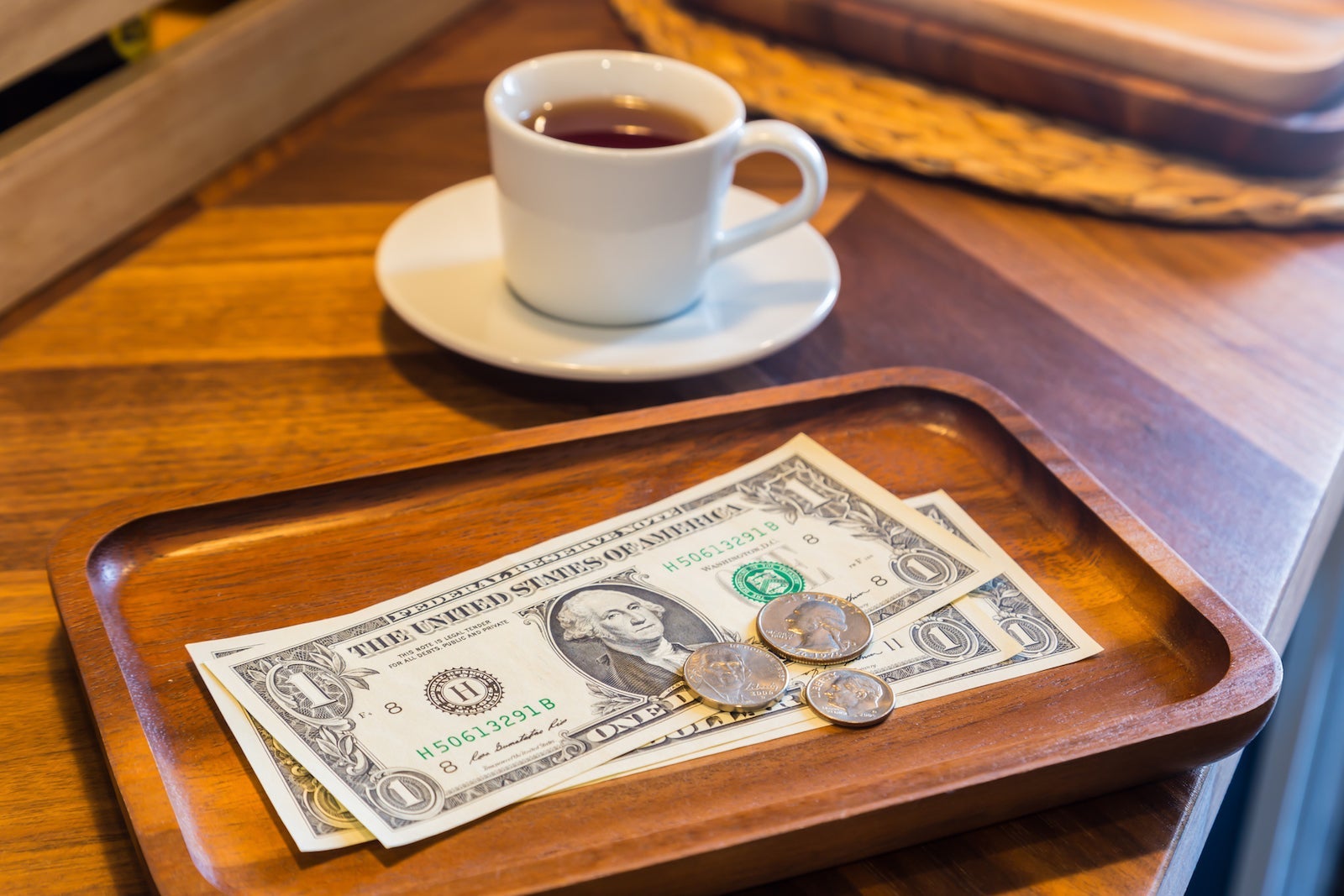
Oftentimes, especially when traveling, the need for cash will arise, so it makes sense to be prepared by having a debit card that won’t charge exorbitant ATM withdrawal fees. If you are traveling abroad, many places accept cards, but an overwhelming majority of places in the world still only accept cash — remember to plan ahead and exchange your currency as needed.
Related: The top 9 checking accounts for avoiding foreign ATM fees
Bottom line
Mobile wallets can be beneficial for those who don't like carrying a physical wallet and don't want to deal with the hassle of digging around for a specific credit card when paying for purchases.
Mobile wallets are also multipurpose since they can hold items such as metro passes, membership cards and plane boarding passes. This makes it easy to keep track of paperwork — something that's extra handy if you're traveling with a larger group or kids.