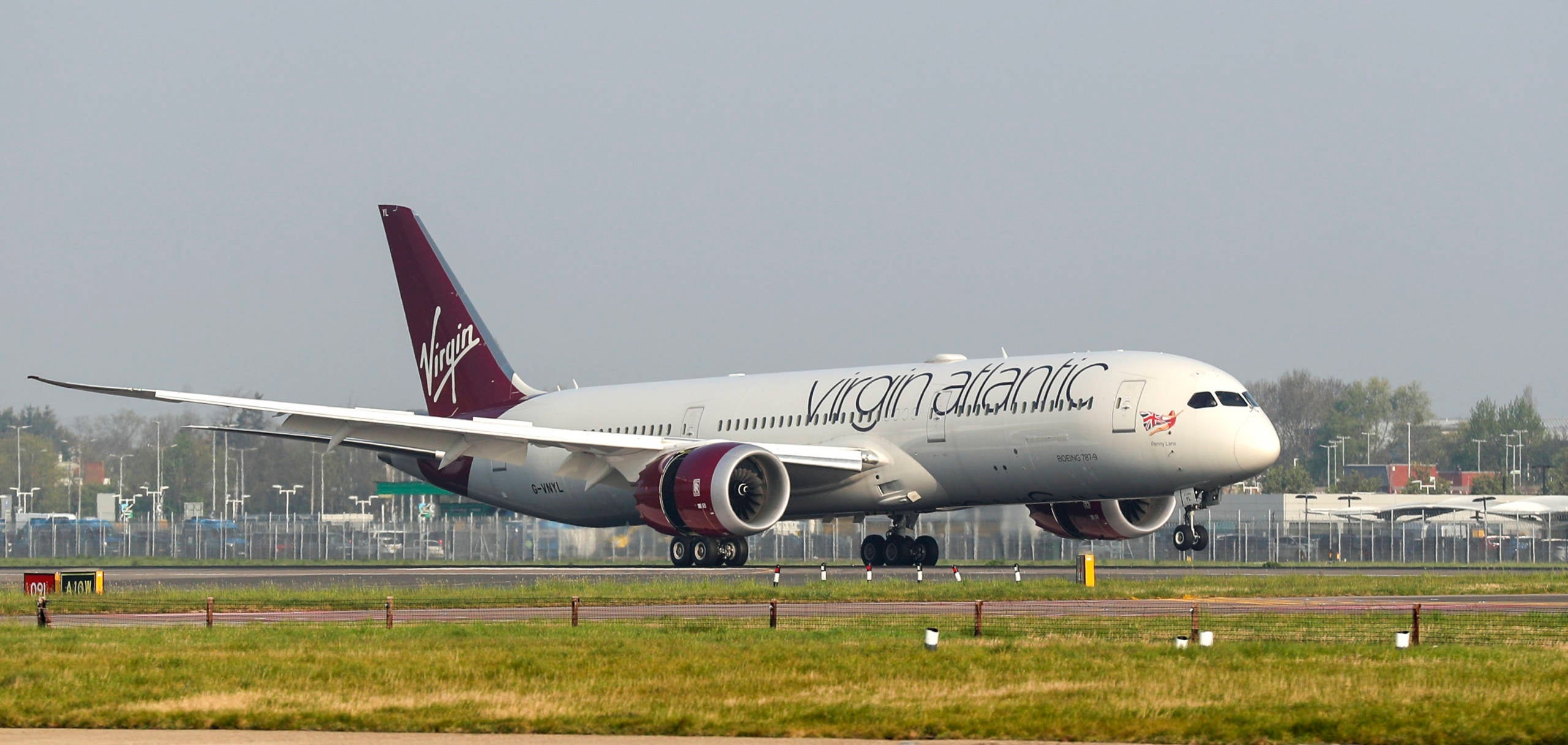

The Atlanta-based carrier will not provide any funds to Virgin Atlantic, of which it owns 49%, said Delta CEO Ed Bastian during a first quarter earnings call on Wednesday. In addition, it is prepared for the airline to enter administration, the UK's equivalent to Chapter 11 bankruptcy restructuring.
"Virgin Atlantic may have to go down that same path [as Virgin Australia]," he told staff during a virtual town hall following the call and viewed by TPG. "Just because they file for bankruptcy or administration does not mean they’re going away… it’s an opportunity to restructure the business.”
Delta has no plans to sell or reduce its stake in Virgin Atlantic, Bastian noted.
Get Coronavirus travel updates. Stay on top of industry impacts, flight cancellations, and more.
Virgin Australia, which is also one of Delta's partners, entered voluntary administration on April 21. Many expect Australia's second largest carrier to be acquired by a new owner through the process and restructured as a smaller, likely all-domestic airline.
Virgin Atlantic has temporarily suspended all passenger flights as COVID-19 continues to keep would be travelers out of the sky. The airline has sought millions of pounds from the UK to stay in business, something the government has yet to decide on.
"We will need government support to achieve that in the face of the severe uncertainty surrounding travel today and not knowing how long the planes will be grounded for," Virgin Atlantic founder Richard Branson wrote in a letter to staff on April 20. Branson has gone so far as to pledge his personal island as collateral for a potential loan.
Related: Richard Branson says Virgin Atlantic will collapse without government support
This content is hosted by X.
View this post on XVirgin Atlantic's troubles are the same facing airlines around the world: near-zero passenger traffic amid fears of the coronavirus and government restrictions aimed at slowing its spread. International travel has been hit the hardest by said restrictions, and is expected to recover slower than domestic demand.
What that recovery looks like is anyone's guess. But it will undoubtedly include new safety measures designed to minimize the risk of exposure to COVID-19 to travelers, and limit its spread. However, there is no clear answer on what measures will assure would-be flyers.
"Confidence is everything," said International Air Transport Association (IATA) chief economist Brian Pearce on April 21. "We really do need to see measures that restore passenger confidence."
Related: At least 40% of travelers nervous about flying again after coronavirus