Picking up a vintage Delta DC-7 in the 110-degree Arizona desert

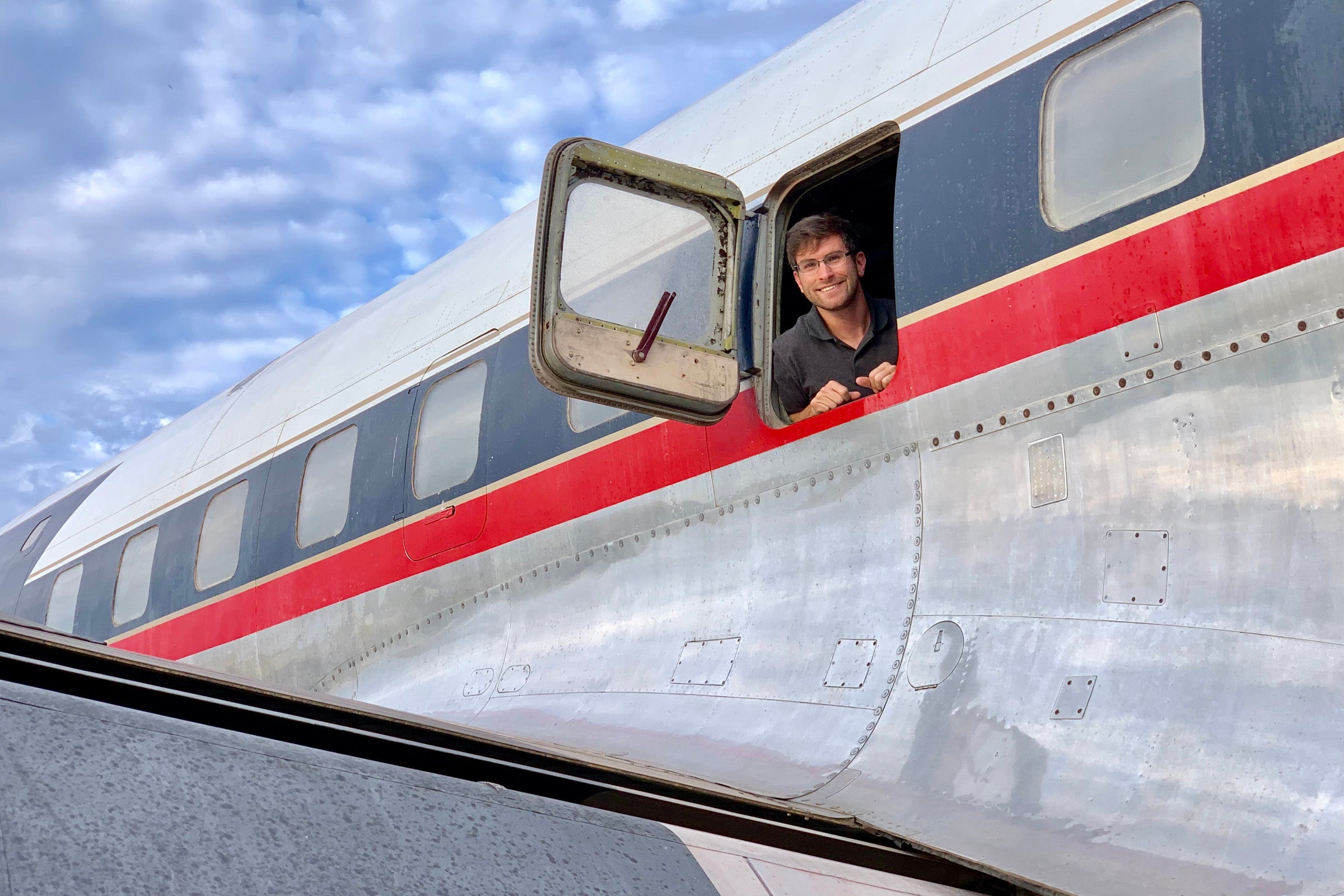
"What do you know about vintage planes?," TPG's Scott Mayerowitz asked me. I figured a pop quiz was on the way. "Well, I crossed the Atlantic on a Wamos Air 747 and learned to fly in a tiny single-engine Cessna from the 70s. Does that count?," I wondered. As it turns out, only the latter helped prepare me for what I was about to find sitting in the scorching Arizona desert — and even then, only a bit.
On what turned out to be the ultimate AvGeek adventure, I flew into Phoenix (PHX), had a fantastic time at the Four Seasons Scottsdale then made my way nearly two hours south, to a tiny Arizona town called Coolidge. The local airfield is so small that it doesn't have an IATA code — it's simply known by its FAA location identifier, P08.
There, I met N4887C, a former Delta Air Lines DC-7 that had been delivered in 1957 and flew for about a decade before being replaced by jet aircraft. The Douglas Aircraft Company's piston engine-powered plane was, unfortunately, a bit behind its time, but it remains a curiosity among nostalgic flyers and aviation geeks, making it an ideal fit for the Delta Flight Museum, just steps from the company's headquarters in Atlanta.
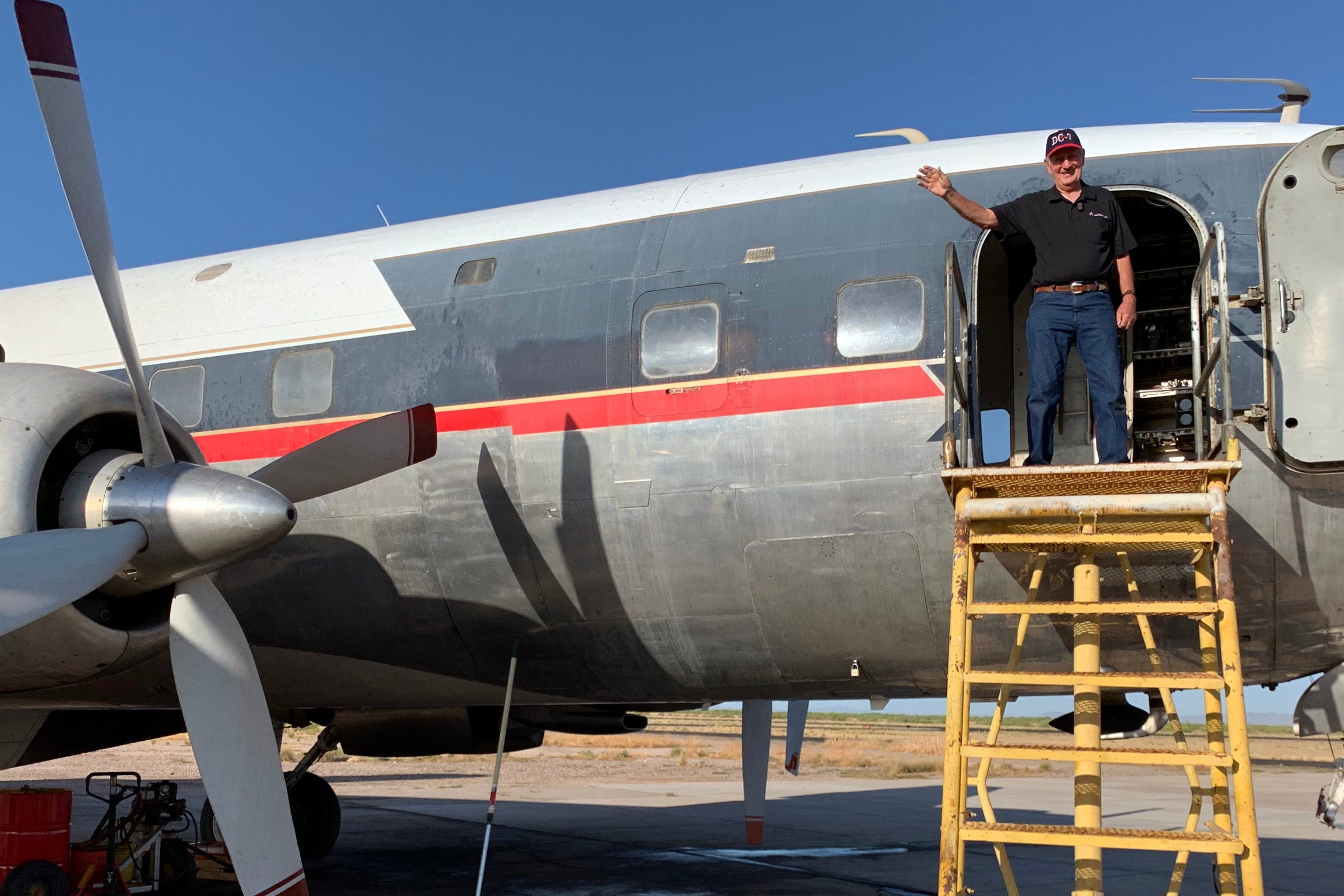
Following its early retirement from Delta, this particular aircraft still had a long career ahead, though. It operated charter flights for various travel clubs before it eventually made its way to Woody Grantham, who outfitted the belly with a huge tank and used the aircraft to operate firefighting flights on behalf of the U.S. Forest Service.
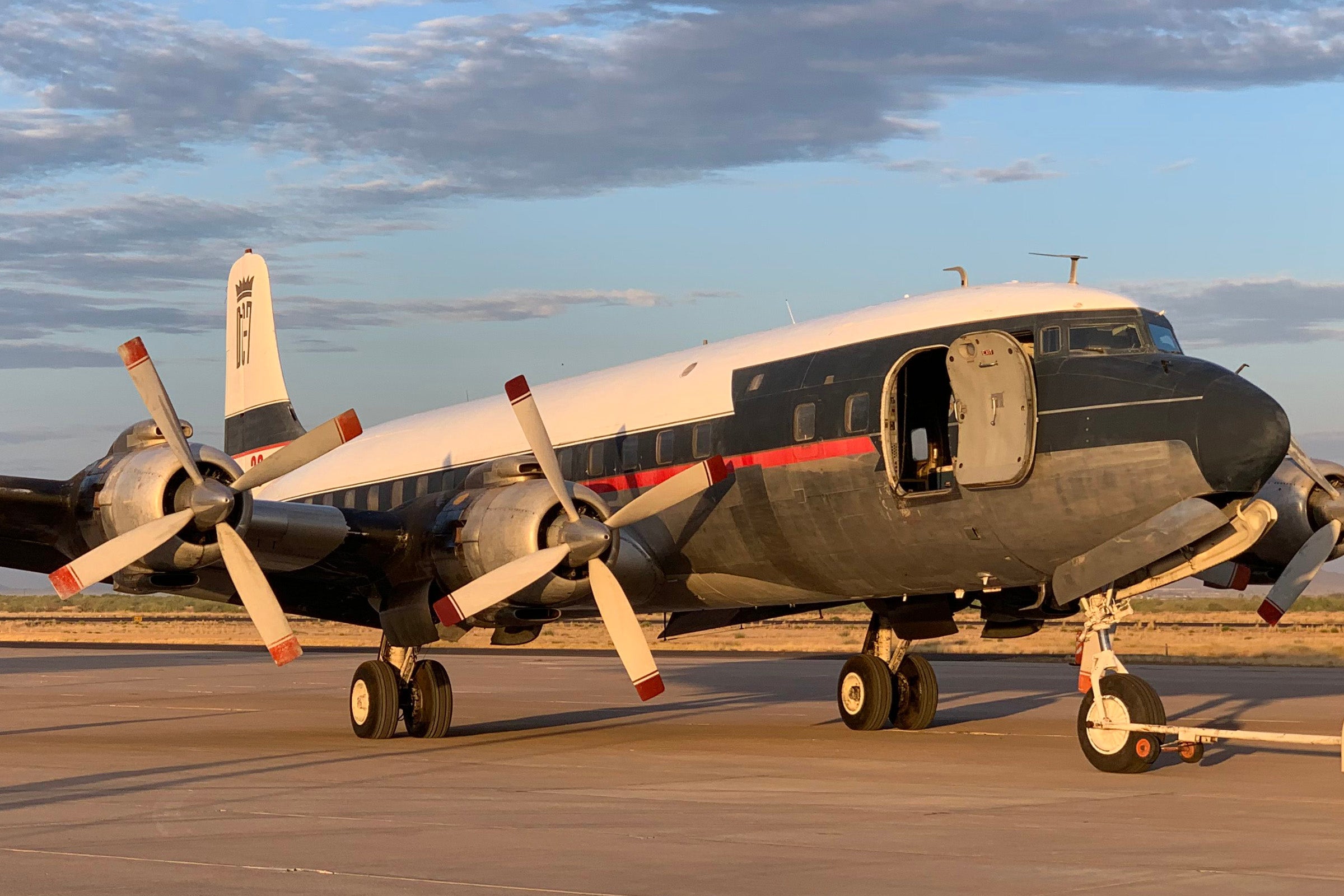
Woody's plane is a DC-7B, the second variant, which was designed for longer-range flights. This particular version could even cross the Atlantic, but often with a refueling stop in Gander, Canada (YQX), when facing heavy headwinds on the return.
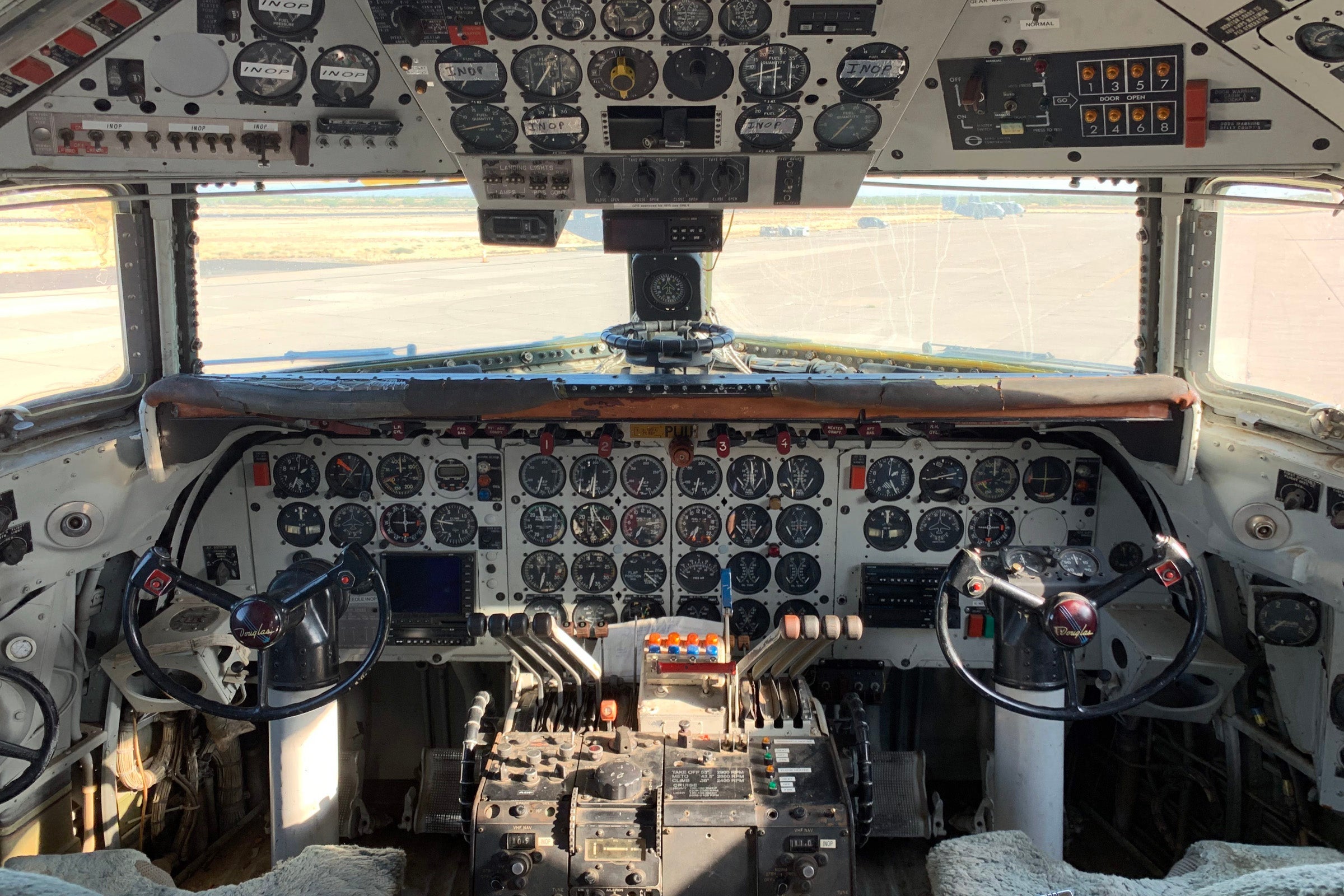
Woody's long career was focused on fighting forest fires and cargo operations. He's logged thousands of hours in the DC-7 and other vintage aircraft, including Lockheed's famed C-130 Hercules.

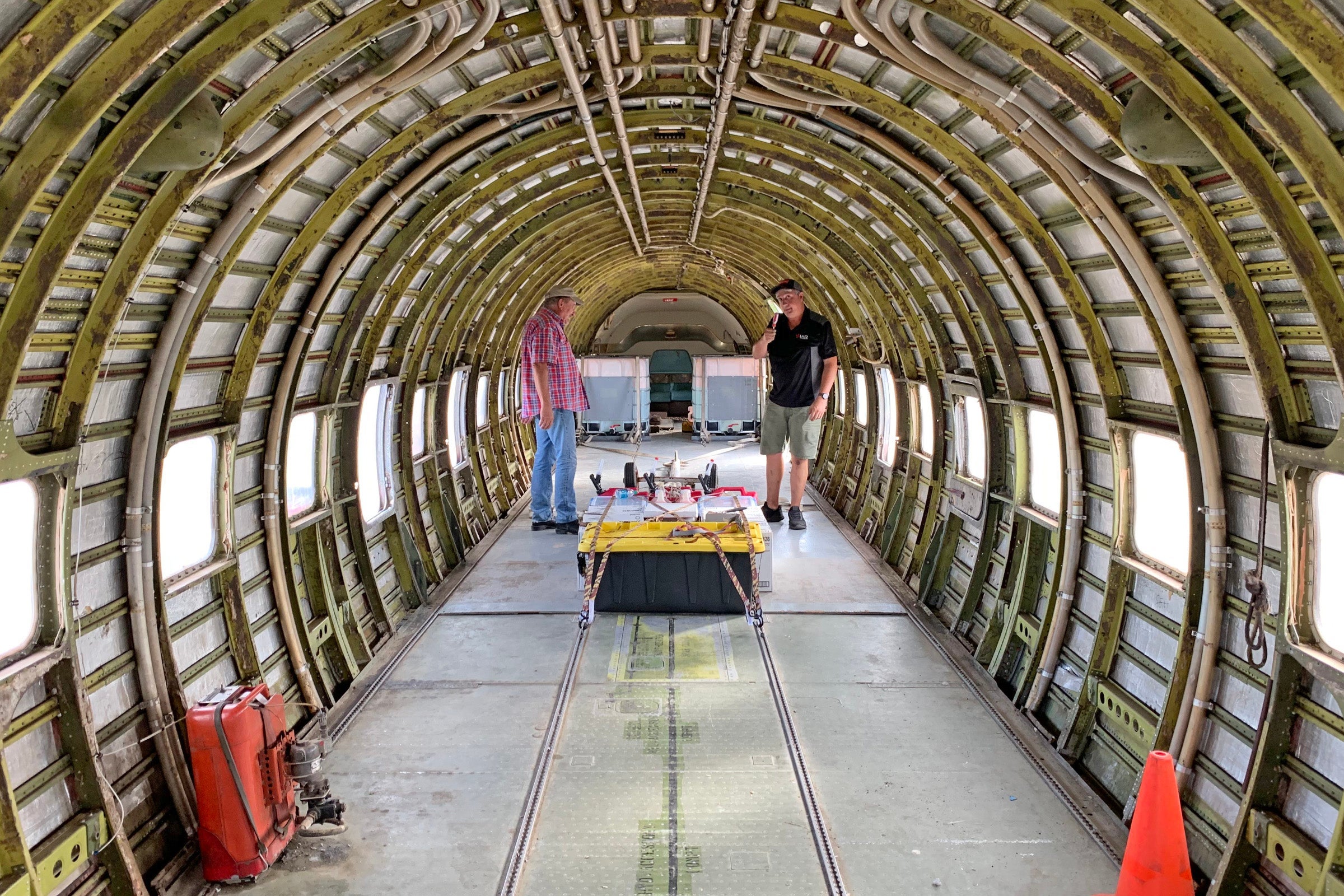
With no passengers to carry, the DC-7's cabin was promptly removed, leaving plenty of room for cargo — or an empty fuselage, for firefighting missions.
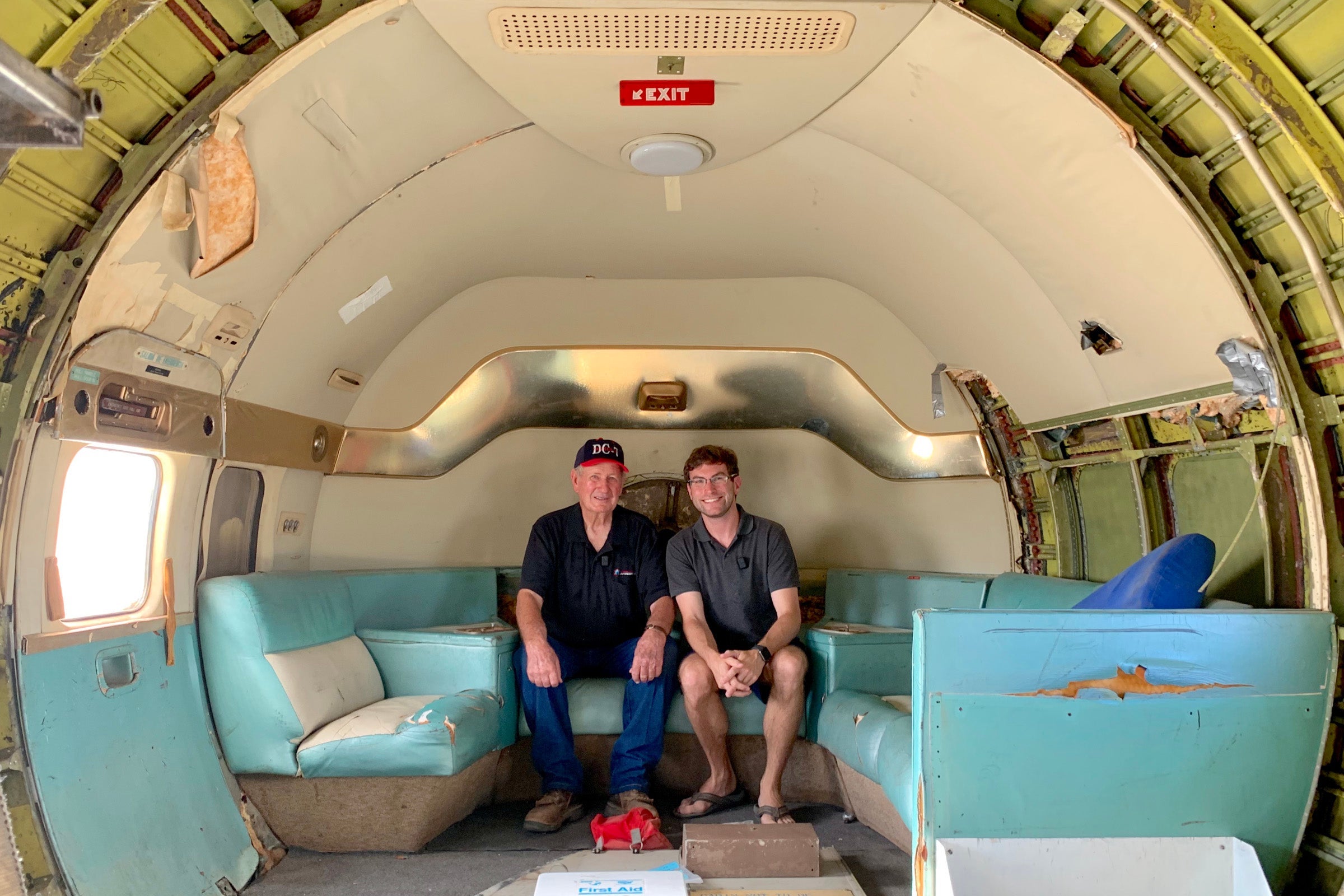
There is one original component still mostly intact, though. That's the first-class lounge, located behind the second first-class section in the aircraft's tail. It was primarily left in place for weight and balance purposes, but also served as a fun hangout during longer flights.
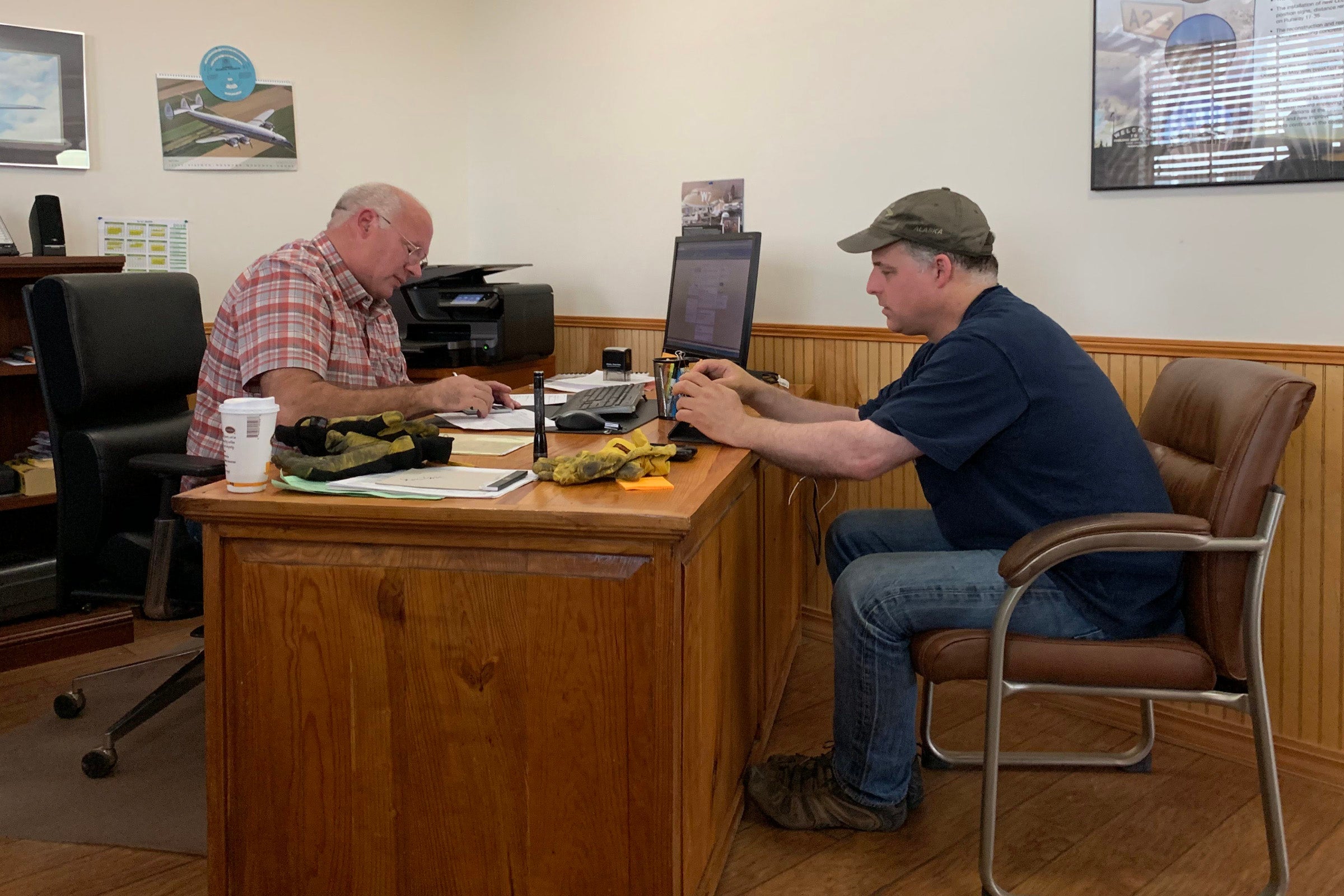
Unfortunately Woody isn't current in the DC-7, so he wasn't able to fly it over to Atlanta. The plane was in good hands with a hired crew, though.

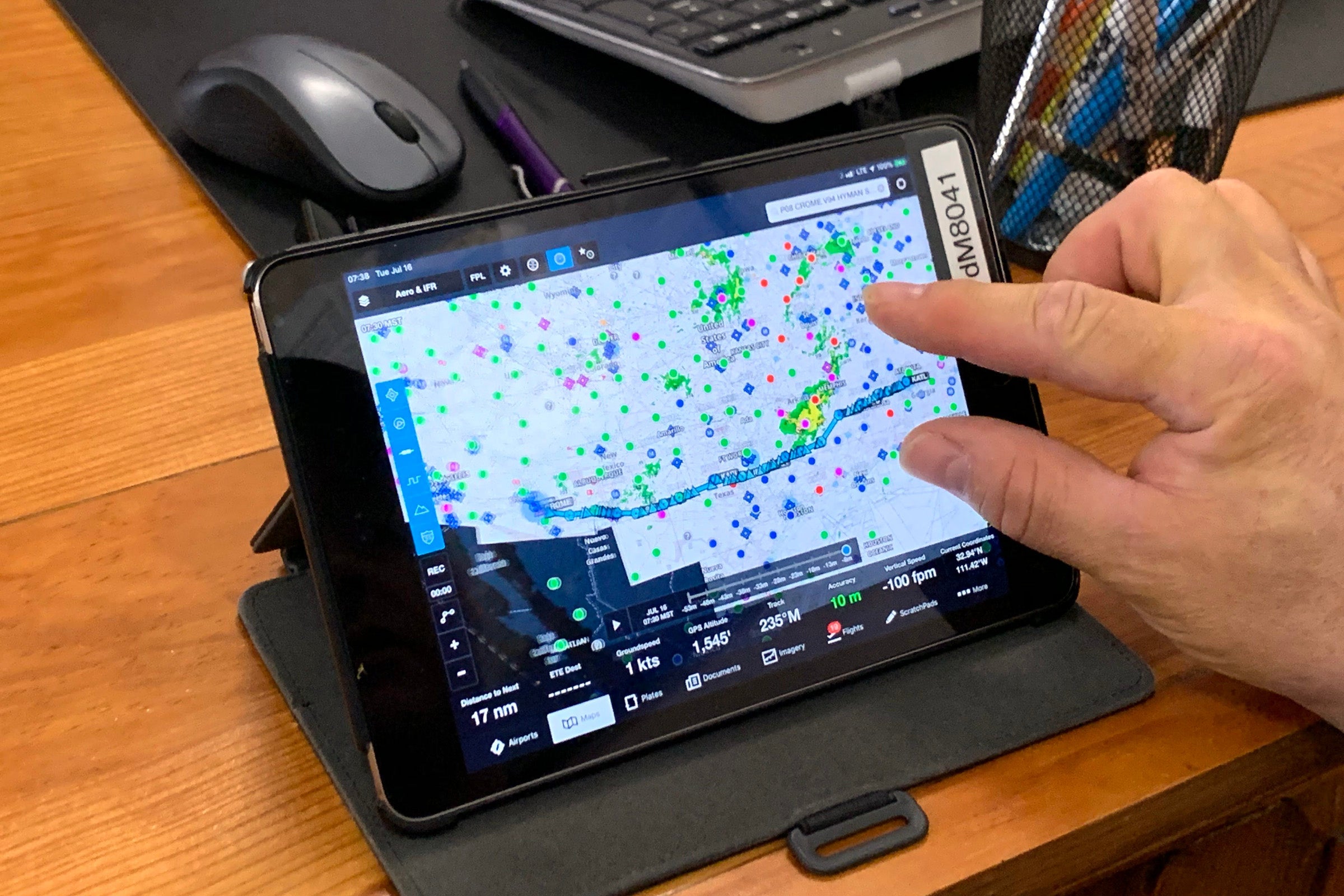
While the aircraft could technically make the roughly 1,600-mile trek without a stop, the pilots planned a refueling and aircraft check stop along the way in Texas, intending to continue the journey to Atlanta later the same day. Engine trouble got in the way, and N4887C was forced to divert to Mesa, Arizona (AZA), though it's since arrived at ATL.
After fueling, a few more checks and a handful of farewell photos, the final component was lifted up to the cabin for the journey to Atlanta — a much-needed towbar, allowing Delta's ground staff to tug the plane upon its arrival at ATL.
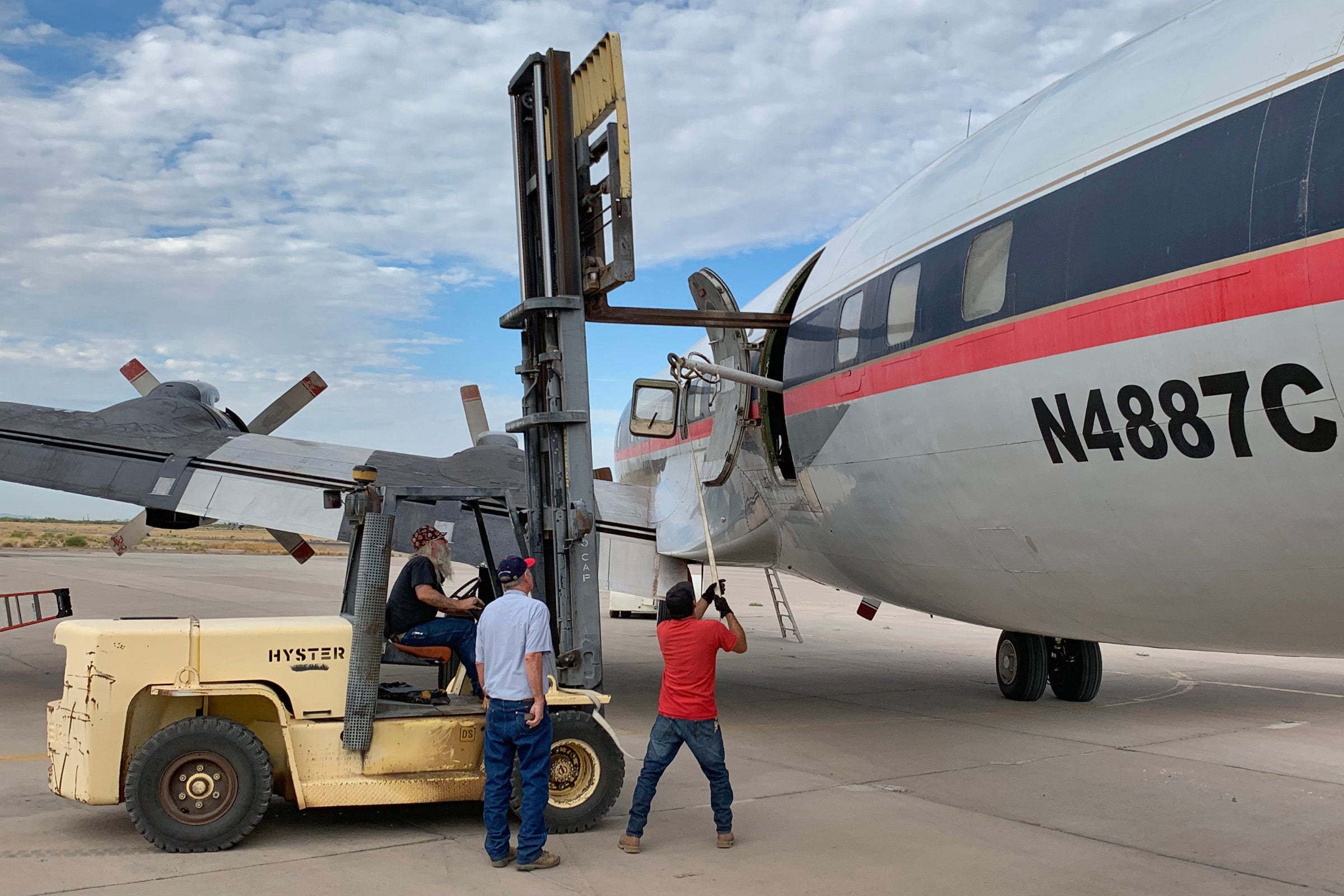
The Delta Flight Museum contracted a very capable crew to prepare the aircraft in Coolidge and bring it across the country to ATL, with the flight operated by pilots who regularly fly the type today.

N4887C isn't the only DC-7 that'll be based at a major international airport. N836D, which once flew for Eastern Airlines, is currently grounded at Charlotte Douglas International Airport (CLT) after experiencing engine trouble on its way to Florida several years ago. That aircraft had been parked near the Carolinas Aviation Museum, which is closed to the public as the facility undergoes restoration, with a planned reopening in 2022.
Soon, Delta will work to restore its latest museum piece at ATL, before adding it to the lineup for employees and aviation geeks from all around the world to enjoy.
https://delta-a.akamaihd.net/mm/flvmedia/717/t/p/5/tp5ixzbl_o8621wze_h264_1628K.mp4
TPG featured card
at American Express's secure site
Terms & restrictions apply. See rates & fees.
| 4X | Earn 4X Membership Rewards® points per dollar spent on purchases at restaurants worldwide, on up to $50,000 in purchases per calendar year, then 1X points for the rest of the year. |
| 4X | Earn 4X Membership Rewards® points per dollar spent at US supermarkets, on up to $25,000 in purchases per calendar year, then 1X points for the rest of the year. |
| 5X | Earn 5X Membership Rewards® points on prepaid hotel stays booked through AmexTravel.com or the Amex Travel App™. |
| 3X | Earn 3X Membership Rewards® points on flights booked through AmexTravel.com, the Amex Travel App™, or purchased directly from airlines. |
| 2X | Earn 2X Membership Rewards® points on prepaid car rentals booked through AmexTravel.com or the Amex Travel App™ and cruises booked and paid through AmexTravel.com. |
| 1X | Earn 1X Membership Rewards® point per dollar spent on all other eligible purchases. |
Pros
- Valuable dining and food-related credits
- Flexible rewards with airline and hotel transfer partners
- Multiple travel and purchase protections
- No foreign transaction fees
- Access to Amex Offers for additional savings (enrollment required)
Cons
- Not as useful for those living outside the U.S.
- Some may have trouble using Uber and other dining credits
- You may be eligible for as high as 100,000 Membership Rewards® Points after you spend $8,000 in eligible purchases on your new Card in your first 6 months of Card Membership. Welcome offers vary and you may not be eligible for an offer. Apply to know if you’re approved and find out your exact welcome offer amount – all with no credit score impact. If you’re approved and choose to accept the Card, your score may be impacted.
- Earn 4X Membership Rewards® points per dollar spent on purchases at restaurants worldwide, on up to $50,000 in purchases per calendar year, then 1X points for the rest of the year.
- Earn 4X Membership Rewards® points per dollar spent at US supermarkets, on up to $25,000 in purchases per calendar year, then 1X points for the rest of the year.
- Earn 5X Membership Rewards® points on prepaid hotel stays booked through AmexTravel.com or the Amex Travel App™.
- Earn 3X Membership Rewards® points on flights booked through AmexTravel.com, the Amex Travel App™, or purchased directly from airlines.
- Earn 2X Membership Rewards® points on prepaid car rentals booked through AmexTravel.com or the Amex Travel App™ and cruises booked and paid through AmexTravel.com.
- Earn 1X Membership Rewards® point per dollar spent on all other eligible purchases.
- Pay It® lets you tap in the American Express® App to quickly pay for small purchase amounts throughout the month and still earn rewards the way you usually do. Plan It® gives you the option to split up big purchases into equal monthly payments with a fixed fee. You’ll know upfront exactly how much you’ll pay.
- $120 Dining Credit: Earn up to a total of $10 in statement credits monthly when you pay with the Gold Card at Grubhub (including Seamless), Buffalo Wild Wings, Five Guys, The Cheesecake Factory, and Wonder. This can be an annual savings of up to $120. Enrollment required.
- $100 Resy Credit: Get up to $100 in statement credits each calendar year at over 10,000 qualifying U.S. Resy restaurants after you pay for eligible purchases with the American Express® Gold Card. That’s up to $50 in statement credits semi-annually. Enrollment required.
- $84 Dunkin' Credit: Earn up to $7 in monthly statement credits after you pay with the American Express® Gold Card at U.S. Dunkin’ locations. Enrollment required.
- $120 Uber Cash on Gold: Enjoy up to $120 in Uber Cash annually with your Gold Card. Just add your Card to your Uber account and you'll get $10 in Uber Cash each month to use on orders and rides in the U.S. when you select an Amex Card for your transaction.
- Enjoy complimentary Hertz Five Star® Status benefits like skipping the counter at select locations, adding an additional driver at no additional cost*, and vehicle upgrades**. Benefit enrollment and Hertz Gold+ registration are required. *Additional drivers must meet standard rental qualifications and must be a spouse or domestic partner to qualify as complimentary. Other additional drivers subject to fees. **Benefits are subject to availability and vary by location. Additional Hertz program Terms and Conditions including age restrictions apply.
- Book two nights or more with The Hotel Collection through AmexTravel.com or the Amex Travel App™ and receive a $100* credit towards eligible charges at over 1,400 upscale hotels worldwide. *Eligible charges vary by property.
- Book your travel through the Amex Travel App™ with added peace of mind – backed by American Express® service and support. Only for American Express® Card Members.
- Whenever you need us, we're here. Our Member Services team will ensure you are taken care of. From lost Card replacement to statement questions, we are available to help 24/7.
- No Foreign Transaction Fees.
- Annual Fee is $325.
- Terms Apply.