4 credit card mistakes to avoid

Editor's note: This is a recurring post, regularly updated with new information.
Credit cards have the potential to be an incredibly valuable financial tool you can use to hit your goals. Whether you want to save money on your monthly bills, earn rewards for free travel, upgrade your travel experience or a mix of all three, credit cards can help you get there when used responsibly. However, earning points and miles is less valuable if you're losing money in interest or hurting your credit score. As you pay with plastic, make sure you steer clear of these four major mistakes.
[table-of-contents /]
1. Using your credit card at an ATM
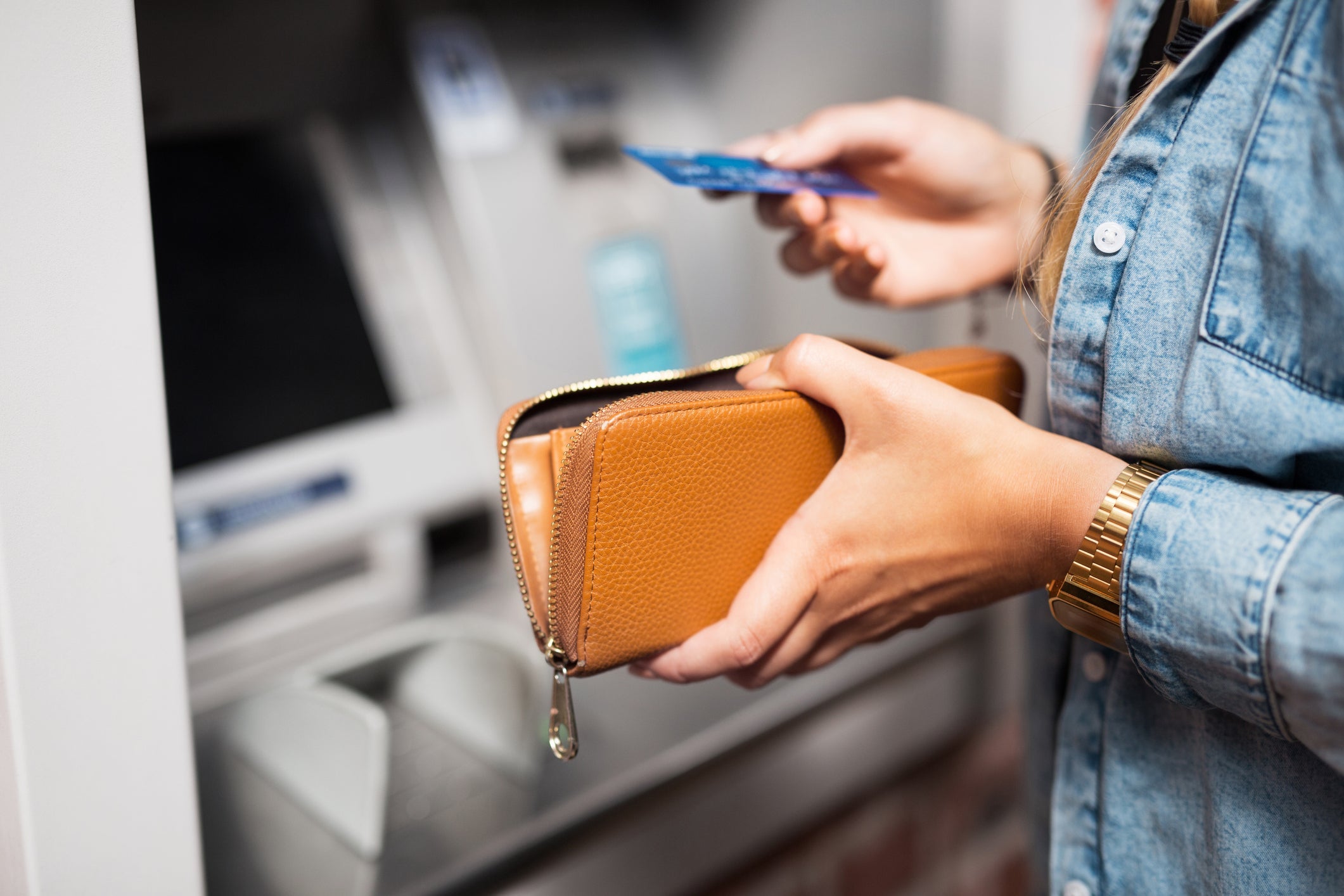
While I recommend using your credit card when you're traveling wherever possible, cash is still king in many destinations around the world. That means you may find yourself in need of pulling money out of an ATM while abroad. While you can use your credit card at most ATMs, there are two major drawbacks — transaction fees and higher annual percentage rates.
For example, let's say you make a cash advance withdrawal of $500. The issuer will likely charge you a transaction fee — likely $10 or 5% of the amount of the withdrawal, whichever is greater. So, before the interest even kicks in, you're already paying an additional $25. Some cards will reimburse you for these fees, so make sure to double-check whether this benefit is available to you. Then you'll also have to pay interest on top of those fees. While APRs vary based on the prime rate, which card you have and your credit score, it's not uncommon to see cash advance APRs near 25%.
Very rarely do we recommend using a debit card rather than a credit card, but pulling money out of an ATM is one such case where it might make sense to go that route — especially if you have a debit card that doesn't charge (or reimburses) out-of-network ATM fees.
Related: 7 ways to save on overseas ATM withdrawals
2. Only making minimum payments each month
On most credit cards, you don't have to pay your entire bill at the end of each month. Instead, you only have a minimum payment that's a portion of your bill. But if you're regularly paying the minimum amount and carrying a big balance, you'll end up paying more in interest. As that debt amount continues to climb, your credit score will move in the opposite direction. Why? Your debt-to-credit utilization ratio will suffer, which is one of the largest factors in determining your score.
Sometimes things happen and bills can't be paid in full. Or maybe you're taking advantage of a 0% APR offer that lets you space out a large purchase over time. But your goal should always pay your full bill each month, especially since this is one of TPG's 10 commandments for credit cards.

Related: Everything you need to know about credit card debt
3. Prioritizing earning rewards over paying down debt

At TPG, we know that credit card rewards can deliver some amazing benefits, including a premium class ticket to explore the world, free nights at your favorite hotels and cash-back opportunities for everyday spending. However, those benefits aren't worth anything if you're burdening yourself by racking up debt and having to pay steep interest rates. As you watch the total number of reward points tick upward each month, pay attention to a more important number: your balance. If you're carrying a big balance, you'll end up losing more money in interest payments than you gain in rewards value.
Related: 6 simple rules to stay out of credit card debt
4. Not keeping an eye on your accounts
With mobile banking apps and online banking tools, keeping an eye on your transactions has never been easier, and with credit card fraud on the rise, it's never been more important. Rather than waiting until the end of the month to review a lengthy list of what you spent, I recommend checking in on your credit card activity on a daily (or at least weekly) basis. If you don't recognize a charge, you can alert your bank and put an immediate stop to any malicious attempts to use your card.
Related: How to prevent credit card fraud

Bottom line
Credit cards have opened the door for me to experience so many things I otherwise would have missed out on — I've flown to Croatia on points and I've used cash back to save money on other expenses. But credit cards can turn into a burden on your finances when you don't use them to your benefit. Make sure you're maximizing your credit cards by avoiding these mistakes.
TPG featured card

at Capital One's secure site
Terms & restrictions apply. See rates & fees.
| 5X miles | Earn 5X miles on hotels, vacation rentals and rental cars booked through Capital One Travel |
| 2X miles | Earn unlimited 2X miles on every purchase, every day |
Pros
- Stellar welcome offer of 75,000 miles after spending $4,000 on purchases in the first three months from account opening. Plus, a $250 Capital One Travel credit to use in your first cardholder year upon account opening.
- You'll earn 2 miles per dollar on every purchase, which means you won't have to worry about memorizing bonus categories
- Rewards are versatile and can be redeemed for a statement credit or transferred to Capital One’s transfer partners
Cons
- Highest bonus-earning categories only on travel booked via Capital One Travel
- LIMITED-TIME OFFER: Enjoy $250 to use on Capital One Travel in your first cardholder year, plus earn 75,000 bonus miles once you spend $4,000 on purchases within the first 3 months from account opening - that’s equal to $1,000 in travel
- Earn unlimited 2X miles on every purchase, every day
- Earn 5X miles on hotels, vacation rentals and rental cars booked through Capital One Travel
- Miles won't expire for the life of the account and there's no limit to how many you can earn
- Receive up to a $120 credit for Global Entry or TSA PreCheck®
- Use your miles to get reimbursed for any travel purchase—or redeem by booking a trip through Capital One Travel
- Enjoy a $50 experience credit and other premium benefits with every hotel and vacation rental booked from the Lifestyle Collection
- Transfer your miles to your choice of 15+ travel loyalty programs
- Top rated mobile app