
The International Air Transport Association (IATA) has found only 44 confirmed cases of COVID-19 caught on a flight from among the 1.2 billion people that flew between January and July this year, in a study released Thursday. That translates to one case for every 27.3 million flyers.
In other words, you have a better chance of getting struck by lightning than catching COVID on an airplane, the study found.
Sign up for the free daily TPG newsletter for more airline news!
IATA, as well as experts from Airbus, Boeing and Embraer, all agreed that the combination of wearing a mask and the constant airflow through high-efficiency particulate air (HEPA) filters keep cabins safe.
Brazilian planemaker Embraer found that masks alone reduced a flyer's risk of inhaling COVID particles by six times. This is greater than the benefit of, for example, blocking a middle seat for the appearance of social distancing on a plane.
“The social distance onboard an aircraft are ensured by the airflow," IATA medical advisor Dr. David Powell said during a briefing Thursday. "That’s the best protection onboard an aircraft.”
Related: What the heck is a HEPA filter? How airplane air stays clean
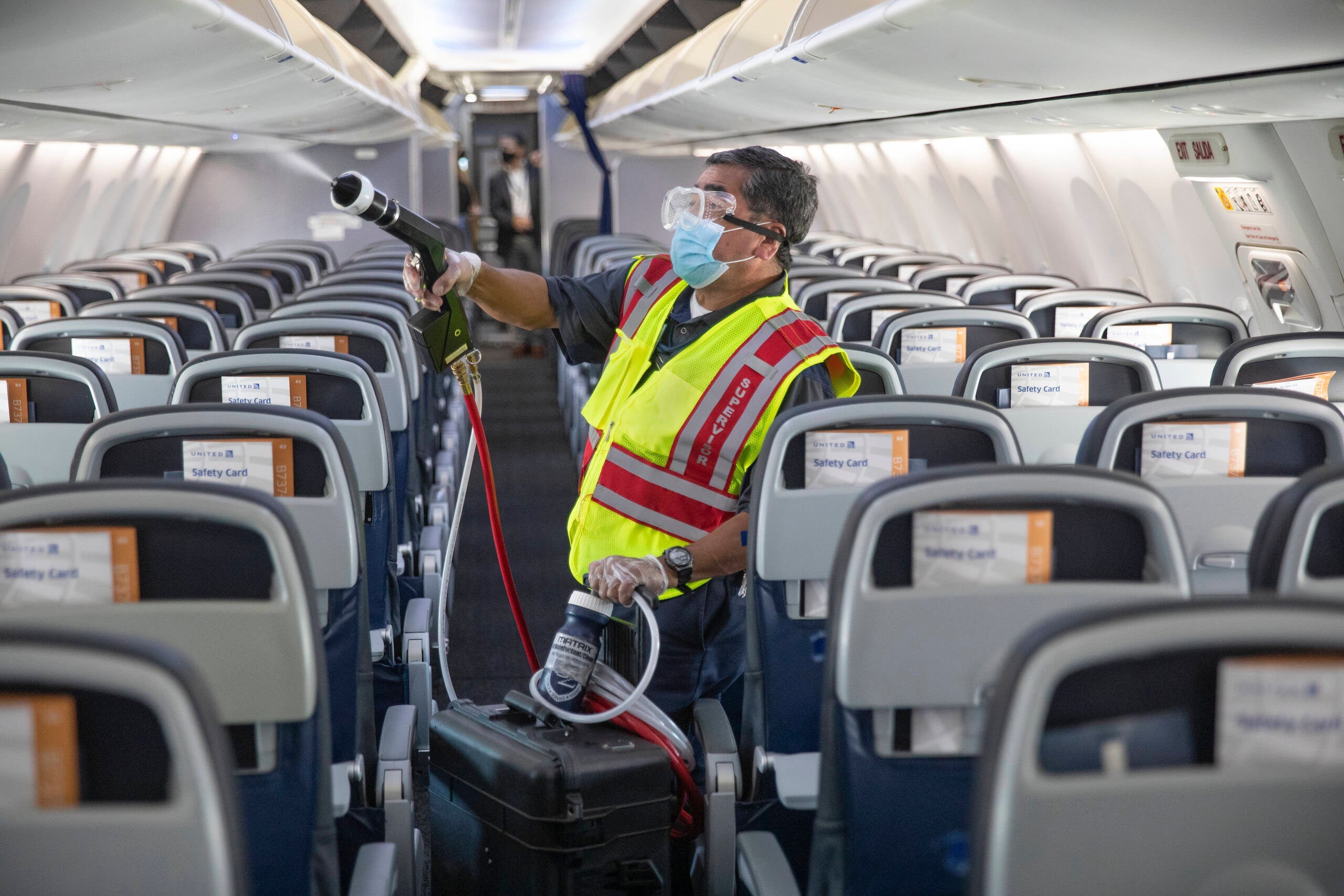
IATA's study backs up assertions by American Airlines, United Airlines and others that blocking seats does not provide safety from the virus. Instead, those sides say that masks, air filtration and enhanced cleaning measures are the best defense against transmission on a plane.
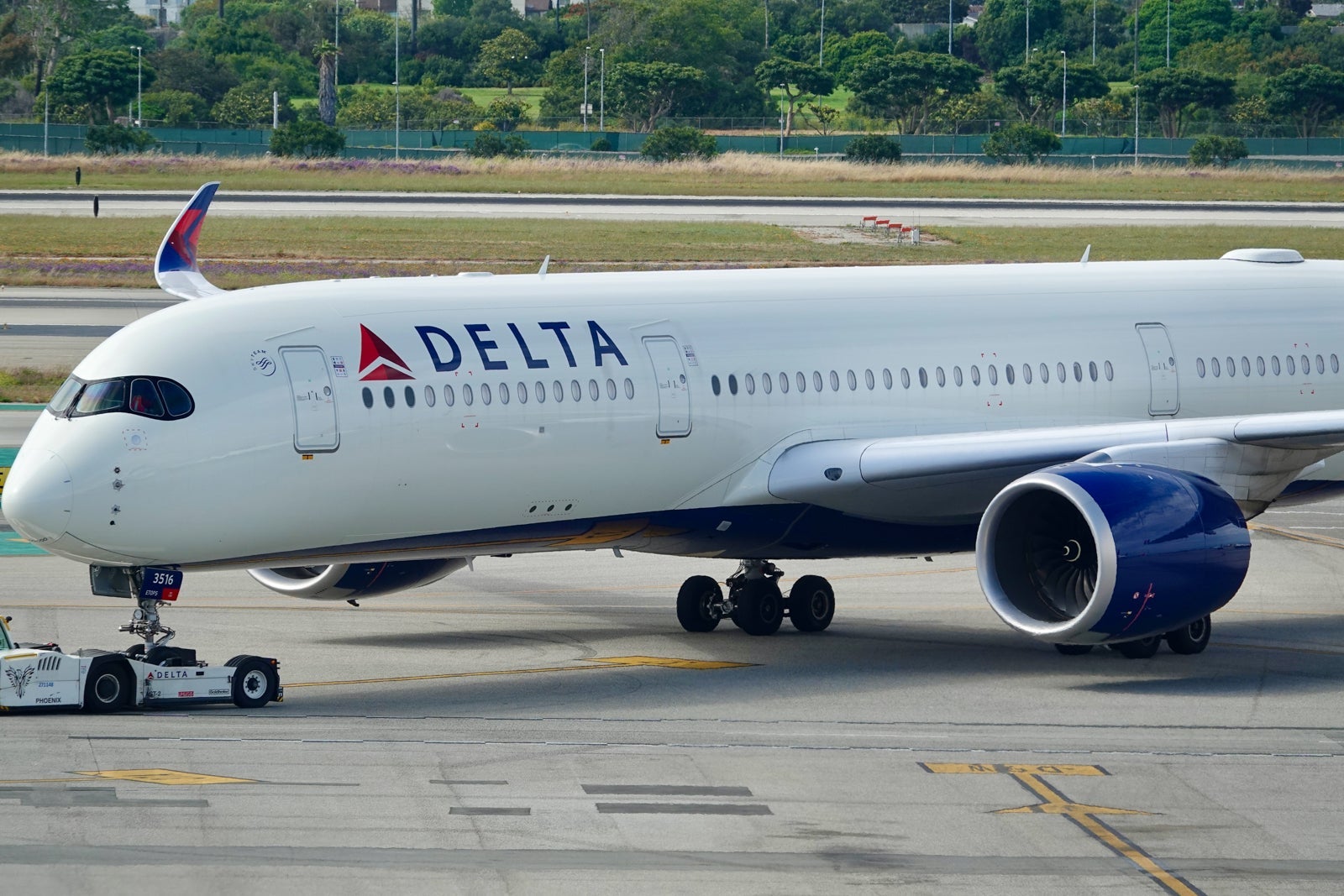
Delta Air Lines CEO Ed Bastian has said that his carrier's decision to block seats into next year is more a matter of building traveler confidence than anything else. In addition, the carrier has been able to command slightly higher fares than its competitors throughout the crisis possibly mitigating the impact of blocked seats.
Alaska Airlines, JetBlue Airways and Southwest Airlines also either block seats or cap the number of flyers on their flights.
Related: Delta will block seats into January as it tries to boost traveler confidence
The U.S. Centers for Disease Control and Prevention (CDC), when asked about inflight transmission in August, told TPG that the data was inconclusive.
Despite the new data showing a low risk of COVID-19 transmission on an aircraft, IATA and the planemakers agreed that risks remain elsewhere in the travel process. For example, in the airport terminal or on the way to the airport.
And the trade group is not bullish on a general recovery in air travel. IATA does not expect a full return to 2019 levels of flying until at least 2024, with domestic markets returning before international ones.
“If you want to travel and minimize the risks of COVID-19, put on a mask and get on an airplane," Luis Carlos Alfonso, vice president of engineering, technology and strategy at Embraer, said during the briefing.