The Iconic Concorde 'Droop-Snoot' Will Rise (and Fall) Once Again

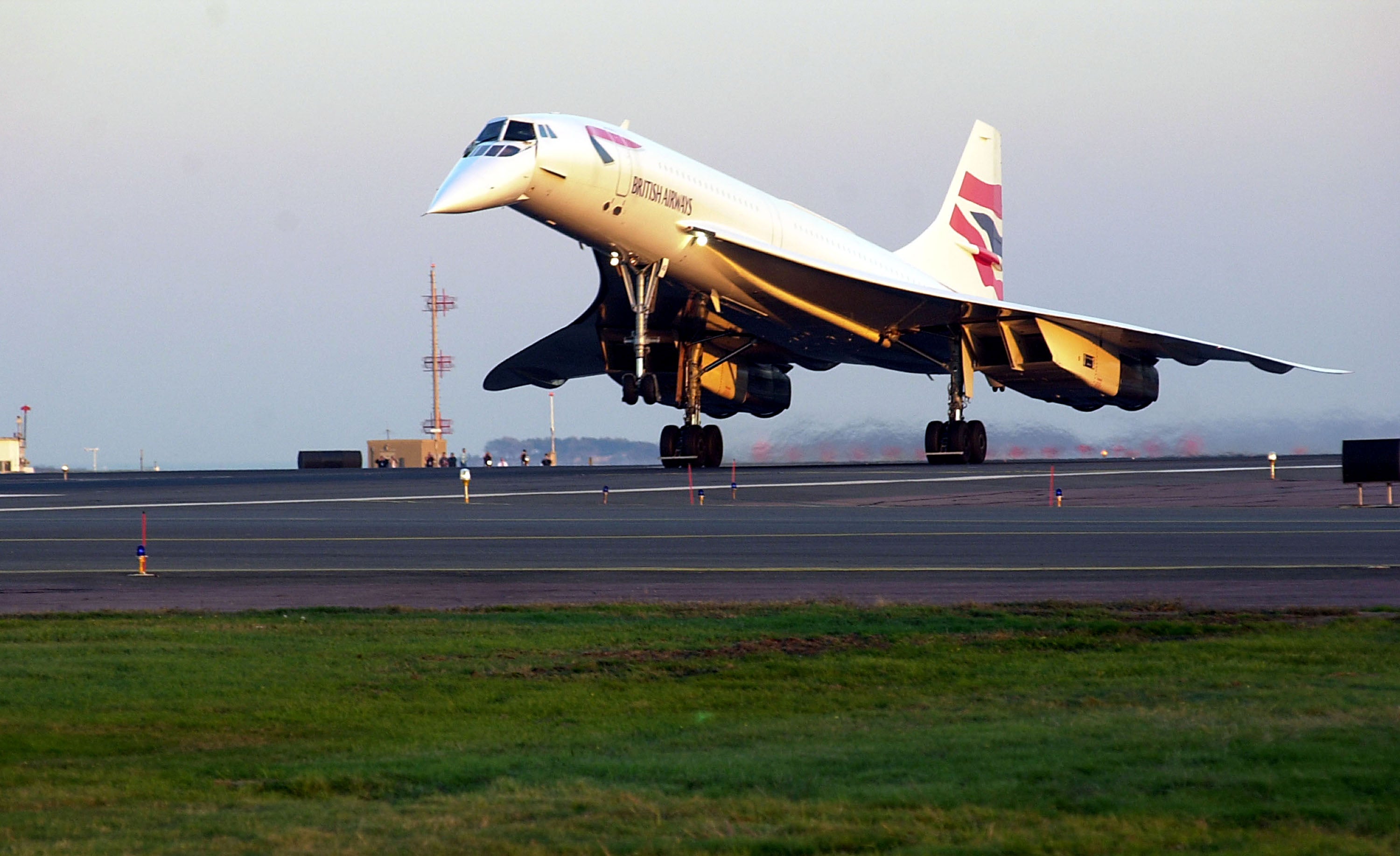
Fans of the iconic supersonic Concorde will have something to look forward to in the coming months. CNN Travel has reported that the droop-nose (a.k.a. droop-snoot), one of the defining characteristics of the Concorde, is in the restoration process. The goal of the restoration is to reanimate the droop-nose in time for the 50th anniversary of the Concorde's maiden flight.
The Concorde made its maiden flight on March 2, 1969. As part of the 50th-anniversary celebration of the now-grounded fleet, Aerospace Bristol is offering special tours and talks in addition to scheduled events. However, a group of volunteers is working directly on the Concorde to allow visitors to see something quite special: the reanimation of the iconic droop-nose.
After G-BOAF made its final flight, the aircraft was prepped for long-term storage and preservation. Part of the preservation and storage process meant removing some internal components of the aircraft and draining the plane of its hydraulic fluid. Without hydraulic fluid, the droop-nose was rendered useless. Now, almost 16 years since the final flight of the Concorde, volunteers are working on a solution to reanimate the droop-snoot.
The droop-nose or droop-snoot refers to the ability of the Concorde's nose to move up and down, depending on the stage of flight. Thanks to the Concorde's unique pencil-tip design, the Concorde flew at a higher angle of attack. This meant that the aircraft pitched up at a greater angle than a typical airliner. While this wasn't an issue at cruising altitude, the high angle of attack would prevent pilots from being able to see the runway on taxi, takeoff and landing. So, the droop-nose was added to the supersonic aircraft, allowing the crew to shift the angle of the nose at certain stages of the flight. When the Concorde approached a runway, the nose would droop down, allowing the pilots to see where the aircraft was headed.

The Concorde's Droop-Snoot in action (Image via Giphy/Reddit)
Volunteers working to reanimate the droop-snoot consist of aviation enthusiasts and engineers, some of whom worked on the Concorde while the aircraft was still in service. Getting the droop-nose to a point at which it can be operated has not been a simple task. The team of volunteers had to install new cables, power components, and a transformer to tap into the plane's original electrical system.

While new wires and electrical components addressed the issue of not being able to deliver power to a grounded aircraft, the droop-nose still required a significant amount of pressure to operate. This required a hydraulic system. Zeus Hydratech, a hydraulics supplier, stepped in and donated a special motor and power unit, which will deliver upwards of 3,000 PSI. The pressure generated by the new hydraulics system will allow the nose to lower and raise as it did when the aircraft was in regular passenger service.
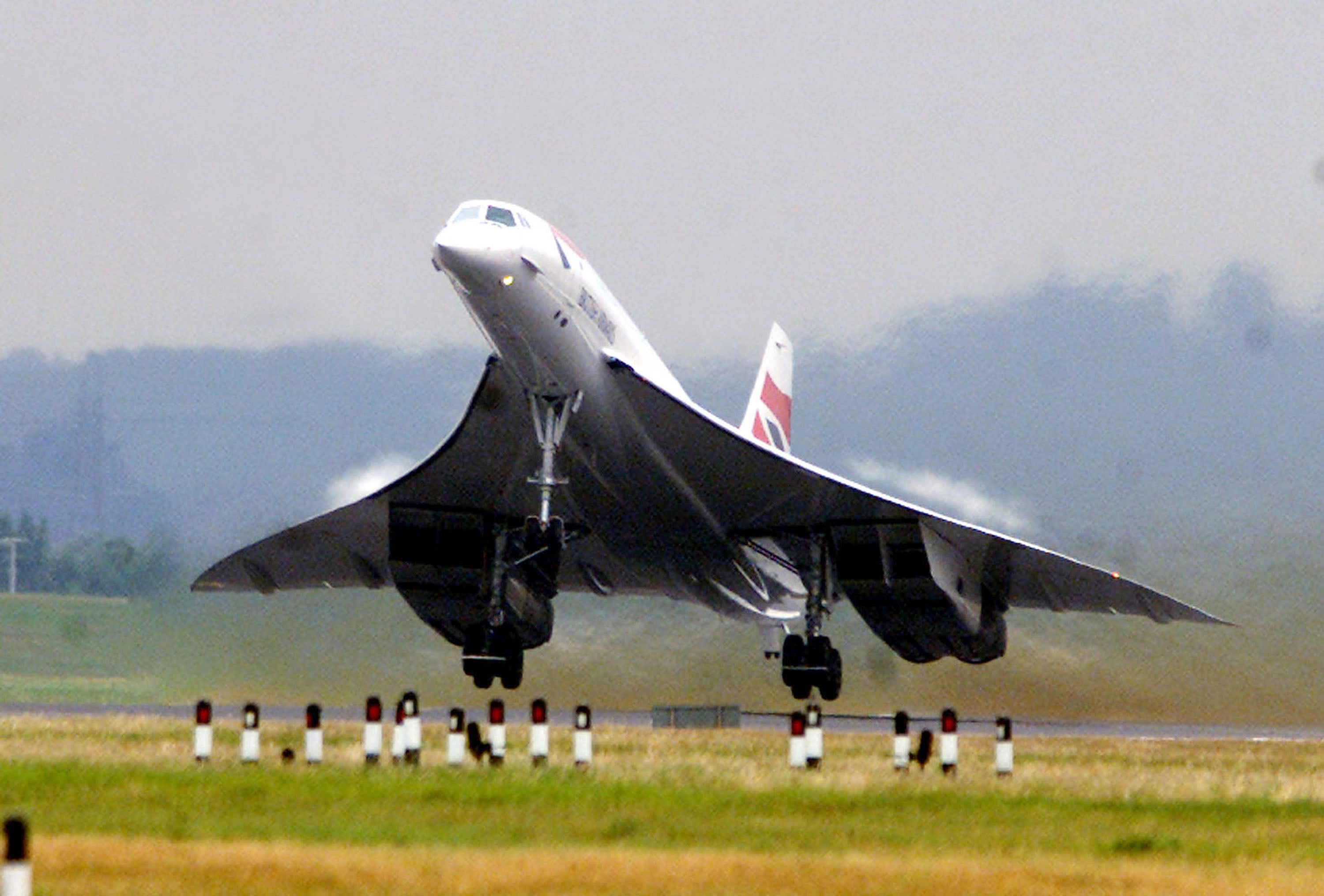
Today, given an absence of any supersonic aircraft, a droop-nose has not been used since the Concorde. Only a few older military aircraft feature operational droop-noses. That said, very few flyers have seen the engineering feat up close and in person. Now, thanks to the dedicated team of volunteers at Aerospace Bristol, the droop-nose will be reanimated for the next generation of aviation enthusiasts to swoon over.
TPG featured card
at American Express's secure site
Terms & restrictions apply. See rates & fees.
| 4X | Earn 4X Membership Rewards® points per dollar spent on purchases at restaurants worldwide, on up to $50,000 in purchases per calendar year, then 1X points for the rest of the year. |
| 4X | Earn 4X Membership Rewards® points per dollar spent at US supermarkets, on up to $25,000 in purchases per calendar year, then 1X points for the rest of the year. |
| 5X | Earn 5X Membership Rewards® points on prepaid hotel stays booked through AmexTravel.com or the Amex Travel App™. |
| 3X | Earn 3X Membership Rewards® points on flights booked through AmexTravel.com, the Amex Travel App™, or purchased directly from airlines. |
| 2X | Earn 2X Membership Rewards® points on prepaid car rentals booked through AmexTravel.com or the Amex Travel App™ and cruises booked and paid through AmexTravel.com. |
| 1X | Earn 1X Membership Rewards® point per dollar spent on all other eligible purchases. |
Pros
- Valuable dining and food-related credits
- Flexible rewards with airline and hotel transfer partners
- Multiple travel and purchase protections
- No foreign transaction fees
- Access to Amex Offers for additional savings (enrollment required)
Cons
- Not as useful for those living outside the U.S.
- Some may have trouble using Uber and other dining credits
- You may be eligible for as high as 100,000 Membership Rewards® Points after you spend $8,000 in eligible purchases on your new Card in your first 6 months of Card Membership. Welcome offers vary and you may not be eligible for an offer. Apply to know if you’re approved and find out your exact welcome offer amount – all with no credit score impact. If you’re approved and choose to accept the Card, your score may be impacted.
- Earn 4X Membership Rewards® points per dollar spent on purchases at restaurants worldwide, on up to $50,000 in purchases per calendar year, then 1X points for the rest of the year.
- Earn 4X Membership Rewards® points per dollar spent at US supermarkets, on up to $25,000 in purchases per calendar year, then 1X points for the rest of the year.
- Earn 5X Membership Rewards® points on prepaid hotel stays booked through AmexTravel.com or the Amex Travel App™.
- Earn 3X Membership Rewards® points on flights booked through AmexTravel.com, the Amex Travel App™, or purchased directly from airlines.
- Earn 2X Membership Rewards® points on prepaid car rentals booked through AmexTravel.com or the Amex Travel App™ and cruises booked and paid through AmexTravel.com.
- Earn 1X Membership Rewards® point per dollar spent on all other eligible purchases.
- Pay It® lets you tap in the American Express® App to quickly pay for small purchase amounts throughout the month and still earn rewards the way you usually do. Plan It® gives you the option to split up big purchases into equal monthly payments with a fixed fee. You’ll know upfront exactly how much you’ll pay.
- $120 Dining Credit: Earn up to a total of $10 in statement credits monthly when you pay with the Gold Card at Grubhub (including Seamless), Buffalo Wild Wings, Five Guys, The Cheesecake Factory, and Wonder. This can be an annual savings of up to $120. Enrollment required.
- $100 Resy Credit: Get up to $100 in statement credits each calendar year at over 10,000 qualifying U.S. Resy restaurants after you pay for eligible purchases with the American Express® Gold Card. That’s up to $50 in statement credits semi-annually. Enrollment required.
- $84 Dunkin' Credit: Earn up to $7 in monthly statement credits after you pay with the American Express® Gold Card at U.S. Dunkin’ locations. Enrollment required.
- $120 Uber Cash on Gold: Enjoy up to $120 in Uber Cash annually with your Gold Card. Just add your Card to your Uber account and you'll get $10 in Uber Cash each month to use on orders and rides in the U.S. when you select an Amex Card for your transaction.
- Enjoy complimentary Hertz Five Star® Status benefits like skipping the counter at select locations, adding an additional driver at no additional cost*, and vehicle upgrades**. Benefit enrollment and Hertz Gold+ registration are required. *Additional drivers must meet standard rental qualifications and must be a spouse or domestic partner to qualify as complimentary. Other additional drivers subject to fees. **Benefits are subject to availability and vary by location. Additional Hertz program Terms and Conditions including age restrictions apply.
- Book two nights or more with The Hotel Collection through AmexTravel.com and receive a $100* credit towards eligible charges at over 1,300 upscale hotels worldwide.§ *Eligible charges vary by property.
- Book your travel through the Amex Travel App™ with added peace of mind – backed by American Express® service and support. Only for American Express® Card Members.
- Whenever you need us, we're here. Our Member Services team will ensure you are taken care of. From lost Card replacement to statement questions, we are available to help 24/7.
- No Foreign Transaction Fees.
- Annual Fee is $325.
- Terms Apply.