
As of Monday, Canadian Prime Minister Justin Trudeau is allowing Canadian citizens and permanent residents who have been fully vaccinated against COVID-19 to skip a mandatory 14-day quarantine on arrival in the country. Additionally as of Monday, those entering by air no longer need to spend their first three days in the country at a government-approved hotel.
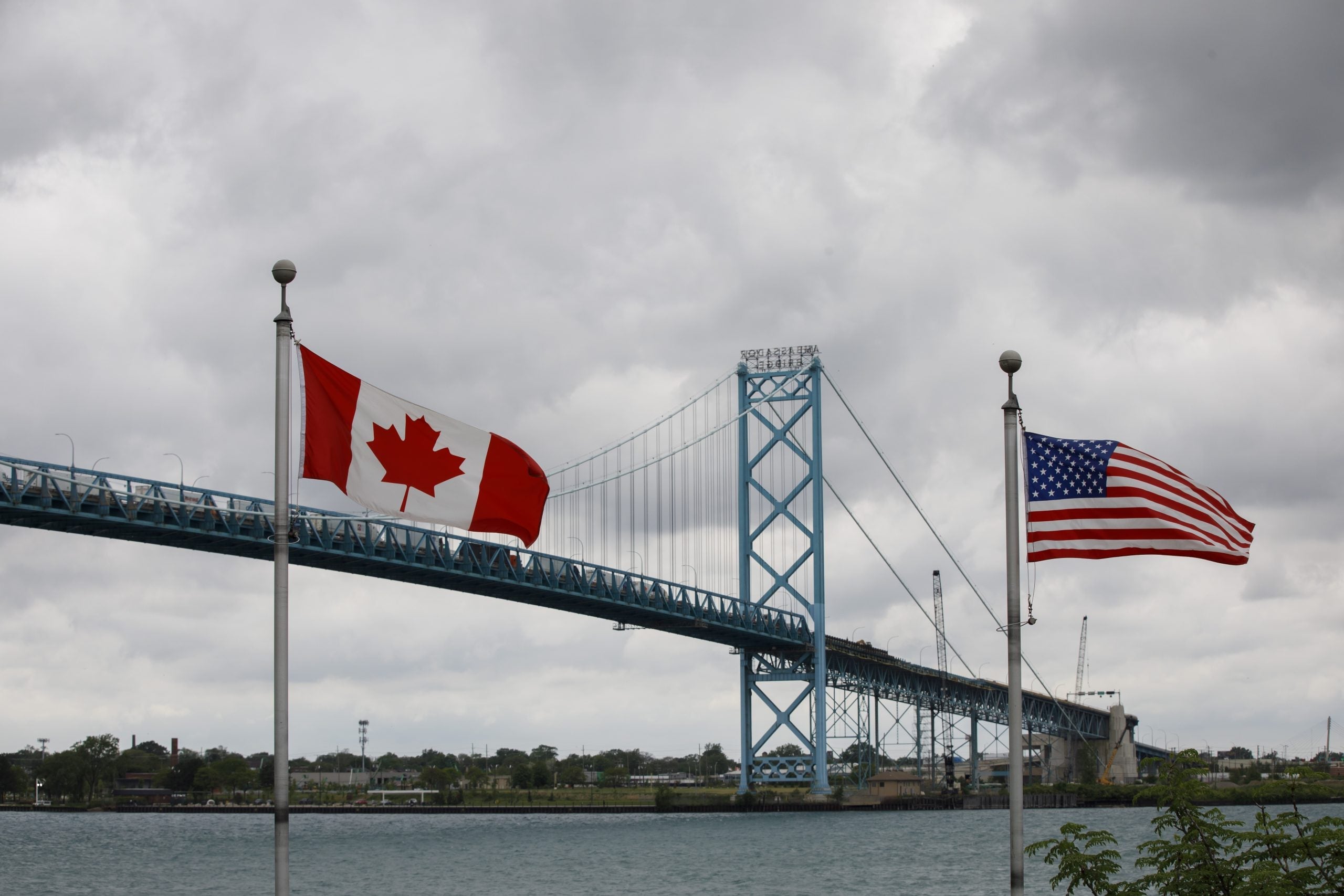
Even though Trudeau has made travel easier for Canadian citizens and permanent residents as of Monday, the border restrictions between the U.S. and Canada are set to remain in place until at least July 21. That date, however, could be delayed again.
"We’re very hopeful that we’re going to see new steps on reopening announced in the coming weeks," Trudeau said. "We’re going to make sure that we’re not seeing a resurgence of COVID-19 cases because nobody wants to go back to further restrictions, after having done so much and sacrificed so much to get to this point.”
Related: Canada extends border closure to the US through July 21
Canadian citizens and permanent residents who are now permitted to enter the country from the U.S. must have been fully vaccinated for at least 14 days in order to be eligible for quarantine-free entry. Travelers must have proof of their vaccination records through the ArriveCan app.
Unfortunately, Monday's lifting of restrictions still doesn't allow for U.S. citizens to travel to Canada. The Canadian Border Services Agency clarified in a Tweet on Monday that non-essential travel from the U.S. to Canada by non-citizens is still prohibited.
Monday's relaxing of restrictions for Canadians marks a promising sign of what's to come. Governments of both countries are hopeful to be able to reopen tourism and non-essential travel by the end of the month.
Since March 2020, the border between Canada and the U.S. has remained closed to tourism, causing concern for the industries in both countries.
Related: Why Canada remains closed to travelers even as other parts of the world reopen
As of July 5, the Canadian government has reported that about 67% of the population had received at least one dose of a COVID-19 vaccine, while 27% of the country is fully vaccinated.