Study Claims Contaminated Cabin Air Could Be a Big Health Risk
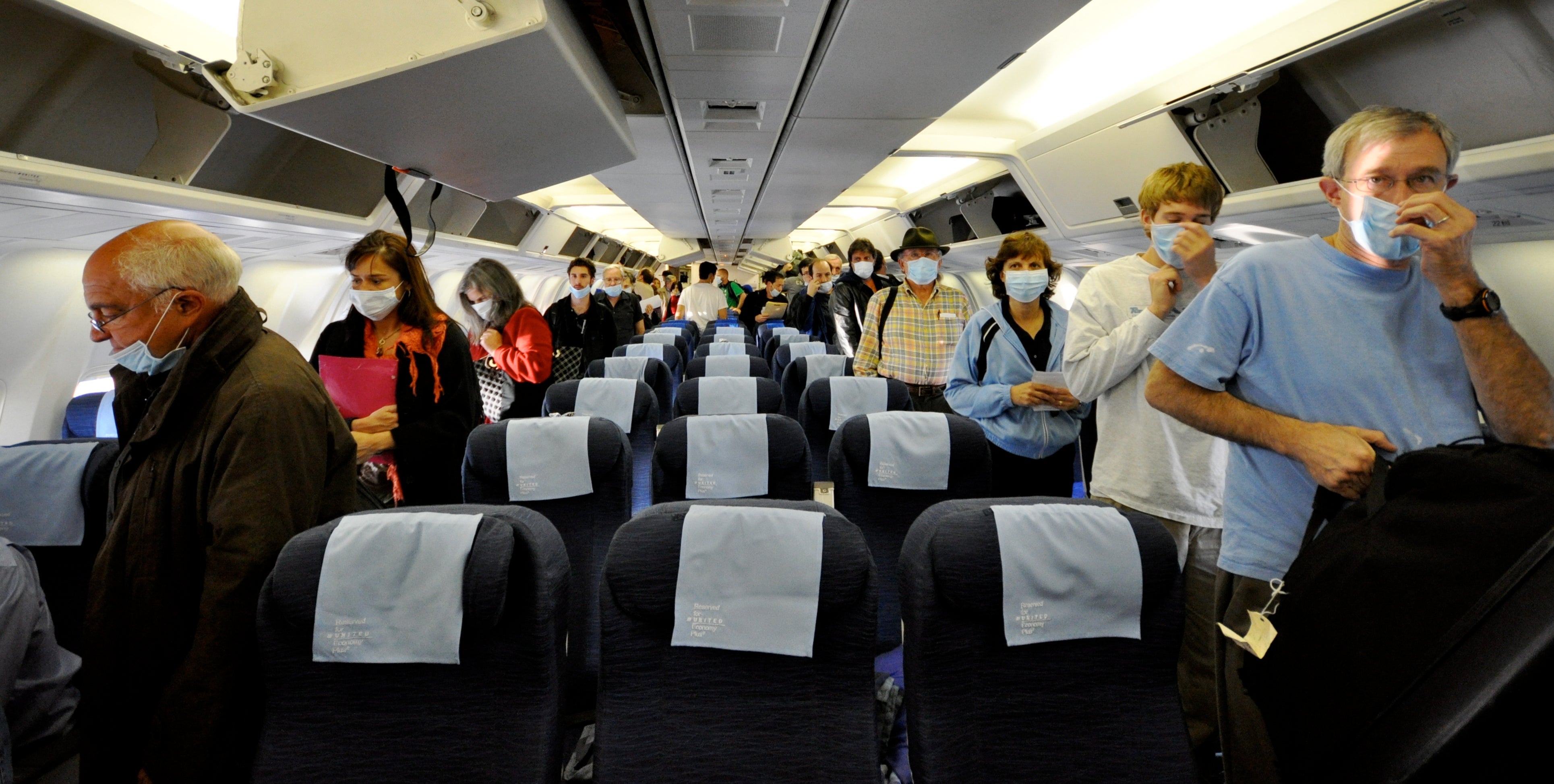
Toxic airline cabin air could be putting billions of annual travelers at risk, according to a new study published in the June issue of the Public Health Panorama medical journal. The study focused on the impact of contaminated bleed air — compressed air used to pressurize cabins — on a sample of more than 200 pilots suspected to have been exposed to it. Researchers found evidence of short-term health issues, including headaches and dizziness as well as long-term neurological and gastrointestinal problems.
Bleed air can become contaminated by engine oil leaks, the study explained, though it noted that there is some controversy over how often such leaks occur. The study also said tiny oil leaks happen over the normal course of a flight, while larger leaks only happen as a result of equipment failure. It also asserted that in 2015, 3.5 billon passengers and 500,000 passengers — essentially all air travelers — were exposed to low-level oil fumes.
Professor C. Vyvyan Howard of the University of Ulster, who helped lead the study, told The Independent that crew members may be at the highest risk. "What we are seeing is an acute or chronic pattern of exposure. That is, crew are routinely exposed to these fluids at low level in normal flight, with acute higher dose exposures sometimes occurring on top of this lower-level normal exposure," said Howard.
But passengers are at risk, too: "As passengers all breathe the same air, they too will be exposed in all flights," Howard said. "Frequent flyers may be exposed in a similar manner to air crew, while other susceptible individuals may experience adverse effects on just one flight."
The scientists behind the study are calling for the airline industry to change in the wake of their findings and begin to address an issue they claim the industry has known about for years. "They won't admit it because of money and liability," Dr. Susan Michaelis told The Independent. "They knew about this problem in the 1950s. It's unconscionable that they haven't dealt with it."
Avoiding potentially harmful bleed air is not easy; the study said the Boeing 787 Dreamliner is the only commercial airline in the skies today that doesn't use it — according to DesignNews, the 787 uses an electrical system instead of more traditional engines to pressurize cabin air.

H/T: The Independent
TPG featured card

at Capital One's secure site
Terms & restrictions apply. See rates & fees.
| 5X miles | Earn 5X miles on hotels, vacation rentals and rental cars booked through Capital One Travel |
| 2X miles | Earn unlimited 2X miles on every purchase, every day |
Pros
- Stellar welcome offer of 75,000 miles after spending $4,000 on purchases in the first three months from account opening. Plus, a $250 Capital One Travel credit to use in your first cardholder year upon account opening.
- You'll earn 2 miles per dollar on every purchase, which means you won't have to worry about memorizing bonus categories
- Rewards are versatile and can be redeemed for a statement credit or transferred to Capital One’s transfer partners
Cons
- Highest bonus-earning categories only on travel booked via Capital One Travel
- LIMITED-TIME OFFER: Enjoy $250 to use on Capital One Travel in your first cardholder year, plus earn 75,000 bonus miles once you spend $4,000 on purchases within the first 3 months from account opening - that’s equal to $1,000 in travel
- Earn unlimited 2X miles on every purchase, every day
- Earn 5X miles on hotels, vacation rentals and rental cars booked through Capital One Travel
- Miles won't expire for the life of the account and there's no limit to how many you can earn
- Receive up to a $120 credit for Global Entry or TSA PreCheck®
- Use your miles to get reimbursed for any travel purchase—or redeem by booking a trip through Capital One Travel
- Enjoy a $50 experience credit and other premium benefits with every hotel and vacation rental booked from the Lifestyle Collection
- Transfer your miles to your choice of 15+ travel loyalty programs
- Top rated mobile app