American-United merger buzz fades, but could another big airline deal be coming?

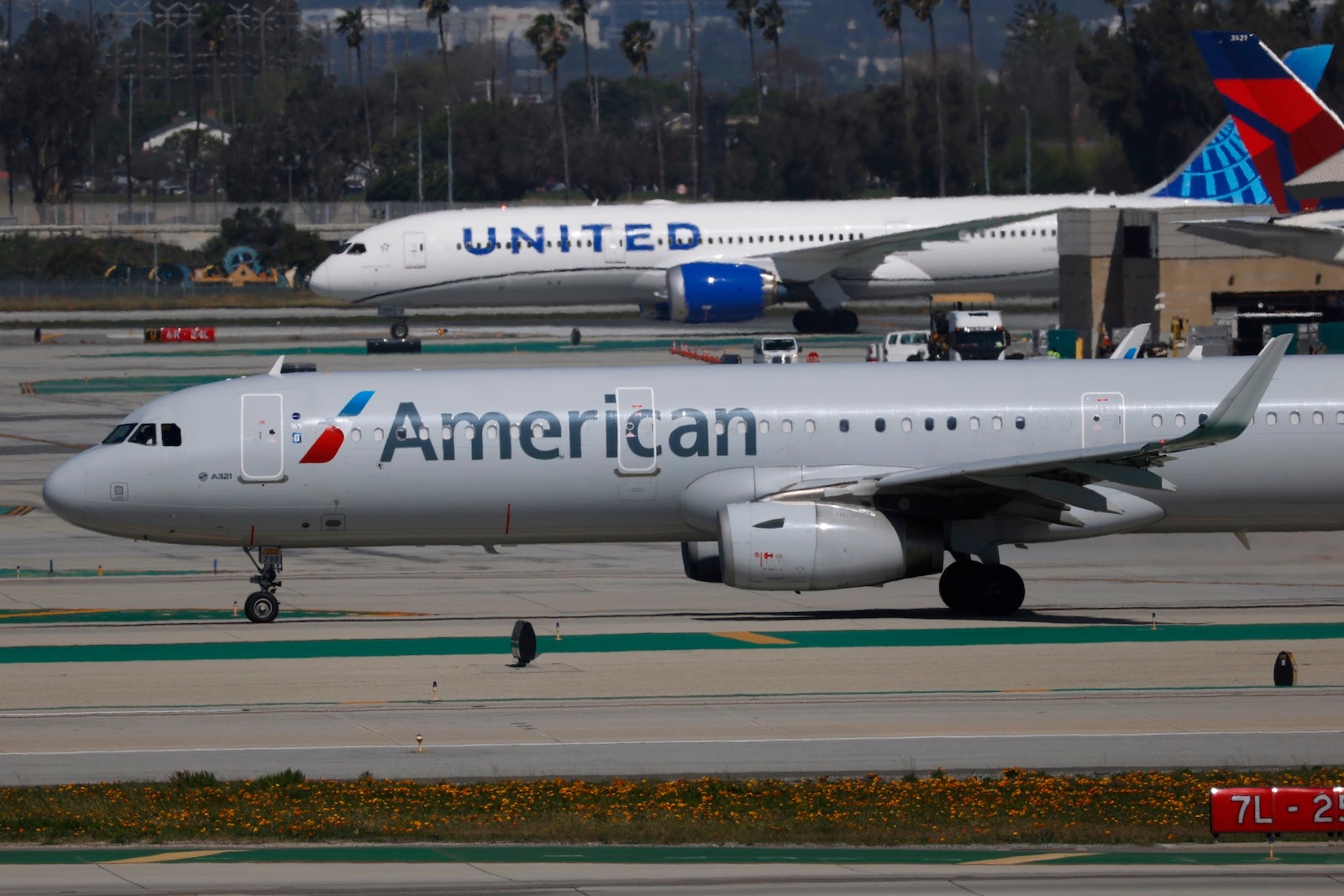
It has been just over a week since rumors began to swirl about American Airlines, United Airlines and what would have been an industry-altering merger between two top rivals.
For now, at least, it appears those talks have been put to rest.
That's after American Airlines effectively said "no thanks," and President Donald Trump appeared to throw cold water on the idea on Tuesday.
But some lawmakers still have questions. We suspect you do, too.
Allow us to catch you up and explain why the next big airline merger may still be coming, even if it doesn't involve two of the U.S.' Big Three carriers joining forces.
Why are we even talking about an American-United merger?
The head-turning talk about combining American and United bubbled up last week, when Bloomberg and others reported that United CEO Scott Kirby had floated the idea of a merger to top lawmakers in Washington, D.C.
Immediately, antitrust experts and consumer advocates bristled at the idea, which would have created a massive airline that would have dwarfed even the world's second-largest carrier.
TPG founder Brian Kelly said the move would be "catastrophic" for flyers.
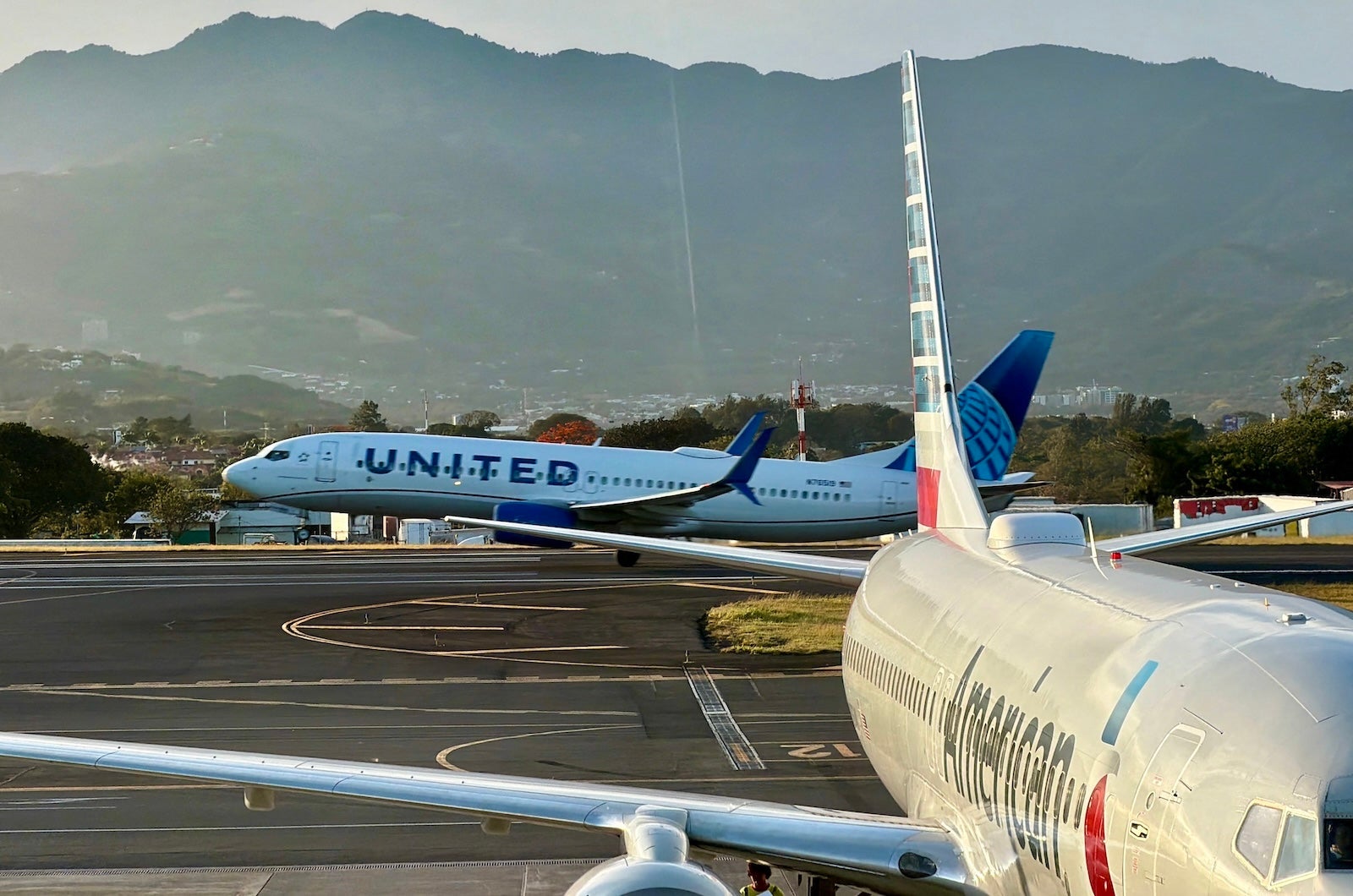
"Outlandish" was the word used by Florian Ederer, professor at Boston University's Questrom School of Business, when we talked last week.

He said a merger between two of the country's largest airlines would likely be blocked — even in the more relaxed regulatory environment currently seen in Washington, D.C.
"Even in the Trump administration," Ederer said, "this would be looked upon as being absurd."
American: 'No thanks'
In any event, it takes two to tango.
And late last week, American made it clear where it stands.
"American Airlines is not engaged with or interested in any discussions regarding a merger with United Airlines," the Fort Worth-based carrier said in a statement late Friday, which essentially acknowledged such a deal would be a net-negative for consumers.
United declined to comment.
A letter from Washington, D.C.
Lawmakers still weren't convinced.
Over the weekend, American and United received a sternly worded letter from a bipartisan duo of senators who demanded to know whether the two airlines have, in fact, discussed a merger.
Such a deal "could lead to increased prices for consumers, at a time when airlines are already squeezing flyers through higher fares and fees," Sens. Elizabeth Warren, D-Mass., and Mike Lee, R-Utah, wrote Sunday.
White House weighs in
Then came the White House, which looms large in determining whether any big airline merger ultimately gets the green light.
Speaking Tuesday morning in a live interview on CNBC's Squawk Box, Trump was asked about an American-United deal.
"I don't like it," he quickly said.
"American, it's doing fine and United is doing very well," Trump added. "I don't like having them merge."
A merger may be coming, though
But even if American and United don't actually pair up (the merger seems unlikely at this point), there does seem to be growing momentum toward some sort of airline industry merger in the U.S.
Could history repeat itself?
Skyrocketing jet fuel costs have eaten into airlines' bottom lines, adding particular pressure to a handful of low-cost carriers that had already been struggling to turn a profit.
This month, Delta Air Lines CEO Ed Bastian noted that a similar situation in the past led to a wave of corporate deals that created today's airline industry, which is dominated by a small number of very large carriers.
"What drove consolidation was higher fuel prices back in 2009, 2010, 2011," Bastian told analysts on this month's earnings call. "So I anticipate higher fuel prices will cause much more significant structural reform than we've seen over this period."
Spirit's struggles front and center
Delta isn't alone in that prediction.
In rebuffing United on Friday, American seemed to foreshadow future merger activity, acknowledging that "changes in the broader airline marketplace may be necessary."
A key factor in all of this: beleaguered Spirit Airlines, which is currently in Chapter 11 bankruptcy for the second time. Reports say it could be on the brink of liquidation.
Although Trump was dismissive of an American-United tie-up on CNBC Tuesday, he was far more bullish on a deal involving the Florida-based budget airline.
"I don't mind mergers," Trump said, echoing past comments by Transportation Secretary Sean Duffy. (Last month, Duffy noted that Trump "loves to see big deals happen.")
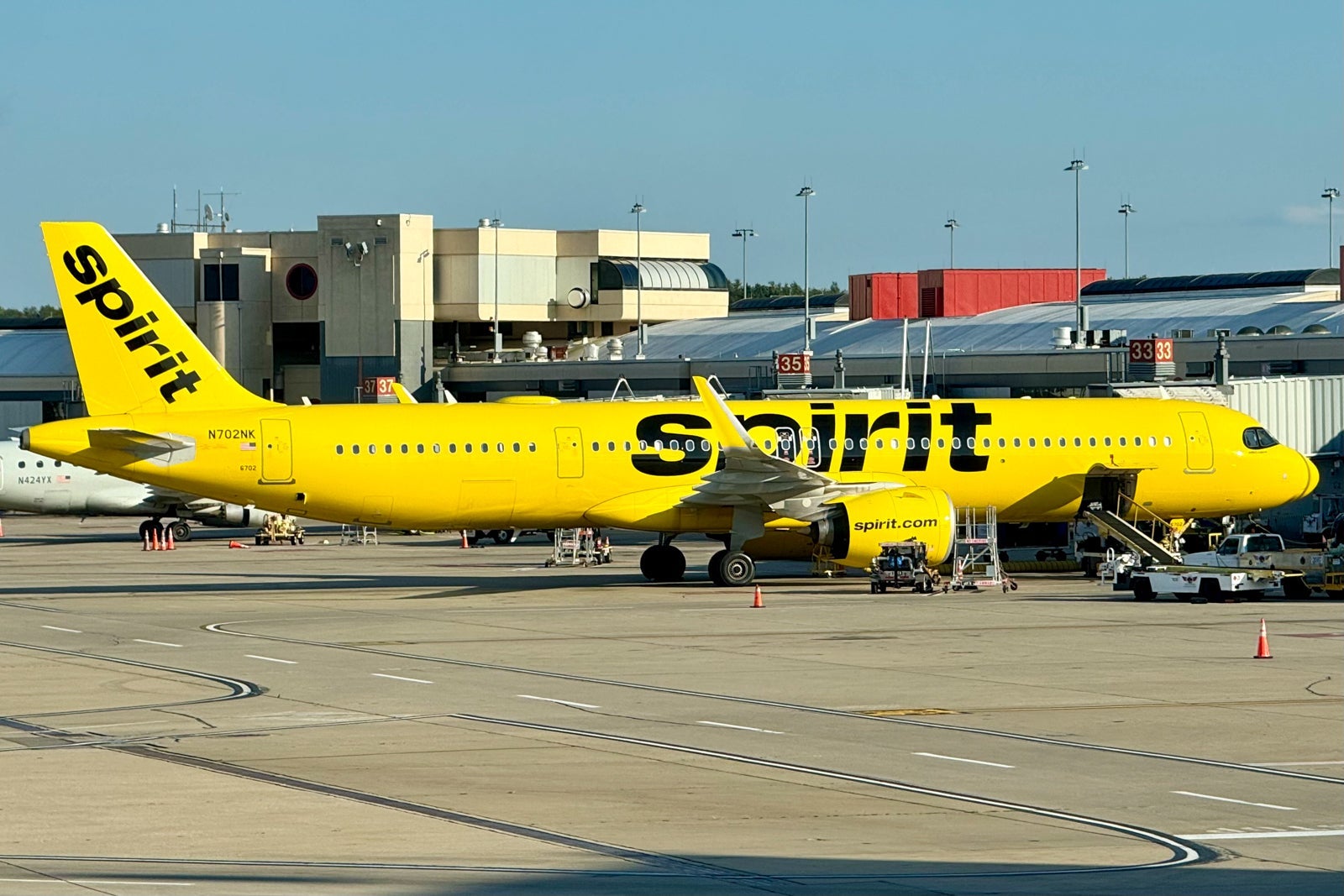
"I'd love somebody to buy Spirit, as an example," Trump added Tuesday, while suggesting the administration might be open to providing federal aid to the budget airline.
"Maybe the federal government should help that one out," he said.
A fifth large airline?
Even the passenger advocacy group Flyers Rights, which seldom supports airline industry consolidation (since it tends to drive up fares) acknowledged there's one type of deal it would support: A merger that creates a fifth large airline to go toe-to-toe with the industry's four titans — perhaps an acquisition by Alaska Airlines, the organization said.
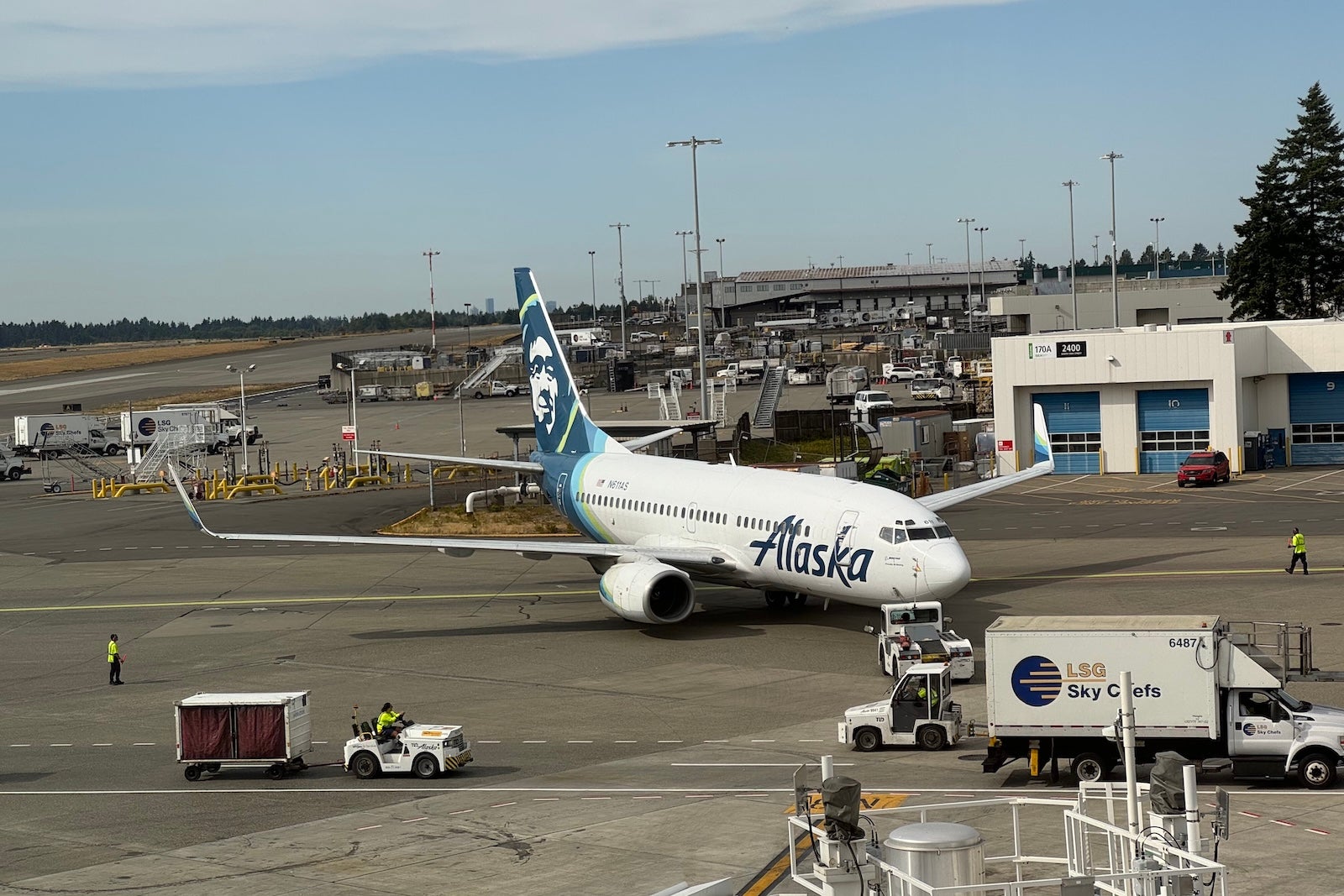
Alaska solidified itself as America's fifth-largest carrier with its acquisition of Hawaiian, which closed in 2024. However, it still remains far smaller than American, Delta, United and Southwest Airlines.
Looking ahead
We expect to hear a lot more talk on Wednesday, when United holds its first-quarter earnings call.
Related reading:
- When is the best time to book flights for the cheapest airfare?
- The best airline credit cards
- Which US airline is best? TPG's latest rankings
- Flight delayed or canceled? Here's what to do
- The best credit cards to reach elite status
- What are points and miles worth? TPG's monthly valuations
- Summer sticker shock: Airfare up 15% as high jet fuel costs take hold