Formulaic or flamboyant? How architects work to make airports feel local

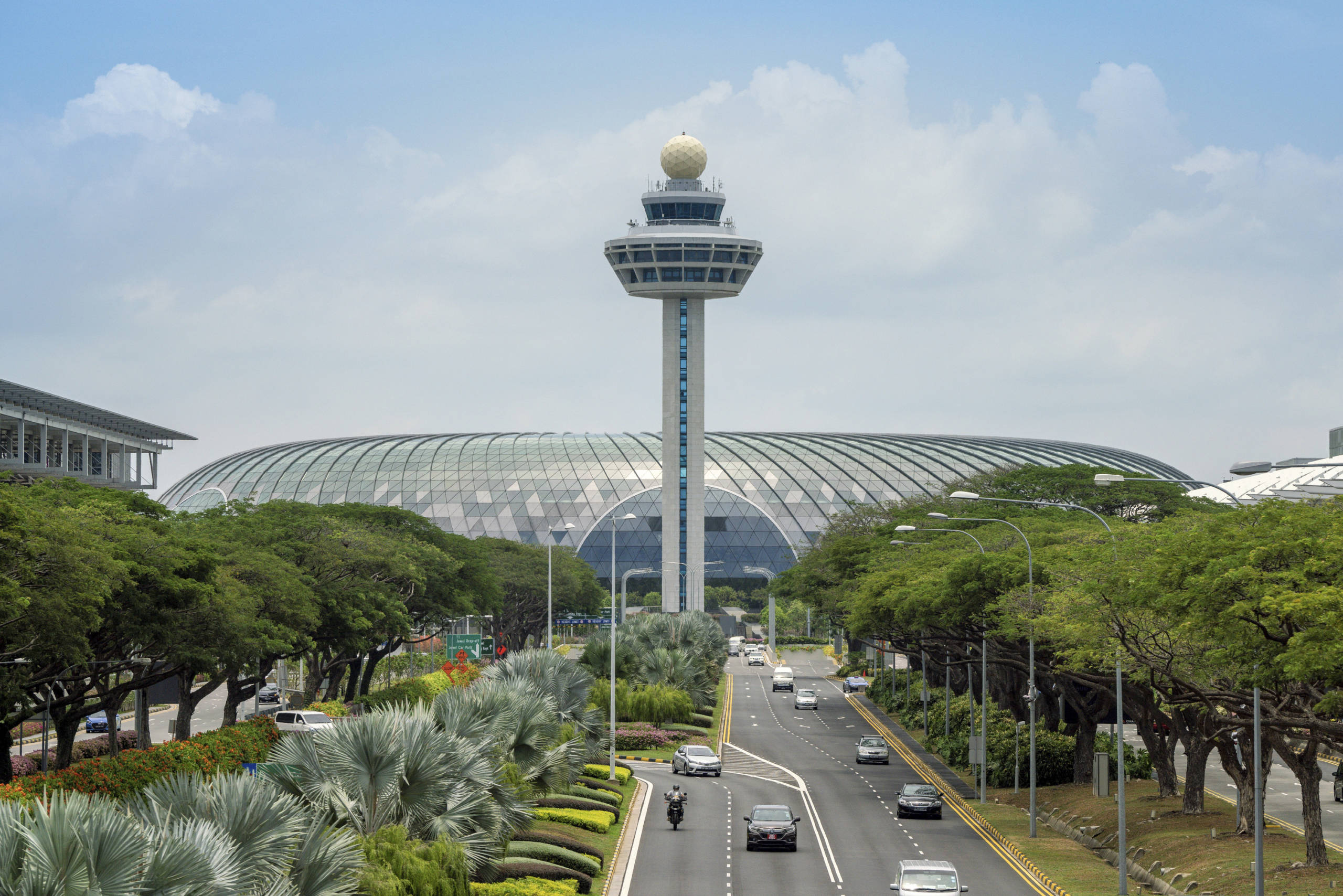
Airline and airport officials often say that if you've seen one airport — you've seen one airport. In other words, every airport is unique.
An airport may be distinct in its layout or weather patterns or air traffic, but most travelers only ever see an airport's terminal and — in this age of soaring steel-and-glass edifices with expansive windows overlooking ramps full of planes — they could be excused for thinking that many of these newer terminals are more alike than different.
"Facades have become more flamboyant, if formulaic, with digitally generated confections of undulating glass and steel designed to dazzle the eye and create recognizable points of reference. (We must be somewhere.)," wrote Alastair Gordon in his 2004 book Naked Airport.
Sign up for the free daily TPG newsletter for more airline news!
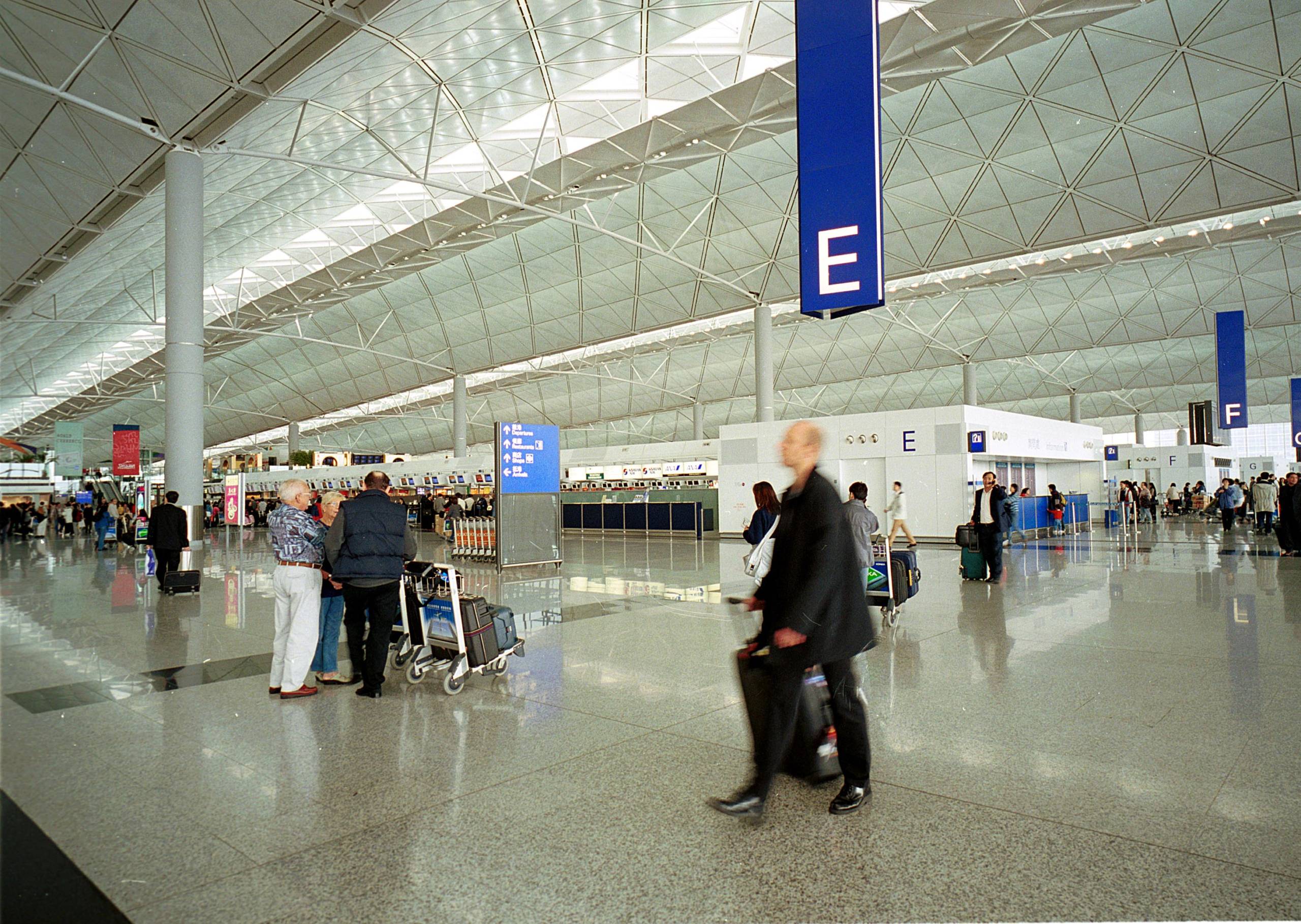
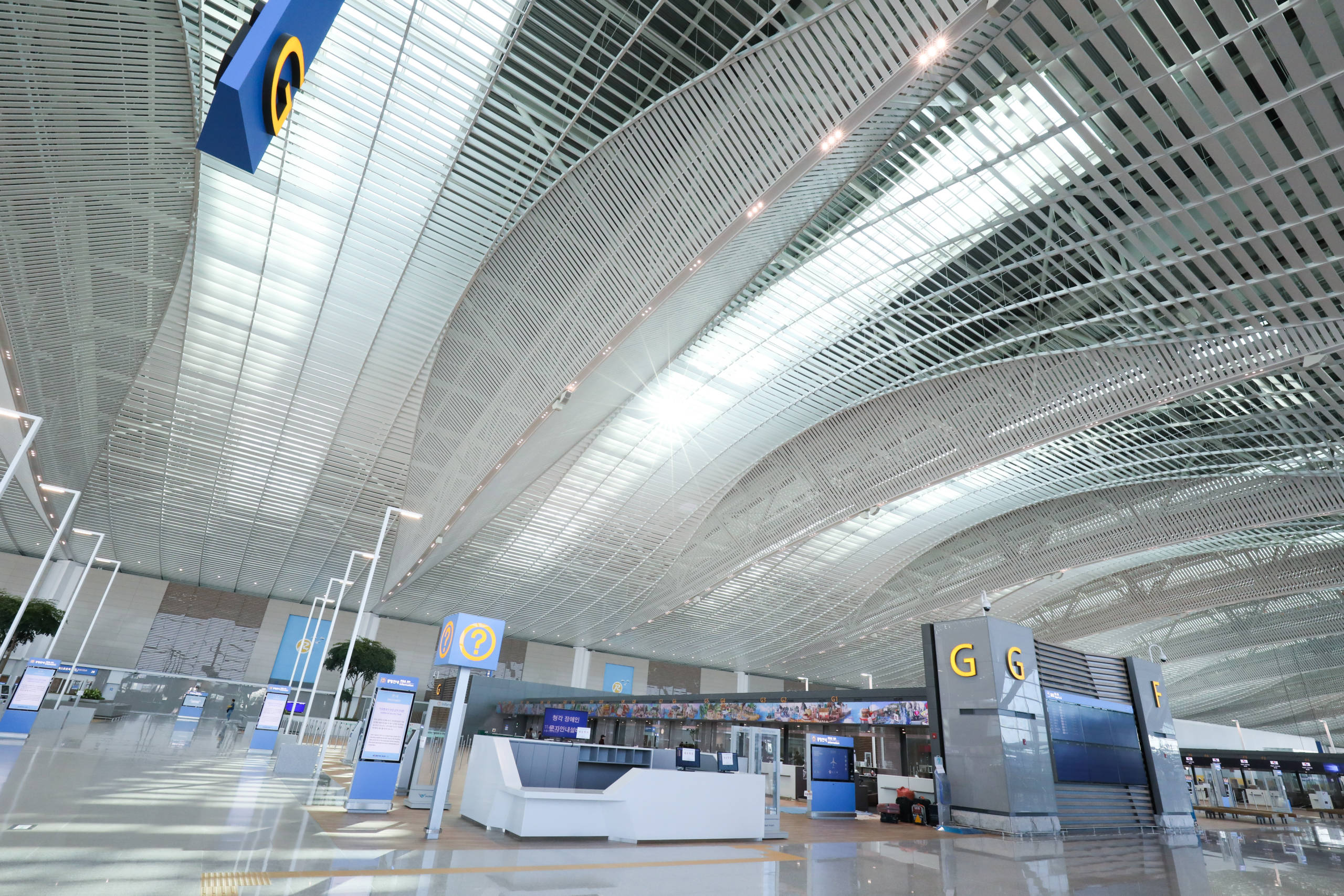
The challenge contemporary architects face is how to deliver the "world class" terminal that localities seek, while keeping a distinctly local flair. That flair, when done well, can set an airport apart from the pack.
Local gateways
"In a contemporary airport terminal, you can always see two steps ahead of you — great spaces allow that sense of depth and transparency," said HOK design principal Peter Ruggiero at a talk on the future of airport architecture held by the Chicago Architecture Center in early February. Each airport needs to exemplify "transparency, flexibility and fluidity" — hence all of the glass — but the challenge comes when also ensuring that they "represent a place."
Ruggiero was joined by architects from Safdie Architects and Studio Gang, all of which are working or have worked on recent major terminal projects, ranging from the new Terminal B at New York LaGuardia (LGA) to The Jewel at Singapore Changi (SIN).
Related: Inside The Jewel, the latest addition to Singapore's Changi Airport

View this post on Instagram
The new LGA! New York LaGuardia terminal B eastern concourse (2018), by HOK. #airportarchitecture
"In the jet age, a lot of airport designs were relating to and inspired by flight, the sky and being in the air," said Studio Gang design principal Juliane Wolf.
Take, for example, the Eero Saarinen-designed terminal at Washington Dulles (IAD) that celebrated taking off on new (at the time it was built) jet airplanes. The design focused on the journey to the sky -- not where the airport was located.
View this post on Instagram
Wet and raw. Washington Dulles International terminal (1962), by Eero Saarinen. #airportarchitecture
"Now people are really excited to be on the ground again and out of the airplane. We [feel] that the moment you step out of the plane into the terminal you [should] feel like you're in Chicago," said Wolf, referring to her group's winning design for the Chicago O'Hare (ORD) Global Terminal project.
The 2.2-million-square-foot structure will replace Terminal 2, itself a throwback to the International Style of architecture that defined mid-century Chicago. The plans call for a new Y-shaped terminal that aims to infuse the Windy City into the travel process.
View this post on Instagram
Chicago O'Hare Global Terminal proposal, by Studio ORD Joint Venture Partners. #airportarchitecture
Every aspect of the building seeks to remind travelers that they are in Chicago -- from the visible structural elements to the Y shape reminiscent of the confluence of the branches of the Chicago River. But apart from architecture buffs and geographers, those elements are not necessarily indicative of the Windy City to the passenger traveling from, say, Duluth to Nashville via O'Hare.
"That goes down to the experiences," Wolf told TPG when asked how the average traveler will know the terminal is in Chicago. The plan is to create an environment with everything from interior "neighborhoods" that draw from the city's dynamic landscape to locally inspired stores and restaurants, she said.
But a sense of a city goes beyond just experiences. Safdie Architects design principal Jaron Lubin said an airport needs to really be a "gateway to a place." Las Vegas McCarran (LAS), he said, is a U.S. airport that does a decent job at this, using elements of local iconography from the "Welcome to Las Vegas" neon signs to slot machines to reflect its location.
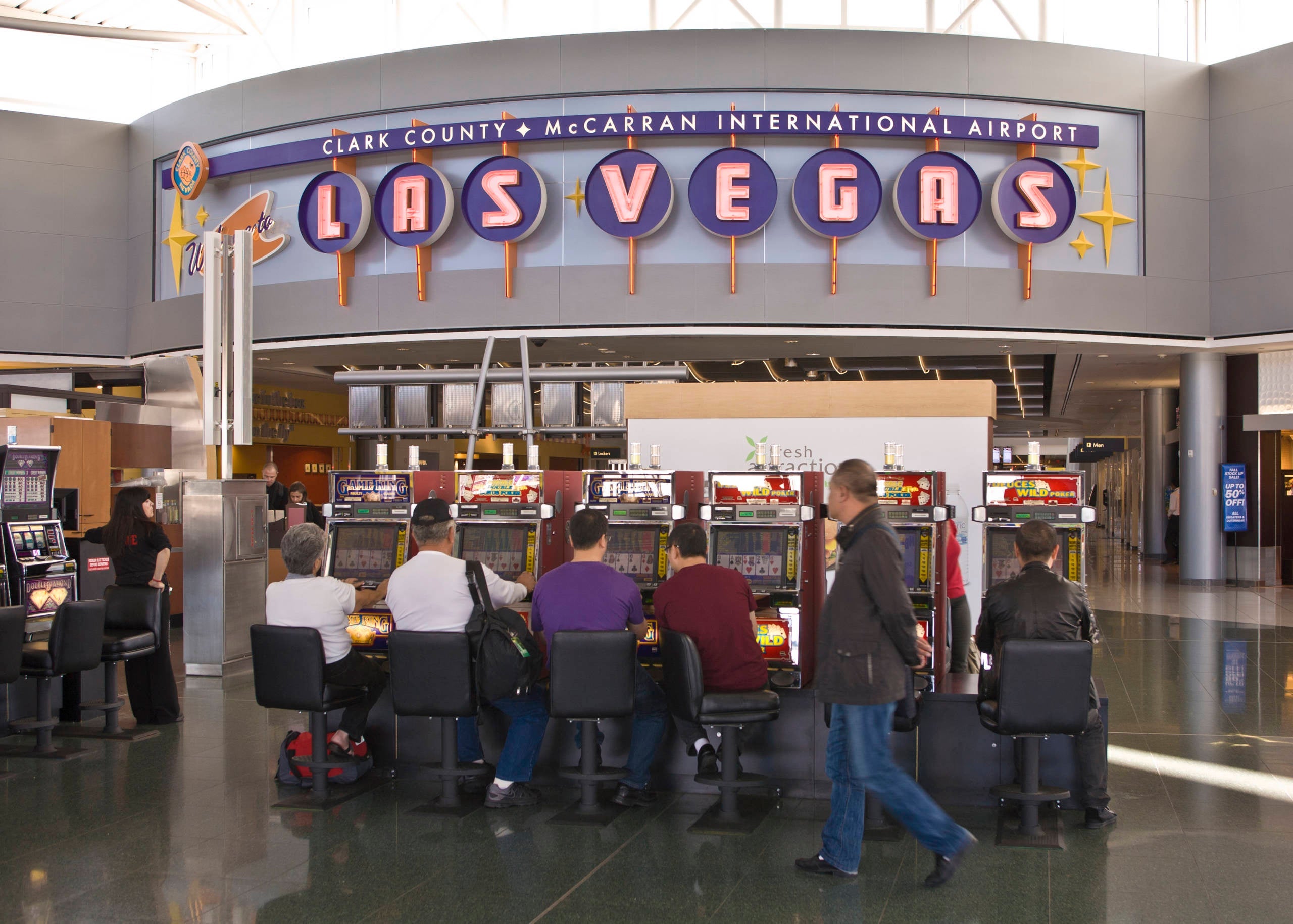
"To that end, these are decorative rather than fundamental to the organization of the building," Lubin said about McCarran. "More often, the long walks of airport terminal buildings express a generic retail space that could be anywhere in the world."
View this post on Instagram
The neighborhood terminal
Lubin's firm Safdie Architects designed the much-photographed Jewel in Singapore that opened last year. Expanding on the city-state's aim to be "the city in the garden," The Jewel has a rain-vortex waterfall in the center of a lush indoor forest built atop a shopping center and car park.
The Jewel, while located at Changi airport, is not actually a terminal. The forest-cum-mall is separate from the airport's terminals where travelers arrive and depart, though they can drop off their checked bags in the facility. Instead, The Jewel plays on what may be a uniquely Singaporean trait of treating the airport as another one of the city's many neighborhoods.
"People go hang out in the departures areas [at Changi], which is completely insane," said Lubin. "It's part of the city structure."

Changi's success in making The Jewel distinctly Singaporean is not easily replicated elsewhere. Outside of AvGeeks, few U.S. travelers actively seek to hang out at an airport to shop, eat or even take wedding photos.
Although travelers should not expect waterfalls at a U.S. airport anytime soon, they can look forward to local beers and coffee roasters, or even an airside garden as they fly around the country.
View this post on Instagram
The runway leads to #stumptownpdx. They say this is what it's all about. #stumptownattheairport
Whatever form contemporary airports take, one thing they need to be is a "welcome mat to a city," said Ruggiero, who worked on the Terminal B project at LaGuardia.
Physically, the new LaGuardia terminal may not be the most distinctly New York structure, but it does have something that the old Central Terminal Building never did: a sense of the city's verticality. Bridges elevate arriving and departing passengers over the aircraft ramp with — at least on clear days — Instagram-worthy shots of the Manhattan skyline. What better 21st Century civic welcome to New York could there be?
TPG featured card
at American Express's secure site
Terms & restrictions apply. See rates & fees.
| 4X | Earn 4X Membership Rewards® points per dollar spent on purchases at restaurants worldwide, on up to $50,000 in purchases per calendar year, then 1X points for the rest of the year. |
| 4X | Earn 4X Membership Rewards® points per dollar spent at US supermarkets, on up to $25,000 in purchases per calendar year, then 1X points for the rest of the year. |
| 5X | Earn 5X Membership Rewards® points on prepaid hotel stays booked through AmexTravel.com or the Amex Travel App™. |
| 3X | Earn 3X Membership Rewards® points on flights booked through AmexTravel.com, the Amex Travel App™, or purchased directly from airlines. |
| 2X | Earn 2X Membership Rewards® points on prepaid car rentals booked through AmexTravel.com or the Amex Travel App™ and cruises booked and paid through AmexTravel.com. |
| 1X | Earn 1X Membership Rewards® point per dollar spent on all other eligible purchases. |
Pros
- Valuable dining and food-related credits
- Flexible rewards with airline and hotel transfer partners
- Multiple travel and purchase protections
- No foreign transaction fees
- Access to Amex Offers for additional savings (enrollment required)
Cons
- Not as useful for those living outside the U.S.
- Some may have trouble using Uber and other dining credits
- You may be eligible for as high as 100,000 Membership Rewards® Points after you spend $8,000 in eligible purchases on your new Card in your first 6 months of Card Membership. Welcome offers vary and you may not be eligible for an offer. Apply to know if you’re approved and find out your exact welcome offer amount – all with no credit score impact. If you’re approved and choose to accept the Card, your score may be impacted.
- Earn 4X Membership Rewards® points per dollar spent on purchases at restaurants worldwide, on up to $50,000 in purchases per calendar year, then 1X points for the rest of the year.
- Earn 4X Membership Rewards® points per dollar spent at US supermarkets, on up to $25,000 in purchases per calendar year, then 1X points for the rest of the year.
- Earn 5X Membership Rewards® points on prepaid hotel stays booked through AmexTravel.com or the Amex Travel App™.
- Earn 3X Membership Rewards® points on flights booked through AmexTravel.com, the Amex Travel App™, or purchased directly from airlines.
- Earn 2X Membership Rewards® points on prepaid car rentals booked through AmexTravel.com or the Amex Travel App™ and cruises booked and paid through AmexTravel.com.
- Earn 1X Membership Rewards® point per dollar spent on all other eligible purchases.
- Pay It® lets you tap in the American Express® App to quickly pay for small purchase amounts throughout the month and still earn rewards the way you usually do. Plan It® gives you the option to split up big purchases into equal monthly payments with a fixed fee. You’ll know upfront exactly how much you’ll pay.
- $120 Dining Credit: Earn up to a total of $10 in statement credits monthly when you pay with the Gold Card at Grubhub (including Seamless), Buffalo Wild Wings, Five Guys, The Cheesecake Factory, and Wonder. This can be an annual savings of up to $120. Enrollment required.
- $100 Resy Credit: Get up to $100 in statement credits each calendar year at over 10,000 qualifying U.S. Resy restaurants after you pay for eligible purchases with the American Express® Gold Card. That’s up to $50 in statement credits semi-annually. Enrollment required.
- $84 Dunkin' Credit: Earn up to $7 in monthly statement credits after you pay with the American Express® Gold Card at U.S. Dunkin’ locations. Enrollment required.
- $120 Uber Cash on Gold: Enjoy up to $120 in Uber Cash annually with your Gold Card. Just add your Card to your Uber account and you'll get $10 in Uber Cash each month to use on orders and rides in the U.S. when you select an Amex Card for your transaction.
- Enjoy complimentary Hertz Five Star® Status benefits like skipping the counter at select locations, adding an additional driver at no additional cost*, and vehicle upgrades**. Benefit enrollment and Hertz Gold+ registration are required. *Additional drivers must meet standard rental qualifications and must be a spouse or domestic partner to qualify as complimentary. Other additional drivers subject to fees. **Benefits are subject to availability and vary by location. Additional Hertz program Terms and Conditions including age restrictions apply.
- Book two nights or more with The Hotel Collection through AmexTravel.com or the Amex Travel App™ and receive a $100* credit towards eligible charges at over 1,400 upscale hotels worldwide. *Eligible charges vary by property.
- Book your travel through the Amex Travel App™ with added peace of mind – backed by American Express® service and support. Only for American Express® Card Members.
- Whenever you need us, we're here. Our Member Services team will ensure you are taken care of. From lost Card replacement to statement questions, we are available to help 24/7.
- No Foreign Transaction Fees.
- Annual Fee is $325.
- Terms Apply.