Airlines face Capitol Hill grilling over rising add-on fees and ‘bag bounties’

Editor's Note
Executives from five major U.S. airlines faced a grilling on Capitol Hill Wednesday over those pesky add-on fees that regularly cause passengers to pay far more than the base price of a plane ticket.
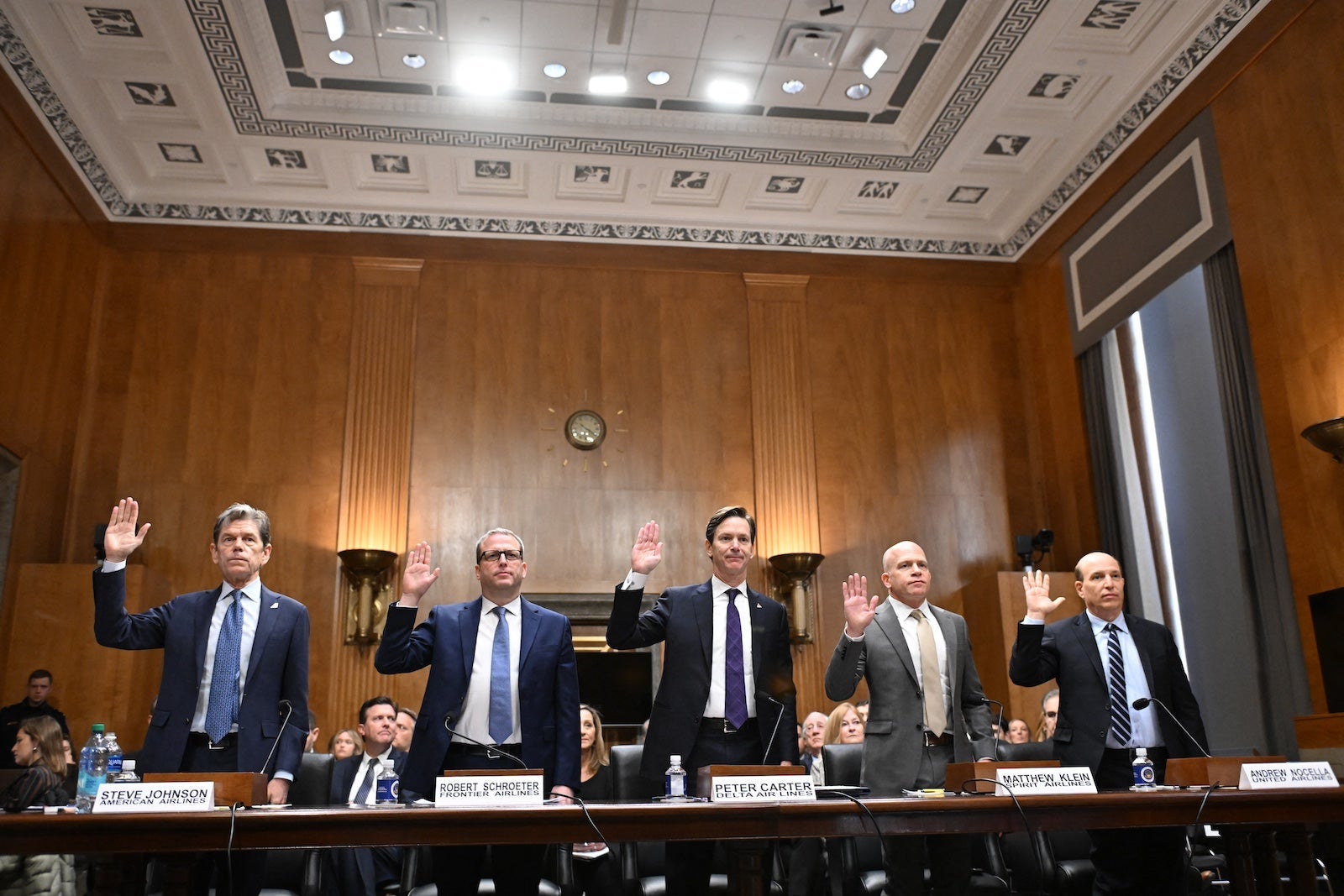
In a sometimes-heated, two-hour hearing, a Senate subcommittee heard testimony from leaders of American Airlines, Delta Air Lines, United Airlines, Frontier Airlines and Spirit Airlines.
The topic: steep growth in ancillary fees paid by customers. These costs stretch beyond checked bags to other "extras" like selecting a seat or, on some restrictive tickets, bringing a full-size carry-on bag on board.
"Travelers are, quite simply, fed up with hidden, sky-high fees," Sen. Richard Blumenthal, a Democrat from Connecticut, said Wednesday. "They feel ... that they are piggybanks to be shaken down."
A recent, scathing report
The hearing came after the Senate Permanent Subcommittee on Investigations released a scathing report last month. It criticized the billions of dollars in add-on fee revenue pulled in by airlines in recent years; this practice is "obscuring the total cost of travel" and making it more difficult, some lawmakers argue, for customers to comparison shop.
Testifying Wednesday, airlines steadfastly maintained their fee structures are transparent and that the wider range of ticket types today offers customers more options and, ultimately, lower prices.
"Not every passenger wants exactly the same thing," Stephen Johnson, vice chair and chief strategy officer at American, testified in a sentiment largely echoed by each of the airline executives.
Related: Upgrades clearing less? Airlines say more passengers are just paying for those first-class seats
An evolving ancillary landscape
Airlines first added checked bag fees in the late 2000s amid rising fuel prices and the ensuing Great Recession.

Since then, checked bag fees have grown steadily — often with multiple airlines raising fees, one after the other, in short order. This was the case earlier in 2024.
Meanwhile, add-on costs for passengers have spread to other aspects of air travel amid the growth of budget airlines and the advent of no-frills basic economy fares that typically exclude key services like complimentary seat selection.
The so-called "unbundled" pricing tactics have long been a hallmark of budget airlines. However, in recent years they've served as a way for more traditional airlines like American, Delta and United to compete with the budget carriers.
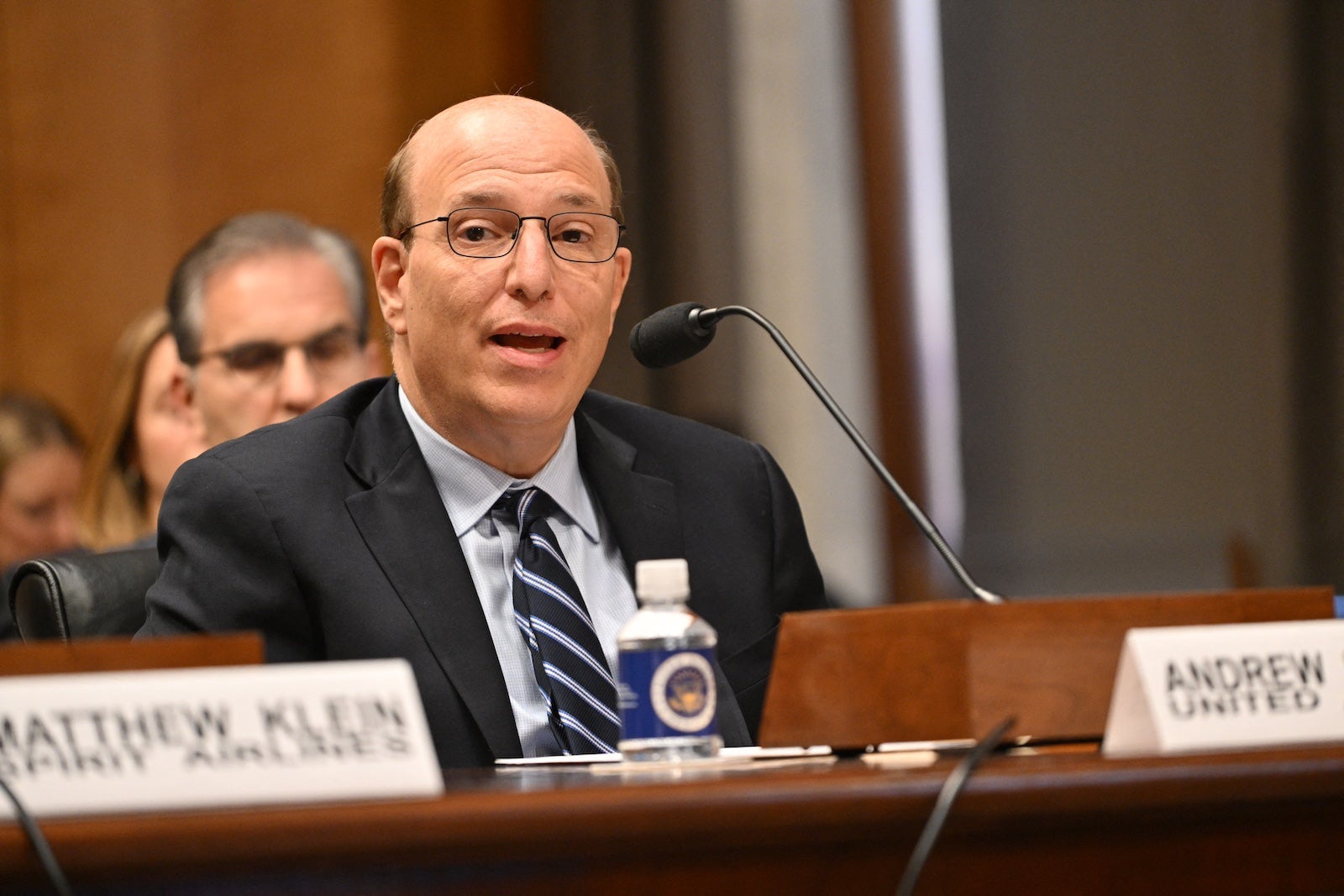
"No matter what air travel options a customer selects, United Airlines provides them with transparent, readily accessible pricing information and product descriptions," Andrew Nocella, the Chicago-based carrier's chief commercial officer, testified.
All about profits, lawmakers say
Lawmakers on Wednesday characterized ancillary fees as a de facto money grab on the part of airlines. In some cases, they went even further than that.
"Flying on your airplanes is horrible," Sen. Josh Hawley, a Republican from Missouri, said. "It's a terrible experience."
The contentious hearing came on the heels of a yearlong investigation by the Senate Permanent Subcommittee on Investigations; its Nov. 25 report found that American, Delta, United, Frontier and Spirit collectively generated $12.4 billion in seat fee revenue between 2018 and 2023. That's in addition to the more than $25 billion in bag fee revenue reported by those carriers to the U.S. Department of Transportation during that same time frame.
A trade group for the largest U.S. carriers said the organization was "deeply disappointed" in the report which, it said, showed a misunderstanding of the airline industry.
Airlines for America contends that airlines' wider array of optional services and charges caters to an increasingly large flying population that, today, has allowed nearly 90% of Americans to board a commercial flight at some point in their lives.
"That is because Americans have the power of choice to pay for the service they want and forgo those they don't," the organization said in a statement to TPG.
'Bag bounties'
Frontier and Spirit, the nation's largest ultra-low-cost carriers, drew particular ire over commissions paid to gate agents when a customer paid for a bag or other ancillary fee at the airport.
"I call it a bag bounty," Blumenthal said. He — along with lawmakers from both parties — argued that the program incentivized airline personnel to be more aggressive in searching for carry-on bags deemed too large, sometimes prompting passengers to pay a hefty last-minute fee.
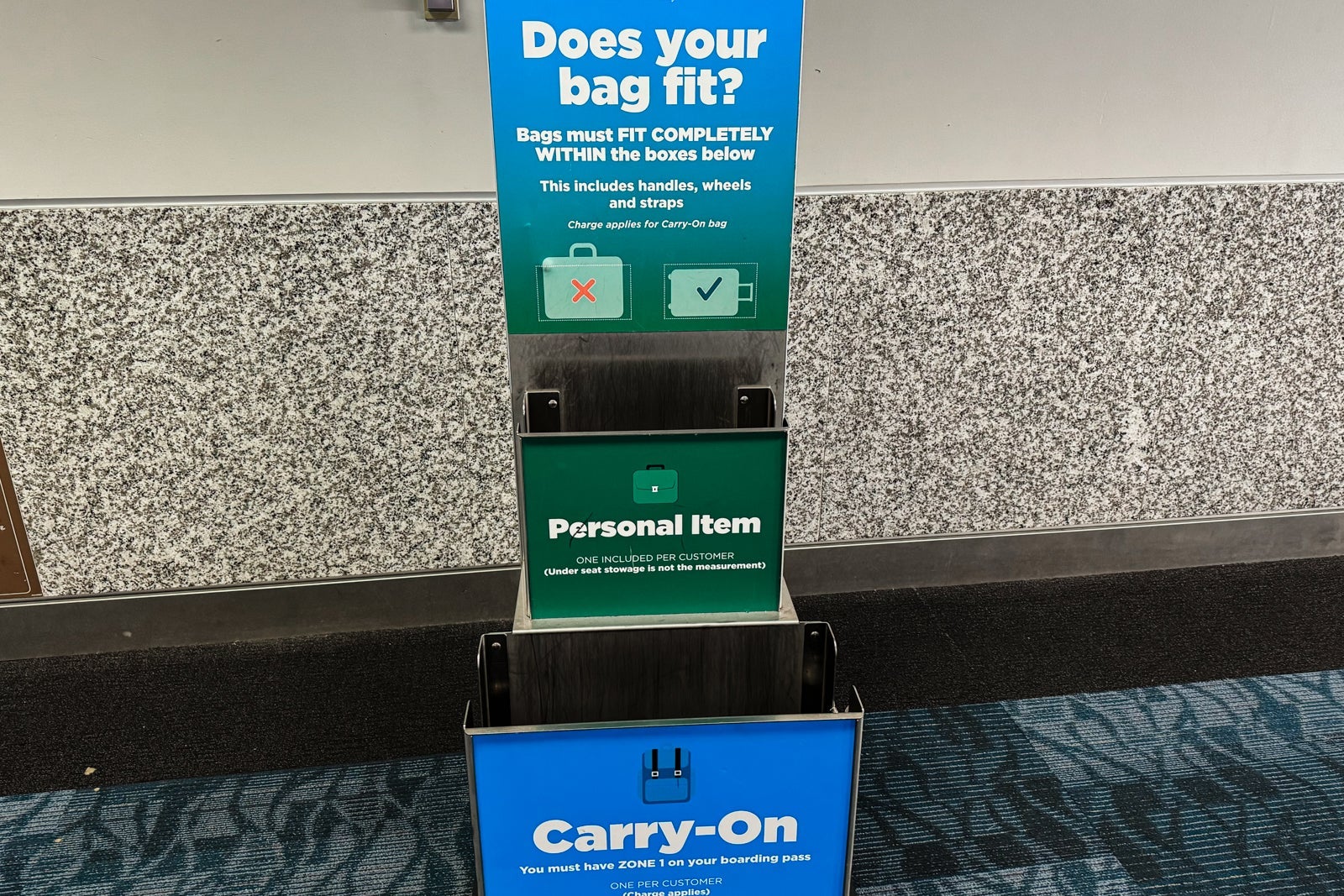
Frontier acknowledged it still pays gate agents a $10 commission when a customer ends up paying for a full-size carry-on bag just before boarding. However, it argued the arrangement is meant to consistently enforce the airline's policies.
"This program is about creating a fair and equitable setup for our customers," Bobby Schroeter, Frontier's chief commercial officer, said.
Spirit discontinued the practice earlier this fall, Matt Klein, the carrier's chief commercial officer, said.
Related: Frontier Airlines announces first-class seats, companion pass for high-level elite status
Feds dig in
Lawmakers also used Wednesday's hearing to lambast the five carriers for their opposition against a DOT rule that would require airlines to more clearly disclose ancillary fees upfront.
A federal appeals court this summer put the measure on hold indefinitely, amid a legal fight by the airline industry.
Each of the five executives on Wednesday refused to drop the lawsuit.
As part of Wednesday's hearing, airlines also faced some renewed criticism over their close ties to major banks through cobranded credit card programs, which earn some of the largest U.S. airlines billions of dollars.
Sen. Roger Marshall, a Republican from Kansas, used the public forum to again tout his bill on credit card swipe fees, co-sponsored with Sen. Dick Durbin, a Democrat from Illinois.
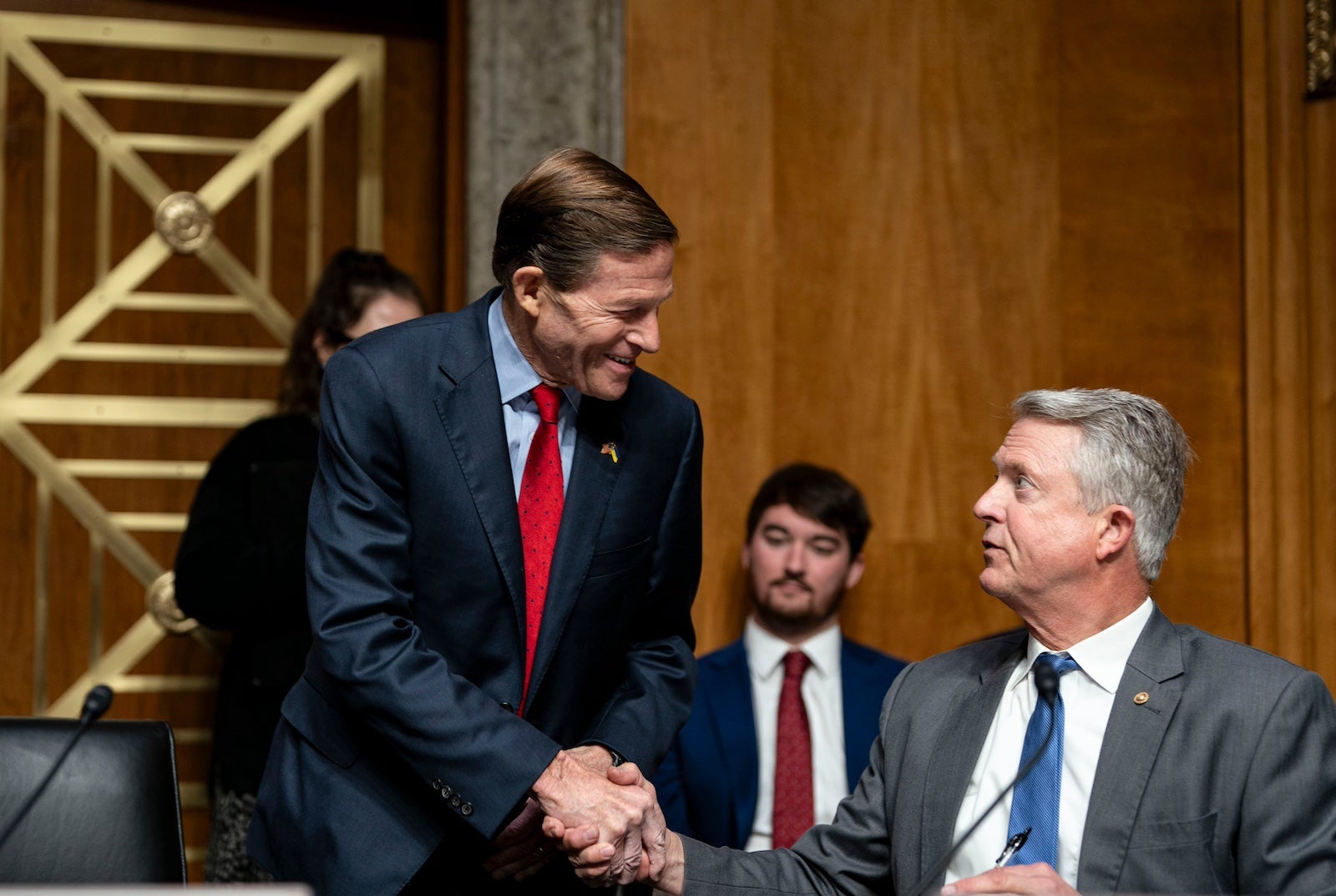
Known as the Credit Card Competition Act, the proposed legislation aims to inject more competition into the credit card industry and ultimately lower the fees that merchants pay when shoppers swipe their credit cards.
But critics argue that if passed, the bill would decimate the credit card rewards ecosystem, which allows millions of Americans to turn their everyday spending into award travel.
In fact, the largest carriers argued their loyalty programs and cobranded credit cards can (in many cases) help passengers avoid the very fees at the center of Wednesday's hearing.
The Credit Card Competition Act remains stalled in Congress, even after a contentious hearing led by Durbin last month.
Looking ahead
Up next? It's not clear.
Blumenthal has asked the DOT and U.S. Treasury Department to investigate some of the airline tactics discussed Wednesday.
The recent report on fee tactics also called on Congress to mandate airlines to offer clearer data on just how much ancillary revenue they collect from "extra" charges. Currently, airlines report checked bag fee totals to the government but don't face the same disclosure requirements for the growing amount of other non-fare revenue they pull in.
Beyond that, lawmaker concerns over swipe fees, airline loyalty programs and carriers' relationships with the big banks have sparked a handful of congressional hearings and inquiries from both the DOT and Consumer Financial Protection Bureau — though also without any concrete action for consumers to date.
With the 118th Congress set to wind down later this month and the Biden administration due to leave office in January, it's uncertain what action, if any, might ultimately come.
Related reading:
TPG featured card

at Capital One's secure site
Terms & restrictions apply. See rates & fees.
| 5X miles | Earn 5X miles on hotels, vacation rentals and rental cars booked through Capital One Travel |
| 2X miles | Earn unlimited 2X miles on every purchase, every day |
Pros
- Stellar welcome offer of 75,000 miles after spending $4,000 on purchases in the first three months from account opening. Plus, a $250 Capital One Travel credit to use in your first cardholder year upon account opening.
- You'll earn 2 miles per dollar on every purchase, which means you won't have to worry about memorizing bonus categories
- Rewards are versatile and can be redeemed for a statement credit or transferred to Capital One’s transfer partners
Cons
- Highest bonus-earning categories only on travel booked via Capital One Travel
- LIMITED-TIME OFFER: Enjoy $250 to use on Capital One Travel in your first cardholder year, plus earn 75,000 bonus miles once you spend $4,000 on purchases within the first 3 months from account opening - that’s equal to $1,000 in travel
- Earn unlimited 2X miles on every purchase, every day
- Earn 5X miles on hotels, vacation rentals and rental cars booked through Capital One Travel
- Miles won't expire for the life of the account and there's no limit to how many you can earn
- Receive up to a $120 credit for Global Entry or TSA PreCheck®
- Use your miles to get reimbursed for any travel purchase—or redeem by booking a trip through Capital One Travel
- Enjoy a $50 experience credit and other premium benefits with every hotel and vacation rental booked from the Lifestyle Collection
- Transfer your miles to your choice of 15+ travel loyalty programs
- Top rated mobile app