That was the bombshell allegation in an editorial in the East Bay Times, the Pulitzer Prize-winning Bay Area daily that has relentlessly covered the close call and its aftermath.
“Key evidence from the cockpit voice recorder was erased and the pilots were never tested for drugs or alcohol,” the Times wrote in a scathing, unsigned column. “It’s a bureaucratic cover-up that conveniently protects the federal agency and the airline involved.” That is tantamount to saying that the biggest Canadian airline and the US government either hindered a probe into a potentially enormous incident, or were at least ok with dragging their feet.
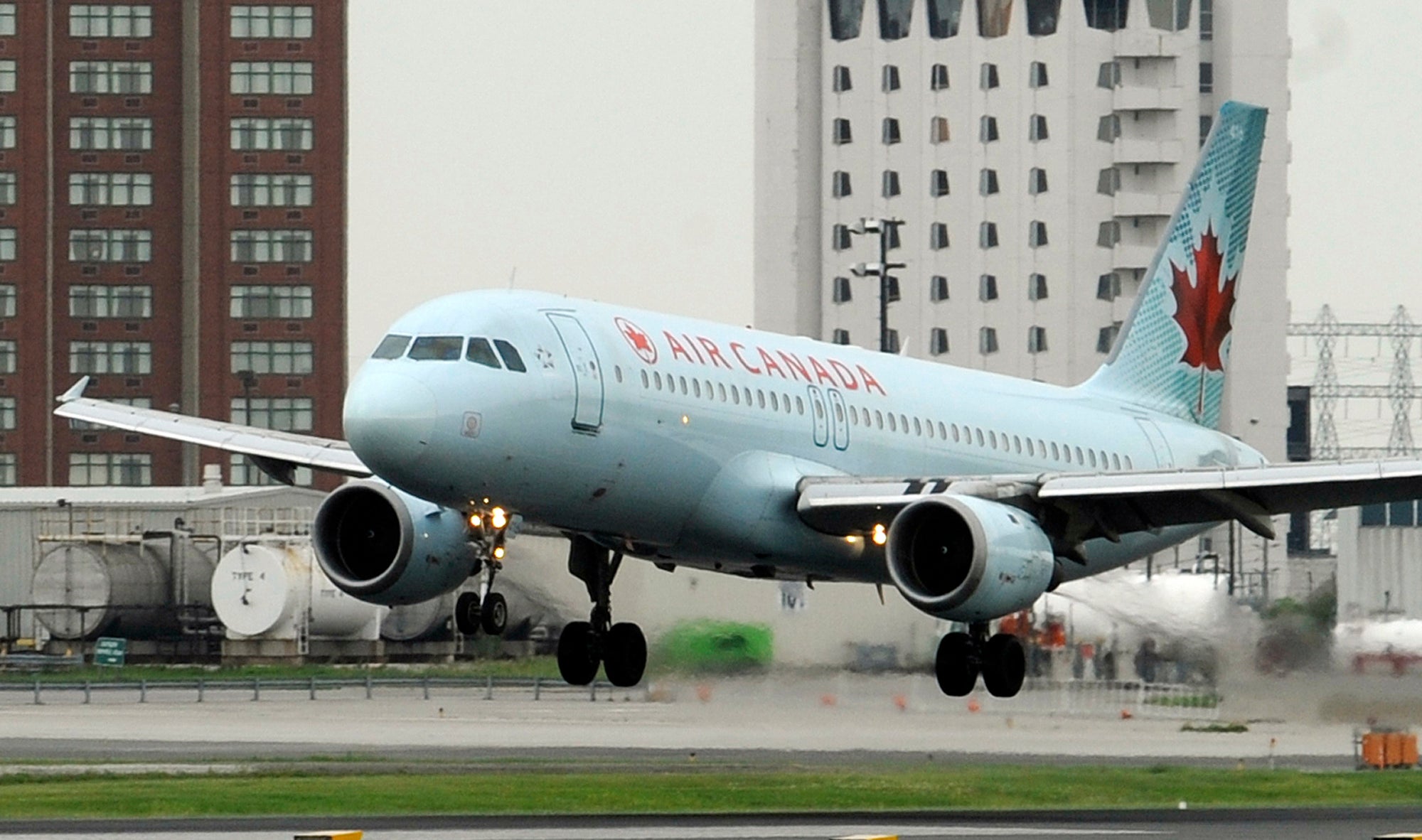
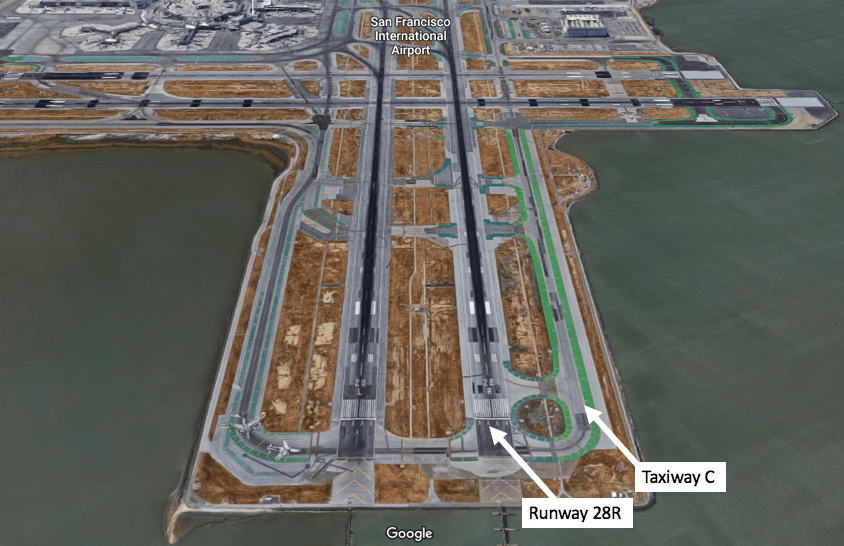
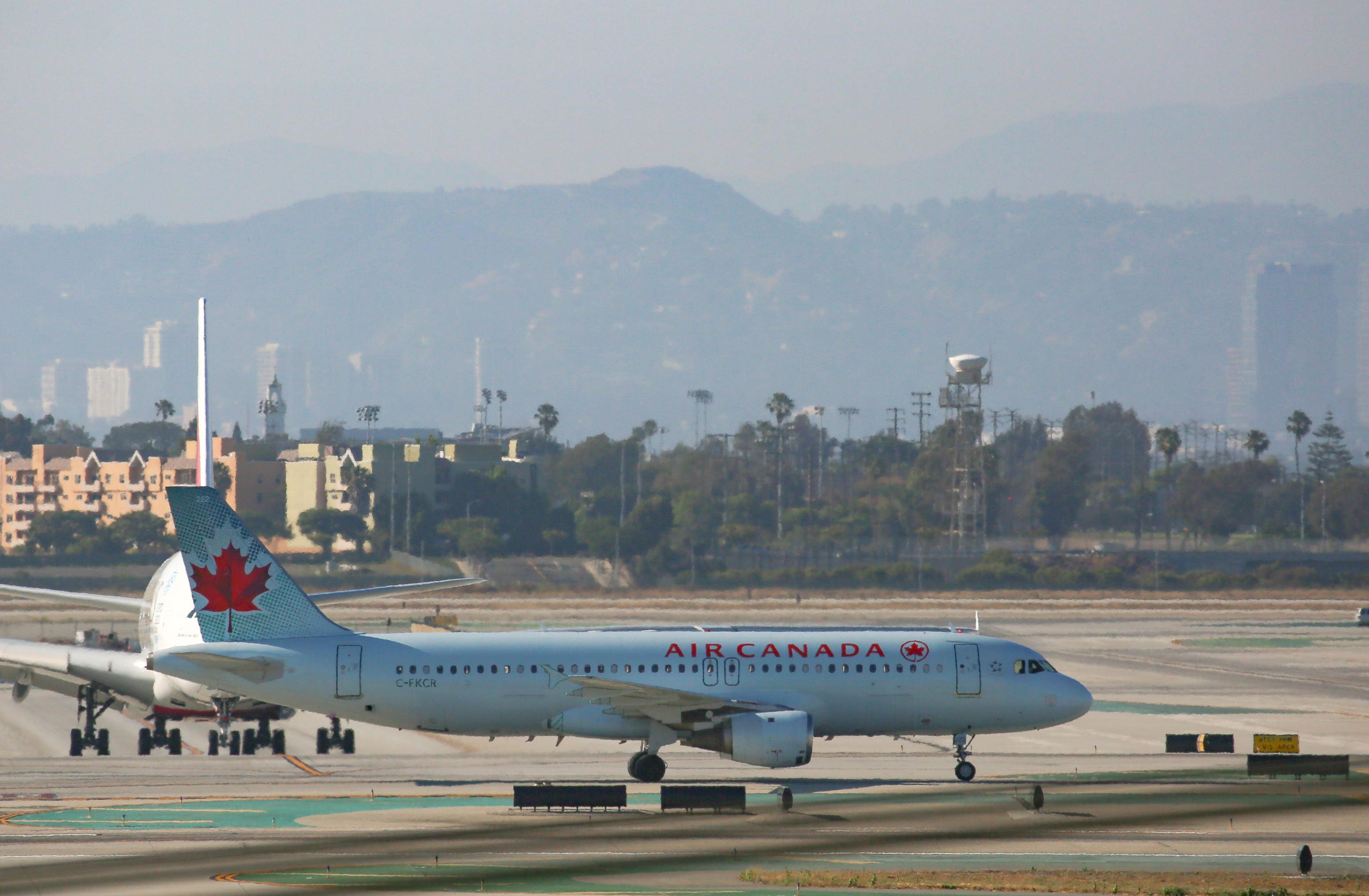
In the July 7 incident, Air Canada pilots mistook an SFO taxiway for the runway where they had been cleared to land. Air Canada flight 759, an Airbus A320, came less than 50 feet from disaster; there were four other airliners — two United 787-9s, a Philippine Airlines A340-300, and a United 737-900, full of fuel and passengers, waiting to take off. Potentially, it could have been the worst disaster in the history of aviation.
Air Canada didn’t return requests for comment. But safety experts we reached dismissed the Times’ accusations. “Airlines don’t cover stuff up,” said Captain John Cox, the veteran pilot who heads Safety Operating Systems, a leading aviation consultancy. “It’s always been a reporting culture, and it’s even more so now.”
In a statement to TPG, the FAA also disputed the newspaper’s claims. The FAA “has followed all appropriate protocols and procedures since the investigation began and will continue to do so throughout its course,” the statement said. “We conduct timely investigations into the root causes of events and we implement measures to prevent them from happening again.”
The agency, said the statement, “continues to work closely with the NTSB on the investigation into the July 7 event at SFO. As the NTSB has noted, the investigation involves a wide variety of resources including interviews with the flight crew, interviews with air traffic personnel, an examination of the aircraft flight data recorder, and reviews of radar data, airport video, and airline records.”
Matthias Gafni, the East Bay Times reporter who’s followed the disaster from the beginning, stands by the paper’s editorial. “A coverup’s in the eyes of the beholder,” he said. “I didn’t get the sense someone was purposefully trying to save the skin of those Air Canada pilots, or save their own behinds, or anything that nefarious. But a delay in reporting did happen. And this should have raised major red flags.”
At issue, said Gafni, are the NTSB rules that govern reporting around aircraft accidents and incidents. Accidents, defined as “damage or failure which adversely affects the structural strength, performance, or flight characteristics of the aircraft,” require immediate reporting.
Incidents, defined as “an occurrence other than an accident, associated with the operation of an aircraft, which affects or could affect the safety of operations,” don’t have to be reported right away. But “serious incidents” like inflight fires or flight-control system failures are immediately reportable.
Therein lies the rub, according to Gafni. “There are very rigid rules about what you have to report, and the Air Canada near-miss didn’t fall into that,” he said. “It’s a loophole in Federal regulations that the FAA isn’t required to immediately report on an incident like this. You can lose the cockpit voice recording, which they did. And you lose the chance to test pilots for drugs and alcohol.”
Cox, the safety expert, disagreed. “There’s a lot in here I don’t understand, but I don’t believe it was malicious or a coverup,” he said. “There are a lot of questions about the performance of the Air Canada crew. If there was a question about something on the runway, why consider landing there? And I was a little disheartened by the length of time it took before the report was filed and the event was under investigation. The question is who did the pilots tell, what they said, and when. There’s full recognition on the part of all involved of the severity of the event.”
The NTSB continues to update on its ongoing investigation online. Beyond that, the agency is declining comment on the East Bay Times editorial. “No additional information is available at this time,” a spokesperson told us by email.