The Best Times to Visit Washington DC

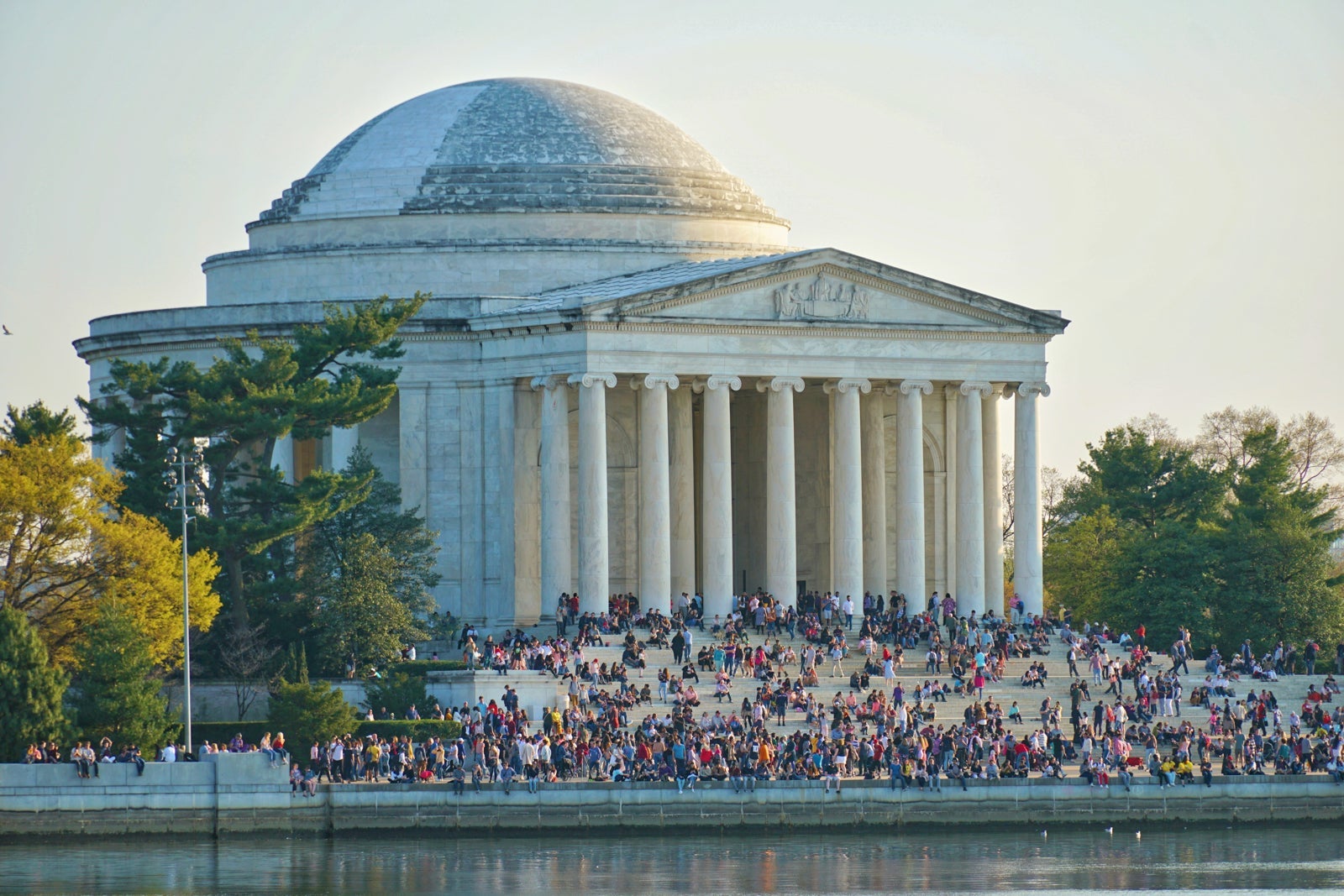
As our nation's capital, Washington DC is a global political powerhouse and educational center, perfect for those looking for a behind-the-scenes glimpse at how our country is run. But the city is home to much more than the state Senate, White House and politically-fueled arguments.
In Washington's sundry neighborhoods, it is not difficult to find award-winning international cuisine, global and local culture, history, night life and art. While some choose to explore the city's wide variety of museums and take part in enlightening tours, others paddle the Potomac River, wander among the Georgetown neighborhood's colonial architecture and participate in festivals and events.
Regardless of your political views, Washington DC is always teeming with things to do.
The Best Weather in Washington DC
Like most cities in the mid-Atlantic region, summer in Washington DC can bring uncomfortably hot days, perfect for soaking up the air conditioning inside the Smithsonian Museum or another indoor attraction. July is the hottest and rainiest month, with average daily temperatures reaching the upper 80s and the city receiving over two inches of rain.
Winter occurs from December through February. Highs are often in the 40s, but freezing temperatures are not uncommon. During spring and fall, the summer crowds are no longer in full-swing and the days are warm and sunshine plentiful.
Spring
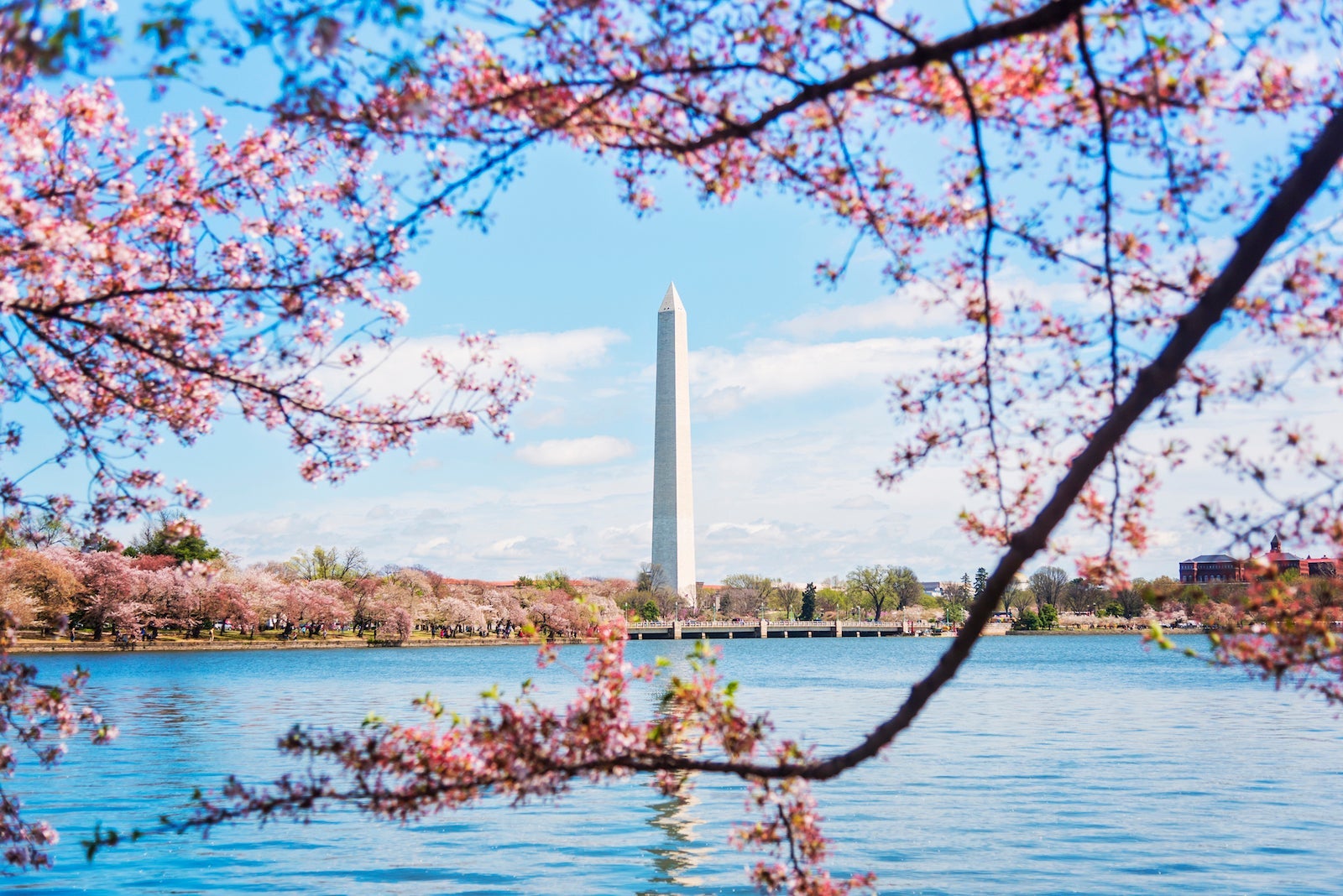
Each March and April, the National Cherry Blossom Festival — one of the city's largest festivals — draws over 1.5 million visitors who come to see the blooming cherry blossom trees and to honor the American and Japanese cultures. The 4-week festival is comprised of over 50 events — most of which are free to the public. There is a wide variety of events and activities to take part in, like a blossom kite festival, live music and giveaways, parades and a street festival.
Summer
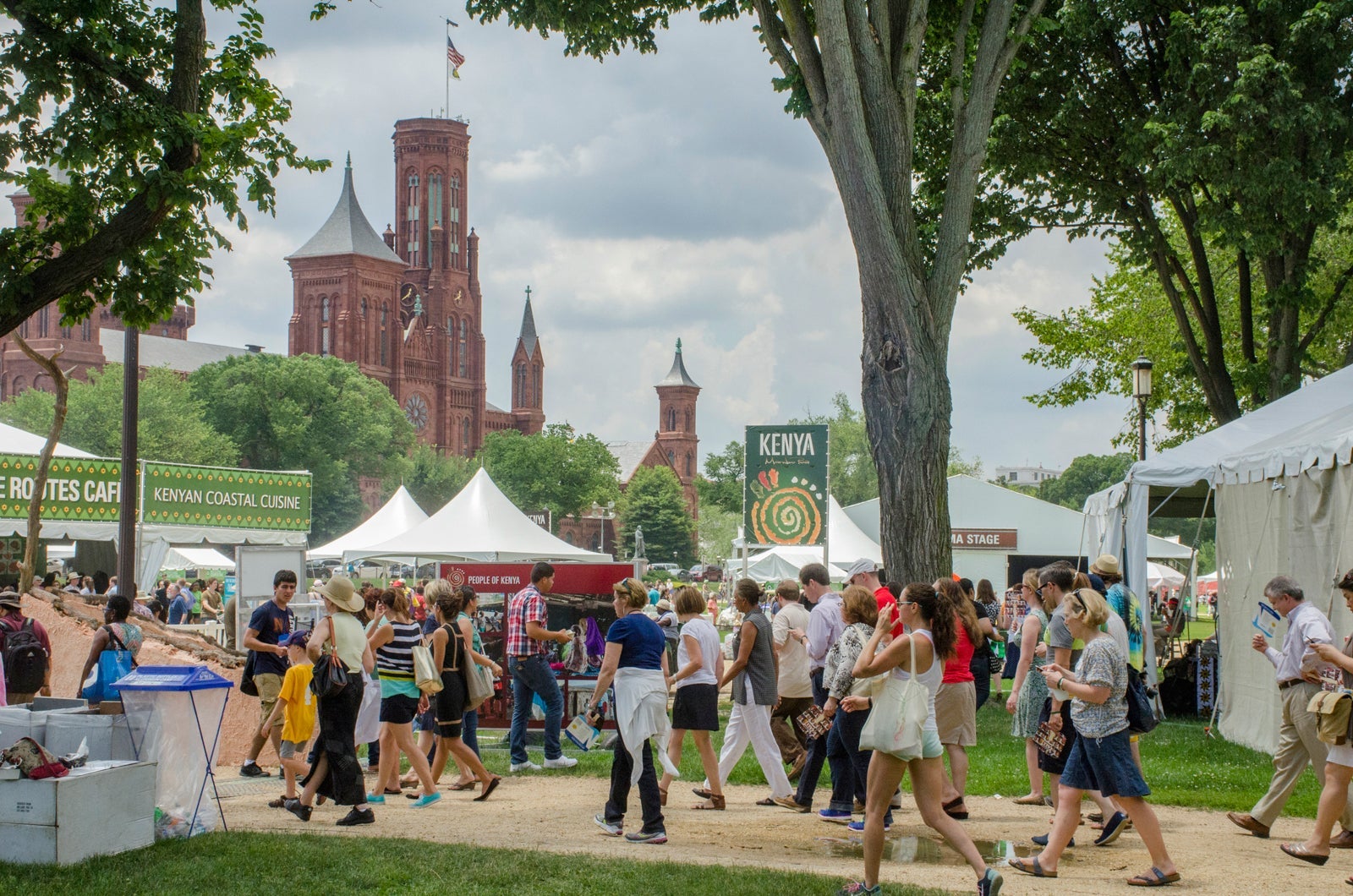
The Smithsonian Folklife Festival, which celebrates different cultures through art, music, food and dance, is another popular event that takes place for two weeks surrounding the Fourth of July. The goal of the festival is to honor cultural traditions through daily performances and activities on the National Mall. On Independence Day, things really kick off. The city celebrates with a fireworks show, free concert, a parade and other events. Since this can be one of the most crowded days of the year, it is recommended using the metro to get around the city.
Fall
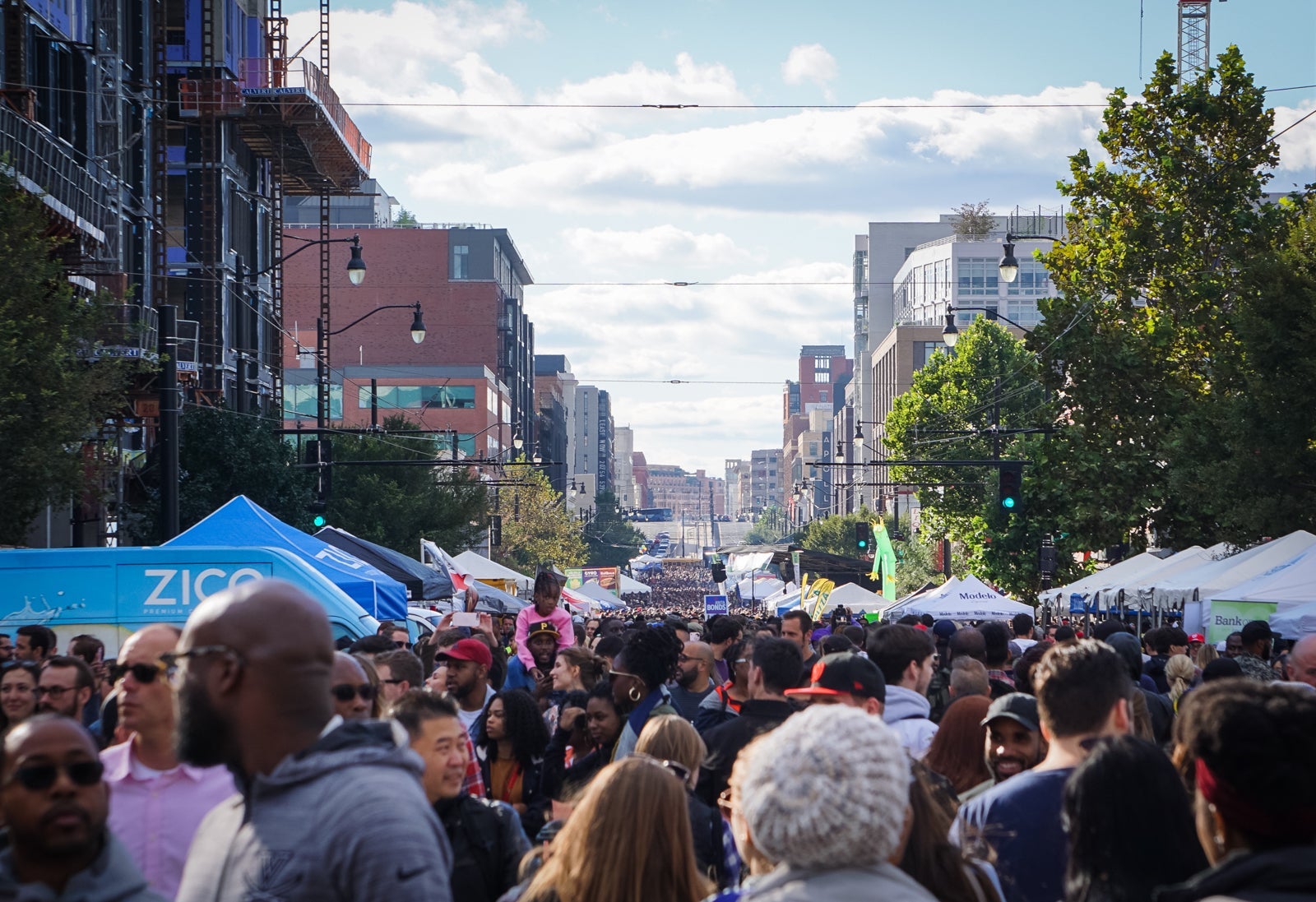
Every September, the H Street Festival takes over 11 blocks on H street. This single-day 12-year-old bloc party has grown from 500 to 150,000 participants, and uses art as a vessel for economic growth in this historic neighborhood. During the party, there are 14 staging areas over 11 blocks featuring music of different genres, dance performances, fashion, poetry and more.
Winter
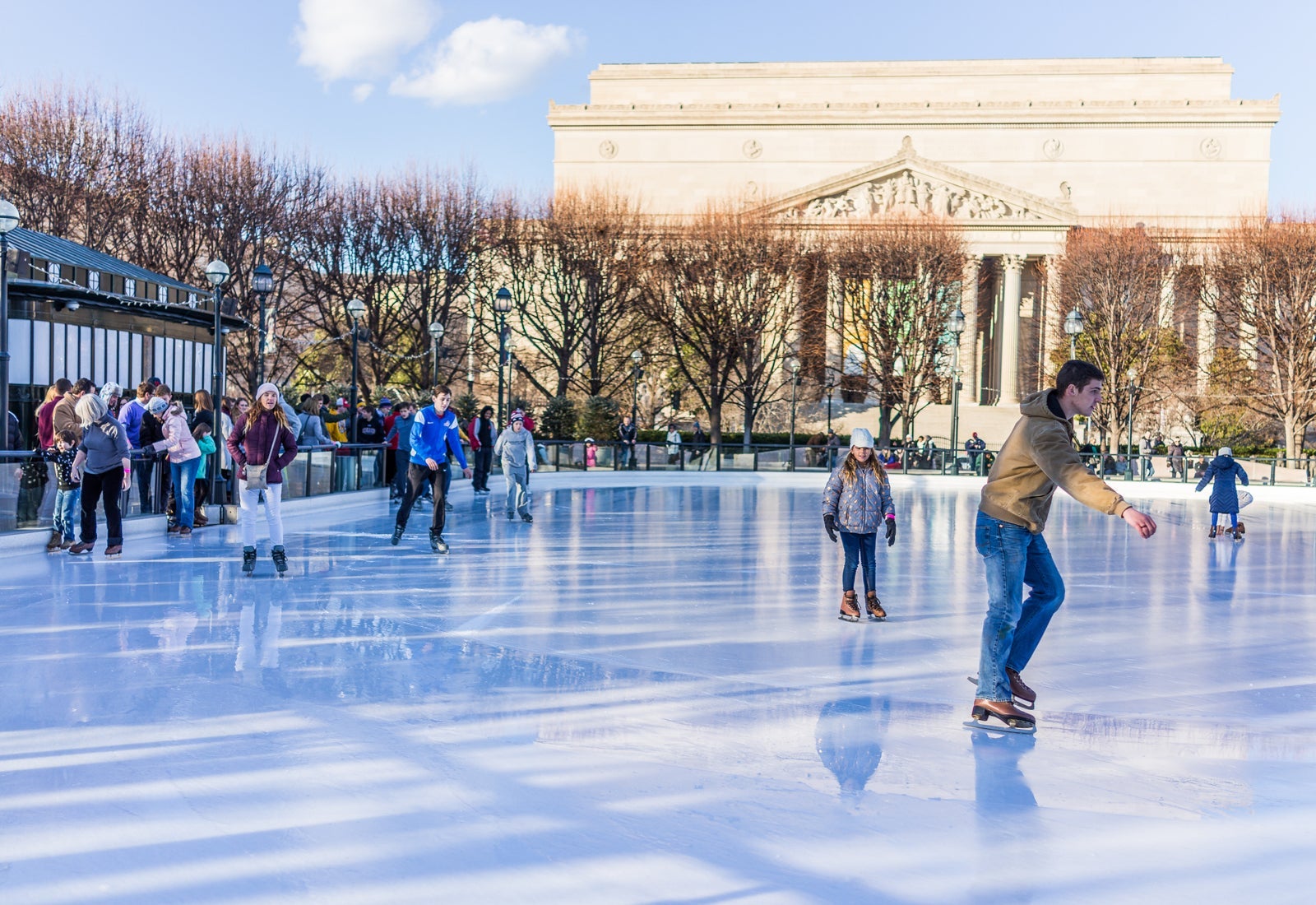
The Downtown Holiday Market, which is open daily for a month in November and December each year, celebrates the holiday season at 8th and F Streets NW. The Market boasts over 180 vendors selling food, crafts and souvenirs. There are also music performances and of course, Christmas songs.

When to Visit Washington DC to Avoid the Crowds
Washington DC — specifically, the National Mall area — tends to be crowded throughout the year. In the fall, winter and spring, large school groups wander the streets, learning about our political system. Rallies and protests can take place at any time, and governmental events often draw hoards of people and result in road closures.
Before visiting, make sure your dates don't coincide with any events (unless that is your intention). And if avoiding the crowds truly is your main priority, avoid the National Mall entirely. November through February tend to be slightly less crowded than peak season, which occurs during the summer.
When to Visit Washington DC For Events
Between the festivals, rallies and political events, there is always something happening in Washington DC. To avoid spending the day looking for parking, we highly recommend taking the metro downtown.
The Best Time to Visit Washington DC For Outdoor Adventure
While Washington DC outsiders might rarely think of the capital as an outdoor-oriented city, there is actually no shortage of outdoor adventure. Rock Creek Park, the C and O Canal Towpath and Great Falls Park all offer great walking and hiking trails in the region. Many choose to paddle the Potomac River on kayaks, canoes and stand-up paddleboards, which allows them to experience the city from a unique perspective.
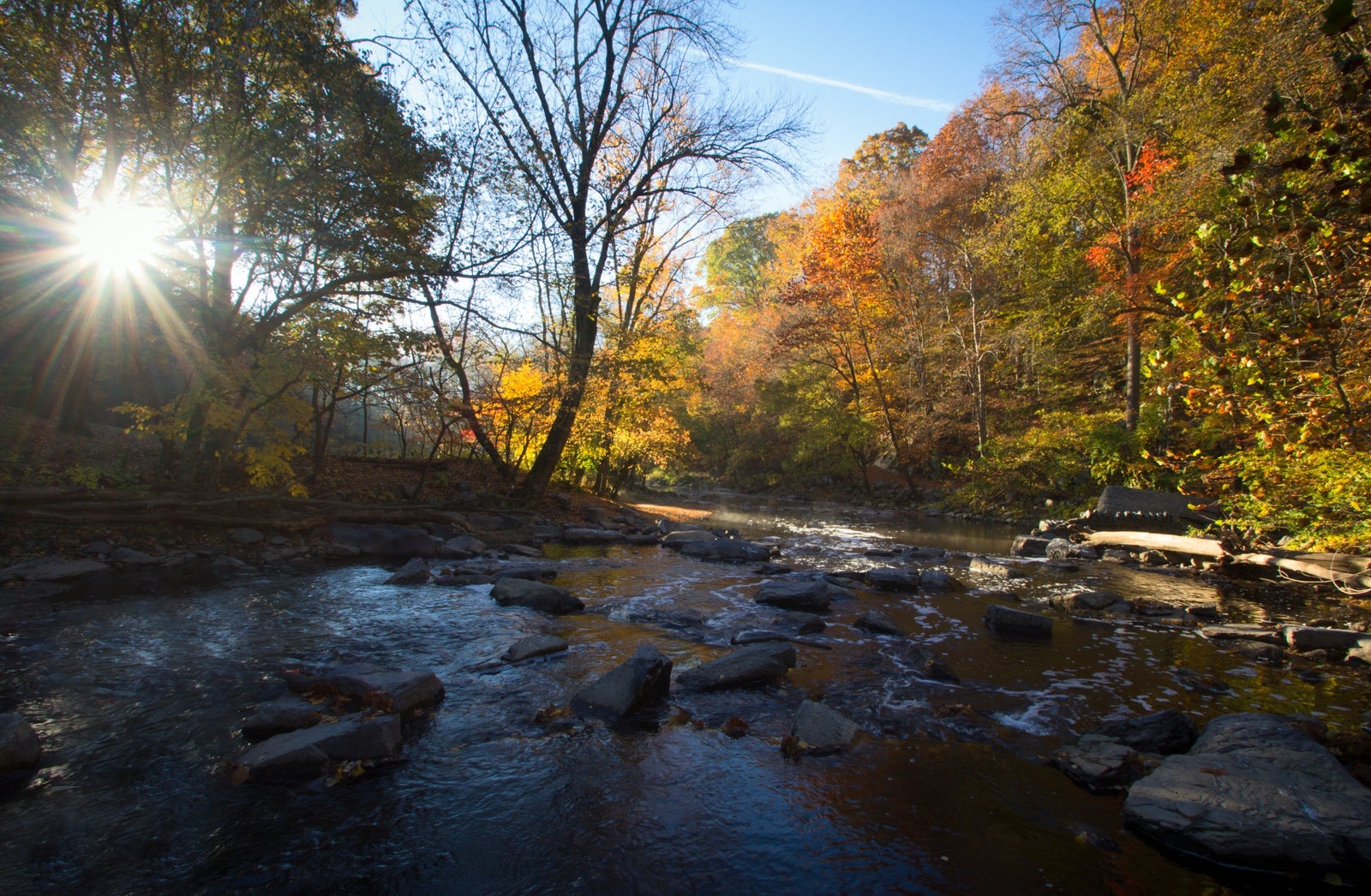
Spring and fall are the best times to be outside, especially if you're hoping to avoid the area's extreme high and low temperatures. It can be busy in the spring, especially during the National Cherry Blossom Festival, but the weather makes it worthwhile.
The Cheapest Time to Visit Washington DC
Affordable Airfare
While the cheapest month to travel to Washington DC ultimately depends on where you're traveling from, it is pretty safe to assume vacation weeks and holiday weekends will be pricier across the board, regardless of point of origin.
According to travel booking platform Skyscanner.com, the cheapest flights from New York City and Los Angeles can usually be found during mid to late summer. If traveling from Chicago, San Francisco or Dallas, you may have better luck waiting until September. By then, crowds will have dissipated and the summer heat will be on the decline. Flights from Seattle tend to be at their low in October.
Affordable Lodging
According to average daily rates collected by Priceline.com of hotels 2.5 stars and above, prices usually begin to rise in January and hit a high point of around $200 in April, before starting a decrease through the summer. They spike again in September and October before hitting a low of around $137 in December.
Bottom Line
Washington DC is the epicenter of our nation, home to plenty of politically-fueled events and attractions, cultural festivals and renowned museums, making it the perfect place to visit any time of year.
TPG featured card

at Capital One's secure site
Terms & restrictions apply. See rates & fees.
| 5X miles | Earn 5X miles on hotels, vacation rentals and rental cars booked through Capital One Travel |
| 2X miles | Earn unlimited 2X miles on every purchase, every day |
Pros
- Stellar welcome offer of 75,000 miles after spending $4,000 on purchases in the first three months from account opening. Plus, a $250 Capital One Travel credit to use in your first cardholder year upon account opening.
- You'll earn 2 miles per dollar on every purchase, which means you won't have to worry about memorizing bonus categories
- Rewards are versatile and can be redeemed for a statement credit or transferred to Capital One’s transfer partners
Cons
- Highest bonus-earning categories only on travel booked via Capital One Travel
- LIMITED-TIME OFFER: Enjoy $250 to use on Capital One Travel in your first cardholder year, plus earn 75,000 bonus miles once you spend $4,000 on purchases within the first 3 months from account opening - that’s equal to $1,000 in travel
- Earn unlimited 2X miles on every purchase, every day
- Earn 5X miles on hotels, vacation rentals and rental cars booked through Capital One Travel
- Miles won't expire for the life of the account and there's no limit to how many you can earn
- Receive up to a $120 credit for Global Entry or TSA PreCheck®
- Use your miles to get reimbursed for any travel purchase—or redeem by booking a trip through Capital One Travel
- Enjoy a $50 experience credit and other premium benefits with every hotel and vacation rental booked from the Lifestyle Collection
- Transfer your miles to your choice of 15+ travel loyalty programs
- Top rated mobile app