Up close and animal: Why walking safaris are so worthwhile
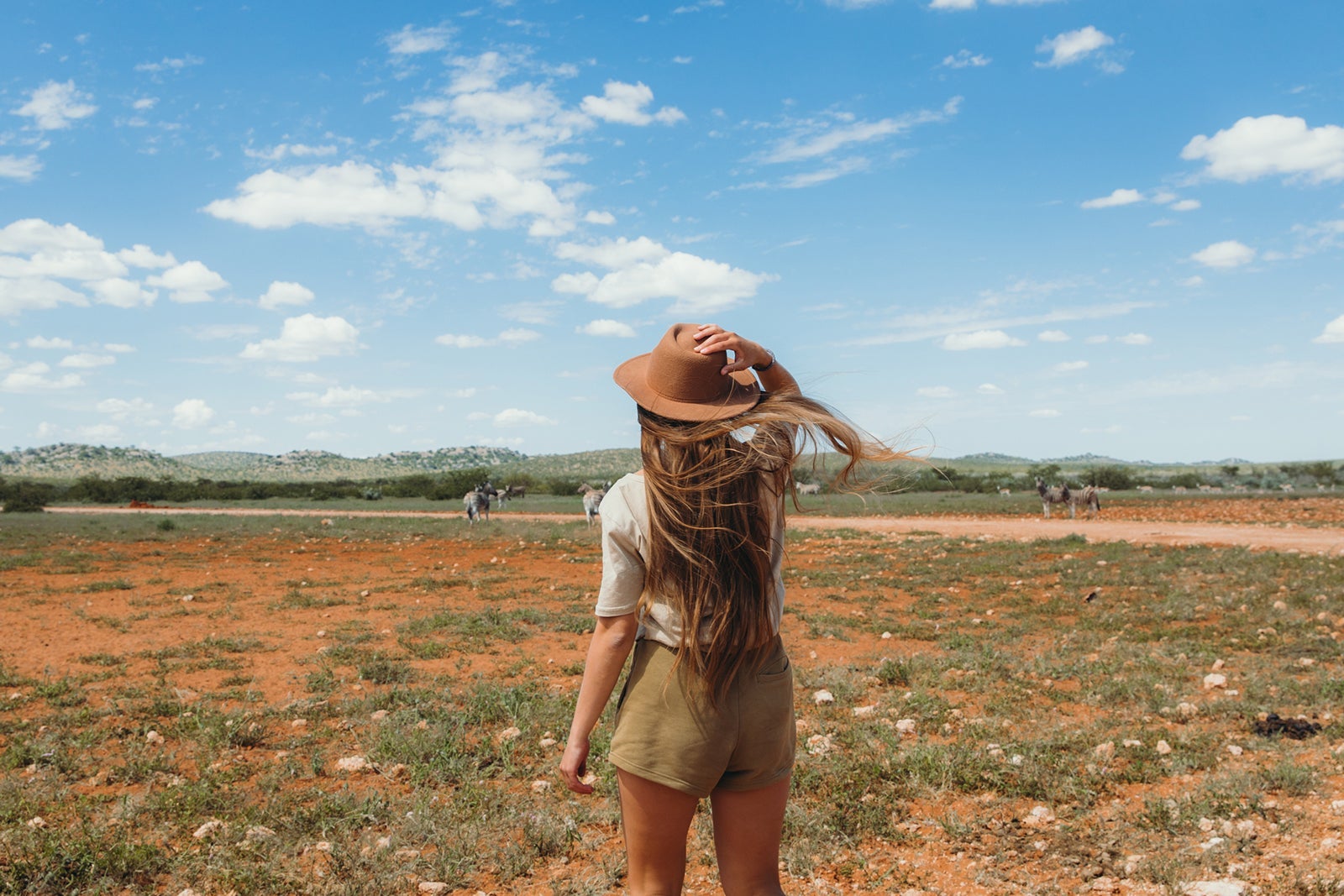
We were on foot in Zimbabwe's Malilangwe Reserve when we suddenly saw a tail whip through the air around 40 feet away. Suddenly coming into view were the heads, legs and bodies of a pride of around six lions lounging in the tall grass.
Unless you're a truly seasoned safari-goer or a trained guide, there's really no other way to feel than terrified when you see an apex predator approaching you on foot. But there's also something exhilarating and primal about it — especially when you're in the safe hands of a guide who truly understands animals and their behaviors.
While you can't get as close to animals when walking as you can when driving — and you generally see more small creatures than big — once you've experienced the thrill of walking through the bush, it's hard to go back to a vehicle.
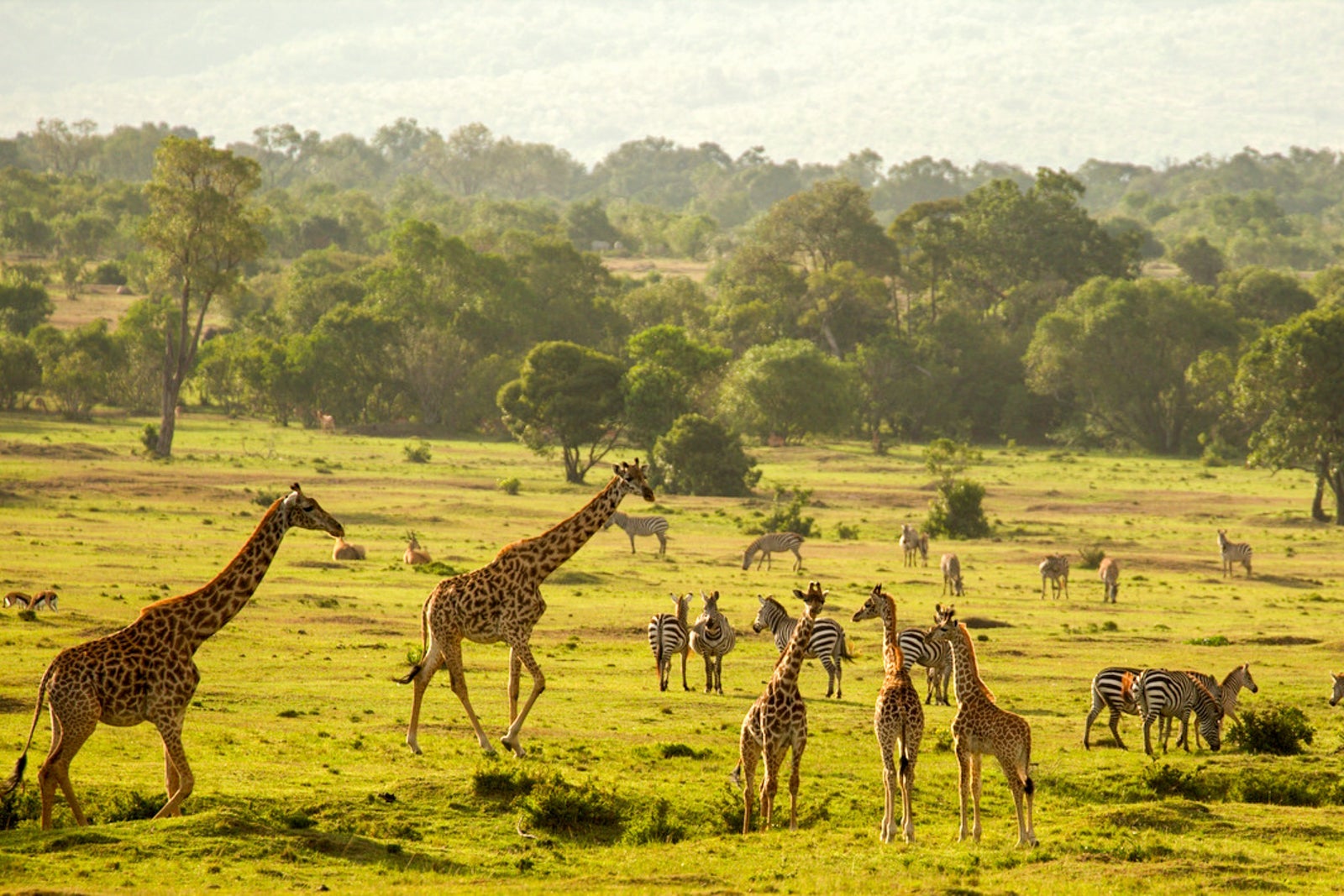
For decades, most African safaris have followed the same daily agenda: Guests rise before dawn for morning game drives, come back for a late breakfast and a siesta, then head out on afternoon drives that same day before sundowners either at a picturesque spot in the bush or back at the lodge.
The timetable exists this way for a good reason: Animals are more active during the early morning and late afternoon, usually retreating into their surroundings during the day to avoid the sun.
While the optimal times to view wildlife will probably never change, traditional safaris are evolving in terms of how they expose visitors to the wild in the hopes of creating a more enriching experience.
Both in response to and partially responsible for a new ethos from travelers to get out of the vehicle and onto foot, many wildlife lodges are now proffering more walking safari experiences, whether it's a sunrise stroll or multi-day experiences where adventurers can immerse themselves in the landscape and get to know its nuances. And there are plenty of reasons to take advantage of a walking safari if one is available to you.
Appreciating the little things in life
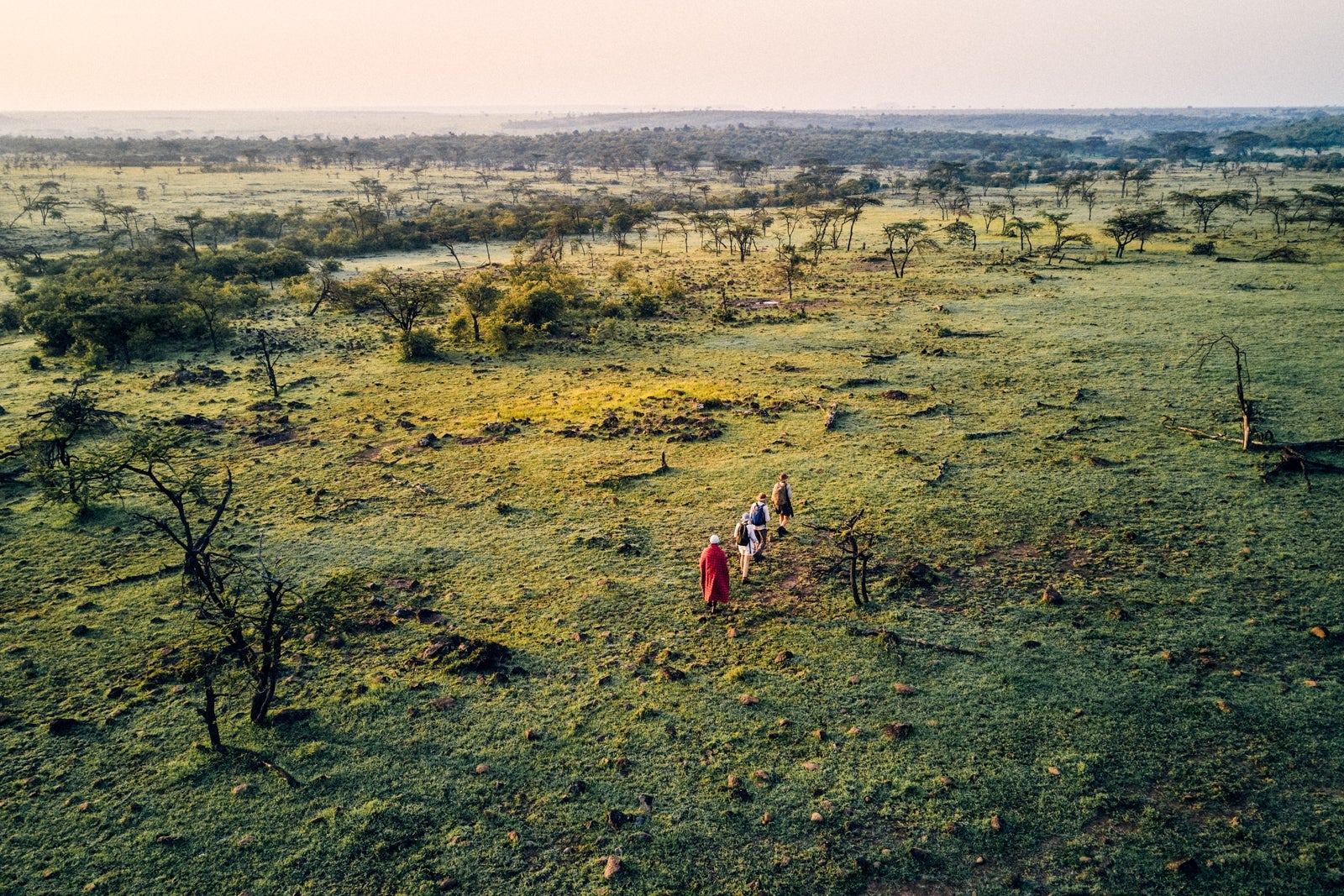
"If you just drive around, you are leaving [out] a lot of the small species. You aren't covering the entire ecosystem," says Jacob Shawa, a legendary guide and the influence behind Shawa Camp in Zambia's South Luangwa (which offers accommodations at $550 per person, per night).
For over 30 years, Shawa has been leading walking safaris in South Luangwa National Park, a valley known for its multi-day walks. Unlike many other reserves or national parks where walking isn't allowed, in South Luangwa, an approximately 3,500-square-mile park with easy terrain, walking is actually encouraged. Here, there's also a high density of animals so there's lots to see — it's not uncommon to spot a leopard, lion, buffalo and elephant all in one afternoon.

After years guiding for Robin Pope Safaris, Shawa collaborated with Green Safaris to create Shawa Camp, a new eco-lodge that opened on the Luangwa River in June 2020. Here, guests can embark on daily bush walks from camp (sometimes led by Shawa himself) and explore the landscape from a different vantage point than you get rolling through the terrain in a vehicle.
"Walking should make you feel something special," explains Shawa. Without the safety of the vehicle, all your senses are heightened — to those who don't know the wild, a rustle in a bush can sound like an animal (even if it's just the wind) or a distant car engine could be mistaken for a big cat.
Being on foot also allows travelers to discover smaller creatures and plants they might miss over the rumble of a vehicle. Once you see beetle rolling dung or an elaborately-built termite mound up close, these smaller sightings can become as interesting and exciting as a leopard about to pounce on its prey.
Heightened senses
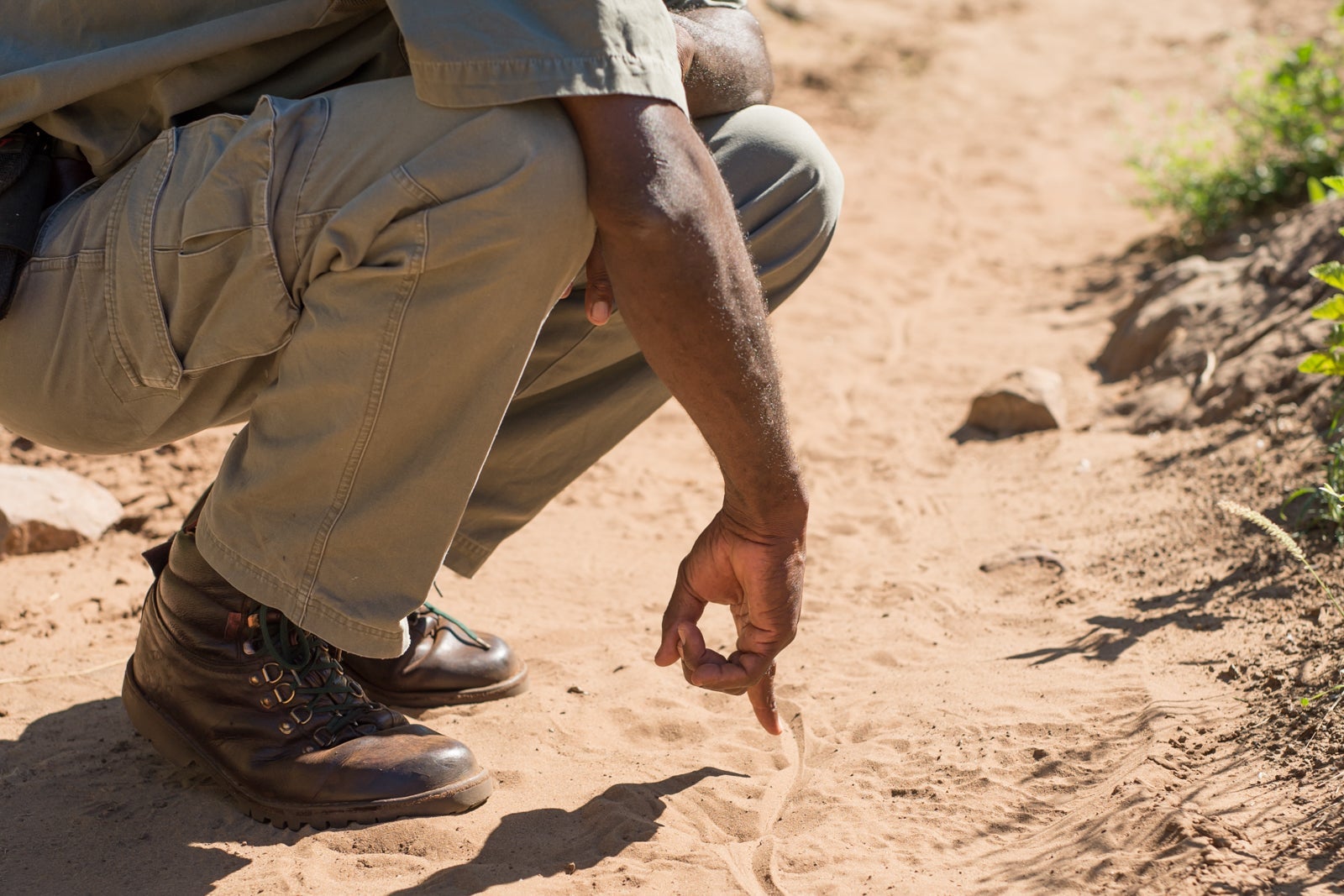
Spotting animals without the safety of a vehicle also taps into all the senses.
"Standing there, watching the wildlife at a safe distance, is a primal experience and your own instincts and excitement kick in, heightening the experience emotionally," says Bruce Simpson, CEO of Time + Tide, a company that offers multi-day walks between its numerous camps in the Luangwa Valley (rates start from $730 per person, per night), as well as special experiences like beds set under the stars in remote parts of the park.
"You [are] also closer to a new array of scents, sounds and signals of the bush, like noting where a honey badger slept the night before to how dung beetles tackle their crucial task so diligently."
Time + Tide was previously Norman Carr Safaris, a company named after a famous conservationist. Carr was instrumental in pioneering walks in tourism and famously said: "You don't really know a country until you've walked it." The company has been leading walking safaris for decades, and Zambia is known for its high standards when it comes to guide qualification, giving guests peace of mind.
In recent years, a slew of new lodges have sprung up in South Luangwa including Puku Ridge and Sungani, which both offer luxury accommodations as well as extremely experienced guides. At Sungani, a family-owned property with beautiful, roomy suites that overlook a lagoon in a less-trafficked part of the valley, a morning walk is heavily rewarded; a trek always ends with freshly brewed coffee under a tree and a generous lunch of fresh salads and kebabs spread out on the lodge's sprawling deck (Rates start from $900 per person, per night).
Gorillas, game life and villages
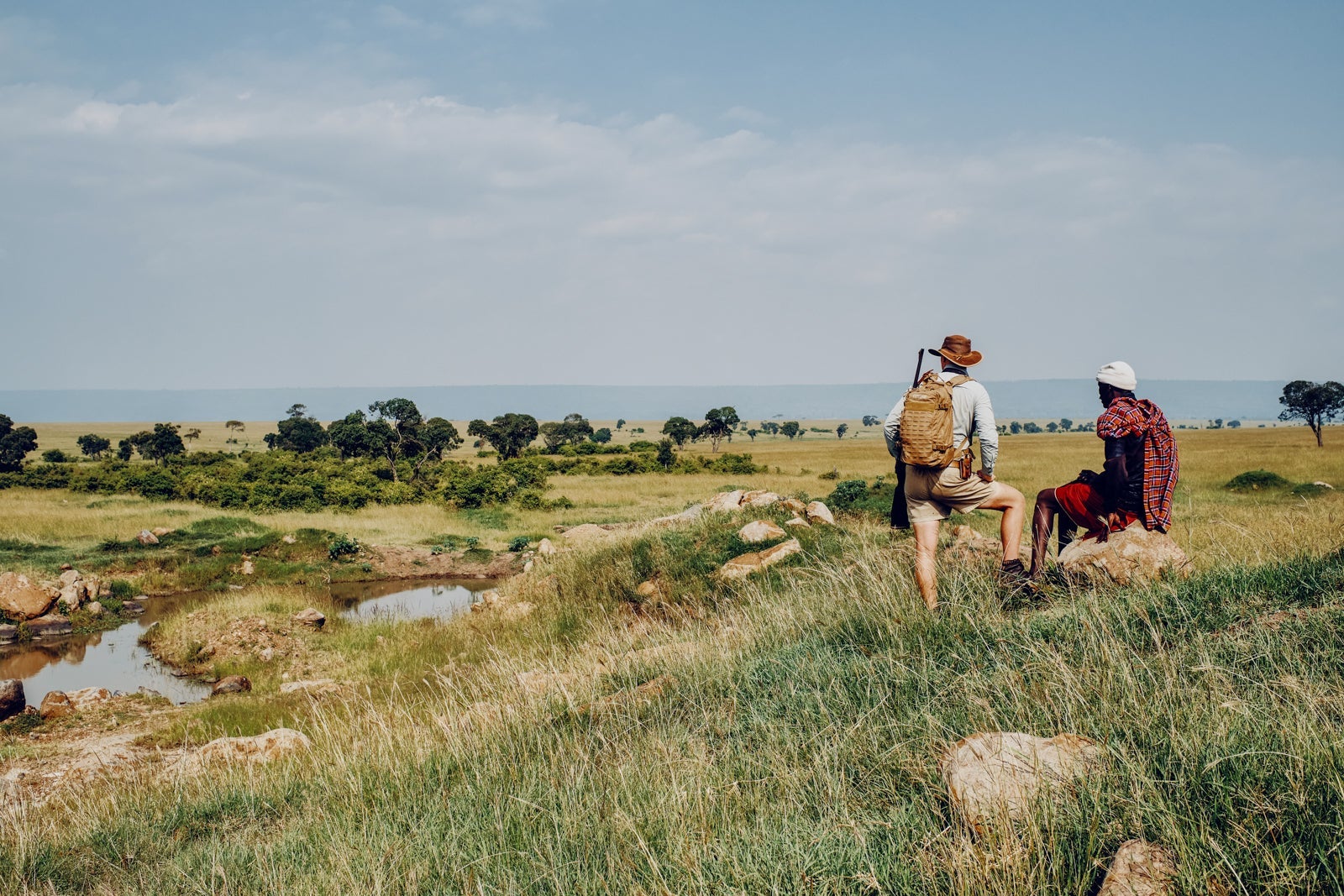
Walking safaris are only permitted in certain national parks across Africa, but they do extend beyond Zambia. In Rwanda, gorilla trekking–where guests hike through the forested Virunga Volcanoes National Park for a rare sighting of mountain gorillas — has become one of the country's biggest draws.
Pioneered by Praveen Moman, the founder of Volcanoes Safaris (which operates Virunga Lodge in the area), the traveler trekking experience demand has grown so much since the 2000s that brands like Wilderness Safaris, Singita and One&Only have also opened lodges nearby.
The price tag to see gorillas on foot can be hefty here, at $1,500 per person, but much of the money goes back to conservation efforts (10% to the local communities and 75% to gorilla conservation initiatives and personnel) — and every hiker who's done it will tell you that seeing these endangered animals in their natural environment is worth every penny.
In nearby Kenya, Asilia Africa has launched multi-day walks through the Mara Conservancies (north of the Masai Mara), where travelers pass through wilderness areas as well as villages and sleep in fly tents set up along the way (treks are $4,556 per person for five nights, based on four people sharing).
It's a more rustic experience, but also allows for a deeper connection with the landscape. And because walkers are accessing areas where cars can't always go, they almost always have sightings to themselves.
"The freedom of walking for consecutive days gives a level of engagement with the environment that is not experienced on any other safari type," says Brandon Kemp, Asilia Africa's director of Southern Tanzania. "The inner peace and time for reflection during these journeys is truly life-changing."
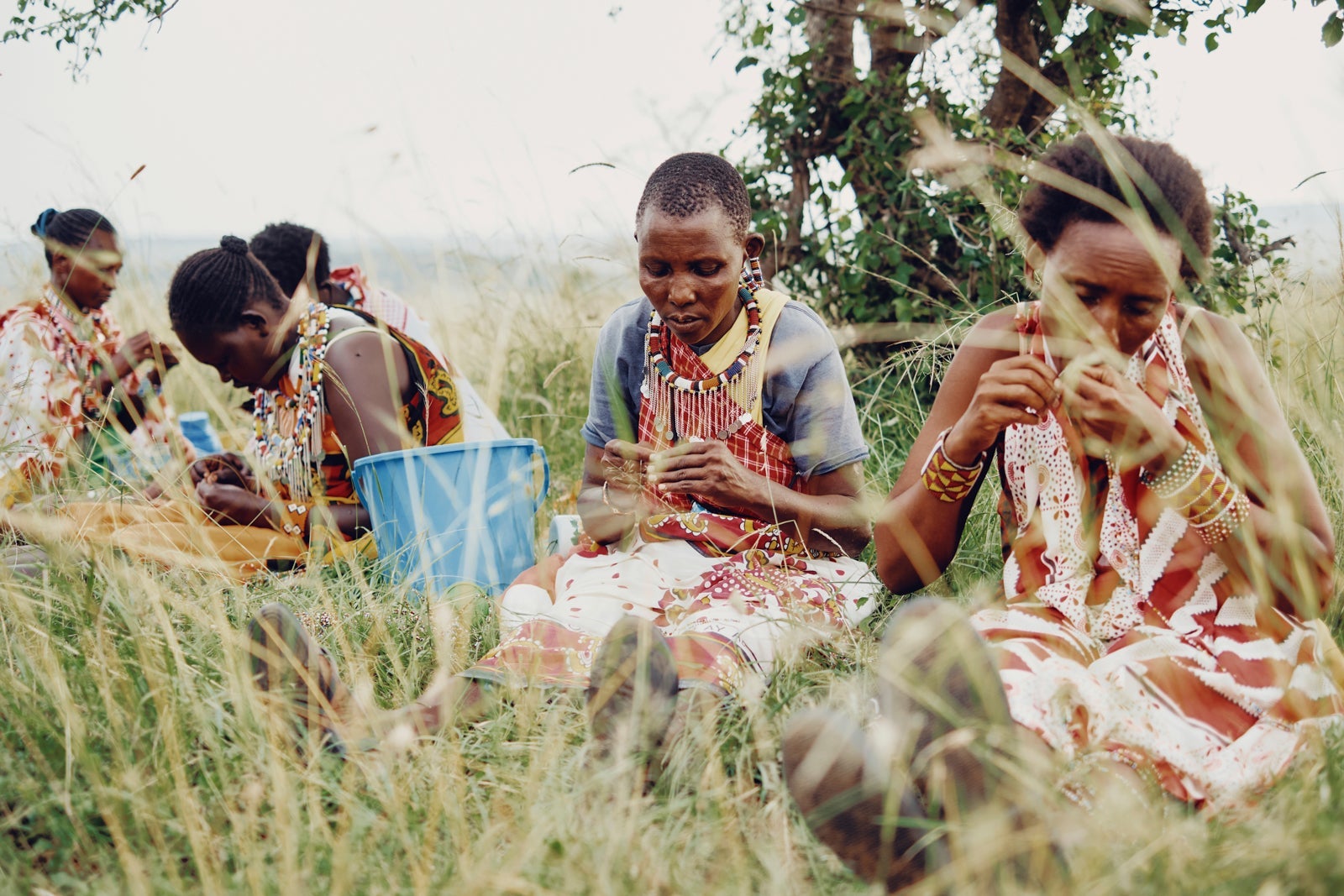
The route also winds through villages and past community initiatives like the Maa Trust, a non-profit created to boost employment opportunities in the area. At the shop, beautiful beaded belts and necklaces woven on-site by women from the surrounding area are for sale.
Accessing ancient art
Walks aren't only an opportunity to engage with smaller animals or plants that usually go unobserved or meet locals, they also allow travelers to get up close to previously inhabited ancient sites.
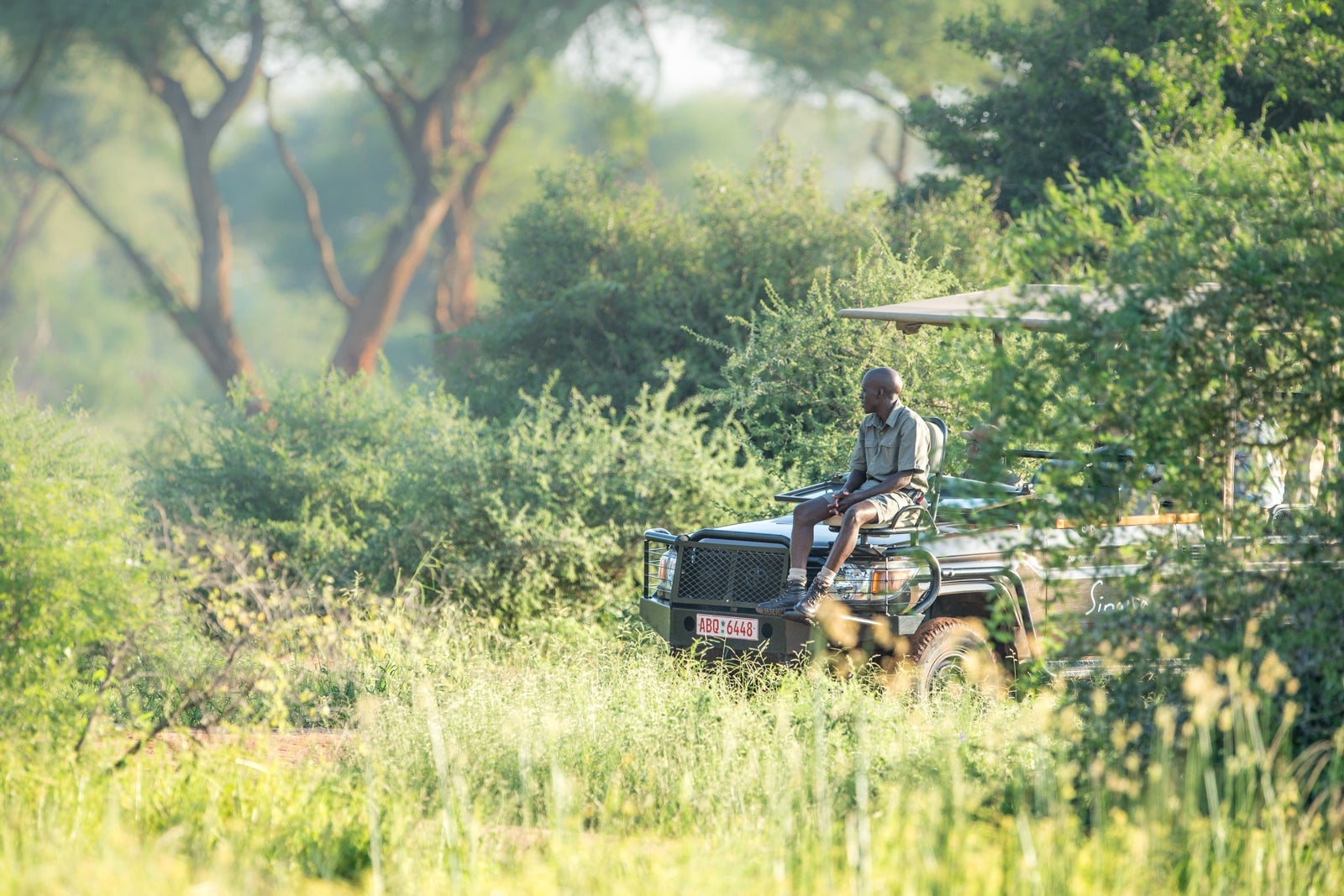
In Zimbabwe's Malilangwe Wildlife Reserve, guides at Singita Pamushana lead guests to ancient rock art that can't be viewed from the back seat of a car (rates for this tour start at $1,940 per person, per night).
"It's essential to visit this art on foot, to approach it like the artists did. Many of the 123 sites are not accessible by vehicle on rocky terrain and they are well-hidden; they are almost as undisturbed as they would have been centuries ago," says Bradley Mark Fouche, head guide at Singita Pamushana.
The artworks — etchings of animals and people holding bows and arrows in ochres and deep reds — depict daily life from 700 to 2,000 years ago. One of the oldest artworks there was painted by San bushmen using porcupine quills and bird feathers for brushes.
The hike isn't as strenuous as a multi-day walking safari but according to Fouche, it also offers something more profound than that. "There's a unique stirring atmosphere at each site that can only be felt in the moment. It's like stepping back in time and observing an ancient culture that was truly at one with nature."
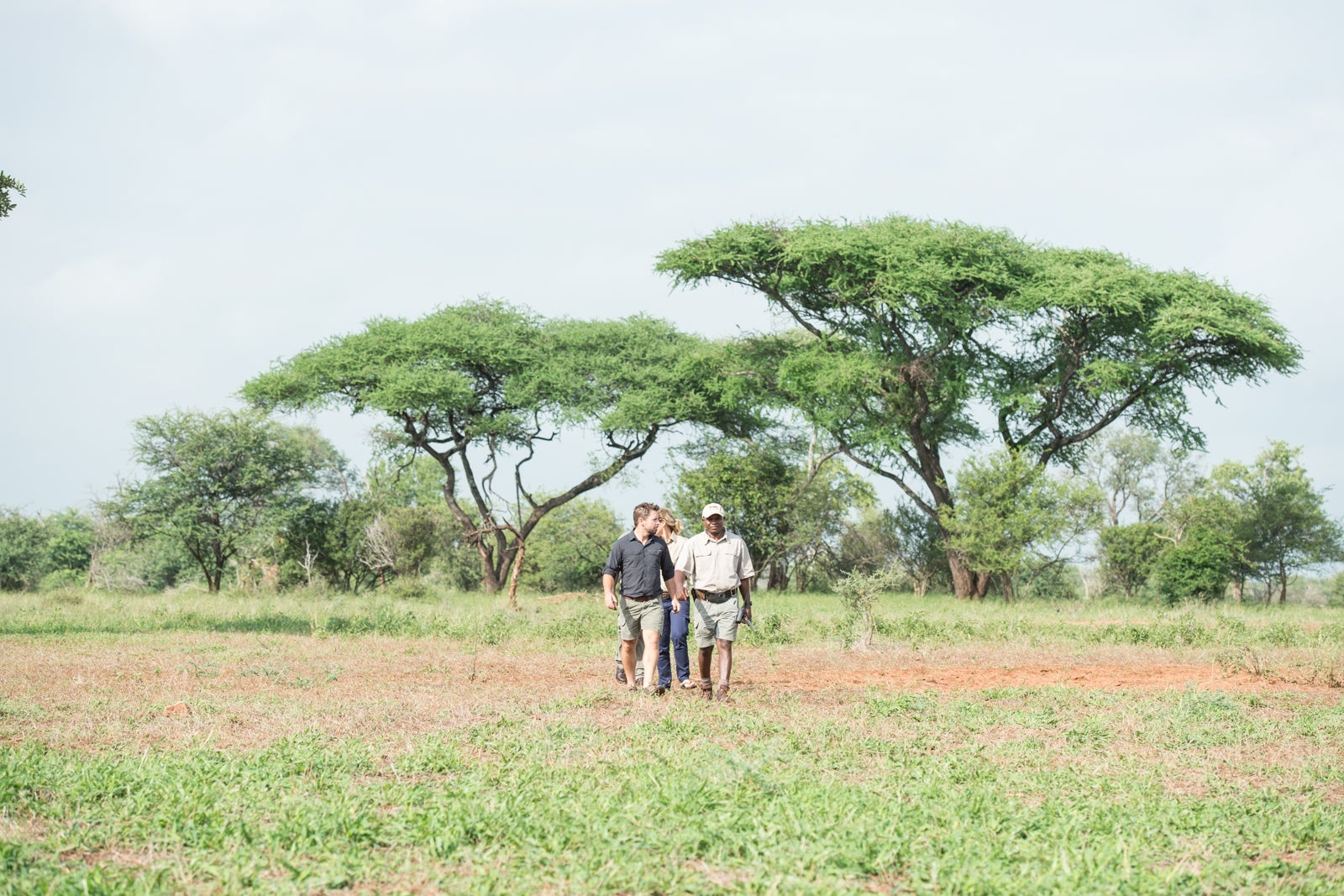
At the end of each walk, guests return to the lodge where — in true safari style — they are fed elaborate meals, knowing very well that they've earned every single bite. That's one more thing you just won't get from spending a day in a safari vehicle.
TPG featured card

at Capital One's secure site
Terms & restrictions apply. See rates & fees.
| 5X miles | Earn 5X miles on hotels, vacation rentals and rental cars booked through Capital One Travel |
| 2X miles | Earn unlimited 2X miles on every purchase, every day |
Pros
- Stellar welcome offer of 75,000 miles after spending $4,000 on purchases in the first three months from account opening. Plus, a $250 Capital One Travel credit to use in your first cardholder year upon account opening.
- You'll earn 2 miles per dollar on every purchase, which means you won't have to worry about memorizing bonus categories
- Rewards are versatile and can be redeemed for a statement credit or transferred to Capital One’s transfer partners
Cons
- Highest bonus-earning categories only on travel booked via Capital One Travel
- LIMITED-TIME OFFER: Enjoy $250 to use on Capital One Travel in your first cardholder year, plus earn 75,000 bonus miles once you spend $4,000 on purchases within the first 3 months from account opening - that’s equal to $1,000 in travel
- Earn unlimited 2X miles on every purchase, every day
- Earn 5X miles on hotels, vacation rentals and rental cars booked through Capital One Travel
- Miles won't expire for the life of the account and there's no limit to how many you can earn
- Receive up to a $120 credit for Global Entry or TSA PreCheck®
- Use your miles to get reimbursed for any travel purchase—or redeem by booking a trip through Capital One Travel
- Enjoy a $50 experience credit and other premium benefits with every hotel and vacation rental booked from the Lifestyle Collection
- Transfer your miles to your choice of 15+ travel loyalty programs
- Top rated mobile app