9 under-the-radar ski areas to check out this season

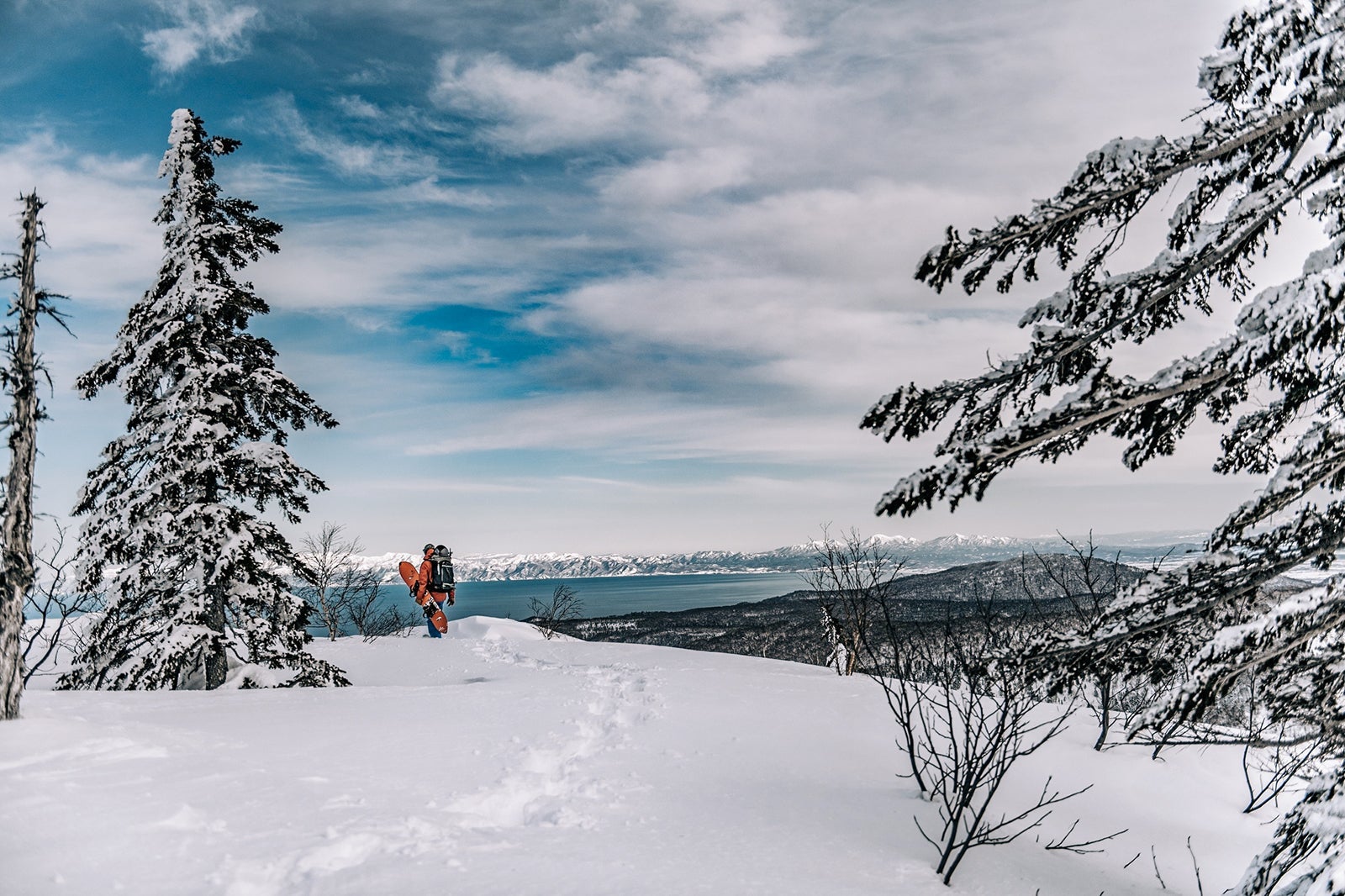
More than 6,000 ski areas operate worldwide, with nearly 500 in the U.S. alone. Yet only a few dozen get regular attention, ensuring plenty of powder stashes and empty lift lines for those willing to explore some under-the-radar ski areas.
Of course, there's a reason why places like Park City, Utah, and Vail, Colorado, are so popular. Not only do they have diverse terrain and plenty of snow, but they also have luxury accommodations and high-end restaurants. But something must be said about skipping these resorts for the less-visited ones, trading $1,000-per-night hotel rooms and aged prime rib dinners for crowd-free slopes and small community vibes.
"It's like deciding between going to Applebees or a locally owned restaurant with really good food," said Erik Mogensen, who owns the multimountain Indy Pass, a ski pass that partners with independent and oft-overlooked ski areas to offer access to their resorts. "But aside from corporate versus mom-and-pop, it's a unique and manageable experience. A lot of megaresorts can be hard to manage — at these overlooked resorts, you spend less time trying to park and waiting in lift lines and more time on vacation skiing."

While many of our favorite underrated ski areas are part of the Indy Pass, some are on bigger passes like the Ikon Pass or offer their own season passes. Some, like New Hampshire's Cannon Mountain, are smaller "local'" hills with limited lodging and accommodations, while others, like Idaho's Schweitzer, have base area villages with high-end accommodations. But what all of these under-the-radar ski areas have in common is a lack of crowds and enough terrain to keep both beginner and veteran skiers and snowboarders busy for days.
Jay Peak Resort, Vermont
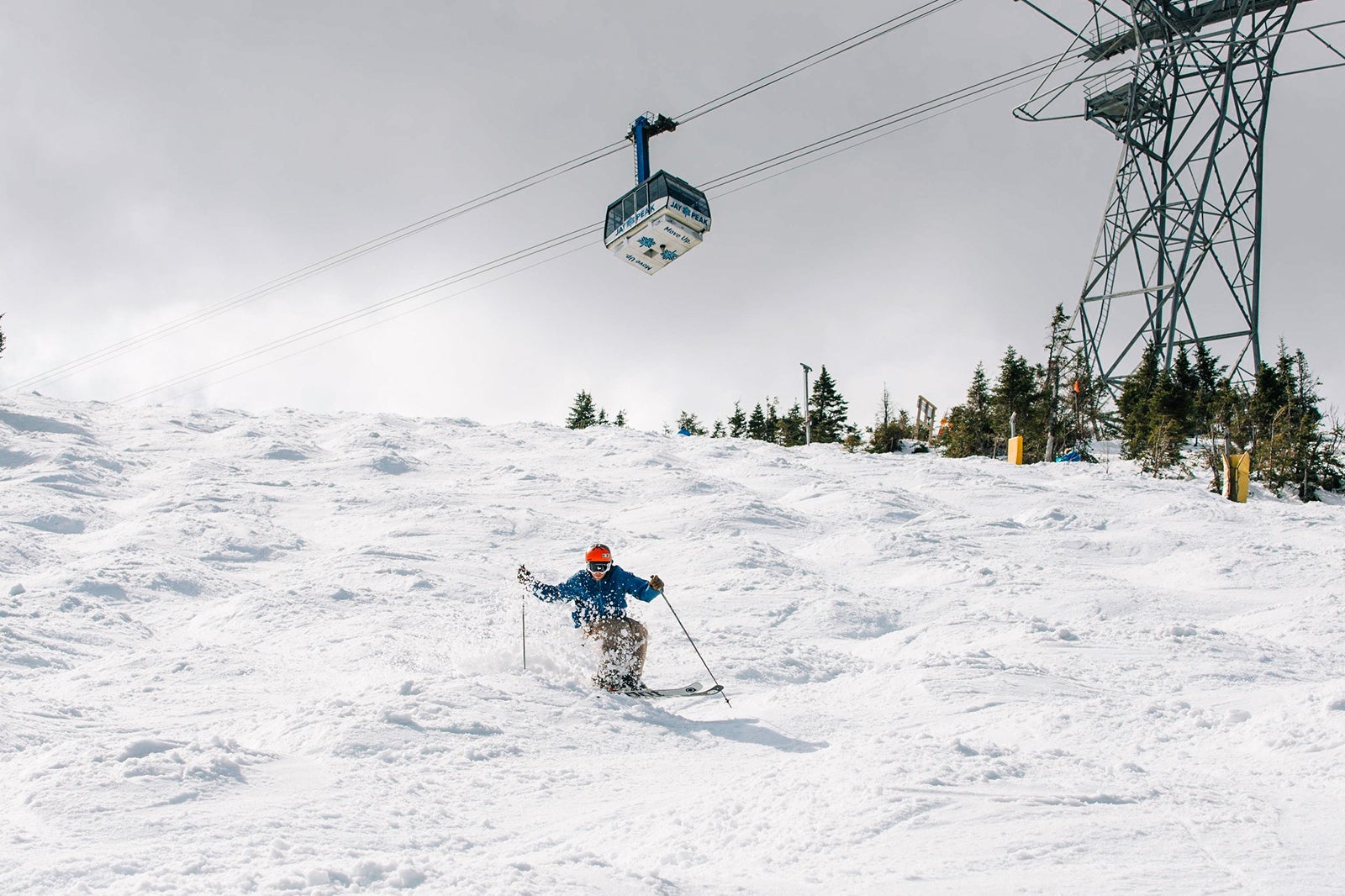
At Jay Peak Resort in northern Vermont, it's not uncommon for a "chance of flurries" to turn into a one-foot dump. Despite having less than 400 acres of skiable terrain, Jay feels about as close to skiing out west as you can without leaving the East Coast.
The ski area, which sits minutes from the Canadian border, has plenty of relaxed groomers to carve, but the mountain shines in the endless glades stretching from ski area boundary to ski area boundary (and beyond, for those comfortable with backcountry travel). Even a few steep alpine chutes descend from the summit, though you have to be an experienced skier comfortable with reading snow conditions to ski them safely.
Jay receives an impressive 350 inches of snow each year thanks to the "Jay Cloud," often beating the snowfall totals of western resorts. Jay makes it tough for anyone to get bored with a vertical drop of 2,153 feet and 81 named trails, glades and chutes.
There's not much going on around Jay Peak in terms of towns: The closest city is Burlington, Vermont, a 1 1/2-hour drive away. But plenty of ski-in, ski-out lodging options — and an impressive indoor water park — exist around the base area. Jay is also partnered with the Indy Pass, so passholders get two days of skiing at the resort per season.
Related: What's the best ski pass this season? Comparing Epic, Ikon, Mountain Collective and Indy passes

Red Mountain Resort, British Columbia

British Columbia's Red Mountain Resort has 3,850 acres of skiable terrain, a 3,000-foot vertical drop and an average of 300 inches of snow annually.
Snow conditions can be hit or miss at Red due to its relatively low base elevation, but the tree skiing rivals some of the best around when the conditions are right. Even on warmer days, the resort's wide range of groomers keeps everyone busy. And thanks to its location just north of the Washington-Canada border, nearly three hours from Spokane, Washington, the crowds are pretty manageable.
Red has several on-site lodging options, including the boutique ski-in, ski-out Josie hotel and The Crescent, which will debut during the 2024-25 season and offer studios, lofts and one-bedroom suites just steps from the slopes.
Schweitzer, Idaho
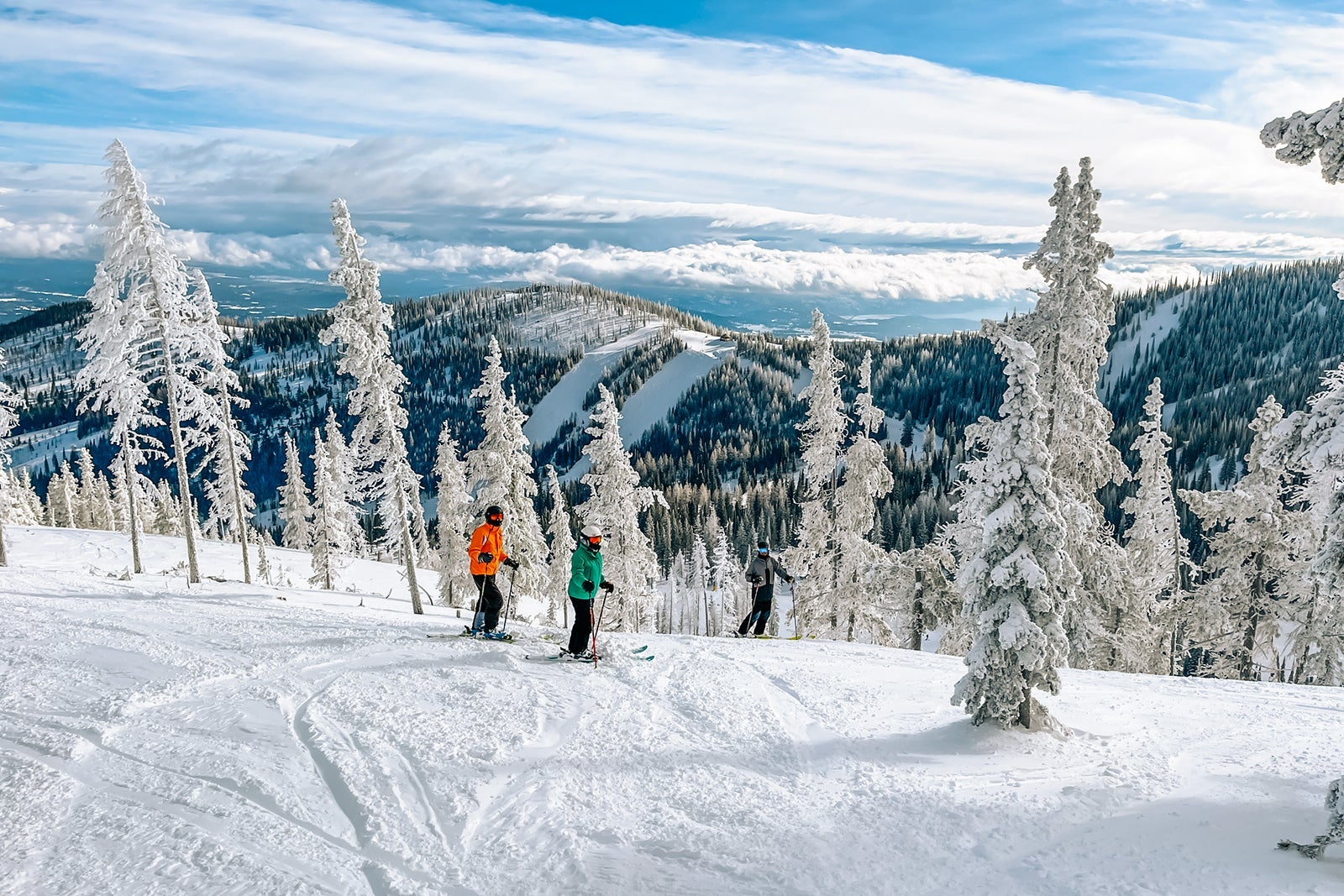
Often overshadowed by Sun Valley, Idaho's Schweitzer Mountain has a big-mountain feel thanks to its 2,900 acres of skiable terrain. Despite being the largest ski area in the state, its location eight hours away from Boise and nearly six hours away from Seattle tends to keep the crowds to a minimum. It's less than a two-hour drive from Spokane, which is typically the airport of choice for people flying in.
Schweitzer has plenty of beginner-friendly, wide groomers to ski, but it also has some pretty steep glades and fun cliffs to keep seasoned skiers and riders on their toes (or heels, on powder days). On a clear day (which tends to be few and far between), skiers are treated to spectacular views of Lake Pend Oreille below.
The resort partnered with the Ikon Pass during the 2021-22 season and was purchased by Alterra Mountain Company in 2023, so it is not a total secret and is getting more popular each season. Still, it doesn't feel crowded, even during holidays and weekends when it's busiest.
The resort's first ski-in, ski-out boutique hotel, Humbird, opened in the base village in 2022, providing a luxury option without hopping in the car. There are also many bars, restaurants and places to stay in downtown Sandpoint, Idaho, just a few minutes up the road.
Kiroro Ski Resort, Hokkaido, Japan

Japan's consistently deep and dry snowpack is no secret to avid skiers and riders. Daily waist-deep powder days are more often the rule than the exception, with the island of Hokkaido claiming its spot as the best powder skiing destination in the world.
Niseko typically gets the most attention from jet-setting powder hounds, while Kiroro Ski Resort, just an hour north, remains relatively quiet but just as deep.
Kiroro gets an impressive 830 inches of snow annually, so you'll likely score at least one powder day (but probably more) during your trip. Kiroro's terrain is gentler than resorts in the Rockies or Alps, so it's the perfect place for those who spend most of their time on groomed trails but want to learn to ski powder. Of course, there are also plenty of soft groomers for when your legs need a break.
Most Japanese resorts are smaller, and Kiroro is no exception at 230 acres. A few days is enough to explore the resort, but multimountain passholders will have plenty to do. Kiroro is on the Indy Pass with 16 other Japanese resorts (and more to come), so you can spend a few days each at several resorts. Epic Pass holders can ski two resorts in Japan — one of which, Rusutsu Resort, is just an hour from Kiroro — while Mountain Collective passholders can hop over to Niseko United to access its four resorts.
During the 2023-24 ski season, Club Med debuted a family-focused property at Kiroro Ski Resort called Kiroro Grand, sticking with its all-inclusive ski vacation model to help simplify planning and logistics. Stays at the ski-in, ski-out property include lift tickets, group lessons, food and drink, child care and activities like cooking classes.
Geto Kogen, Tohoku, Japan
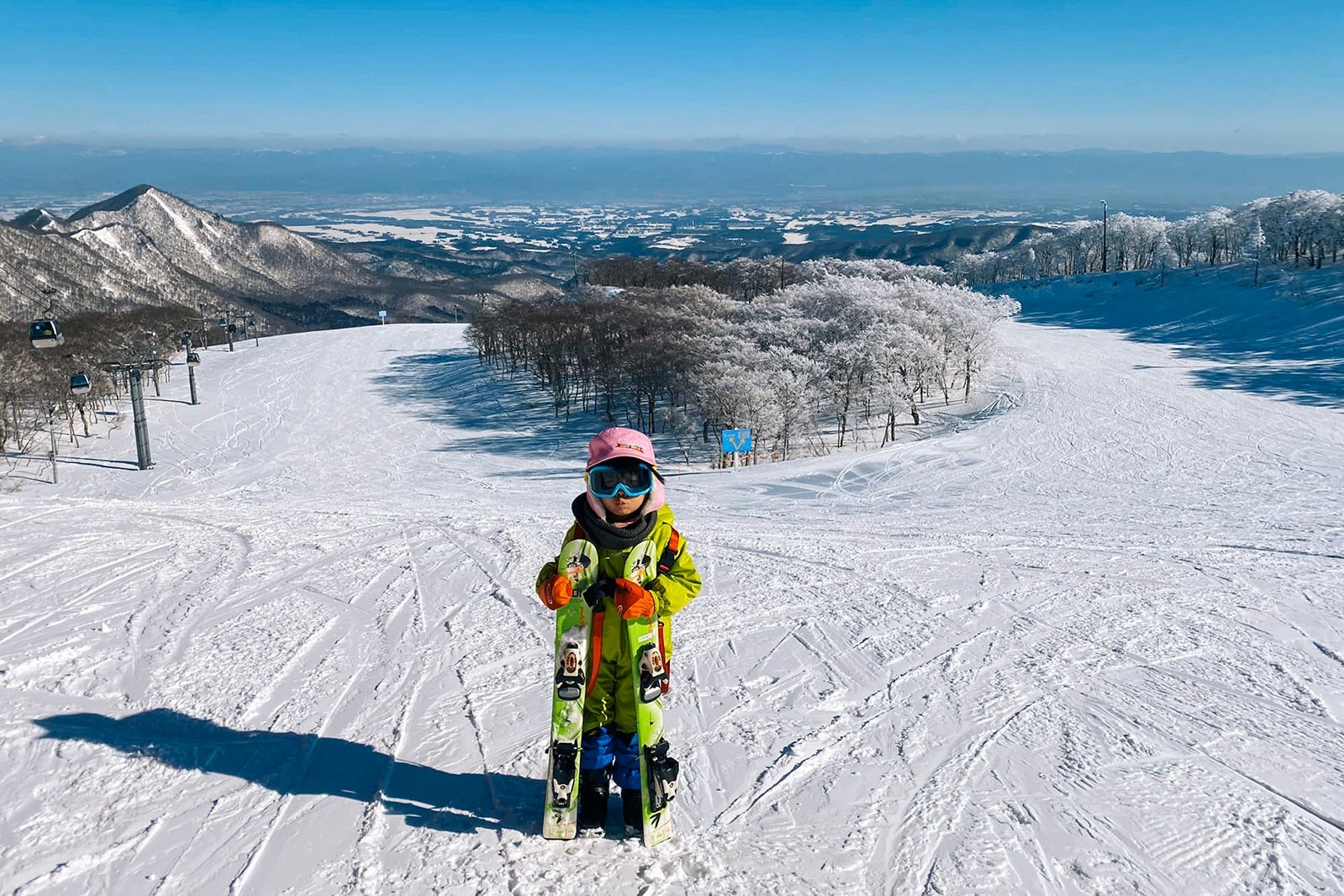
Many powder skiers don't realize there are world-class ski destinations in Japan outside of Hokkaido or Hakuba Valley, which is what makes ski areas like Geto Kogen in Tohoku so special.
Tohoku, a region in the northern part of Japan's main island, is home to nearly 90 ski areas. Geto Kogen is about three hours north of Tokyo by train and has a reputation for having some of the best in-bounds tree skiing in the country. Unlike the resorts of Hokkaido, which often cater to Western tourists, Geto Kogen and the surrounding region offer an immersive experience where traditional Japanese meals and accommodations are commonplace (you'll be eating ramen instead of pepperoni pizza in the slopeside cafeteria).
Because of its remote location and lack of Western tourists, a trip to Geto Kogen can be pretty adventurous (make sure you have Google Translate downloaded!) and probably not the best for a family looking to be shuttled around, but the experience can be extremely rewarding.
Just 10 minutes from the resort, Semi Onsen Ryokan offers traditional Japanese and Western accommodations and has seven onsens (or hot springs); visiting them is an essential part of the Japanese skiing experience. At Semi Onsen Ryokan, you'll be eating traditional Japanese meals in a common buffet-style dining area, and there's a shuttle to get you to and from the ski resort and train station.
Purgatory Resort, Colorado

It's a good thing Colorado has so many popular ski resorts, as this allows places like Purgatory to fly under the radar.
With 101 trails on over 1,600 acres, Purgatory is by no means a small ski area. The resort has a reputation for being family-friendly due to the amount of beginner and intermediate terrain, but there is some steeper stuff for those who get bored with low-angle groomers.
Purgatory has a small base village with a handful of dining and lodging options, but it's also just a half-hour from Durango, Colorado, a bustling small town on the southern edge of the San Juan Mountains.
The resort focuses on affordability, offering demand-based pricing that's lower when demand is lower (meaning you're more likely to score a deal outside of weekends and holidays). Kids 12 and under ski for free with the Power Kids Pass, and lift tickets start at just $9 during the 2024-25 ski season. Purgatory is on the Power Pass, which offers access to 12 mountains in North and South America.
Cannon Mountain, New Hampshire
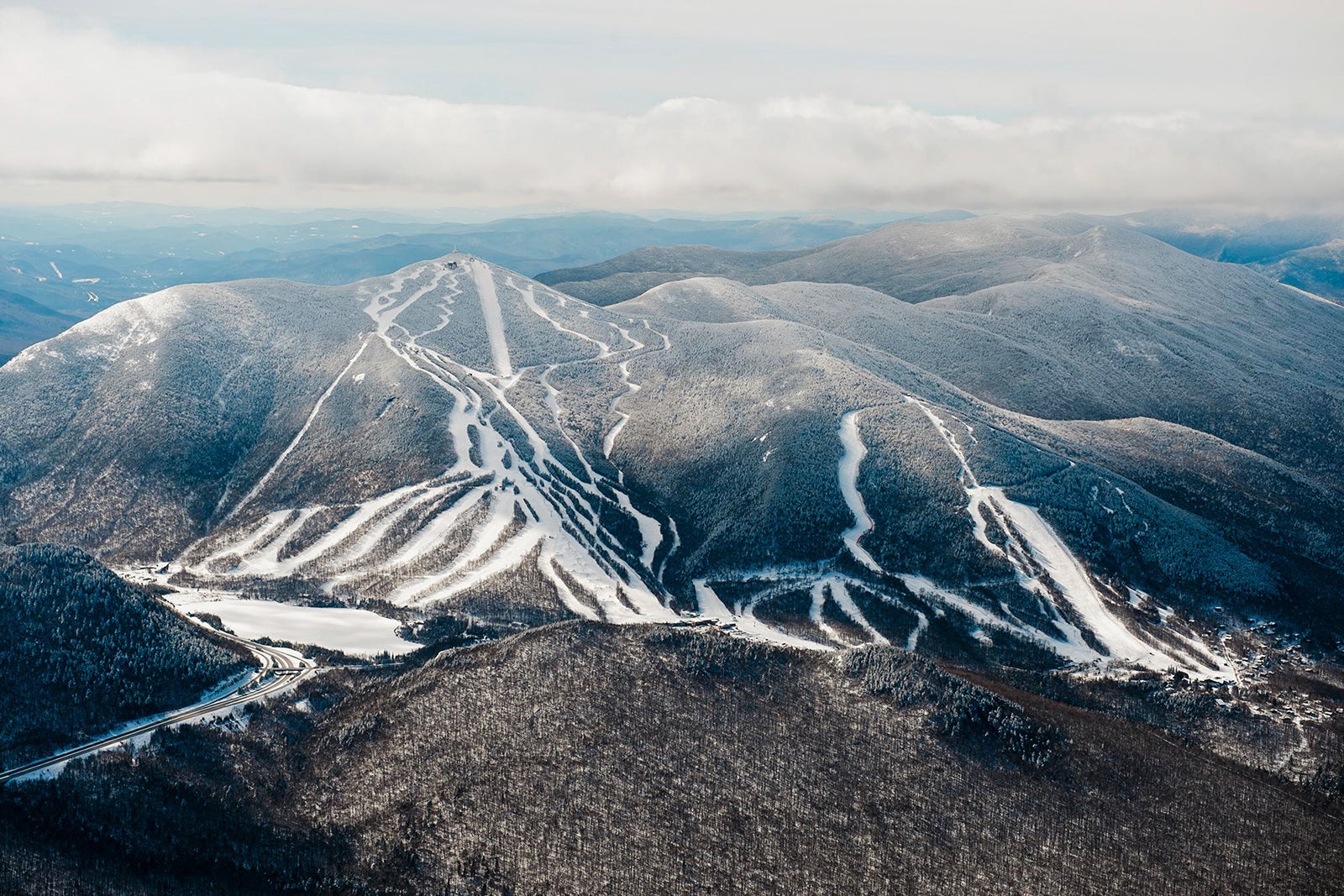
Located in Franconia Notch State Park in New Hampshire's White Mountains, Cannon Mountain is an iconic destination for New England skiers.
Cannon's aerial tram brings skiers to its 4,080-foot summit, offering the state's longest vertical drop and highest lift-accessed point. The ski area only has 285 acres of skiable terrain across two peaks and an average annual snowfall of 160 inches, but its north-facing slopes help preserve the snow even when other nearby resorts are having a difficult time.
Since there is no base village or on-site accommodations at Cannon, most people are there for skiing alone. The closest towns are Franconia and Lincoln, and both are less than 15 minutes away. Lincoln, home to Loon Mountain Resort, tends to be a bit busier than Franconia but has more to choose from for lodging and food.
SkiWelt Wilder Kaiser — Brixental, Austria
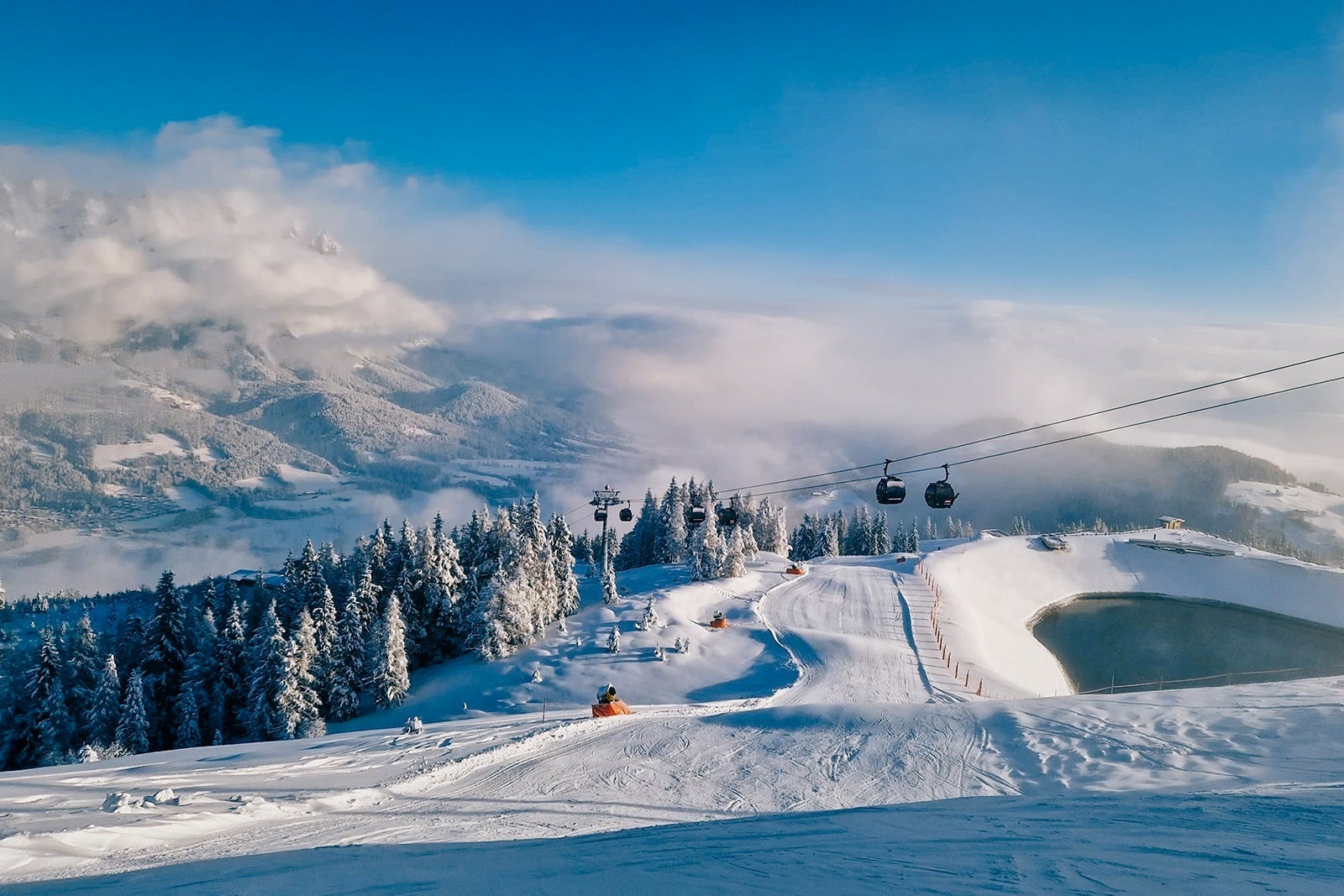
With over 170 miles of pistes, eight base villages and 91 lifts, Austria's SkiWelt is the largest interconnected ski area in the country and one of the largest in the eastern Alps.
Much of SkiWelt's terrain caters to beginner and intermediate skiers, with just 6% of the pistes rated black diamonds. Despite this, the ski area is so vast that expert skiers and riders will find plenty of off-piste terrain, especially on the steeper slopes of Westendorf, Austria, one of the villages.
Unlike many other "overlooked" ski resorts, SkiWelt's base villages offer plenty to see and do. There are several hotels, inns and apartments to choose from around the villages, and 75 huts are scattered across the slopes, perfect for grabbing a bite to eat or a quick drink between runs.
Eco-conscious skiers will feel good spending their money at SkiWelt, which relies heavily on sustainable energy. The ski resort is powered by local hydropower, and its lifts are powered by solar. Plus, its waste energy is used to heat various buildings.
SkiWelt is also an Indy Pass partner, though you'll likely need more than two days to explore the ski area. Passholders get a 25% discount on a third day, but the full-day ticket price is just $73 if three days isn't enough.
Sierra-at-Tahoe, California
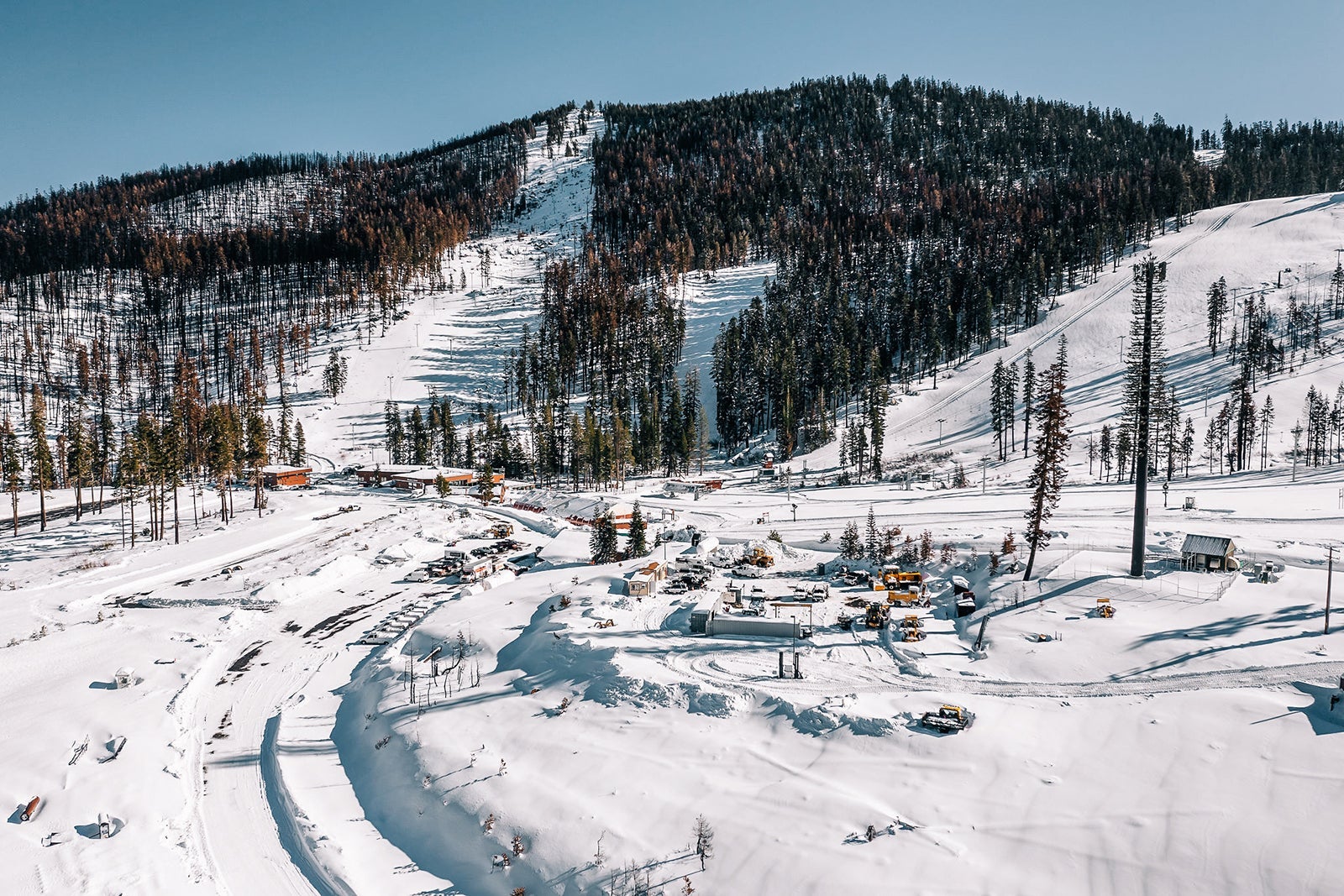
Located a 30-minute drive south of South Lake Tahoe, California, and a 1 1/2-hour drive from Reno, the Golden State's Sierra-at-Tahoe is a 2,000-acre ski area with a 2,212-foot vertical drop. It provides an alternate option to the area's more popular resorts, like Palisades Tahoe and Heavenly Mountain Resort.
The resort receives over 400 inches of snow annually and is a great hill for beginner and intermediate skiers since 75% of the pistes are rated green circles or blue squares (easier and more difficult). There's plenty of gladed and natural terrain for skiers and riders looking for a challenge, including the Huckleberry Bowl zone, a gated backcountry area.
There are several restaurants and bars around the resort, but lodging is mostly limited to vacation rentals and a few nearby inns and hotels. The closest town is South Lake Tahoe, which offers many more hotels, inns and lodges.
Sierra-at-Tahoe announced it will be on the Ikon Pass for the 2024-25 ski season, so buying a pass might be a good call if you plan on skiing any of its partner resorts for more than a handful of days.
Bottom line
Whether you're looking for a less-crowded alternative to places like Vail or an independently owned "local" hill, these under-the-radar ski areas across the U.S., Canada, Europe and Japan are worth visiting this season.
Related reading:
- From hidden gems to big names: Here are 11 of California's best ski resorts
- Plan your ski trip using points and miles: How to book flights, hotels, lift tickets and more
- 17 of our favorite ski-friendly resort hotels you can book using points
- 8 affordable ski resorts in the US and Canada
- The best ski resorts in the US for your next trip to the slopes
TPG featured card

at Capital One's secure site
Terms & restrictions apply. See rates & fees.
| 5X miles | Earn 5X miles on hotels, vacation rentals and rental cars booked through Capital One Travel |
| 2X miles | Earn unlimited 2X miles on every purchase, every day |
Pros
- Stellar welcome offer of 75,000 miles after spending $4,000 on purchases in the first three months from account opening. Plus, a $250 Capital One Travel credit to use in your first cardholder year upon account opening.
- You'll earn 2 miles per dollar on every purchase, which means you won't have to worry about memorizing bonus categories
- Rewards are versatile and can be redeemed for a statement credit or transferred to Capital One’s transfer partners
Cons
- Highest bonus-earning categories only on travel booked via Capital One Travel
- LIMITED-TIME OFFER: Enjoy $250 to use on Capital One Travel in your first cardholder year, plus earn 75,000 bonus miles once you spend $4,000 on purchases within the first 3 months from account opening - that’s equal to $1,000 in travel
- Earn unlimited 2X miles on every purchase, every day
- Earn 5X miles on hotels, vacation rentals and rental cars booked through Capital One Travel
- Miles won't expire for the life of the account and there's no limit to how many you can earn
- Receive up to a $120 credit for Global Entry or TSA PreCheck®
- Use your miles to get reimbursed for any travel purchase—or redeem by booking a trip through Capital One Travel
- Enjoy a $50 experience credit and other premium benefits with every hotel and vacation rental booked from the Lifestyle Collection
- Transfer your miles to your choice of 15+ travel loyalty programs
- Top rated mobile app