4 things that freak out airplane passengers but are completely normal to pilots

An old friend recently told me about her upcoming vacation and asked me questions to help curb her flying anxiety.
As a pilot, this happens often, but I don't mind answering the same questions time and time again — that's what good friends do. When I have my pilot uniform on, I also get the same questions from passengers.
The questions are sometimes obvious. Will my flight be bumpy? Will it get delayed? Are we going to crash? (Possibly, probably and no, if you were wondering what the answers are.) Other times, they can be more surprising.
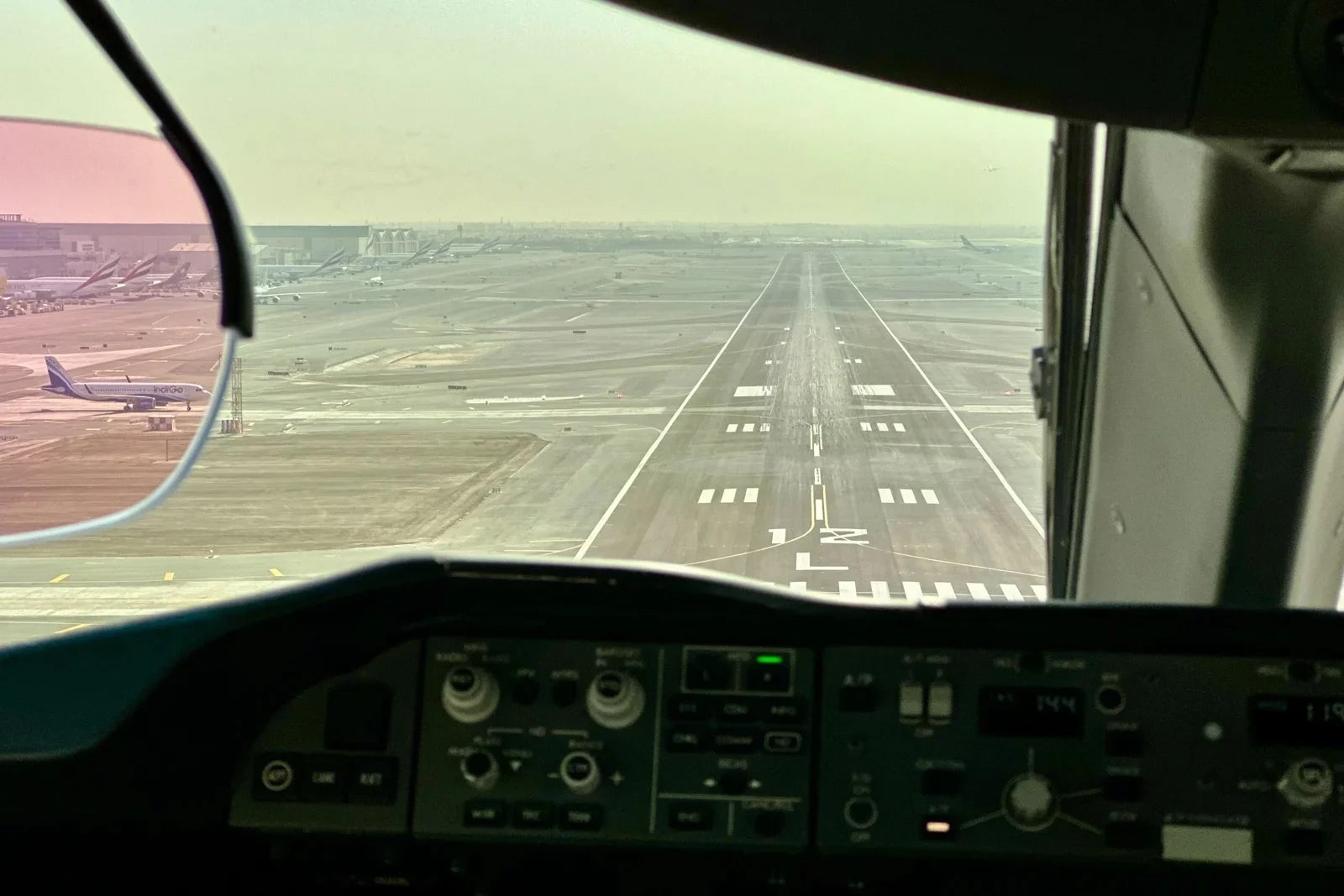
Many events that are alarming to passengers are completely normal to pilots. Not only do we, as pilots, see these incidents almost every time we go to work, but we also know exactly what is happening and can control it.
Lack of control and lack of understanding are two major reasons why someone may fear flying. While pilots can't give that control back to you, we can help solve that lack of understanding of certain scenarios so you feel more at ease the next time you travel.
Engine noises and motions after takeoff
Shortly after takeoff, you'll sometimes notice a reduction in noise from the engines. Depending on the flight, this can be undetectable or quite profound.
To make this moment worse, this sound is normally coupled with the sensation that the aircraft is starting to fall.
When you combine the aural sensation of engine noise reduction with the physical sensation of the aircraft "falling," it's understandable that some passengers get nervous. Rest assured, though, that the reality in the flight deck is quite different.
Very rarely do pilots take off with full power from engines. If pilots did this, they would use more fuel, create more noise and increase engine wear and tear. This is bad for the environment, bad for those living and working around the airport, and bad for the accountant's spreadsheet, as the engine would need maintenance sooner.

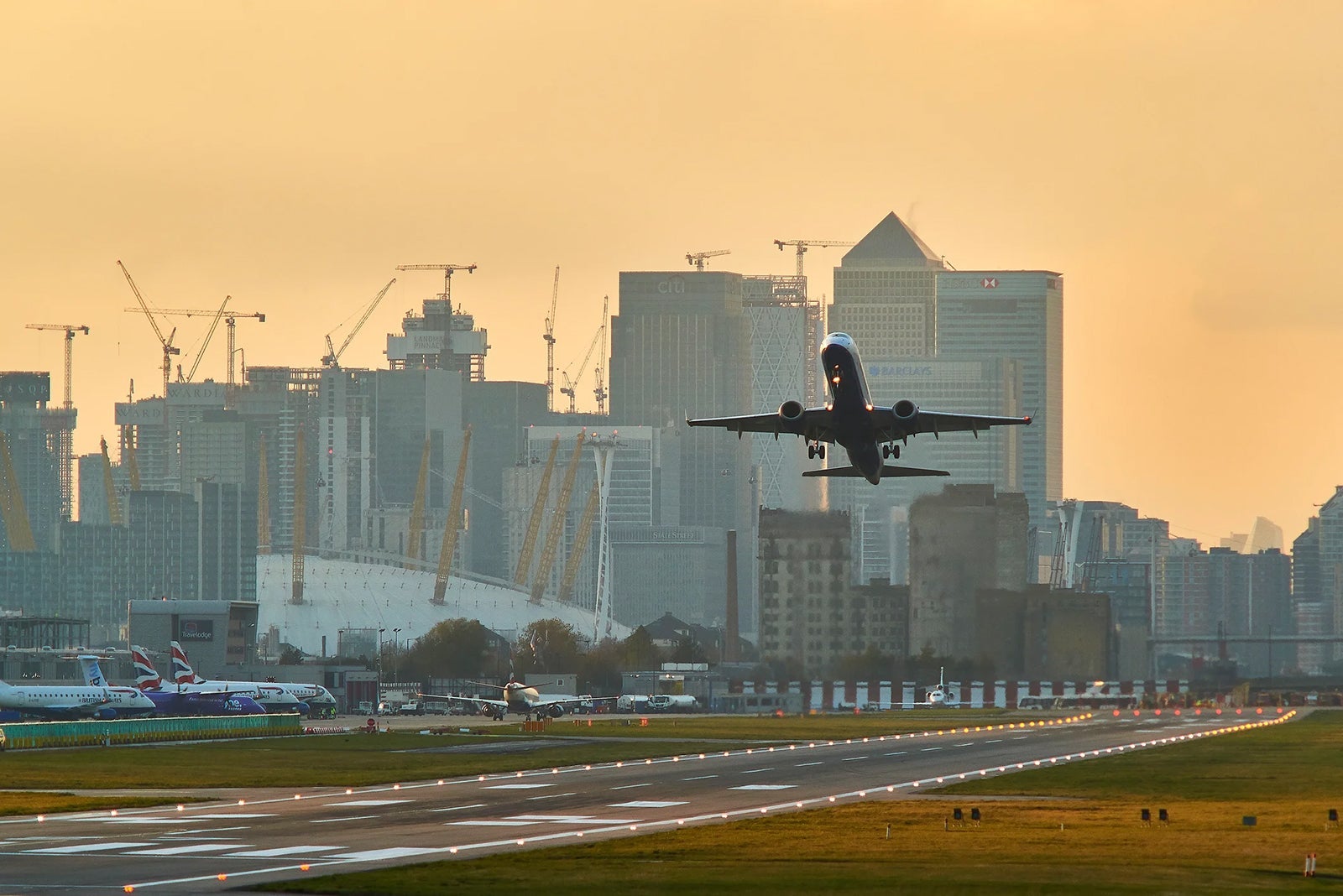
Instead, pilots consider the day's conditions and aim to use as much of the runway as possible. This enables them to use as little engine power as safely as possible, a process known as derated takeoff power.
Derated takeoff power is limited to 70% of the maximum available power. This ensures that if one engine fails at the critical stage of takeoff, there is still enough power on the other engine for the aircraft to climb safely away from the ground. This is more power than pilots need to climb to cruising altitude, so once the plane is a safe height above the ground (normally 1,000 feet), pilots can then reduce the engine power even further.
After finishing the initial climb, pilots then lower the nose of the aircraft by about 5 degrees. From the cabin, this may feel like the engines are failing and that the plane is falling. However, in the flight deck, pilots are simply changing the aircraft's flying characteristics for the next stage of flight.
Wing dips at an extreme angle
A window seat provides some of the best views in the house. There's nothing more awe-inspiring than taking in the views as you cruise over Greenland or watch the northern lights while flying through northern Canada at night.
However, for those who fear flying, the view of that massive wing structure can cause some concern — particularly when it comes to movement.
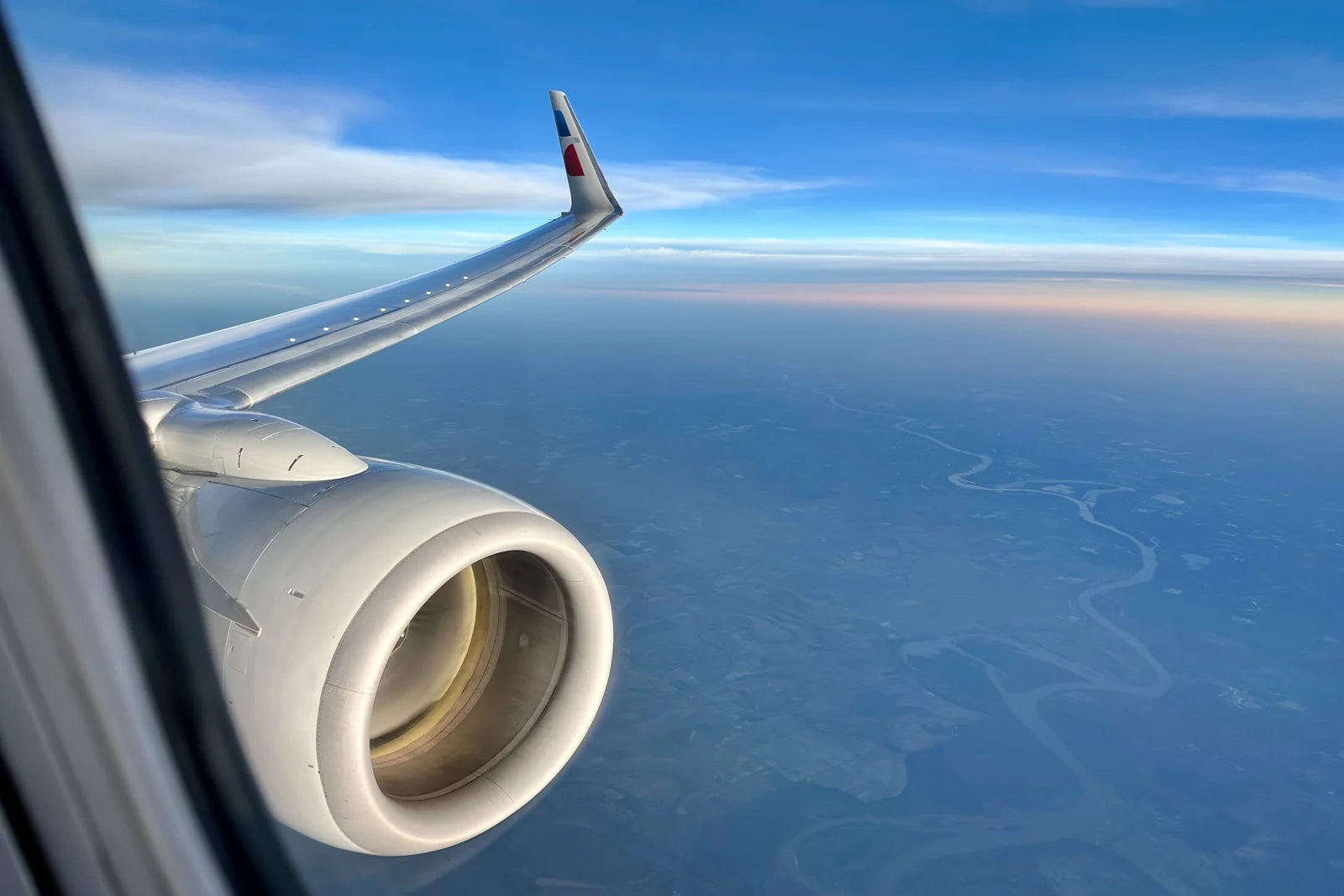
Like with all things in life, perspective is simply a viewpoint. If you're sitting near the middle of the aircraft, you'll probably have a clear view of that massive piece of metal that sticks straight out. If you watch the wingtip carefully during the takeoff run, you might notice it raise even higher as the whole wing flexes due to the increased lift.
Once up in the air, it may seem fairly stable and block your view of the ground before it suddenly dips, giving you a full view of the ground below. The tipping of the wing can be dramatic and make it feel like you're going to turn all the way over, but this motion shouldn't cause concern.
The main way pilots turn aircraft is by rolling about the longitudinal axis of the aircraft. However, the wings do not dip as far as you might imagine.
If you're sitting over the wing, it may feel like the aircraft has done a full 90-degree roll and the wing is now pointing at the ground, but in reality, the angle of bank — the angle at which planes roll — rarely exceeds 25 degrees. This is because commercial airliners have bank limiters that make it so the wings are automatically rolled back to level when surpassing 30 degrees, keeping the plane from being able to roll all the way over.
Go-arounds
Go-arounds are often one of the most dramatic experiences for a passenger. After hours of sitting in your seat, the ground is finally in sight and the long journey is nearly over. Then, out of the blue, you feel the nose of the aircraft pitch up, and the gentle hum of the engines suddenly increases to a screaming roar. You're pushed back in your seat, and you're heading skyward again.
A whole range of factors could cause a go-around. Maybe cloud or fog is obscuring the view of the runway, strong winds are making a safe landing unlikely or the plane is getting too close to another aircraft. Go-arounds may even occur because passengers in the cabin don't sit down soon enough, forcing the pilots to break off the approach and start again.
Even though pilots don't plan a go-around, those in the flight deck are always prepared for them. Before every approach, the flight deck always talks about what the plan is, how to carry out the plan and, most importantly, what will happen if things don't go according to plan. If the latter occurs, it's often easiest (and safest) to go back and start again.
Changes in altitude
While it's well known that altitude changes occur during takeoff and landing, they may also take place during other parts of the flight, especially on long-haul flights. This is because a large proportion of the aircraft weight is the fuel in the wing tanks, limiting how high pilots can climb at the beginning of a flight.
As fuel gets used and the aircraft becomes lighter, pilots can make a steep climb — or climb to a higher, more fuel-efficient altitude.
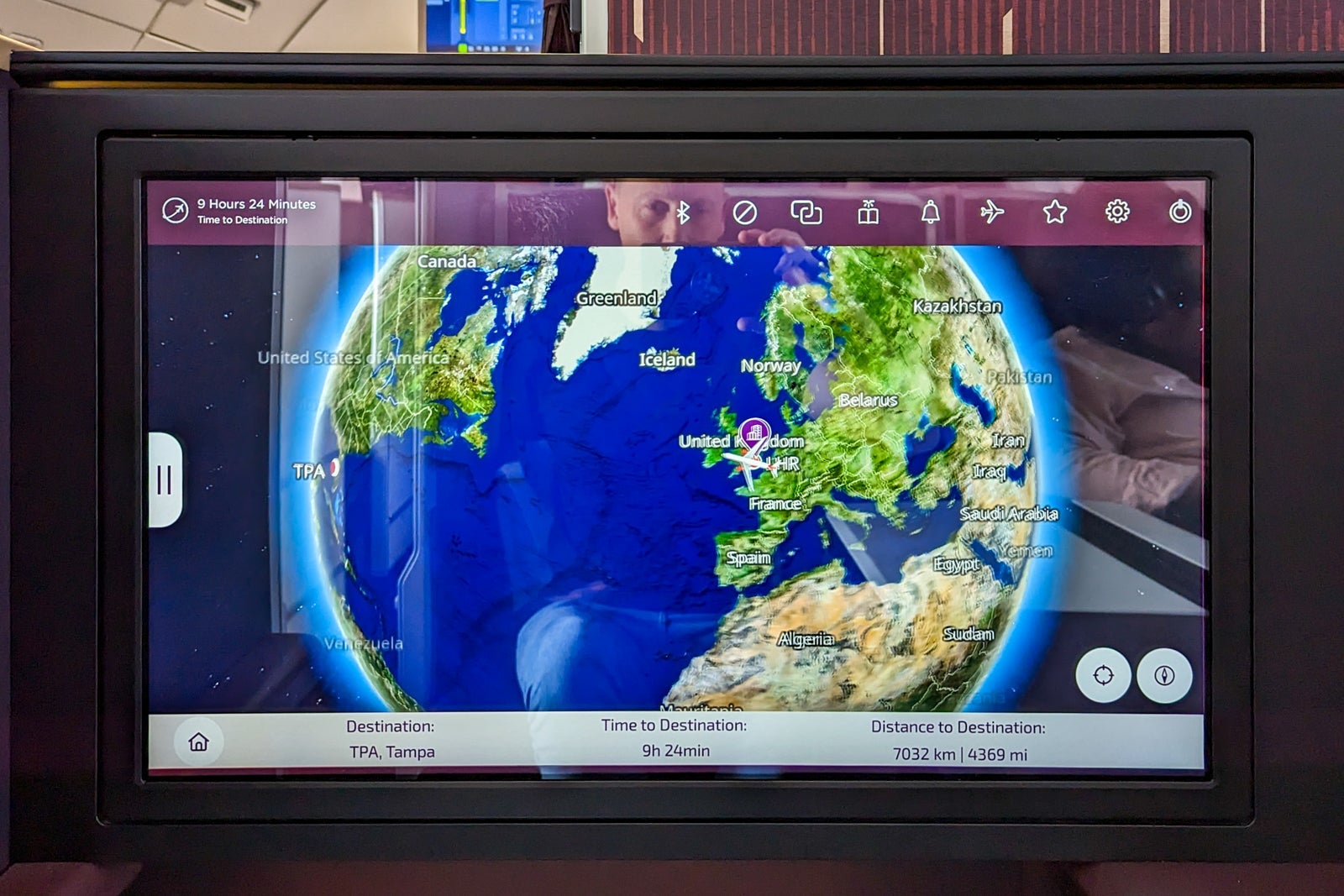
This process is a normal flight phase that passengers are rarely notified of, so while you may notice a subsequent increase in engine noise (especially in the back of the aircraft) or numbers changing on the map on your entertainment screen, you shouldn't worry.
Bottom line
Like driving a car, flying an aircraft becomes second nature to pilots. We're so used to the noises, sounds and smells that we barely notice many of the things passengers worry about.
The next time you fly, you can rest assured that no matter how alien some aspects of your flight may seem to you, your pilots know exactly what they are doing.
TPG featured card
at American Express's secure site
Terms & restrictions apply. See rates & fees.
| 4X | Earn 4X Membership Rewards® points per dollar spent on purchases at restaurants worldwide, on up to $50,000 in purchases per calendar year, then 1X points for the rest of the year. |
| 4X | Earn 4X Membership Rewards® points per dollar spent at US supermarkets, on up to $25,000 in purchases per calendar year, then 1X points for the rest of the year. |
| 5X | Earn 5X Membership Rewards® points on prepaid hotel stays booked through AmexTravel.com or the Amex Travel App™. |
| 3X | Earn 3X Membership Rewards® points on flights booked through AmexTravel.com, the Amex Travel App™, or purchased directly from airlines. |
| 2X | Earn 2X Membership Rewards® points on prepaid car rentals booked through AmexTravel.com or the Amex Travel App™ and cruises booked and paid through AmexTravel.com. |
| 1X | Earn 1X Membership Rewards® point per dollar spent on all other eligible purchases. |
Pros
- Valuable dining and food-related credits
- Flexible rewards with airline and hotel transfer partners
- Multiple travel and purchase protections
- No foreign transaction fees
- Access to Amex Offers for additional savings (enrollment required)
Cons
- Not as useful for those living outside the U.S.
- Some may have trouble using Uber and other dining credits
- You may be eligible for as high as 100,000 Membership Rewards® Points after you spend $8,000 in eligible purchases on your new Card in your first 6 months of Card Membership. Welcome offers vary and you may not be eligible for an offer. Apply to know if you’re approved and find out your exact welcome offer amount – all with no credit score impact. If you’re approved and choose to accept the Card, your score may be impacted.
- Earn 4X Membership Rewards® points per dollar spent on purchases at restaurants worldwide, on up to $50,000 in purchases per calendar year, then 1X points for the rest of the year.
- Earn 4X Membership Rewards® points per dollar spent at US supermarkets, on up to $25,000 in purchases per calendar year, then 1X points for the rest of the year.
- Earn 5X Membership Rewards® points on prepaid hotel stays booked through AmexTravel.com or the Amex Travel App™.
- Earn 3X Membership Rewards® points on flights booked through AmexTravel.com, the Amex Travel App™, or purchased directly from airlines.
- Earn 2X Membership Rewards® points on prepaid car rentals booked through AmexTravel.com or the Amex Travel App™ and cruises booked and paid through AmexTravel.com.
- Earn 1X Membership Rewards® point per dollar spent on all other eligible purchases.
- Pay It® lets you tap in the American Express® App to quickly pay for small purchase amounts throughout the month and still earn rewards the way you usually do. Plan It® gives you the option to split up big purchases into equal monthly payments with a fixed fee. You’ll know upfront exactly how much you’ll pay.
- $120 Dining Credit: Earn up to a total of $10 in statement credits monthly when you pay with the Gold Card at Grubhub (including Seamless), Buffalo Wild Wings, Five Guys, The Cheesecake Factory, and Wonder. This can be an annual savings of up to $120. Enrollment required.
- $100 Resy Credit: Get up to $100 in statement credits each calendar year at over 10,000 qualifying U.S. Resy restaurants after you pay for eligible purchases with the American Express® Gold Card. That’s up to $50 in statement credits semi-annually. Enrollment required.
- $84 Dunkin' Credit: Earn up to $7 in monthly statement credits after you pay with the American Express® Gold Card at U.S. Dunkin’ locations. Enrollment required.
- $120 Uber Cash on Gold: Enjoy up to $120 in Uber Cash annually with your Gold Card. Just add your Card to your Uber account and you'll get $10 in Uber Cash each month to use on orders and rides in the U.S. when you select an Amex Card for your transaction.
- Enjoy complimentary Hertz Five Star® Status benefits like skipping the counter at select locations, adding an additional driver at no additional cost*, and vehicle upgrades**. Benefit enrollment and Hertz Gold+ registration are required. *Additional drivers must meet standard rental qualifications and must be a spouse or domestic partner to qualify as complimentary. Other additional drivers subject to fees. **Benefits are subject to availability and vary by location. Additional Hertz program Terms and Conditions including age restrictions apply.
- Book two nights or more with The Hotel Collection through AmexTravel.com or the Amex Travel App™ and receive a $100* credit towards eligible charges at over 1,400 upscale hotels worldwide. *Eligible charges vary by property.
- Book your travel through the Amex Travel App™ with added peace of mind – backed by American Express® service and support. Only for American Express® Card Members.
- Whenever you need us, we're here. Our Member Services team will ensure you are taken care of. From lost Card replacement to statement questions, we are available to help 24/7.
- No Foreign Transaction Fees.
- Annual Fee is $325.
- Terms Apply.