
5 Ways to Keep Your Credit Score in Shape Once You Retire
If you're nearing retirement with a high credit score, you're in good company, according to FICO: "In general, older consumers score higher than younger consumers." Its data shows more than 30% of Americans 60 years or older have a FICO score of 800 or higher (about half as many 40 to 49 year olds fall in that same score bracket).
But baby boomers also are actively doing things that could be harmful to their credit scores. More than one-third of older adults are "reducing their reliance on credit cards, behavior that may actually result in account closures and ultimately, credit score reductions," according to the credit bureau TransUnion.
This is one big reason you should continue to use credit responsibly — even if you're not planning to take advantage of sign-up bonuses in retirement. Ignoring your credit could make it harder to refinance your mortgage or get an auto loan. Even if you don't plan to take out any more loans, a credit downturn could negatively affect your insurance premiums.
If you already have good credit, you likely know what goes into a good credit score. The same factors apply when you're no longer a part of the workforce.
One important factor may also be a reason older adults' credit scores tend to be higher: the age of your credit accounts. The length of your credit history makes up 15% of your credit score. Since older Americans have more history on their side in general, it stands to reason that they might also have more credit history.
Why Getting Credit Could Be More Difficult
Three big characteristics shared by retired consumers have no direct bearing on credit scores: age, employment status and income. Your retirement alone will not change your credit score, but your credit behavior in retirement may.
If you have less income in retirement, that won't affect your score, either, but it could affect your ability to get credit, says Rod Griffin, the director of public education at the credit bureau Experian. That's because the Credit Card Accountability Responsibility and Disclosure Act (CARD Act) requires that card issuers evaluate a consumer's ability to pay before opening a new credit card account.
Your reduced income could also reduce your ability to pay in the eyes of creditors — particularly if you're carrying a similar level of debt as you were when you were employed. Issuers will look at your debt-to-income (DTI) ratio before making a decision. That's the amount of income you have coming in every month compared with the total amount you owe. Lenders generally want to see a DTI ratio of 36% or less.
While mortgage lenders require proof of income before making a lending decision, credit card issuers generally know about your basic income because you volunteered the information when they asked. They may also use models to estimate your income in rendering a decision, Griffin says.
Lying about your income is against the law. Don't do it. But you should make sure to include all eligible sources of income if asked, including disability benefits, investment income and disbursement of retirement savings. You can also include other household income your spouse or partner earns if he or she hasn't retired or also is drawing down on Social Security or other retirement income.
What You Can Do to Keep Your Credit Score High
You earned your good credit score because of your good credit behaviors. You can keep that solid score in retirement if you follow similar steps:
- Always pay on time. Your payment history makes up 35% of your credit score. If your income in retirement has decreased enough to make it difficult for you to keep up with your debt obligations, your score is going to suffer.
- Keep your balances low, relative to the amount of credit you have available. The amounts you owe your credit card and mortgage lenders also is a huge factor in your credit score; it accounts for 30% of your score.
- Check your credit. Pull your credit reports to check for errors and evidence of account fraud. Both could have negative impacts on your credit.
- Don't close accounts with a lengthy history. It might not affect your score for years, but closing your oldest accounts could eventually affect your average age of accounts, a factor in your score. Doing so could have a more immediate impact on your credit-utilization ratio, particularly if you maintain the same level of credit use across all your card accounts as you did before closing the one card.
- Keep credit accounts active. Even if you have reduced credit card spending in retirement, it's a good idea to keep those cards in use. You could face two less-than-ideal situations otherwise: The issuer could close the card for lack of activity or the card could be removed from consideration in setting your credit score. Credit cards need three to six months of consecutive activity to be included in the score determination, Griffin says. "So if you don't use your account for a year, it could lack sufficient information to be included in the score," he says. If you have small, recurring monthly charges, consider putting them on a card for this reason.
Bottom Line
Worry about keeping your credit score in good standing in retirement, but don't worry about how retirement itself will affect it. It won't. This may be a good time to withdraw from the cares and problems of the working world, but it's not a good time to start ignoring your personal finances. Just 16% of the respondents to that TransUnion study mentioned at the top of this post cited concern about maintaining credit health as a top financial priority when preparing for retirement. This is an attitude that could come back to bite you.
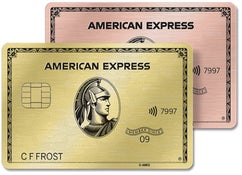
TPG featured card
at American Express's secure site
Terms & restrictions apply. See rates & fees.
| 4X | Earn 4X Membership Rewards® points per dollar spent on purchases at restaurants worldwide, on up to $50,000 in purchases per calendar year, then 1X points for the rest of the year. |
| 4X | Earn 4X Membership Rewards® points per dollar spent at US supermarkets, on up to $25,000 in purchases per calendar year, then 1X points for the rest of the year. |
| 5X | New! Earn 5X Membership Rewards® points on prepaid hotel stays booked through AmexTravel.com or the Amex Travel App. |
| 3X | Earn 3X Membership Rewards® points on flights booked through AmexTravel.com, the Amex Travel App, or purchased directly from airlines. |
| 2X | Earn 2X Membership Rewards® points on prepaid car rentals booked through AmexTravel.com or the Amex Travel App and cruises booked and paid through AmexTravel.com. |
| 1X | Earn 1X Membership Rewards® point per dollar spent on all other eligible purchases. |
Pros
- Valuable dining and food-related credits
- Flexible rewards with airline and hotel transfer partners
- Multiple travel and purchase protections
- No foreign transaction fees
- Access to Amex Offers for additional savings (enrollment required)
Cons
- Not as useful for those living outside the U.S.
- Some may have trouble using Uber and other dining credits
- You may be eligible for as high as 100,000 Membership Rewards® Points after you spend $8,000 in eligible purchases on your new Card in your first 6 months of Card Membership. Welcome offers vary and you may not be eligible for an offer. Apply to know if you’re approved and find out your exact welcome offer amount – all with no credit score impact. If you’re approved and choose to accept the Card, your score may be impacted.
- Earn 4X Membership Rewards® points per dollar spent on purchases at restaurants worldwide, on up to $50,000 in purchases per calendar year, then 1X points for the rest of the year.
- Earn 4X Membership Rewards® points per dollar spent at US supermarkets, on up to $25,000 in purchases per calendar year, then 1X points for the rest of the year.
- New! Earn 5X Membership Rewards® points on prepaid hotel stays booked through AmexTravel.com or the Amex Travel App.
- Earn 3X Membership Rewards® points on flights booked through AmexTravel.com, the Amex Travel App, or purchased directly from airlines.
- Earn 2X Membership Rewards® points on prepaid car rentals booked through AmexTravel.com or the Amex Travel App and cruises booked and paid through AmexTravel.com.
- Earn 1X Membership Rewards® point per dollar spent on all other eligible purchases.
- Pay It® lets you tap in the American Express® App to quickly pay for small purchase amounts throughout the month and still earn rewards the way you usually do. Plan It® gives you the option to split up big purchases into equal monthly payments with a fixed fee. You’ll know upfront exactly how much you’ll pay.
- Updated! $120 Dining Credit: Earn up to a total of $10 in statement credits monthly when you pay with the Gold Card at Grubhub (including Seamless), Buffalo Wild Wings, Five Guys, The Cheesecake Factory, and Wonder. This can be an annual savings of up to $120. Enrollment required.
- $100 Resy Credit: Get up to $100 in statement credits each calendar year at over 10,000 qualifying U.S. Resy restaurants after you pay for eligible purchases with the American Express® Gold Card. That’s up to $50 in statement credits semi-annually. Enrollment required.
- $84 Dunkin' Credit: Earn up to $7 in monthly statement credits after you pay with the American Express® Gold Card at U.S. Dunkin’ locations. Enrollment required.
- $120 Uber Cash on Gold: Enjoy up to $120 in Uber Cash annually with your Gold Card. Just add your Card to your Uber account and you'll get $10 in Uber Cash each month to use on orders and rides in the U.S. when you select an Amex Card for your transaction.
- New! As an American Express® Gold Card Member, you can enjoy complimentary Hertz Five Star® Status. Enjoy benefits like skipping the counter at select locations, adding an additional driver at no additional cost*, and vehicle upgrades**. Benefit enrollment and Hertz Gold+ registration are required. *Additional drivers must meet standard rental qualifications and must be a spouse or domestic partner to qualify as complimentary. Other additional drivers subject to fees. **Benefits are subject to availability and vary by location. Additional Hertz program Terms and Conditions including age restrictions apply.
- Take advantage of a $100 credit towards eligible charges* at over 1,300 upscale hotels worldwide when you book The Hotel Collection through AmexTravel.com or the Amex Travel App **. *Eligible charges vary by property. **The Hotel Collection requires a two-night minimum stay.
- Book your travel through the Amex Travel App with added peace of mind – backed by American Express® service and support. Only for American Express® Card Members.
- Whenever you need us, we're here. Our Member Services team will ensure you are taken care of. From lost Card replacement to statement questions, we are available to help 24/7.
- No Foreign Transaction Fees.
- Annual Fee is $325.
- Terms Apply.

