The Best Times to Visit Yellowstone

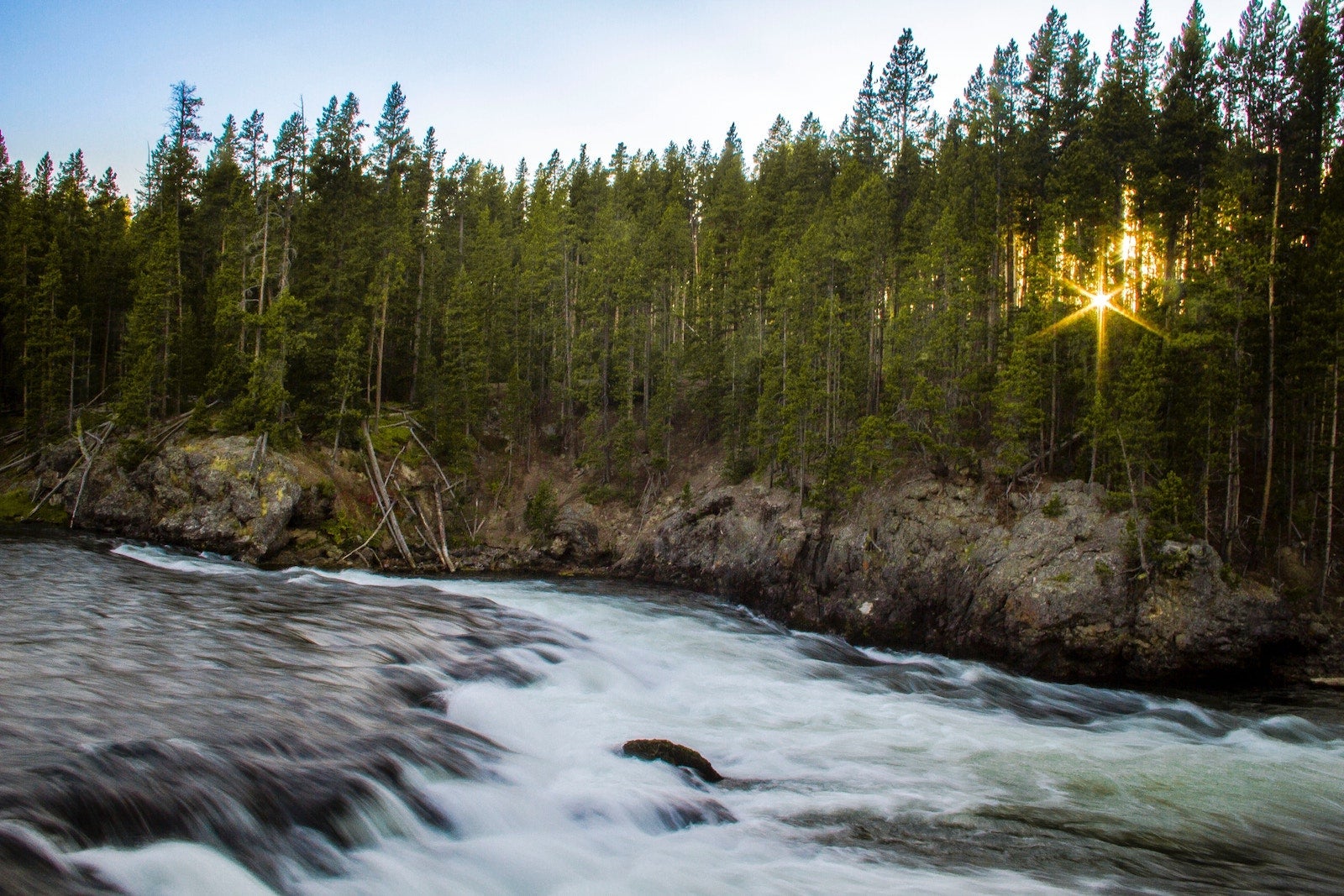
With approximately four million visitors each year, Yellowstone is one of the nation's most popular parks — and rightfully so.
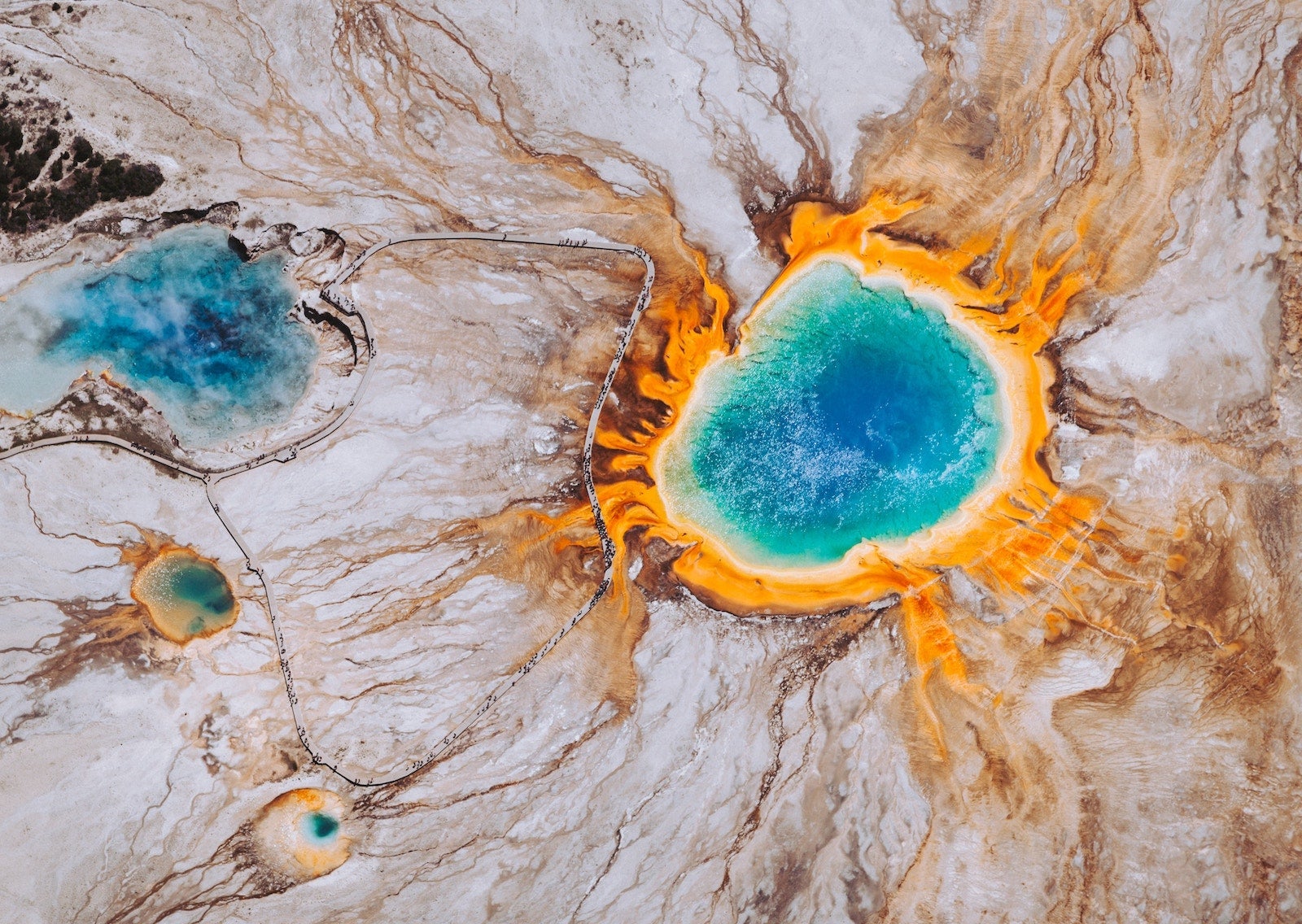
The park sits on top of the Yellowstone Caldera — the largest supervolcano in North America — and is home to approximately 10,000 geothermal features. Visitors stare in awe as the famous Old Faithful geyser erupts throughout the day, spewing up to 8,400 gallons of scalding water over 100 feet in the air, or at the steam rising from the Grand Prismatic hot springs.
But the geothermal features aren't the only draw. Largely in Wyoming but stretching into Montana and Idaho, too, the park's 2.2 million acres are home to a diverse variety of wildlife such as bison, mountain goats and elk. The mountainous landscape is also ideal for downhill and cross-country skiing, hiking and fishing.
When it comes to determining the "best" time to visit Yellowstone, it ultimately depends on what kind of trip you hope to have. Do you want to strap on your skis and head into the backcountry, or are you in search of warm, dry weather? Does your dream Yellowstone trip include wildlife sightings, cheap flights or thin crowds?
Plan accordingly, visit at the right time and you'll have an incredible trip to this national treasure.
The Best Weather in Yellowstone
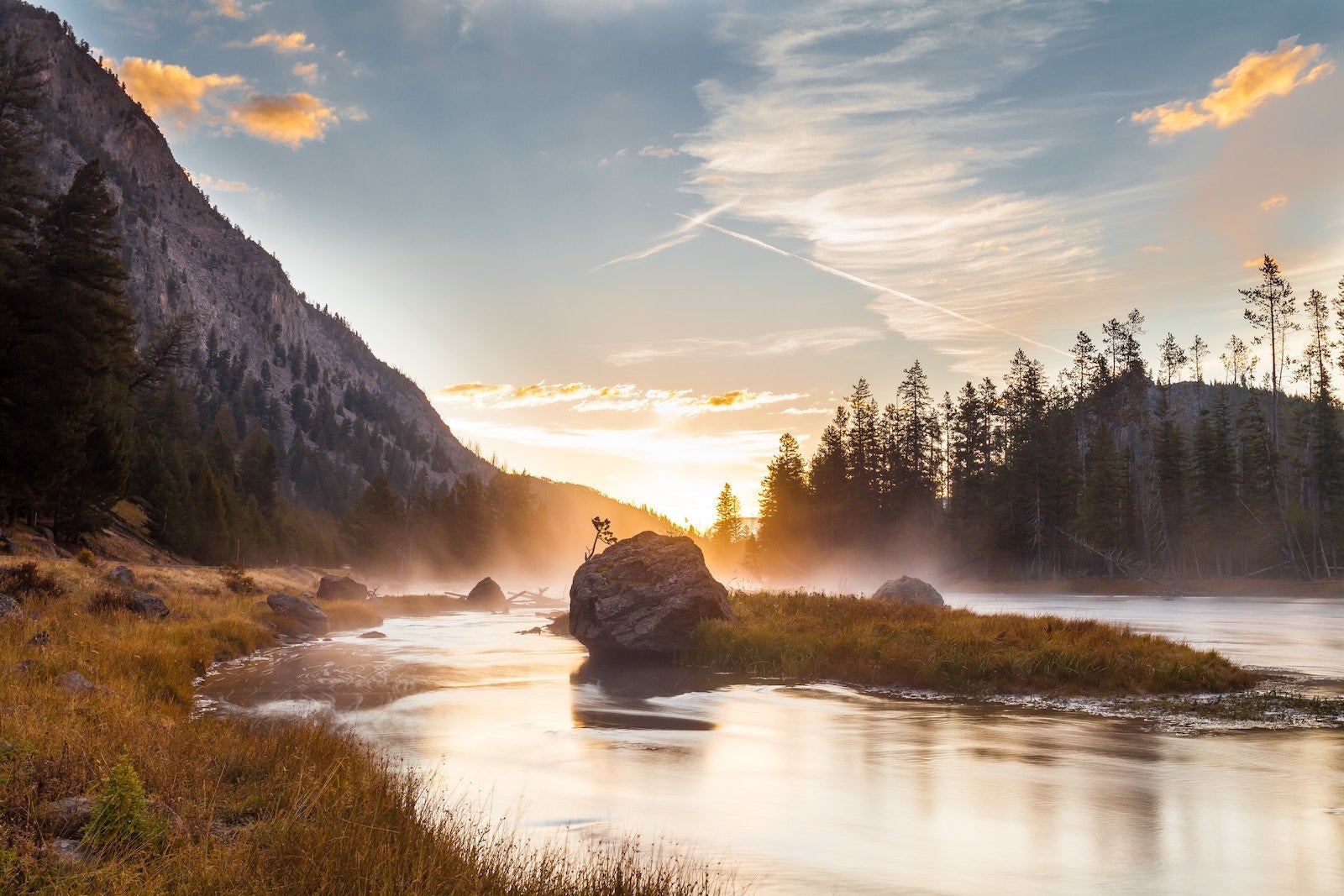
As is true of any high-elevation mountainous region, weather can vary significantly and be unpredictable. Overall, July through September are the warmest and driest months in Yellowstone, with highs reaching into the 70s in July and August, and dropping to the 60s in September. On average, there are between five and seven days of rain during this time. Highs in the spring and fall are usually between 30 and 60 degrees, and between zero and 20 during the winter. It is not uncommon to see snow at higher elevations during any month of the year, so be sure to pack warm layers and waterproof gear.
When to Visit Yellowstone for Events
While there are isn't much scheduled in the spring, there are plenty of programs and events to participate in during the winter, summer and fall. In the winter, the park offers ranger-led guided snowshoe walks and the Geysers Galore talk, in addition to other educational activities. In the summer and fall, there are a variety of guided walks, talks, programs and events such as the Junior Ranger Wildlife Olympics and the Geyser Hill walk.
In terms of geothermal events, the park is geothermally active year round. During the winter, however, the steam from erupting geysers and hot springs looks especially lovely against the snow-covered landscape.
The Best Time to see Wildlife in Yellowstone
Yellowstone is known for its abundant wildlife that can be viewed year-round. However, if there is a specific species you're hoping to photograph (or, well, Instagram), some months are better than others.

Wildlife in the Spring
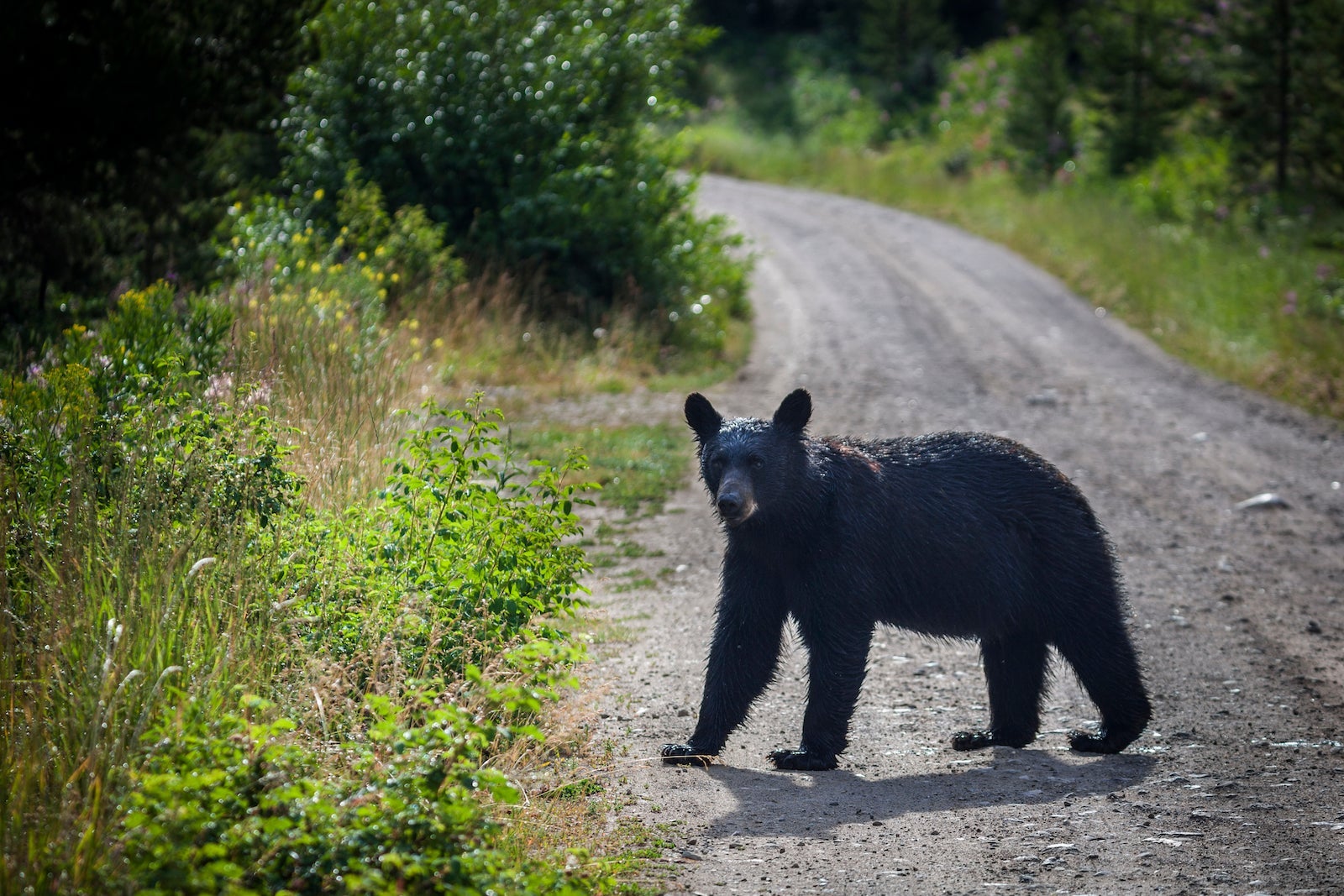
Many animals such as elk, bison, bears and wolves can be found in the meadows and valleys during the spring, which runs from April through early June.
Wildlife in the Summer
When summer arrives, many of the species living in Yellowstone (save for bison) head to higher elevations in search of cooler temperatures, so expect fewer sightings between mid-June and August.
Wildlife in the Fall
The animals return to the meadows and valleys in the fall (September through October). This is an especially great time to witness elk rutting, when male elk, or bulls, try to impress the female elk. Expect a lot of loud bugling, the occasional duel and, more than anything, a bunch of elk strutting around showing off.
Wildlife in the Winter
Winter, which runs from November through March, is also a surprisingly great time to view wildlife. Animals remain near the valleys and can sometimes be seen keeping warm near a geyser or hot spring. It is also the best time to view wolves. The bighorn sheep rut occurs during the early winter months, too.
But no matter what month you visit Yellowstone, it's extremely important to remember that wildlife is just that: wild. Be sure to never feed or touch any animals and always view them from a safe distance.
When to Avoid the Crowds
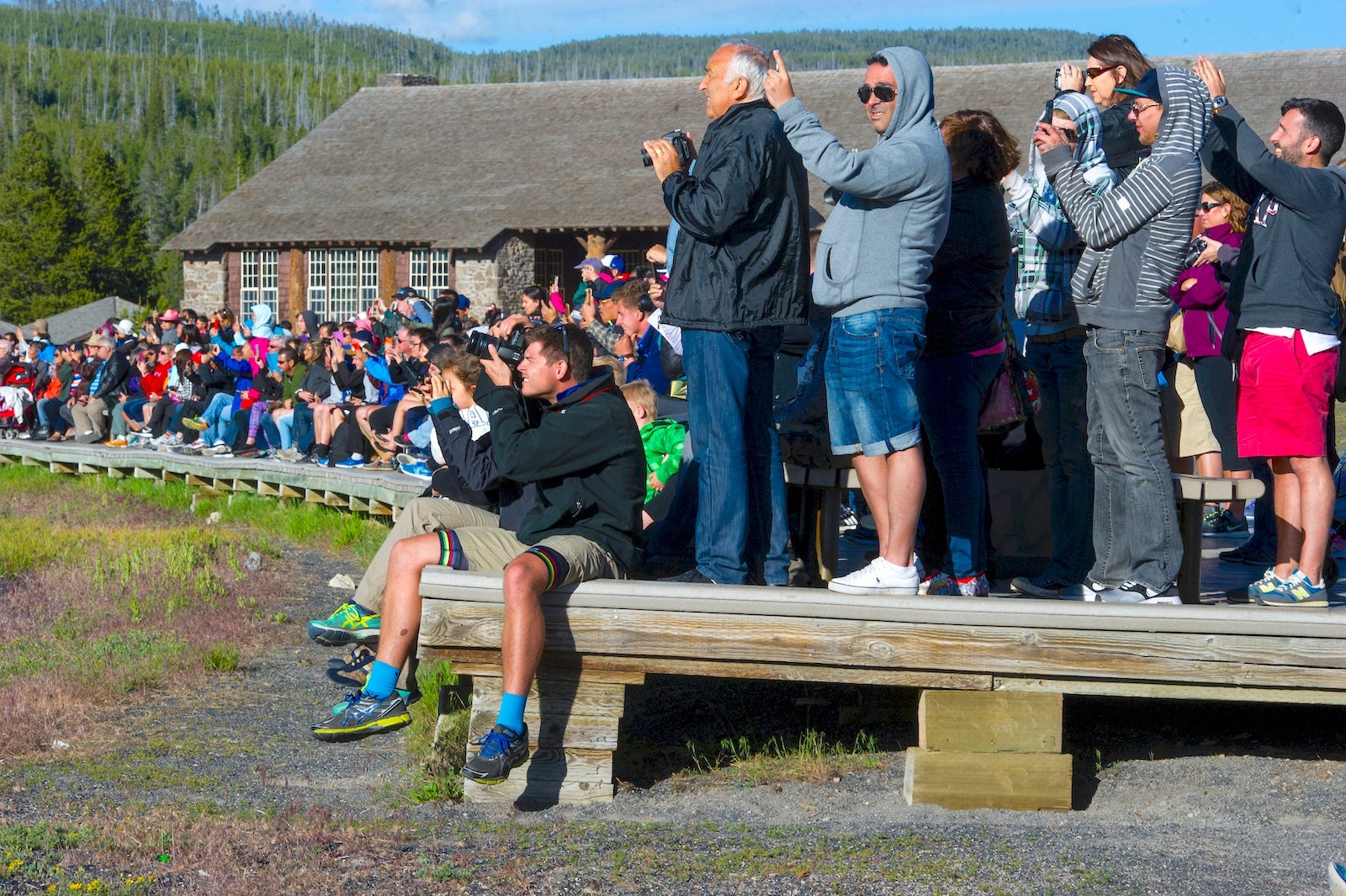
From November through March, frigid temperatures drive away the park's notorious crowds. While not all travelers are willing to face the freezing weather to have some one-on-one time with Old Faithful, those who are will be rewarded with a serene, quiet landscape blanketed in white. October and April are also slower months and see far fewer tourists — and daily highs can exceed freezing. It's a win-win!
Just remember, services are limited during the winter, so be sure to check for road closures and service availability before making any plans.
The Cheapest Time to Visit Yellowstone
Flights and lodging are usually cheapest during the shoulder season (spring) and winter, which is Yellowstone's slow season. Prices usually tend to drop after Labor Day and don't begin to rise until March. Of course, airfare trends vary depending on location of origin.
Affordable Airfare
Based on historical data from 2017 and 2018 from the travel search engine Skyscanner.com, flights to Jackson Hole Airport (JAC) — which is just 49 miles to the South Entrance of the park — from New York and Los Angeles are cheapest in March. If you're coming from Chicago, however, flight prices drop in May. You may have better luck finding cheap flights to Yellowstone from Washington, DC in July and August.
Affordable Hotels
According to historical data collected by Priceline in 2017 and 2018 at the nearby towns of Cody, Gardiner, Jackson and Island Park, lodging was most expensive in June and July and cheapest in November and December. Overall, Cody, Wyoming is the cheapest place to stay regardless of month.
If you're looking to cash in points for a free stay any time of year, you can use 25,000 World of Hyatt points at the Rusty Parrot Lodge & Spa in Jackson; 35,000 Marriott Bonvoy points at the Springhill Suites also in Jackson; and, during peak season, 70,000 Hilton Honors points at the Homewood Suites in Jackson. Rates drop as low as 42,000 points per night during the winter. And, since Hilton doesn't maintain a public award chart with categories, your mileage may vary.

TPG featured card

at Capital One's secure site
Terms & restrictions apply. See rates & fees.
| 5X miles | Earn 5X miles on hotels, vacation rentals and rental cars booked through Capital One Travel |
| 2X miles | Earn unlimited 2X miles on every purchase, every day |
Pros
- Stellar welcome offer of 75,000 miles after spending $4,000 on purchases in the first three months from account opening. Plus, a $250 Capital One Travel credit to use in your first cardholder year upon account opening.
- You'll earn 2 miles per dollar on every purchase, which means you won't have to worry about memorizing bonus categories
- Rewards are versatile and can be redeemed for a statement credit or transferred to Capital One’s transfer partners
Cons
- Highest bonus-earning categories only on travel booked via Capital One Travel
- LIMITED-TIME OFFER: Enjoy $250 to use on Capital One Travel in your first cardholder year, plus earn 75,000 bonus miles once you spend $4,000 on purchases within the first 3 months from account opening - that’s equal to $1,000 in travel
- Earn unlimited 2X miles on every purchase, every day
- Earn 5X miles on hotels, vacation rentals and rental cars booked through Capital One Travel
- Miles won't expire for the life of the account and there's no limit to how many you can earn
- Receive up to a $120 credit for Global Entry or TSA PreCheck®
- Use your miles to get reimbursed for any travel purchase—or redeem by booking a trip through Capital One Travel
- Enjoy a $50 experience credit and other premium benefits with every hotel and vacation rental booked from the Lifestyle Collection
- Transfer your miles to your choice of 15+ travel loyalty programs
- Top rated mobile app