If you've seen the Smithsonian museums, visit these 6 lesser-known DC landmarks next

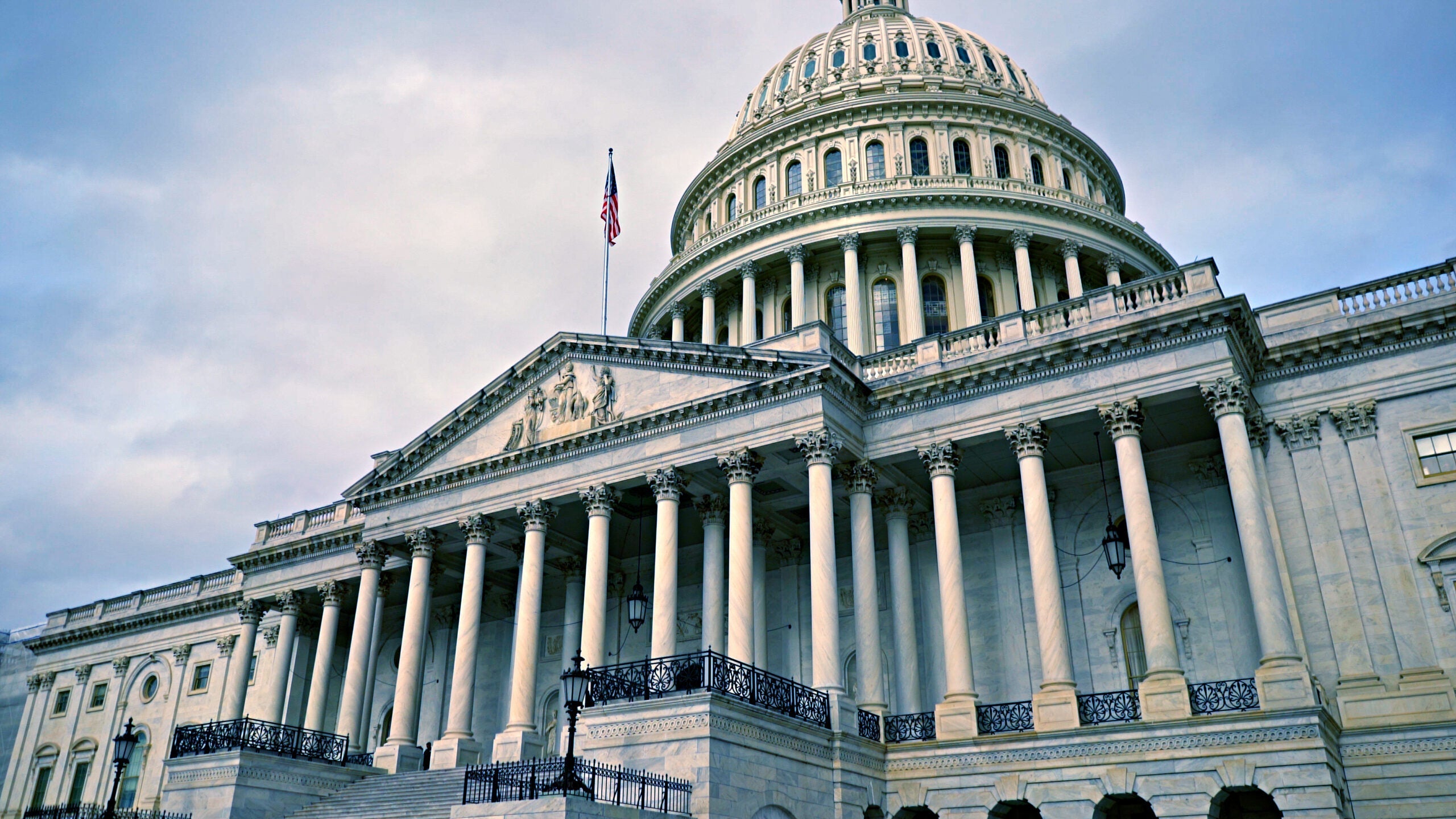
Between the world-class Smithsonian museums and the stunning monuments that light up when the sun goes down, our nation's capital is steeped in American history and culture. Even on a short trip to Washington, D.C., you'll want to leave time to visit the city's most famous attractions.
But let's face it — even history buffs are prone to museum fatigue. If you're a repeat visitor looking for new sites, there are some superb, lesser-known historical landmarks in the area. Why not visit former presidents' homes, a historic restaurant or the great outdoors instead?
I think the best parts of historical sightseeing are the stories from face-to-face interactions. You might find fewer crowds at these locations, making for a more educational and less stressful trip.
Mount Vernon
- Hours: 9 a.m. to 5 p.m. (closes at 4 p.m. November through March).
- Cost: $28 for adults (ages 12 and older), $15 for children (ages 5 to 11), and free for kids 5 and under. Buy your tickets in advance.
- Getting there: A 30-minute ride from downtown Washington, D.C., or a 45-minute boat ride from Navy Yard (which includes admission to Mount Vernon). If you decide to drive, there's free parking.
- Time required: Two to three hours.
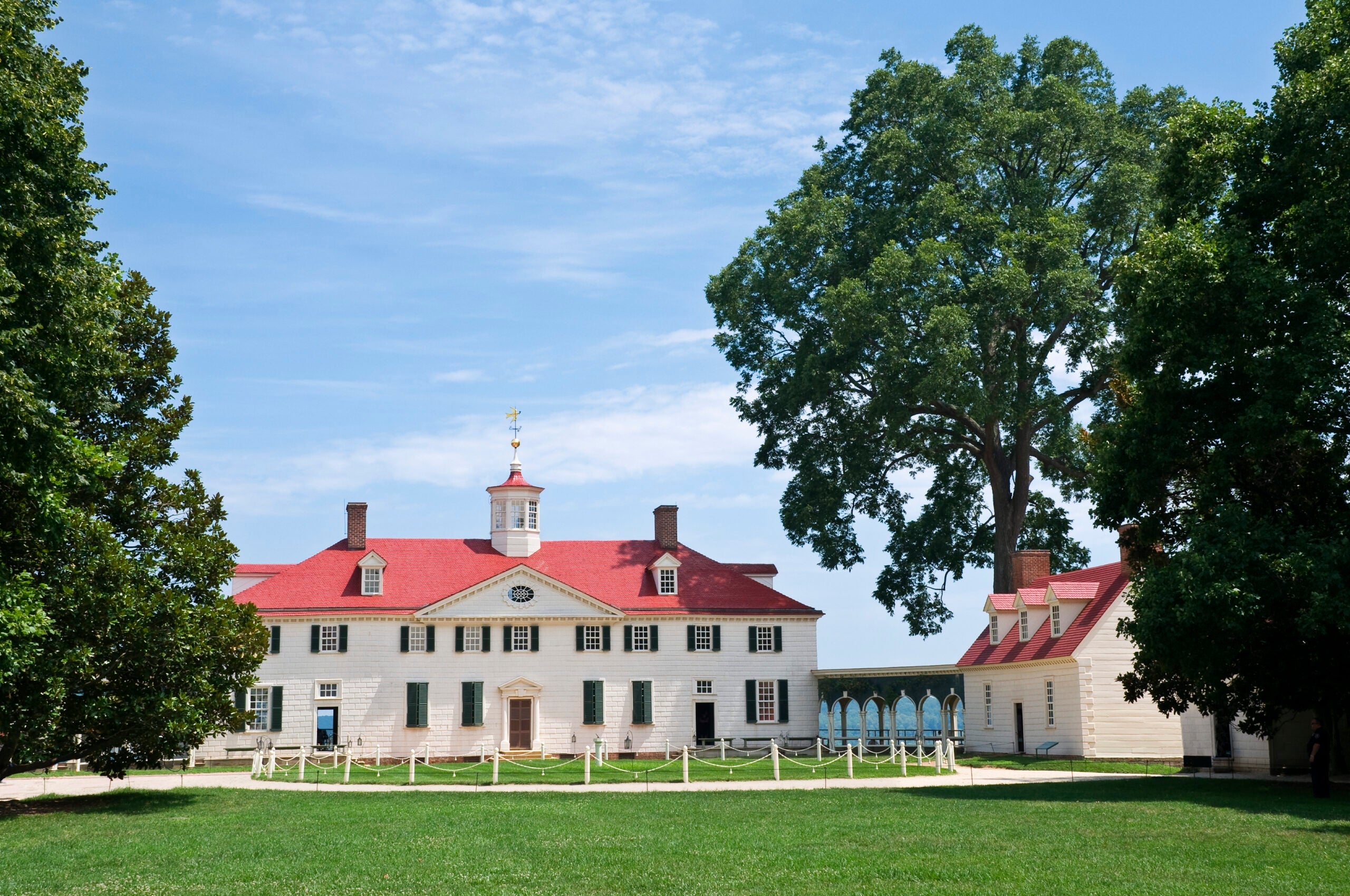
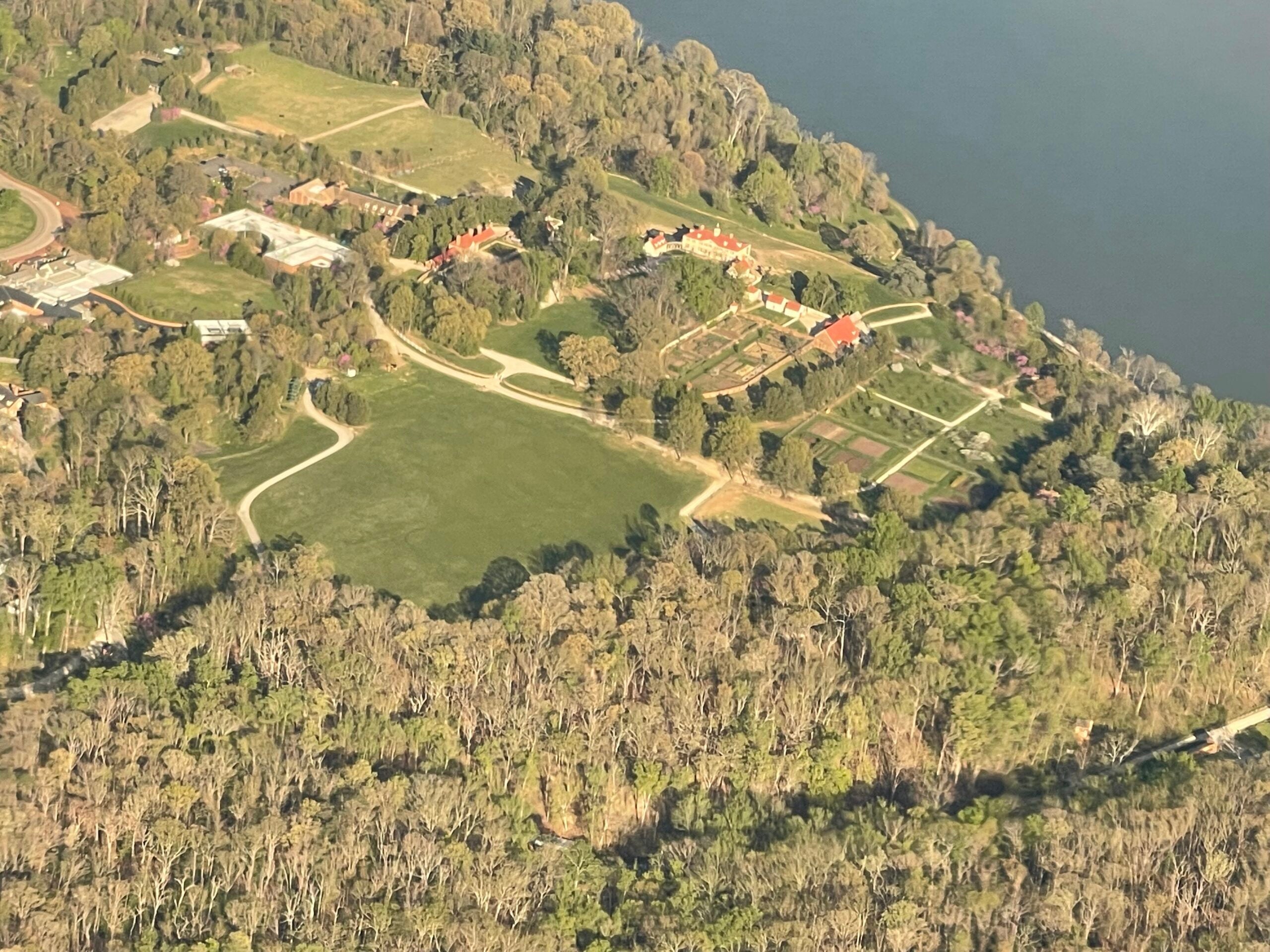
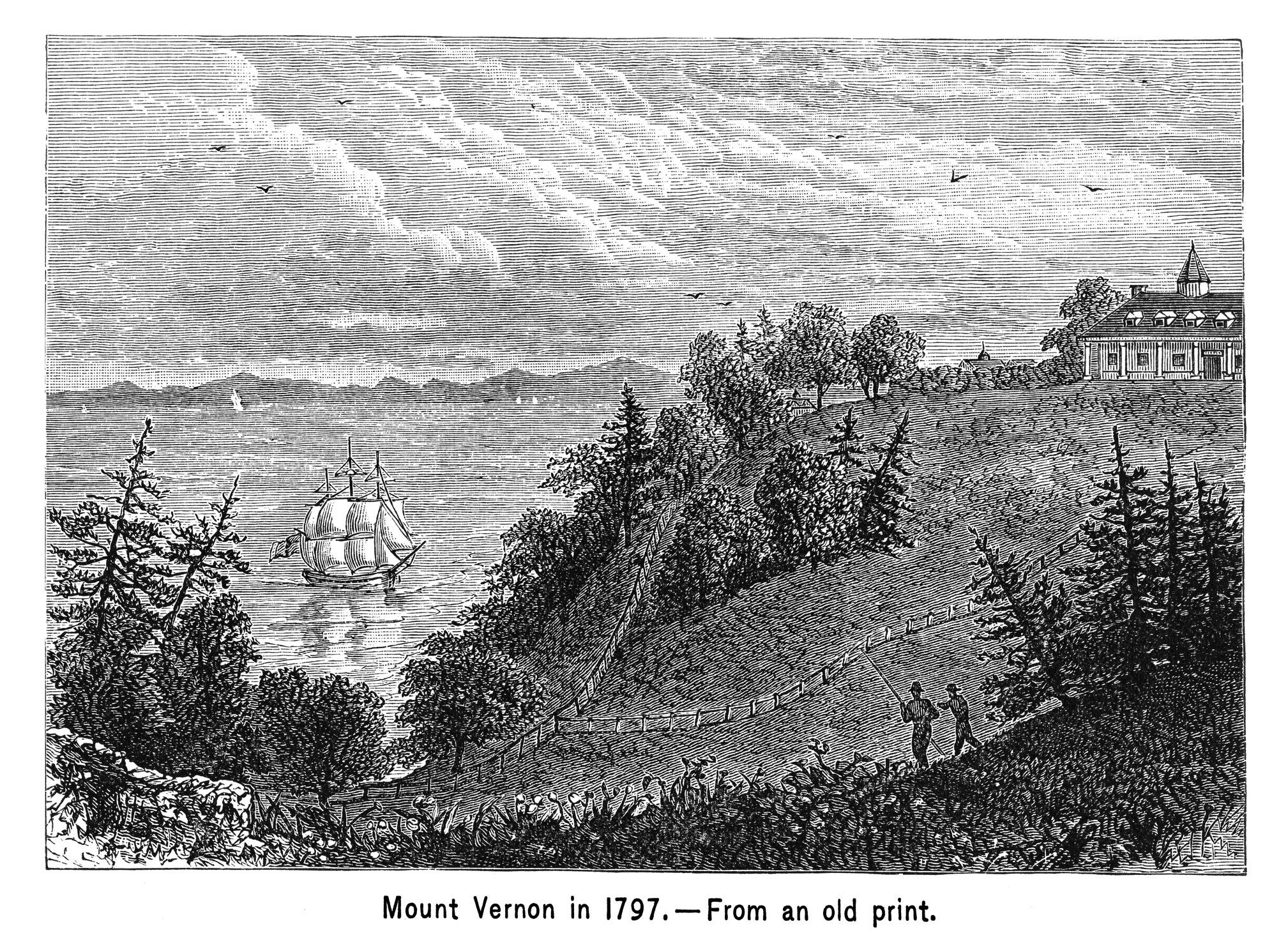
About 15 miles south of Washington on the banks of the Potomac River, our first president's estate is a must-see for tourists and history enthusiasts.
Upon entering the mansion — which is 10 times the size of the average home in Colonial Virginia — you'll see several key rooms and artifacts. These include George Washington's private study, the New Room (the grandest space in the house), the key to the Bastille (a 1790 gift from Marquis de Lafayette, the French diplomat who commanded troops in the American Revolution, helping the U.S. win independence), many family portraits and the Washington coat of arms.
Beautifully maintained grounds reflect life in Colonial Virginia. Make sure to pass by the four gardens, Washington's tomb, the slave memorial and the working farm.
Mount Vernon's on-site museum has 23 galleries and theaters that take visitors through Washington's life to America's early history. Don't miss the 4D movie that explores Washington's key military victories at Boston, Trenton and Yorktown.
You'll need to be on a guided tour (included in the price of admission) to enter the mansion, but you can roam the grounds and museum at your leisure.

Gunston Hall
- Hours: 9:30 a.m. to 5:30 p.m.
- Cost: $10 for adults, $8 for seniors, $5 for children, and free for kids 5 and under. If you book your tickets online, you'll pay a $2 convenience fee per ticket.
- Getting there: A 35-minute ride from downtown Washington. Parking is free.
- Time required: One to two hours.
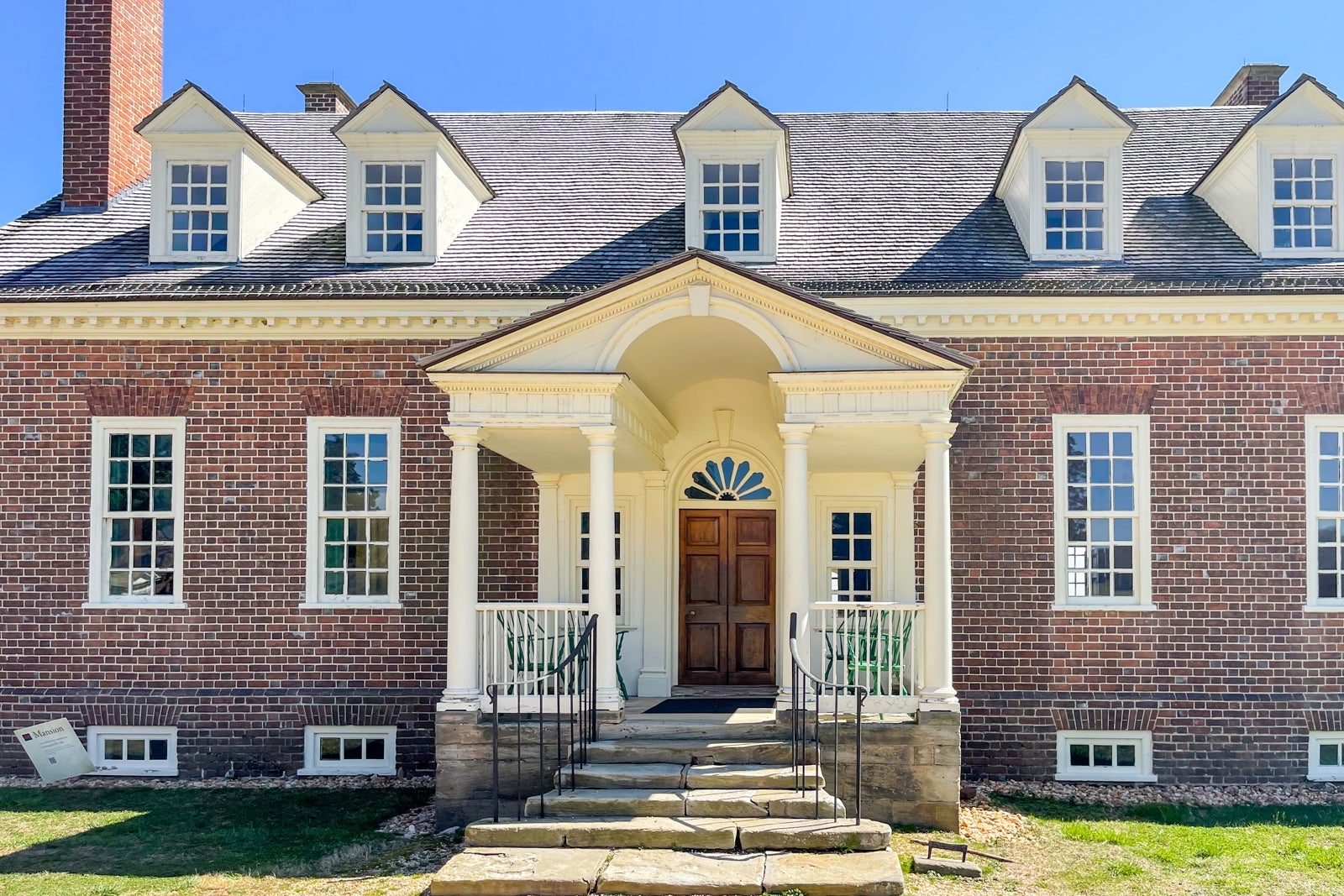
Gunston Hall, the former residence of U.S. founding father George Mason, provides visitors with guided tours of the mansion. It also offers an engaging exhibit at the visitor center that delves into Mason's life and the rich history of the Virginia colony.
As you walk up the 12-foot-wide carriage path from the visitor's center to the mansion, you're greeted with a grand English Colonial Georgian facade. Inside the mansion, you'll find some original items and furniture belonging to the Mason family, including a Mason portrait and the original chamber pot. Pay close attention to the small details like the crown molding and Parisian wallpaper — extraordinarily rare features in the Virginia colony.
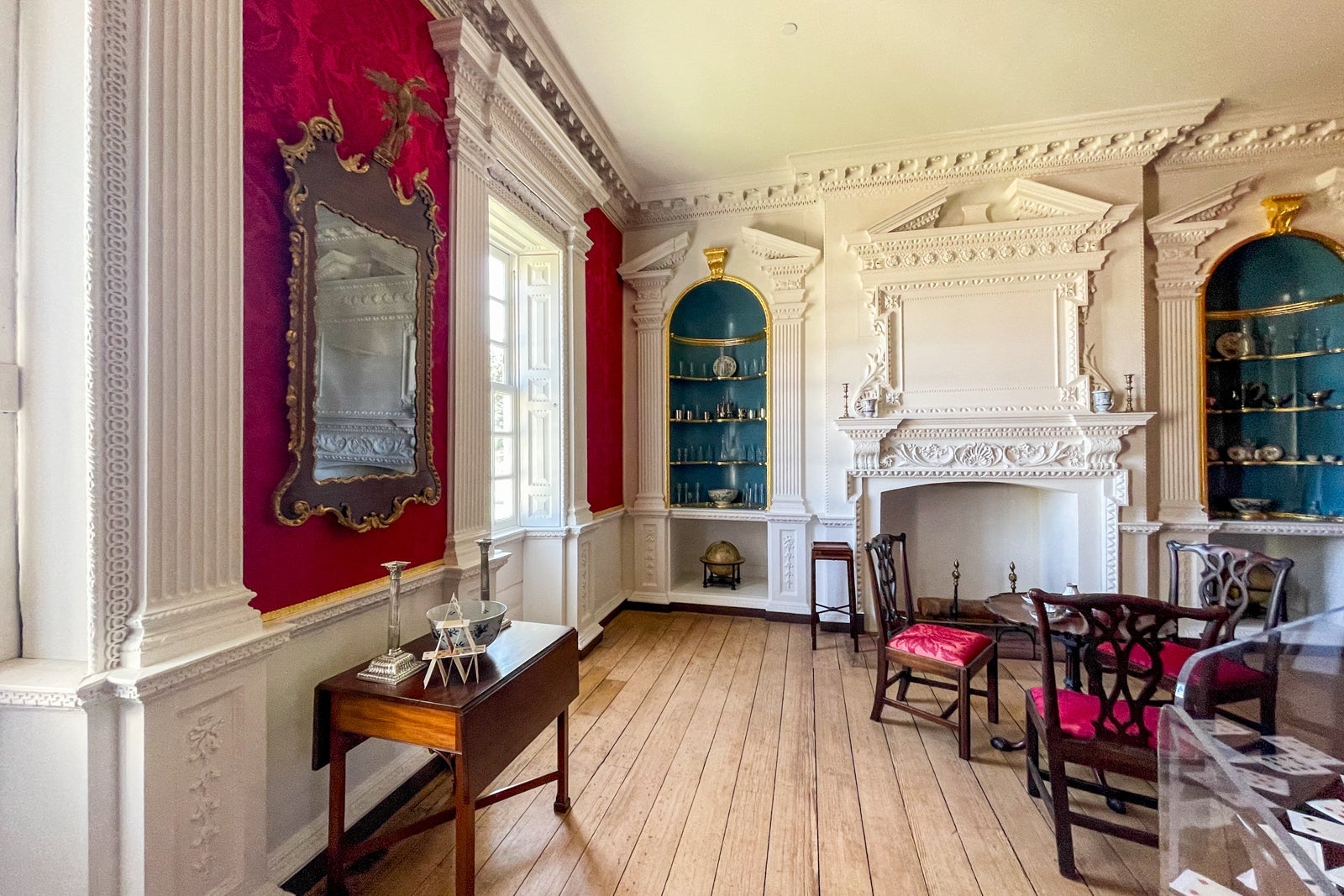
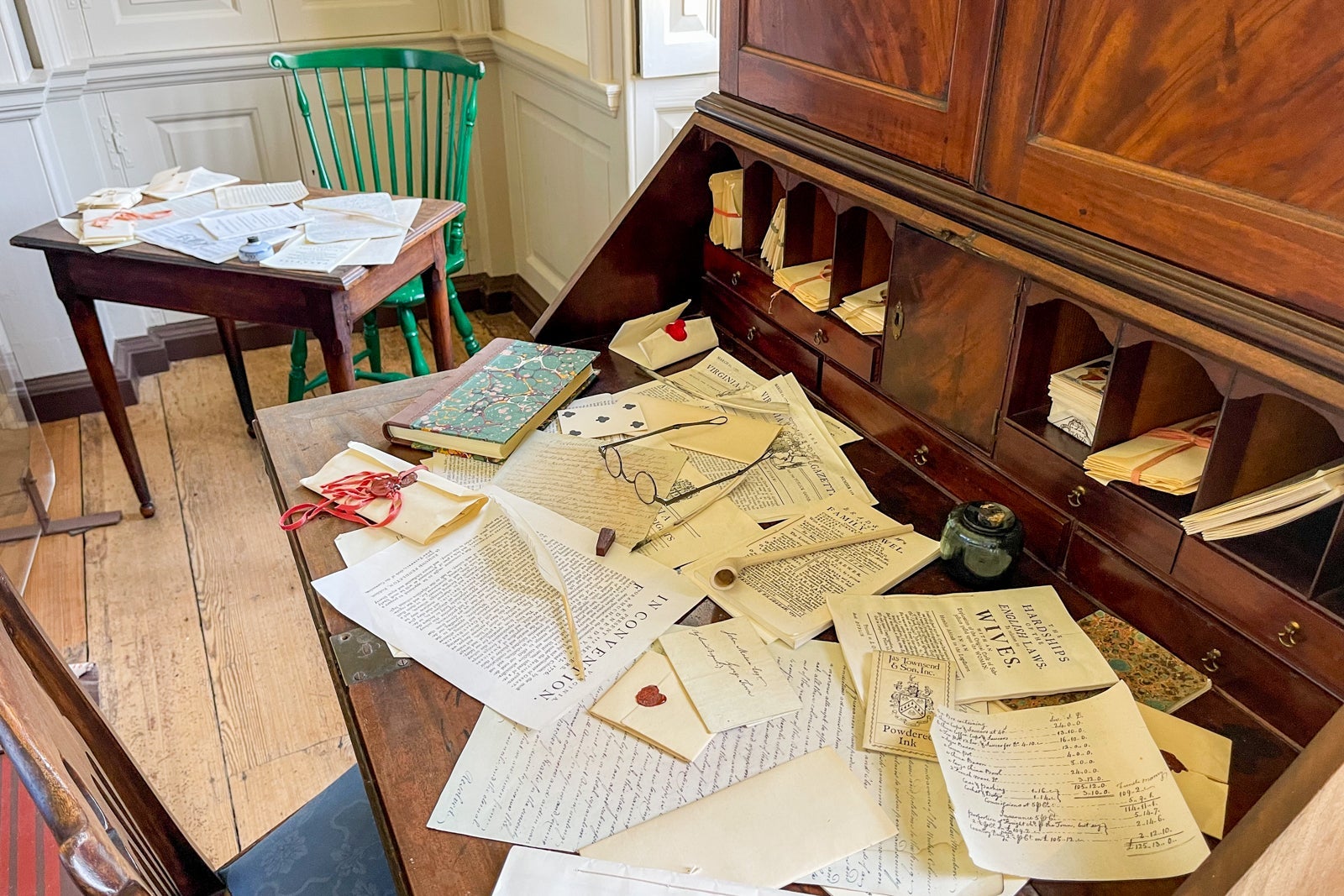
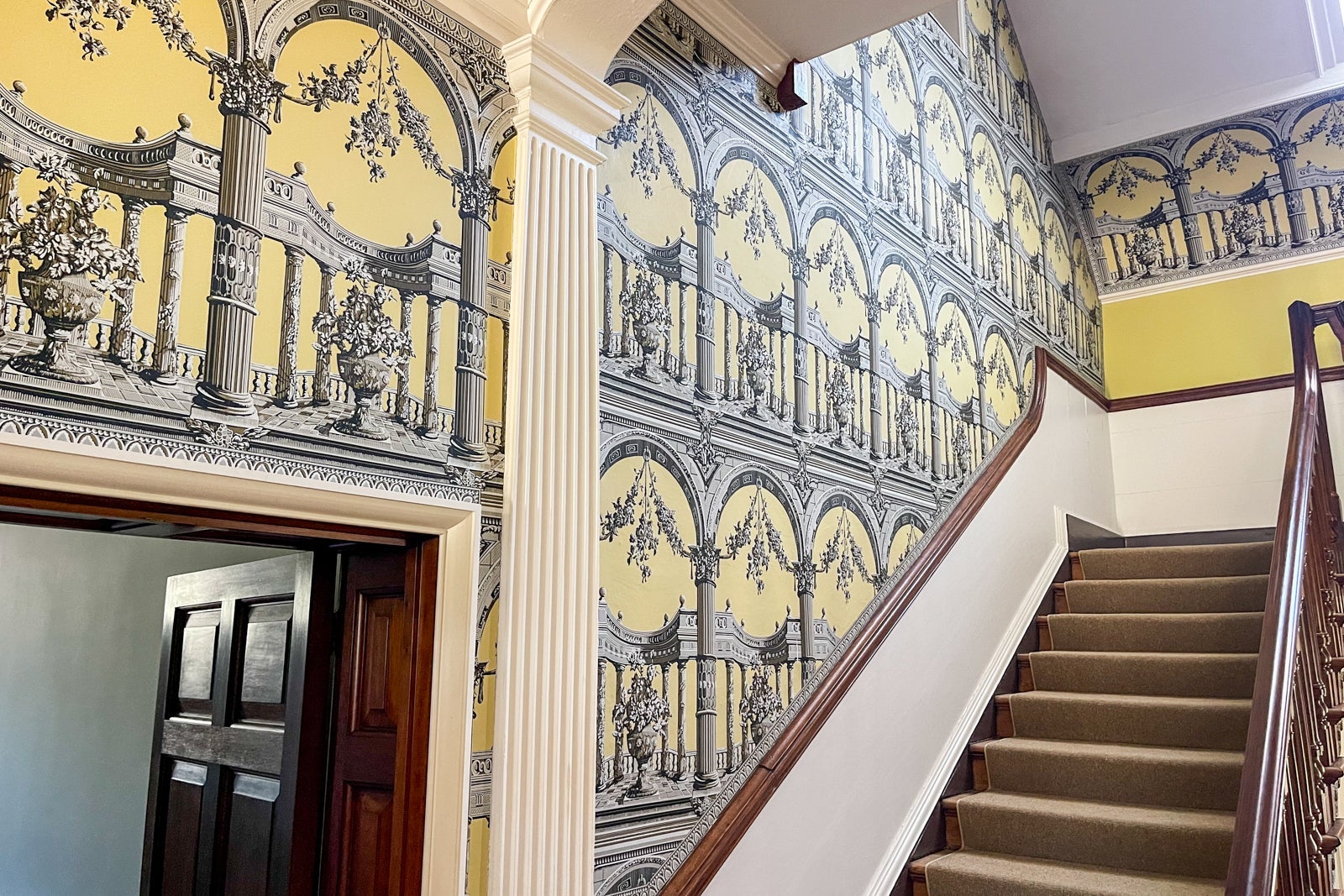
While Mason's mansion isn't as grand as Mount Vernon, I thoroughly enjoyed the tour. My colleague and I were one of three small parties on our tour. It wasn't rushed, and our docent gave an insightful commentary, encouraging our many questions.
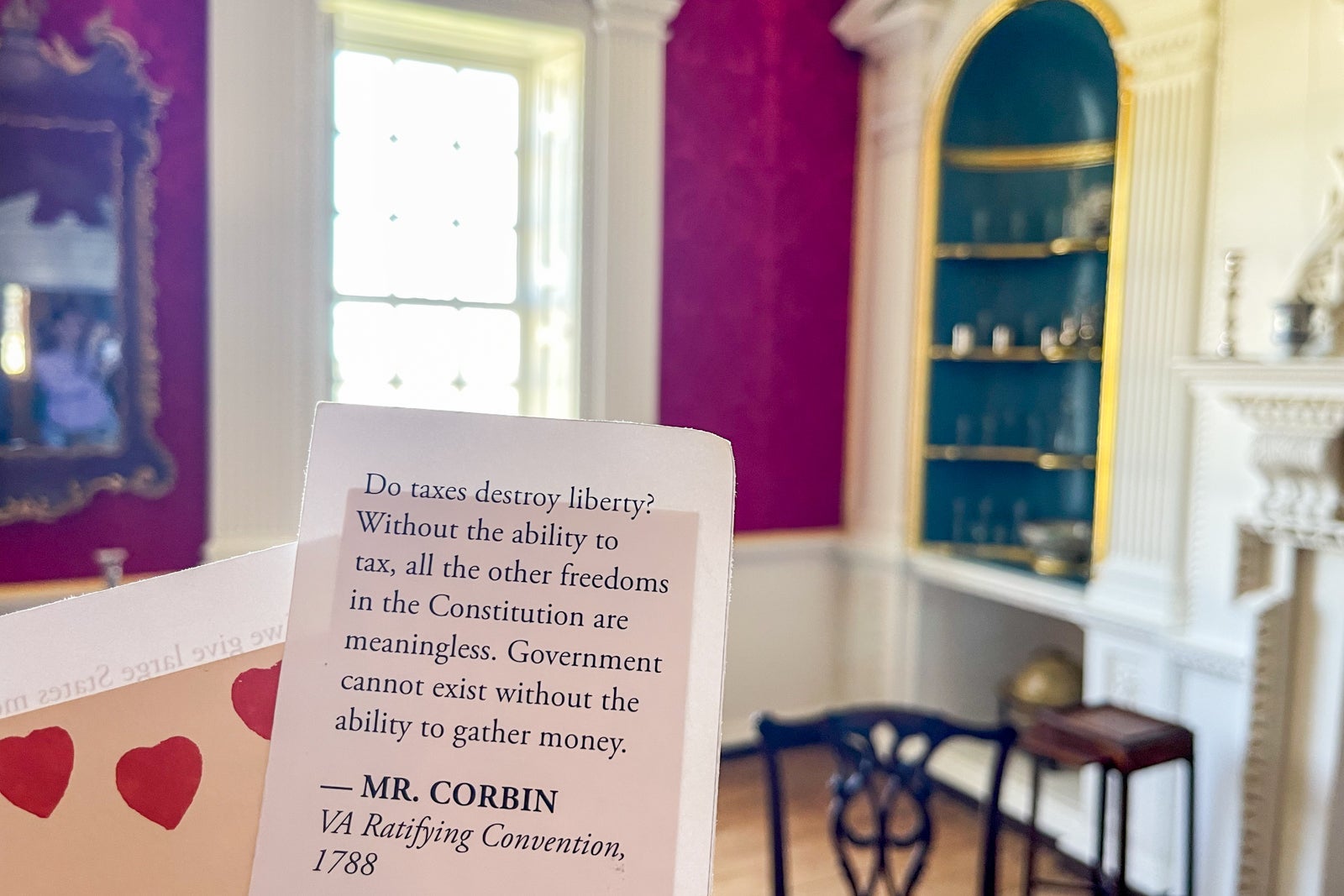
There were also various hands-on exhibits in the mansion. I loved the primary source quotes.
Although we toured on a Sunday afternoon, most of the visitors on our tour were retirees. The docent said families generally come through weekend mornings, and school groups frequent Gunston Hall during the week.
While our packed schedule only allowed for a cursory overview of the exhibits in the visitor's center, there were several interactive opportunities to explore Mason's objectives and debate his choices.
A tour, which is included in the price of admission, is required to enter the mansion; however, you can check out the visitor's center exhibits at your leisure.
Great Falls Park
- Hours: 7 a.m. to sunset.
- Cost: $20 for a single, noncommercial vehicle and all its passengers or $10 for visitors older than 15 arriving by foot, bicycle or horse. These passes are also valid for the Chesapeake and Ohio Canal National Historical Park. The upcoming 2023 free days are Aug. 4, Sept. 23 and Nov. 11.
- Getting there: A 30-minute drive from downtown Washington.
- Time required: One hour (or longer, depending on how far you want to walk).
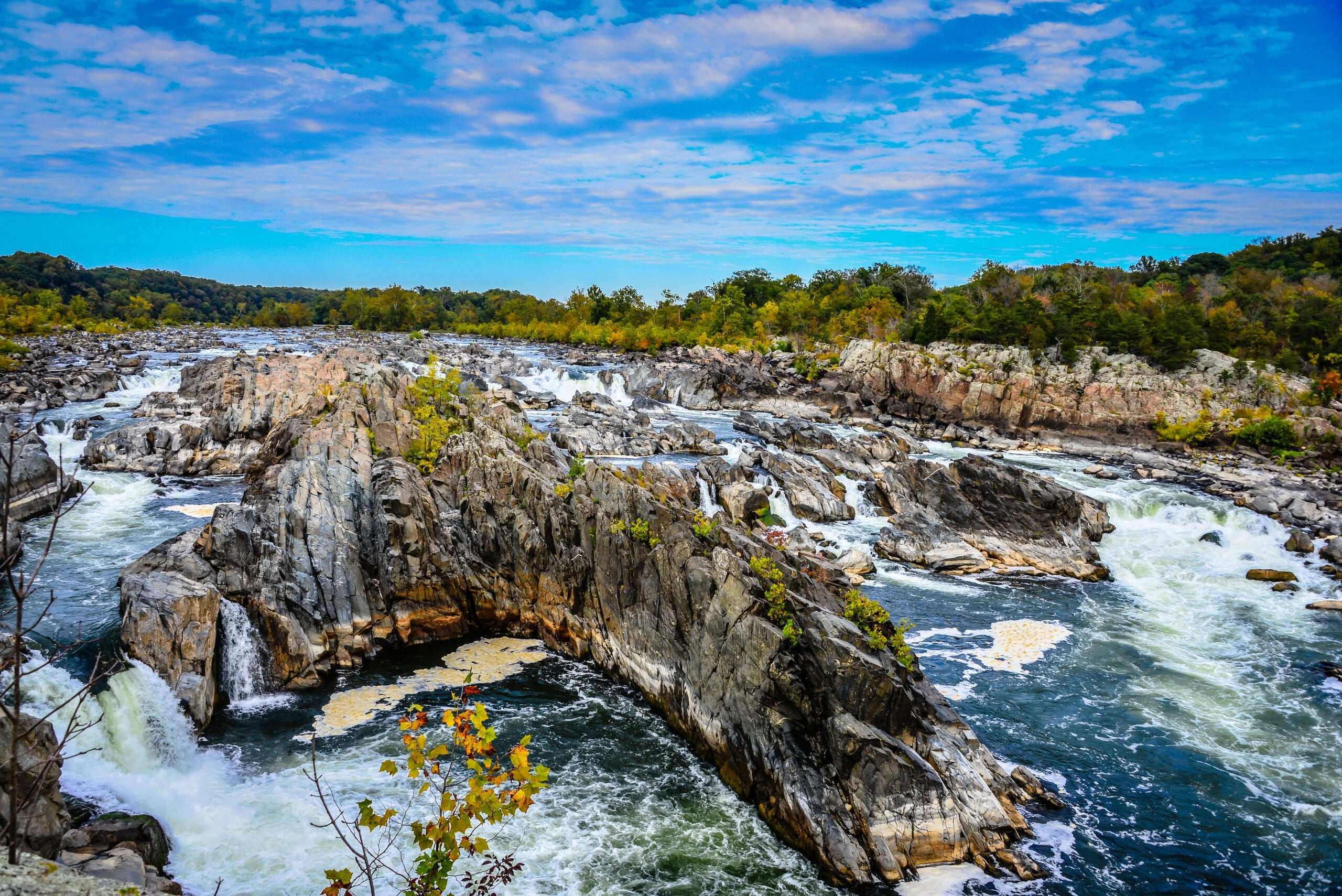
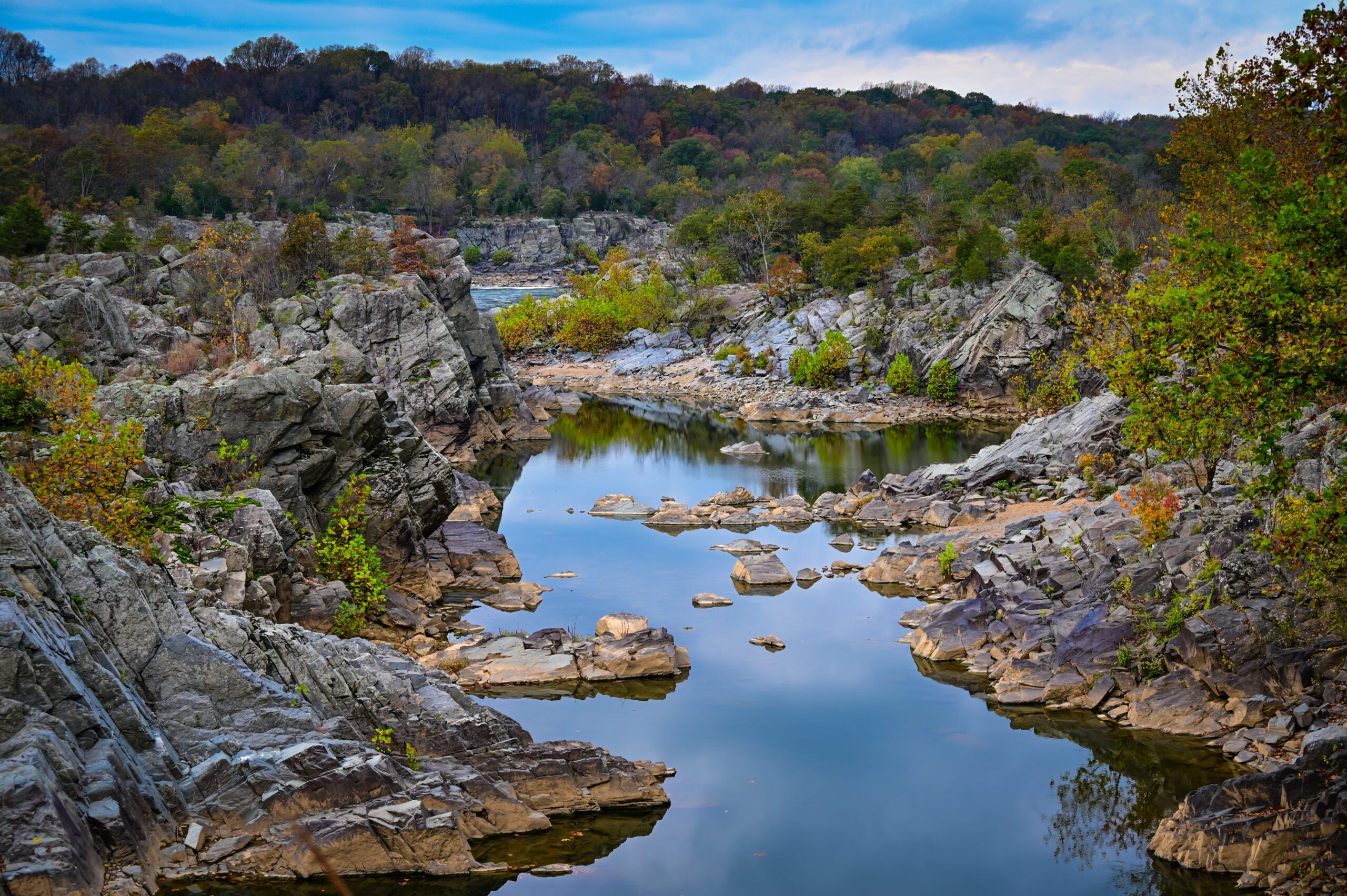
With Maryland and Virginia on either side of the Potomac River, Great Falls Park has spectacular walking trails, hikes and views. Choose the side that's more convenient for you (for most coming from Washington, that'll be Maryland). You'll find cascading waterfalls with 80-foot drops at the Great Falls Overlook. You can access the trail to the overlook from the Maryland side.
In the 19th century, the falls served as miners' key power source. Around the Civil War, the U.S. Army Corps of Engineers constructed the Washington Aqueduct, which supplied water to Washington, D.C.
Today, the park is a popular destination for walking, hiking, picnicking, biking and horseback riding.
On the Maryland side, you'll find a covered bridge about half a mile south of the visitor's center and parking lot as you walk along the towpath. If you continue following this trail, suitable for walkers and bikers, you'll reach Georgetown in 13.7 miles.
Ben's Chili Bowl
- Hours: Monday to Wednesday 11 a.m. to 9 p.m.; Thursday 11 a.m. to 11 p.m.; Friday and Saturday 11 a.m. to 4 a.m.; and Sunday 11 a.m. to 10 p.m.
- Cost: $10 to $20 for a complete meal.
- Getting there: A quick ride or right across the street from the U Street/African-Amer Civil War Memorial/Cardozo station.
- Time required: 30 minutes.
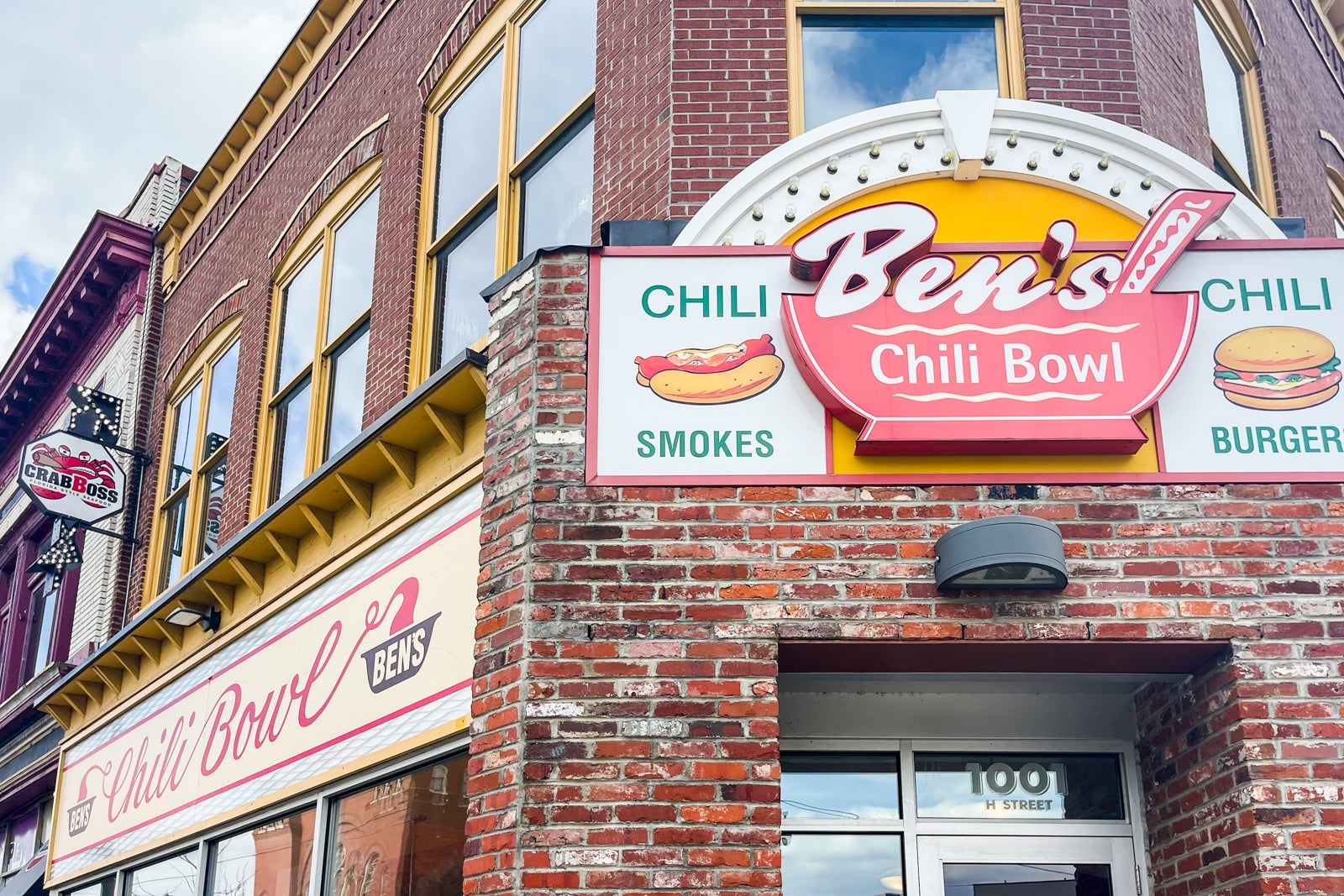
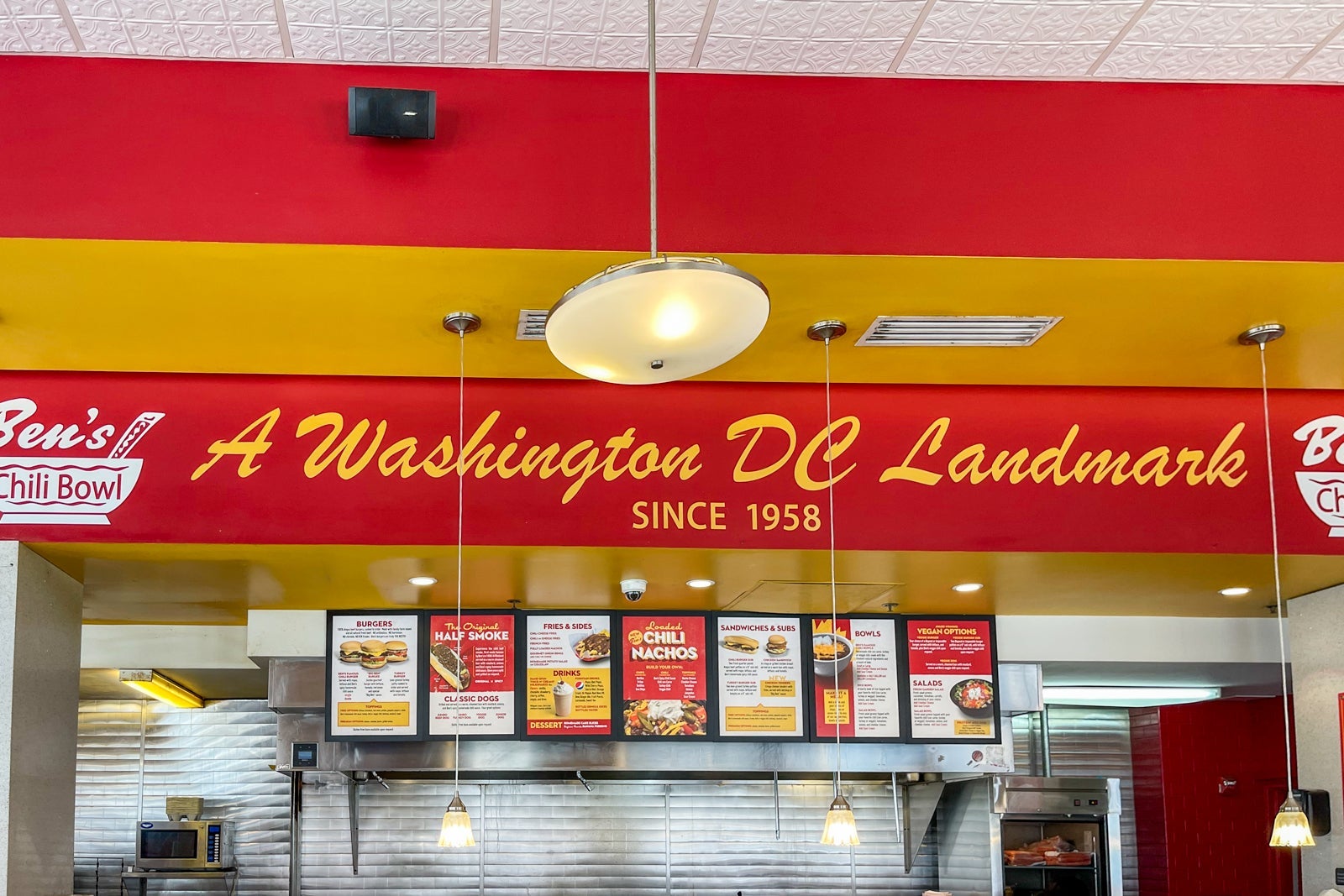
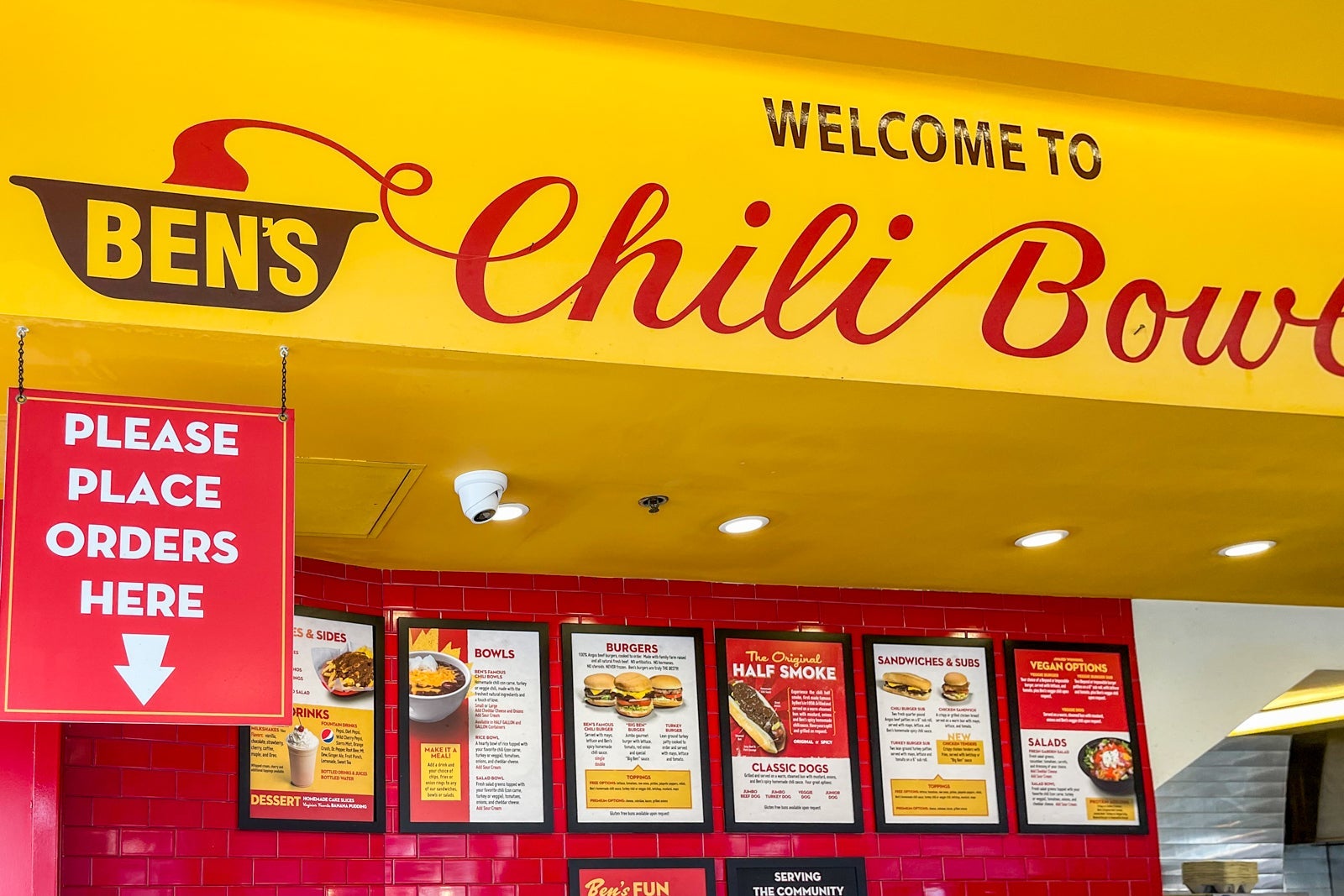
Ben's Chili Bowl is a great historical attraction if you're searching for local culture. There are two full-service stores in the district. While my colleague and I visited the newer H Street NE location (pictured above), diners can still visit the original U Street NW location.
Ben Ali — a Trinidad-born immigrant and his surviving wife, Virginia — founded Ben's at the dawn of America's civil rights movement in 1958. Their restaurant became a go-to gathering place for civil rights activists. Outside Ben's doors, the U Street Corridor (known as Black Broadway) is home to a thriving Black arts and entertainment scene.
Ali donated food and provided shelter to those in need during the 1963 March on Washington and the 1968 Washington, D.C., riots.
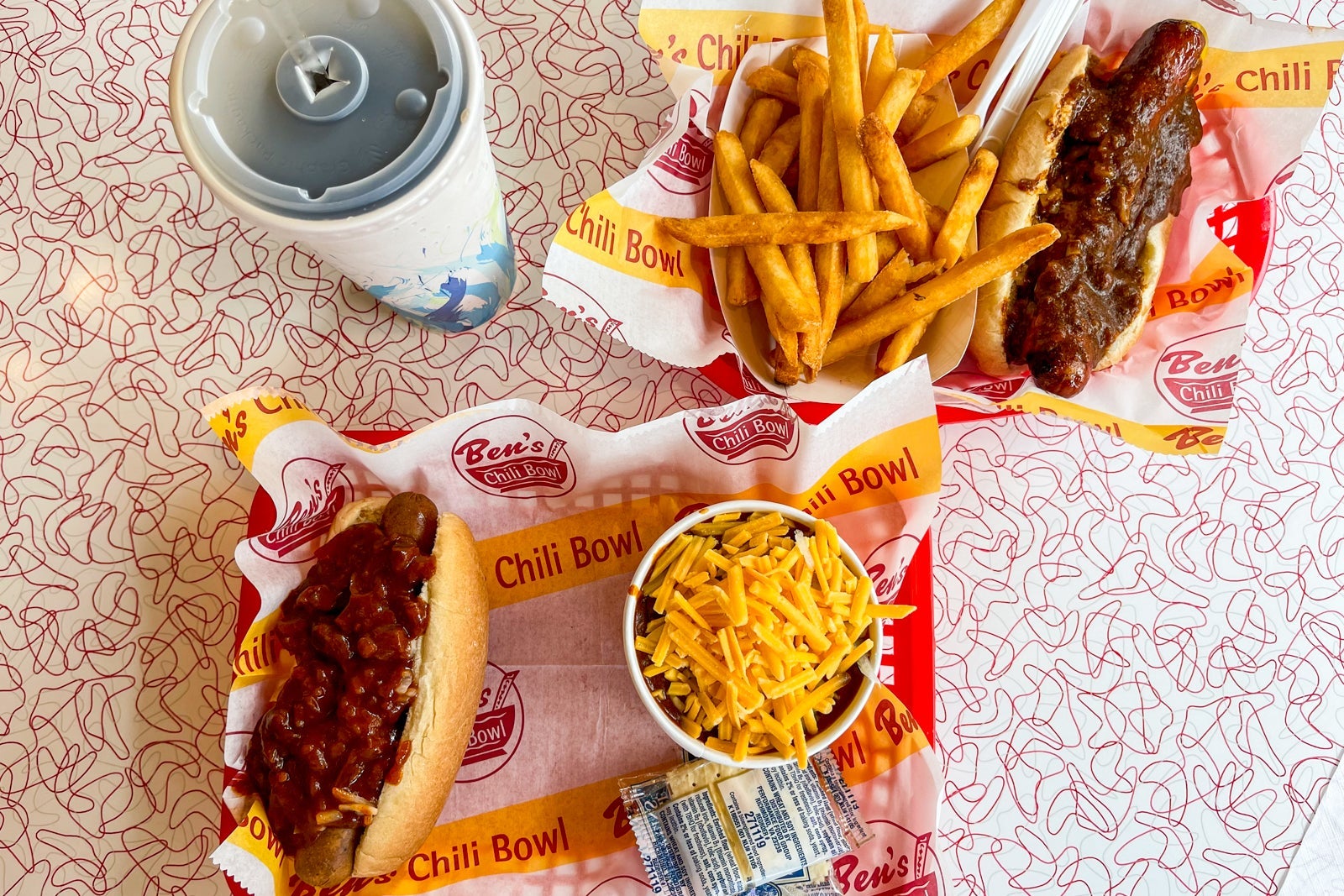
Diners can enjoy the same half-smoke chili dogs, fries and milkshakes while also taking in the magnitude of this restaurant's legacy.
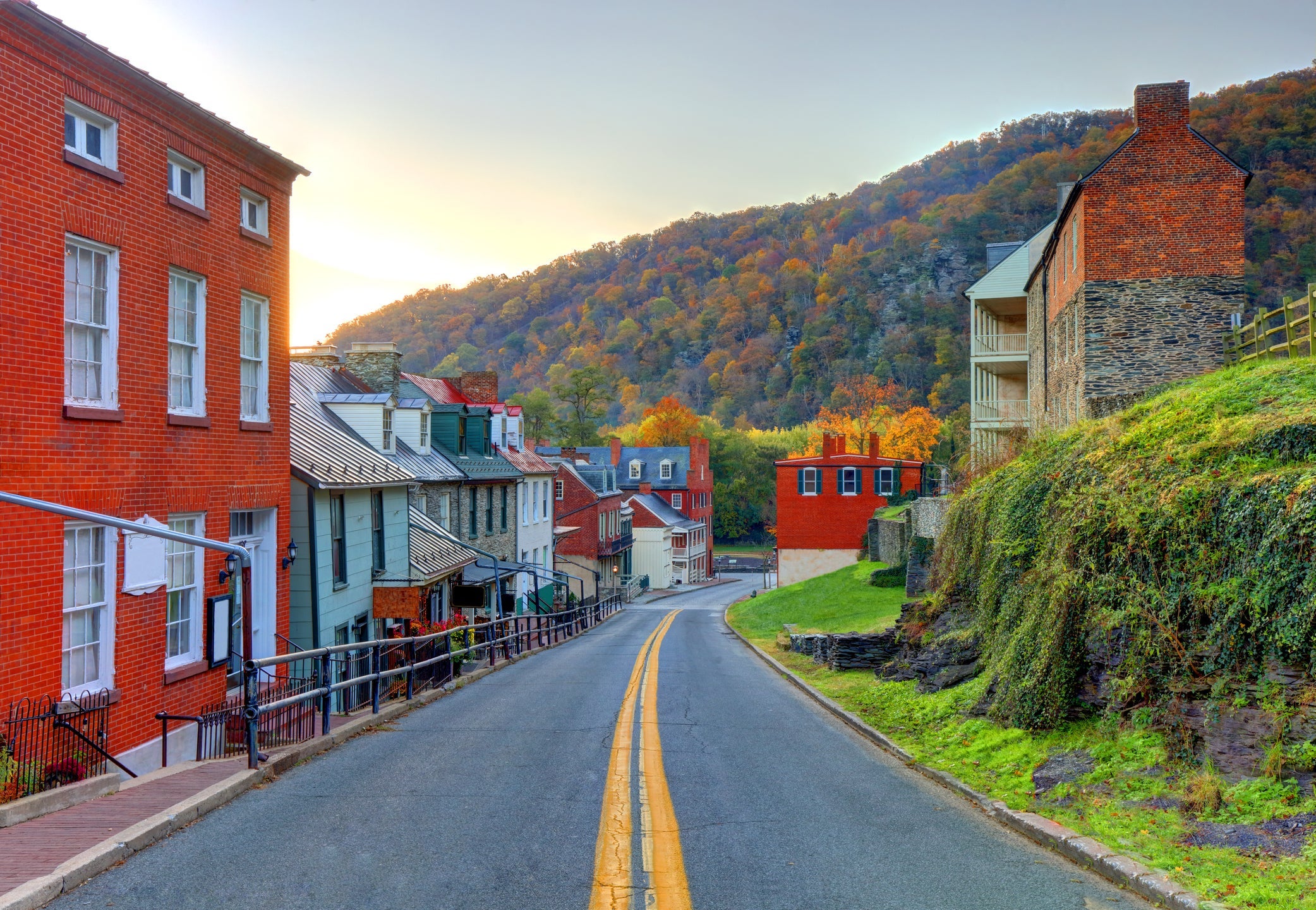
Harper's Ferry, West Virginia
- Hours: 9 a.m. to 5 p.m.
- Cost: $20 for a single, private vehicle plus a rental car.
- Getting there: Two hours from downtown Washington.
- Time required: Two to three hours.
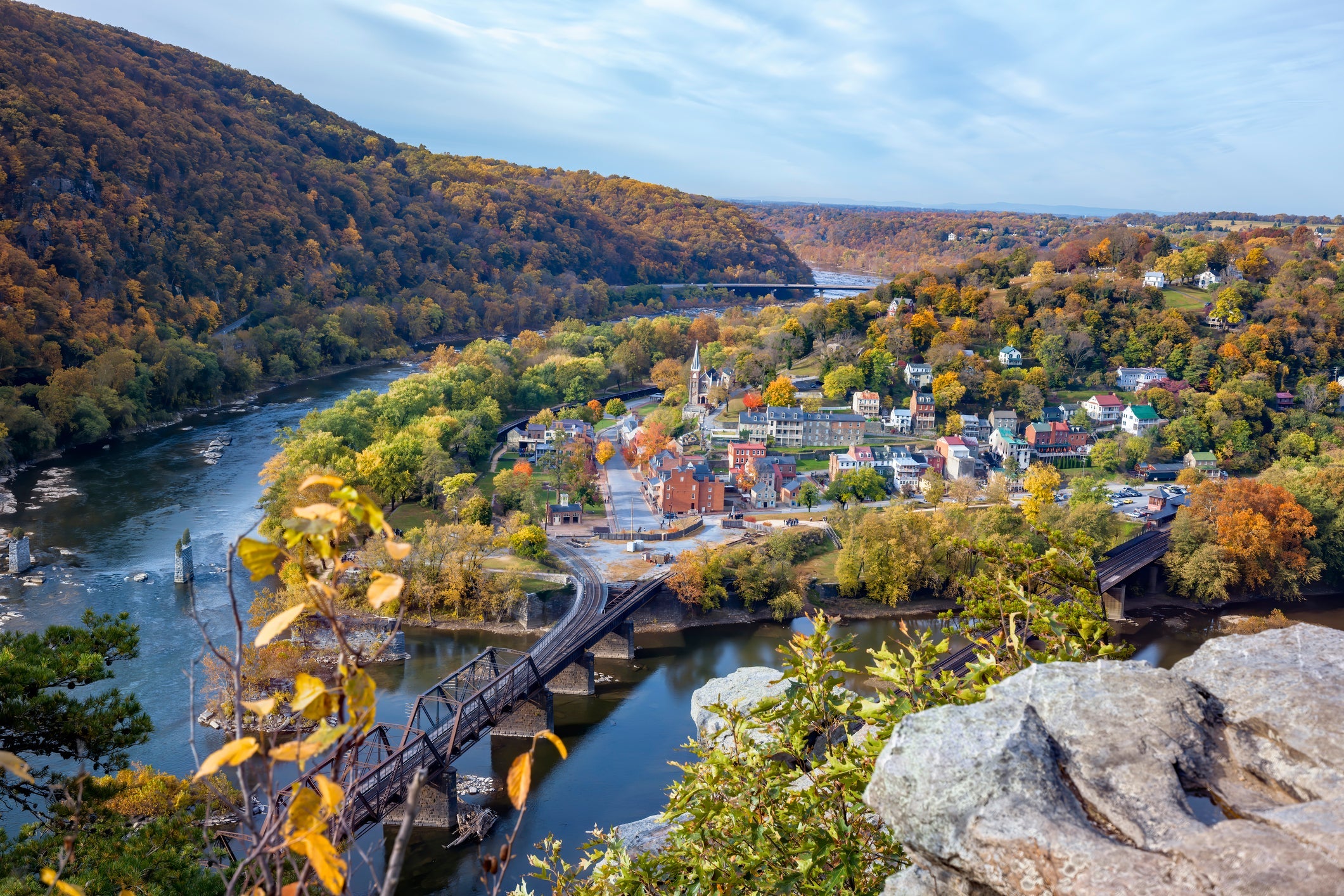
Harper's Ferry is a charming, historic town at the junction of the Potomac and Shenandoah Rivers.
It became the infamous site of John Brown's raid in 1859, which played a key role in precipitating the Civil War. Harper's Ferry is also the site of the largest surrender of Federal troops during the Civil War and one of the earliest integrated schools in the U.S.
Harper's Ferry is known for its outdoor recreational activities, including scenic hikes on the Maryland Heights and Appalachian trails.
My cousin and I did a whitewater rafting trip in Harper's Ferry a few years ago. Since it was the end of summer, the rapids were mild, and we enjoyed taking in the views of the dramatic landscape from the Shenandoah River.
Travelers who prefer something a bit less strenuous can walk along the charming cobblestone streets of the town. Duck into True Treats Historic Candy — which has sweets from the 17th, 18th, 19th and 20th centuries — and stop for lunch at Cannonball Deli to enjoy a nice outdoor patio.
The Jamestown, Colonial Williamsburg and Yorktown triangle
- Hours: All three are open from 9 a.m. to 5 p.m.
- Cost: Buy an America's Historic Triangle ticket, which includes admission to all three sites for $119 for visitors 16 and older, $53 for kids ages 6 to 15 and free for children under 5. You'll also need overnight accommodations and a rental car.
- Getting there: Two hours from downtown Washington.
- Time required: One and a half days.
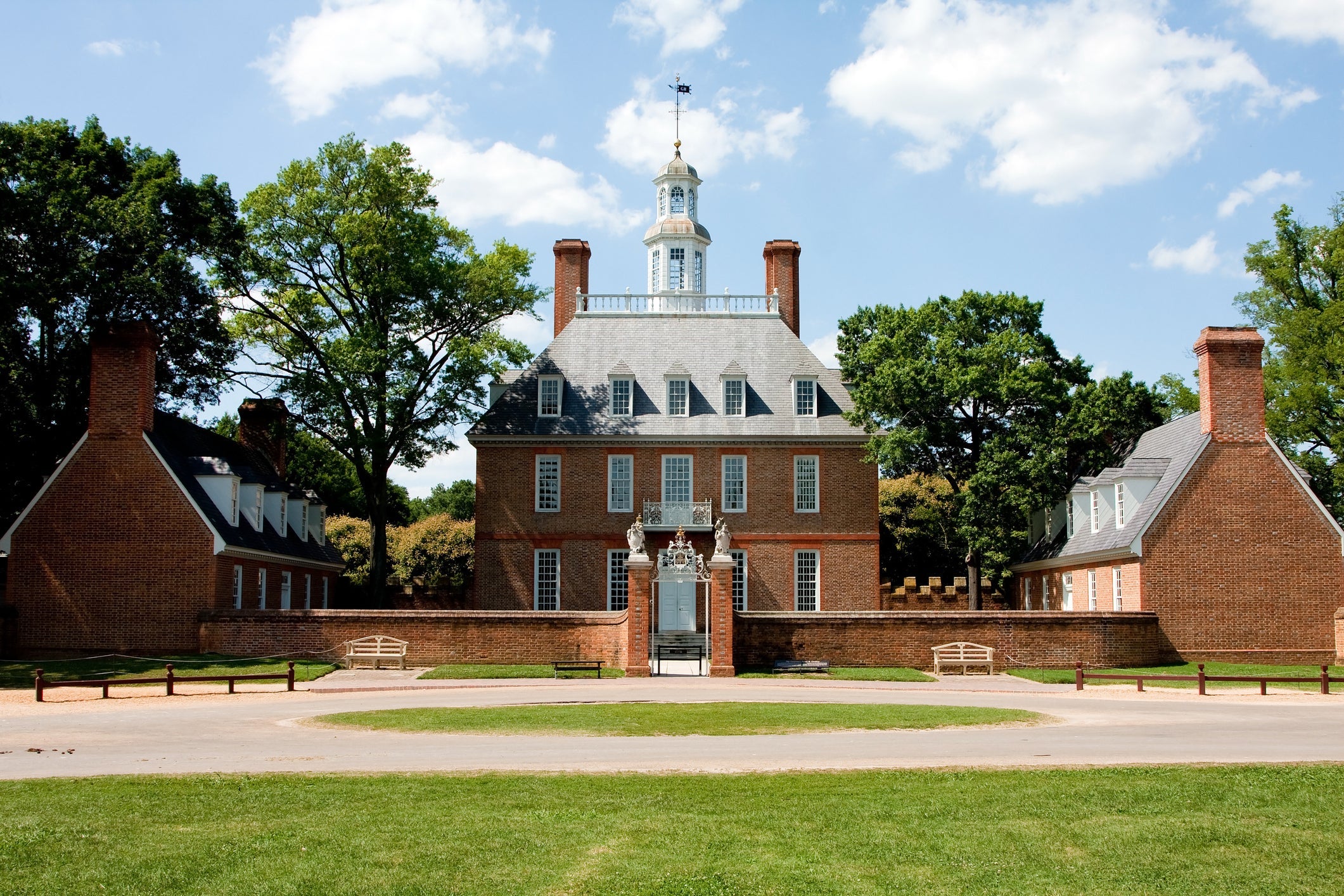
If time allows, extend your journey to the historic triangle before or after your trip to Washington, D.C. The triangle ticket includes admission to historic sites, museums and trade shops. It's valid for seven consecutive days after the first day you enter.
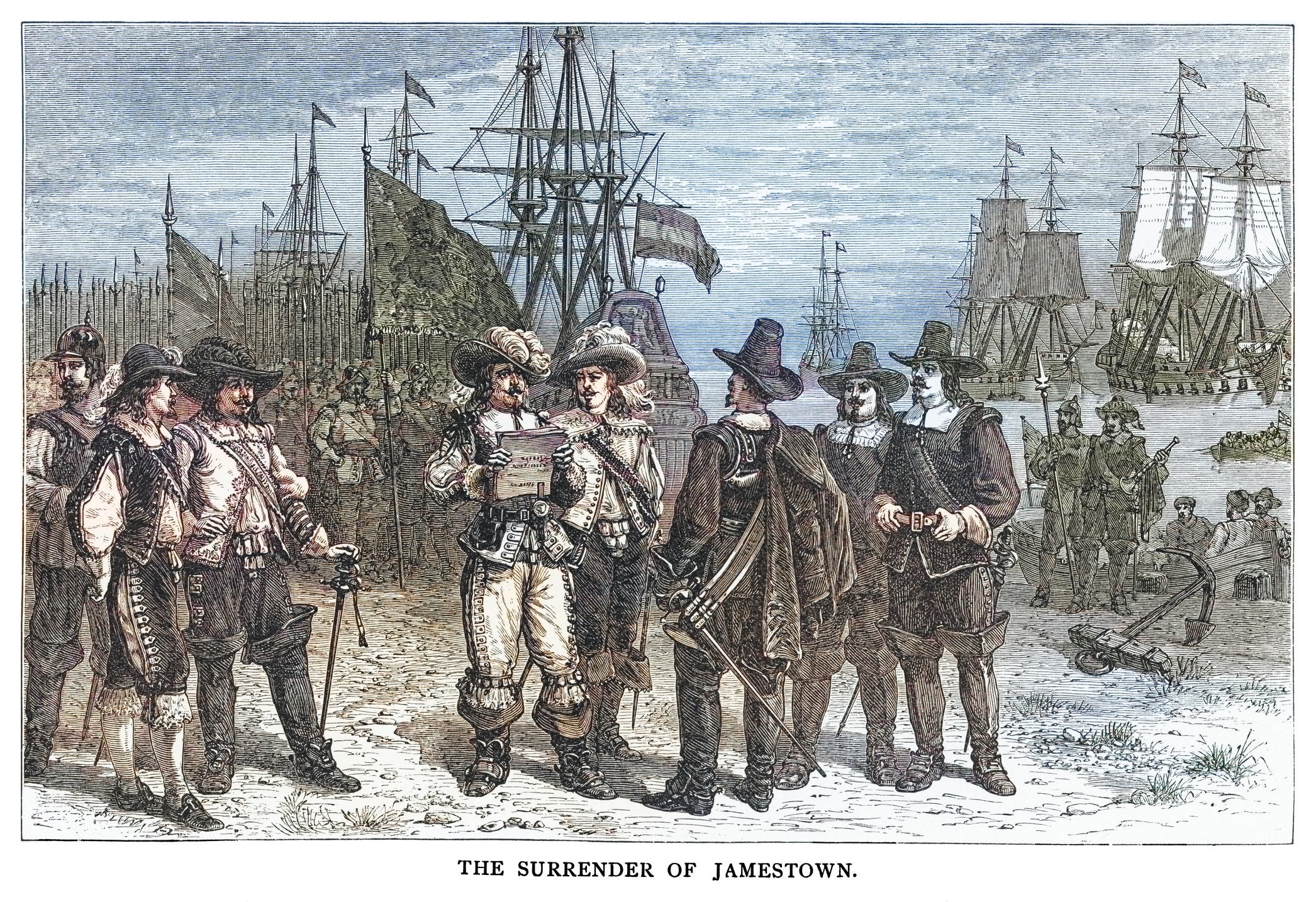
You can start your trip by discovering early American roots at Jamestown Settlement, named after King James I of England in 1607.
In the first years in Jamestown, settlers grappled with starvation and rampant disease, and they had frequent altercations with the Powhatan Native American peoples. After reinforcements arrived from England, Jamestown grew and later became the capital of the Virginia Colony from 1616 to 1699.
Visitors can enjoy the museum, replicated buildings and archaeological sites showcasing the lives of the early colonists.
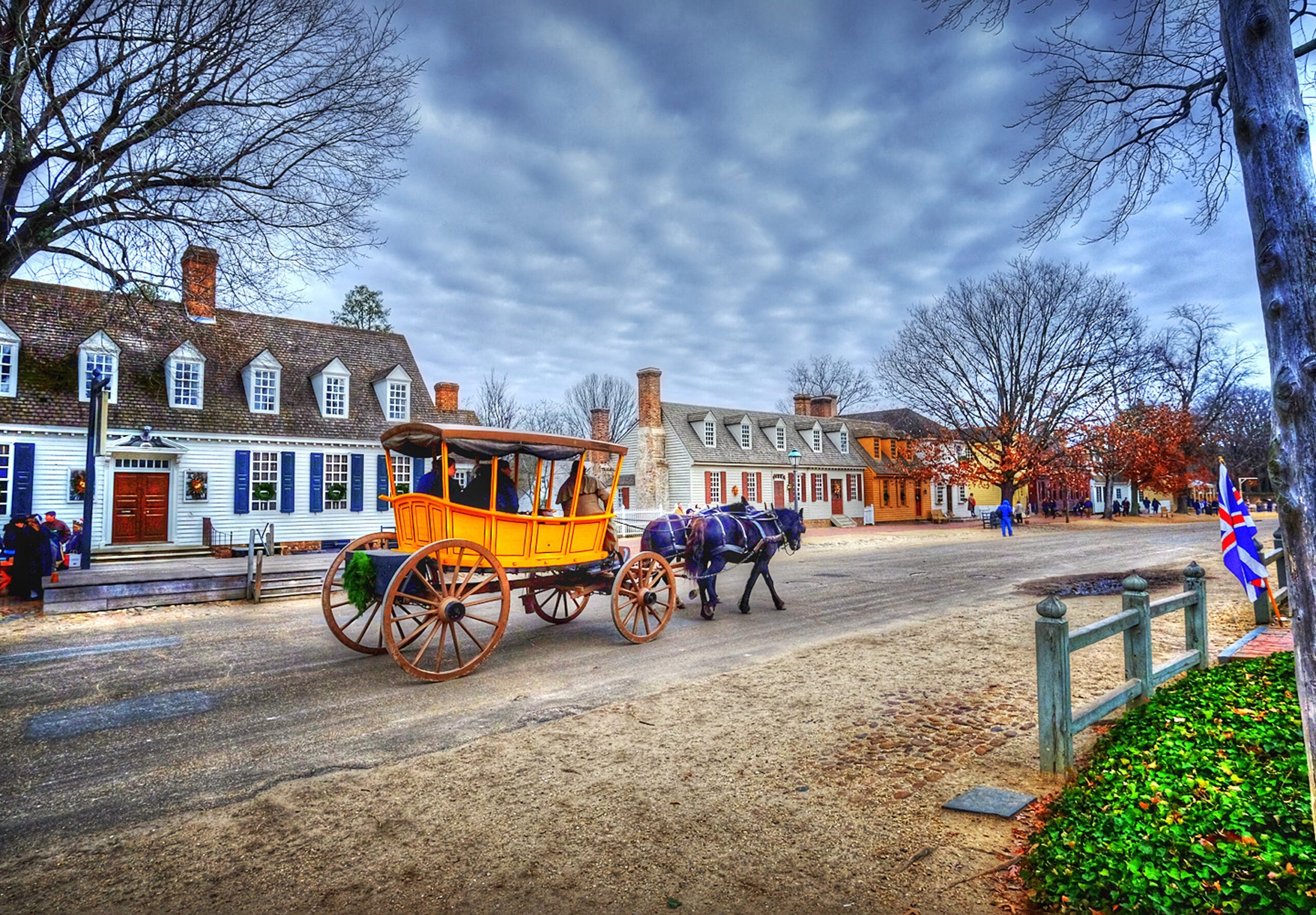
After visiting Jamestown, head to Colonial Williamsburg, the capital of Virginia from 1699 to 1780 and a modern-day historical reenactment town.
Williamsburg has been beautifully restored as the hub of the colony's social, political and academic activity. If you're interested, walk along the quad of the College of William and Mary, the second oldest U.S. college dating back to 1693.
Colonial Williamsburg's main drag is Duke of Gloucester Street, full of historic buildings and reenactments. Many staff members are uniformed and wearing traditional attire. My favorite part of Colonial Williamsburg is the courthouse, where interpreters teach about justice during the 18th century.
Since it's difficult to see the three attractions in one day, I recommend staying the night at the Lodge at Colonial Williamsburg — part of Marriott Bonvoy's Autograph Collection. The hotel has Colonial-style rooms with upscale wooden finishes, and it's steps away from the main attractions of Colonial Williamsburg.
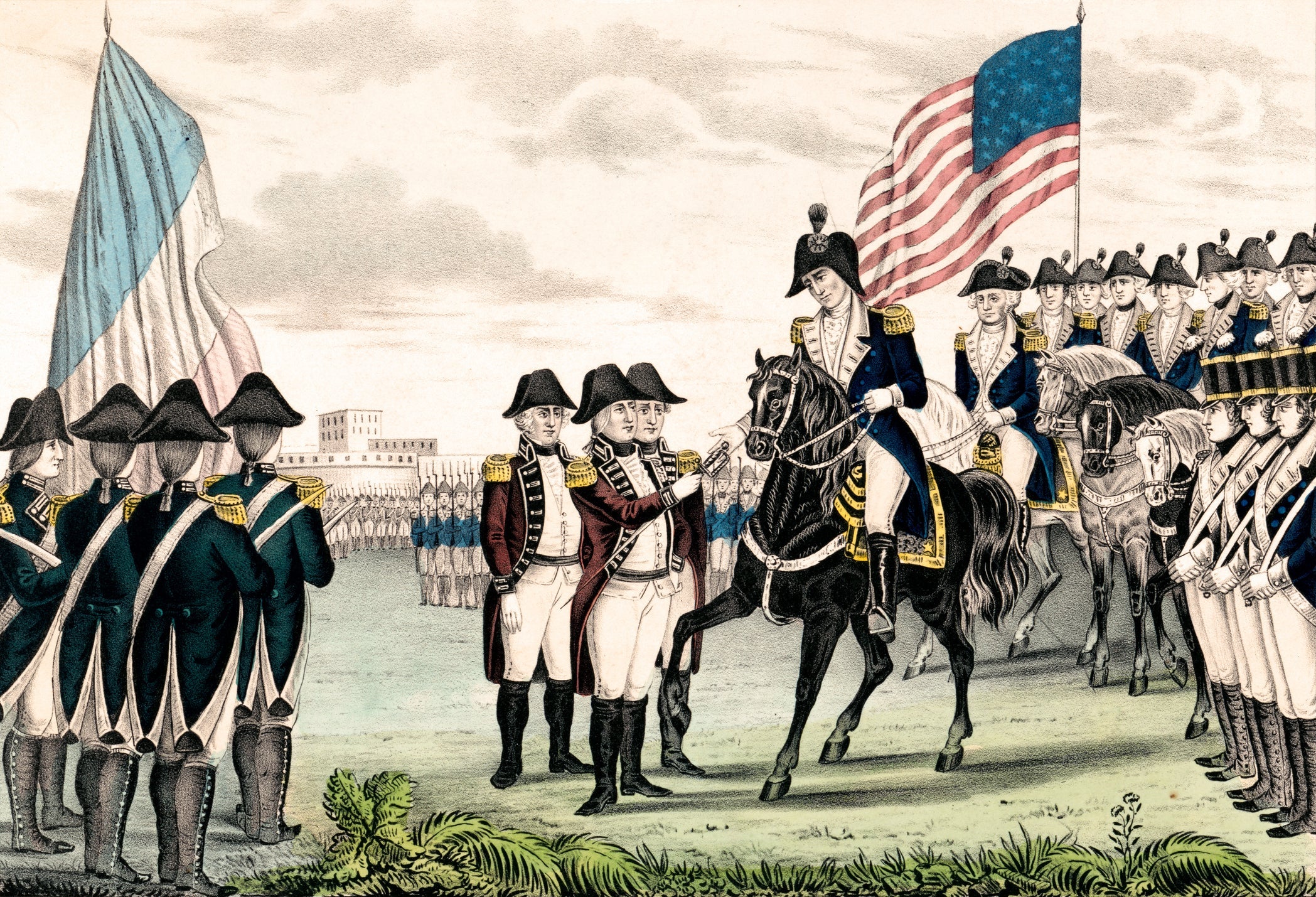
The next morning, conclude your historic tour with a trip to Yorktown, the site of one of the most significant conflicts in the Revolutionary War.
Do the lyrics "the world turned upside down" from the "Hamilton" musical run through your mind? That's from the song "Yorktown," which refers to the battle where General Washington's Continental Army and French forces defeated the British army led by General Cornwallis in 1781. The British surrendered on Oct. 19, 1781 – now the date of Virginians' annual festive Yorktown day. The Victory Center (museum) and battlefields are must-see attractions.
TPG featured card

at Capital One's secure site
Terms & restrictions apply. See rates & fees.
| 5X miles | Earn 5X miles on hotels, vacation rentals and rental cars booked through Capital One Travel |
| 2X miles | Earn unlimited 2X miles on every purchase, every day |
Pros
- Stellar welcome offer of 75,000 miles after spending $4,000 on purchases in the first three months from account opening. Plus, a $250 Capital One Travel credit to use in your first cardholder year upon account opening.
- You'll earn 2 miles per dollar on every purchase, which means you won't have to worry about memorizing bonus categories
- Rewards are versatile and can be redeemed for a statement credit or transferred to Capital One’s transfer partners
Cons
- Highest bonus-earning categories only on travel booked via Capital One Travel
- LIMITED-TIME OFFER: Enjoy $250 to use on Capital One Travel in your first cardholder year, plus earn 75,000 bonus miles once you spend $4,000 on purchases within the first 3 months from account opening - that’s equal to $1,000 in travel
- Earn unlimited 2X miles on every purchase, every day
- Earn 5X miles on hotels, vacation rentals and rental cars booked through Capital One Travel
- Miles won't expire for the life of the account and there's no limit to how many you can earn
- Receive up to a $120 credit for Global Entry or TSA PreCheck®
- Use your miles to get reimbursed for any travel purchase—or redeem by booking a trip through Capital One Travel
- Enjoy a $50 experience credit and other premium benefits with every hotel and vacation rental booked from the Lifestyle Collection
- Transfer your miles to your choice of 15+ travel loyalty programs
- Top rated mobile app