How pilots and aircraft keep cabin air fresher than you may think


I often hear people say that they always get sick after a long-haul flight. "It's all that stale air everyone is breathing." Sure. So why are pilots and cabin crew not always sick?
The atmosphere outside the aircraft at 43,000 feet is a pretty hostile environment. You only need to look at climbers on the 29,000-foot Mount Everest to understand the challenges humans face in these conditions. As a result, the cabin of an aircraft is designed to keep the occupants comfortable. Not only in the ability to breathe easily, but also keeping that air fresh.
Are you more likely to get sick on a flight?
According to the World Health Organization, research has shown that there is no greater risk of communicable diseases being spread on a flight than any other type of transport. In fact, due to the regular changing and cleaning of air in an aircraft, passengers on a flight are likely to be breathing better quality air than that on a train or bus.
Other studies have shown that there are low cases of bacteria and fungi, often less than is found in public places and private homes. Even during the SARS outbreak in 2003, the risk of transmission on aircraft was found to be very low.
So how do the pilots' actions and the aircraft systems keep the air so clean?
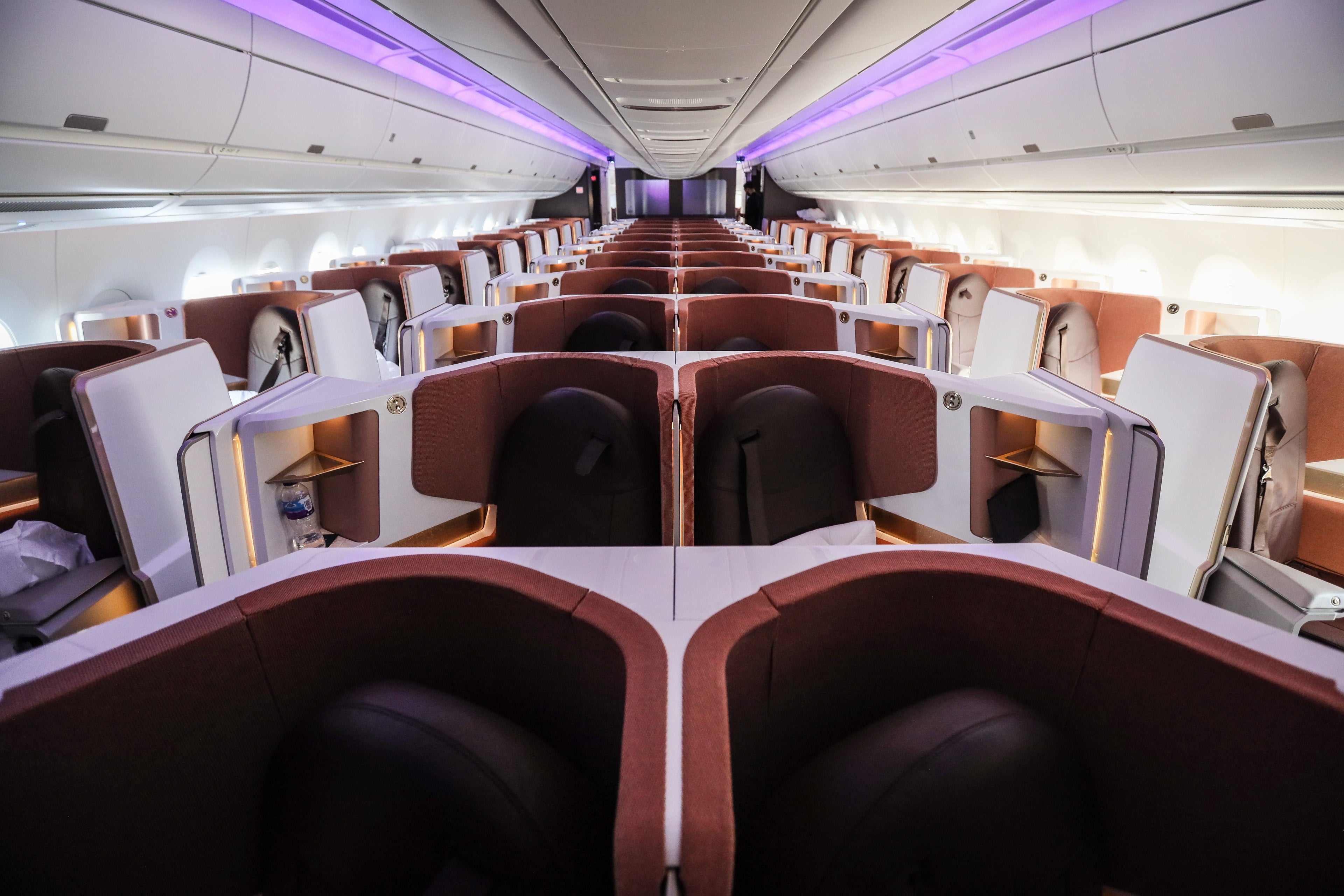
Where does the air come from?
The engines on a modern jet airliner provide more than just thrust to drive the aircraft forward. One of those other functions is to provide air to pressurize the cabin.
As air progresses through the stages of the engine, the pressure and thus the temperature also increases. When these two are at their highest level, a certain amount of this air is "bled" off to provide a supply for a number of aircraft systems. This is called "bleed air."
Depending on the aircraft type, this bleed air is then fed to the various systems -- one of them being the pressurization system.

Read more: How pilots prepare to land during severe storms

On an aircraft like the Boeing 777, high-pressure bleed air is directed to the air conditioning packs, which sit in the belly of the aircraft. Using a combination of heat exchange methods, utilizing cooler (think -76 degree Fahrenheit) air from outside, the hot bleed air is cooled.
Once it has been cooled to an acceptable temperature, it is then directed toward a unit that removes moisture. After this, it heads toward another unit where it is mixed with some of the original hot air. It is here where the temperature required in the cabin is created.
Finally, the conditioned air flows into the cabin, providing the air to pressurize the cabin at a temperature that keeps you comfortable.
The Boeing 787 Dreamliner
As I mentioned, most aircraft use bleed air to pressurize the cabin. This means that despite being filtered before entering the air conditioning systems, the air you breathe has still come via the engine. The Boeing 787 Dreamliner, however, is different.
Instead of using air from the engines, Boeing designed the aircraft to use air taken directly from the outside. This means that the ambient air on a 787 has come fresh from the outside. As the engines aren't then losing energy to power the air conditioning system, it also makes them more efficient. More efficient engines equal lower carbon emissions.
Air is taken into the aircraft by two dedicated inlets just below where the front of the wing meets the fuselage. To protect these inlets, two deflector doors deploy in front of them during normal ground operations and the landing phase of flight. This stops large contaminants such as stones and birds from being taken into the air conditioning system.
Read more: 8 of the most challenging airport approaches for pilots

This air is then directed into four electrically operated Cabin Air Compressors (CACs). The air is pressurized and sent to two identical air conditioning packs. Each pack has two dedicated CACs, however, a single CAC is enough to power a single pack.
This airflow is controlled by regulating the cabin air compressors. CAC output is automatically increased during periods of high demand, for example, to compensate for a failed pack. It is also limited during times of low aircraft electrical output to ensure that there is enough power available to run other critical systems.
From here, the supply of air to the cabin is much the same as other aircraft, except when it comes to another important factor -- moister air.
The air on the 787 is much moister than on other types, particularly compared to the 777. On the Dreamliner, the crew are able to set exactly how many passengers are on board. The air conditioning system then uses this number to optimize the humidity of the air being directed into the cabin creating an environment much more like that on the ground.
How is the air cleaned?
Even with all this air coming into the aircraft from the outside, it only accounts for 50% of the air in the cabin. The other 50% comprises of recirculated air and it's here that the first stage of air cleaning happens.
Recirculated air
Situated in the space above the passenger cabin (or in the belly depending on the aircraft type) sits the recirculation loop. Here, fans draw air into the system for it to be cleaned. The recirculation loop contains a series of High-Efficiency Particulate Air filters (HEPA), 15 of them on the Boeing 787 Dreamliner.
HEPA filters on aircraft are similar to those used to keep the air clean in operating theaters. They are so efficient that they trap greater than 99.999% of microbes attempting to pass through them. This includes viruses and bacteria.
Once microbes have been captured by the filters, their survival rate is very low. This is down to the fact that they need relatively high humidity to survive -- something which is kept deliberately low in the cabin.

Depending on the brand, HEPA filters last between 18 and 24 months. At this point, they are simply pulled out of their slots by engineers and replaced with new ones. Even if they are not replaced within their scheduled time frame, it does not reduce their capability to remove microbes from the air. It just means that there will be a reduced rate of flow of air through the filters.
The airflow created by the recirculation system on Airbus aircraft also helps to flush undesirable particulates out of the cabin air. The conditioned air from the packs enters at the top of the cabin and leaves at floor level. This is designed to prevent the longitudinal flow of air down the cabin.
In addition, the air from the toilets and galley areas is kept separate to the rest of the aircraft. Instead of being recirculated, this often "fragrant" air is extracted and dumped overboard.
On the 787 Dreamliner, conditions are even better for the pilots -- 100% of the air entering the flight deck is conditioned outside air. This is to ensure that the pilots are protected from any other contaminants like smoke or other fumes originating from the cabin.
Complete air change
According to IATA.com, on a normal commercial flight, each economy passenger will have 15 to 20 cubic feet of air when sat in economy class. Due to the fewer seats, this value will be increased in the premium cabins.
In addition to cleaning the air, every two to three minutes, the entire volume of air in the cabin is dumped overboard and into the outside air. This flow of air out of the aircraft is as important as the flow into the aircraft.
With all the fresh air coming in, without a way for it to escape the aircraft would very quickly fill up like a balloon and go bang.
Next time you're waiting in the queue for takeoff, take a look at the back right section of other aircraft. You may notice a small hole. This hole -- alarming as it may seem -- is one of the most important parts of the pressurization system. It's called the outflow valve.

The outflow valve is controlled by various onboard computers and controls the amount of air being let out of the aircraft. During the takeoff run, the outflow valve closes, effectively sealing the aircraft. As the flight progresses and the aircraft climbs and descends, the outflow valve opens and closes to maintain the pressure inside the cabin at the required level.
It's this outflow which keeps fresh air flowing through the aircraft all flight.
What about when the engines are not running?
When sat on the ground during boarding and waiting to disembark, the engines are switched off and as a result, do not provide any airflow into the cabin. Whilst the aircraft is not pressurized at these times, the open cabin door provides some ventilation to the occupants. However, on a large aircraft, this will rarely be enough.
In order to keep the flow of air moving around the aircraft and through the recirculation system, pilots use the Auxiliary Power Unit -- the APU. This is a small engine in the tail of the aircraft which provides electrical power to the aircraft when the engines are switched off.
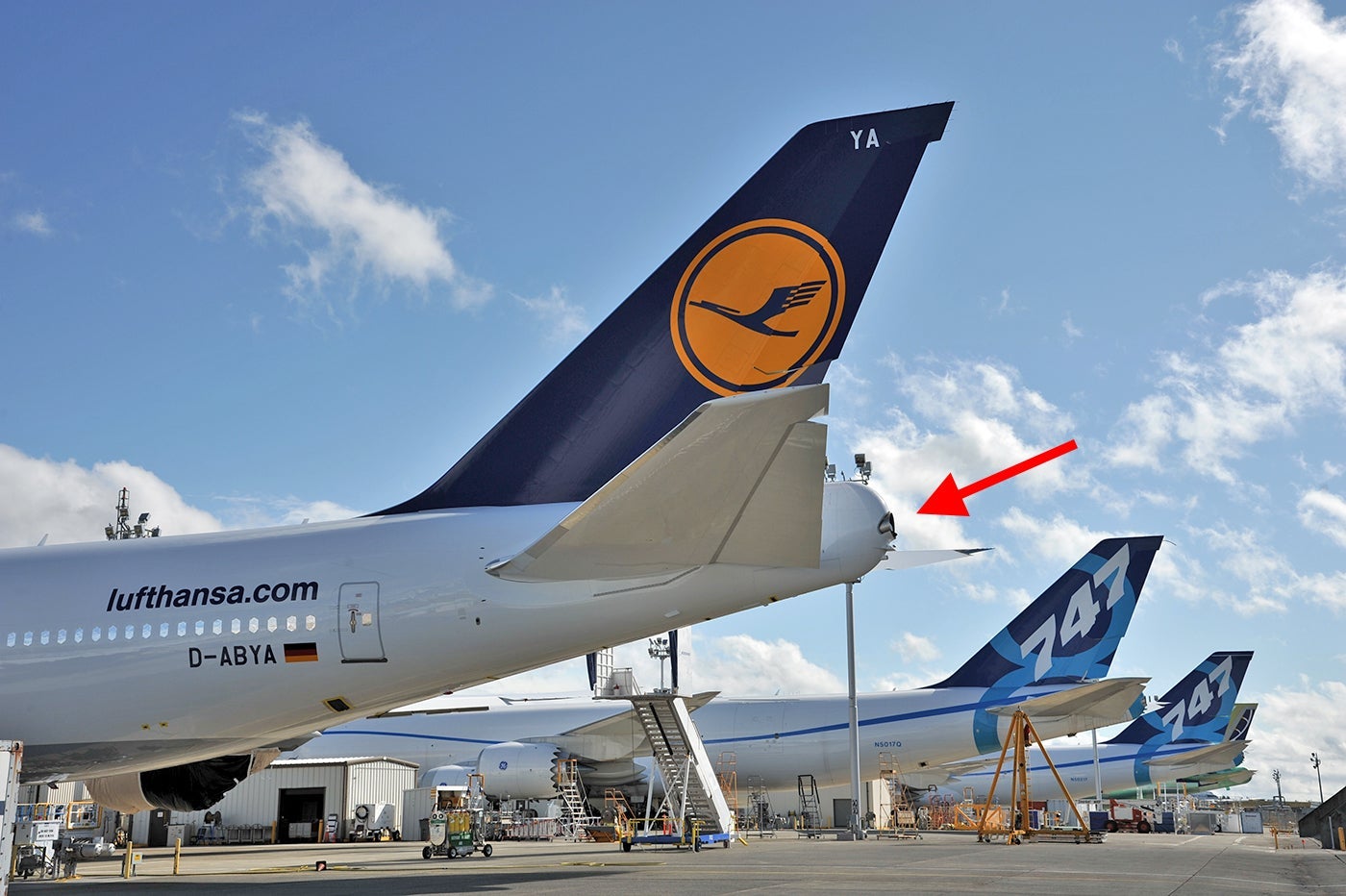
On aircraft which use bleed air for the air conditioning, it also provides a flow of air to feed the packs.
If the APU is not available, a ground source of air can be used to supply the aircraft. Depending on the airport facilities, this is either a preconditioned air system supplied by the airport or a mobile generator unit is used to pump air into the cabin.
On the 787 Dreamliner, as the packs do not use bleed air, the APU provides electrical power to run the air conditioning system. Pilots select both packs to AUTO for ground operations. As there is no natural flow of air into the CACs, each pack uses a ram fan to draw air into the system for cooling when there is sufficient electrical power available.
With the APU as the power source, normally just one CACs runs per pack.
Bottom line
The air which you breathe on board an aircraft is most likely far fresher than that on a bus or a train. As a result, the chances of getting ill from airborne microbes on a flight is incredibly low. The cabin of an aircraft is designed to keep the occupants comfortable. Not only in the ability to breathe easily but also keeping that air fresh.
Aircraft use a combination of filtering the air and regularly refreshing the entire volume to keep the air fresh. High-Efficiency Particulate Air filters remove 99.999% of all microbes and if this isn't enough, the entirety of the air in the cabin is changed every two to three minutes.
Even when on the ground with the engines off, pilots use the APU to ensure that there is a constant flow of air through the aircraft.
So next time you're worried about getting sick from a flight, think of the pilots and cabin crew. If the cabin air conditions were really that unhealthy, they wouldn't choose an aircraft as their office.
TPG featured card

at Capital One's secure site
Terms & restrictions apply. See rates & fees.
| 5X miles | Earn 5X miles on hotels, vacation rentals and rental cars booked through Capital One Travel |
| 2X miles | Earn unlimited 2X miles on every purchase, every day |
Pros
- Stellar welcome offer of 75,000 miles after spending $4,000 on purchases in the first three months from account opening. Plus, a $250 Capital One Travel credit to use in your first cardholder year upon account opening.
- You'll earn 2 miles per dollar on every purchase, which means you won't have to worry about memorizing bonus categories
- Rewards are versatile and can be redeemed for a statement credit or transferred to Capital One’s transfer partners
Cons
- Highest bonus-earning categories only on travel booked via Capital One Travel
- LIMITED-TIME OFFER: Enjoy $250 to use on Capital One Travel in your first cardholder year, plus earn 75,000 bonus miles once you spend $4,000 on purchases within the first 3 months from account opening - that’s equal to $1,000 in travel
- Earn unlimited 2X miles on every purchase, every day
- Earn 5X miles on hotels, vacation rentals and rental cars booked through Capital One Travel
- Miles won't expire for the life of the account and there's no limit to how many you can earn
- Receive up to a $120 credit for Global Entry or TSA PreCheck®
- Use your miles to get reimbursed for any travel purchase—or redeem by booking a trip through Capital One Travel
- Enjoy a $50 experience credit and other premium benefits with every hotel and vacation rental booked from the Lifestyle Collection
- Transfer your miles to your choice of 15+ travel loyalty programs
- Top rated mobile app