Stephanie Stevens is an associate writer with TPG's credit cards team. She focuses on creating timely credit cards content for TPG readers.
November 11, 2026 • 13 min read
The cards we feature here are from partners who compensate us when you are approved through our site, and this may impact how or where these products appear. We don't cover all available credit cards, but our analysis, reviews, and opinions are entirely from our editorial team. Terms apply to the offers listed on this page. Please view our advertising policy and product review methodology for more information.
Editorial note: This is a recurring post, regularly updated with new information and offers.
Editorial disclaimer: Opinions expressed here are the author's alone, not those of any bank, credit card issuer, airline or hotel chain, and have not been reviewed, approved or otherwise endorsed by any of these entities.
Comments
By commenting, you agree to our Community Guidelines to help create a positive space for conversation. The responses below are not provided or commissioned by the bank advertiser, our partners, or The Points Guy (“TPG”). They have not been reviewed, approved, or otherwise endorsed by any of these parties. All responses are submitted by individual contributors, and neither the bank advertiser, our partners, nor TPG are responsible for ensuring that all posts and/or questions are answered.
Related stories
Quick summary
A mid-tier airline card offers valuable perks for frequent flyers, including annual travel credits, free checked bags and discounts on award flights.
Ideal for those flying several times a year with the airline, especially travelers who check multiple bags or seek to maximize statement credits.
Cardholders can benefit from priority boarding, inflight purchase discounts and opportunities to earn status-qualifying points through spending.
The card is less suitable for travelers seeking lounge access or those who prefer flexible rewards over airline-specific benefits.
What to consider
A $350 annual fee applies, but frequent use of travel credits and checked bag benefits can offset much of this cost.
The card does not include lounge access privileges or guest passes.
Approval is subject to eligibility rules, such as restrictions on the number of cards opened in the past 24 months.
What you'll miss from the article
A detailed breakdown of how specific perks and credits can maximize value for different traveler profiles.
Generated by AI with support from our editorial team.
If you fly United Airlines regularly, the (see rates and fees) can be a powerful way to earn more miles and reduce your out-of-pocket travel costs.
As someone who frequently flies United, I've found that the Quest hits a practical middle ground. It offers meaningful airline perks, including a $200 annual United TravelBank credit, two free checked bags and discounts on award flights, without the hefty annual fee of a premium airline card.
But with a $350 annual fee, the Quest isn't necessarily right for everyone.
Here's who I think can get the most value from the card and who might be better off with another option.
Overview: Who should (and shouldn’t) get the United Quest Card?
The Quest is a good fit if you:
Consider another card if you:
Fly United several times a year
Rarely fly United
Regularly check bags when traveling
Prefer traveling with just a carry-on
Can take advantage of United travel credits and award discounts
Want complimentary United Club access
Are working toward United Premier status
Prefer earning flexible travel rewards
Want more perks than a basic airline card offers
Won't use enough benefits to justify the annual fee
New United Quest cardholders can currently earn 500 PQP after their first purchase and 80,000 bonus miles after spending $4,000 on purchases in the first three months from account opening. Plus, you can earn another 10,000 bonus miles after adding an authorized user in the first three months from account opening.
Based on TPG's November 2026 valuations, which peg United miles at 1.2 cents apiece, the full 90,000-mile bonus is worth $1,080. That's not including the additional value of the 500 PQP, which can help you get closer to United Premier status.
While not the strongest offer we've seen in the card's history, it's still a great time to apply if you've already been considering the Quest, particularly if you have upcoming United travel planned.
Who the United Quest Card is best for
There's a lot to love about the . Here's who will benefit most from having the card.
Semi-frequent United flyers who redeem miles
If you fly United several times per year, you'll want to take a closer look at the Quest.
That’s because many of the card’s most valuable perks are tied directly to flying United. Cardholders receive:
25% back on United inflight purchases as a statement credit (including Wi-Fi, food and beverages)
Priority boarding on United flights
Elevated earnings on United purchases
Strong travel protections
One of the card's strongest perks is its earning structure. The United Quest earns a strong 10 total miles per dollar spent on eligible United flights as a United MileagePlus member — that's a whopping 12% return, according to TPG's valuations (mileage earning may differ for basic economy and base option tickets).
As someone who holds Premier Silver status, I can earn a total of 12 miles per dollar spent on eligible United flights when using my Quest, which is an even better return.
But what I find especially valuable are the discounts United cardholders now receive when booking award flights. Eligible United cardholders without Premier status save at least 10% on qualifying United-operated award flights, while cardholders with Premier status save at least 15%.
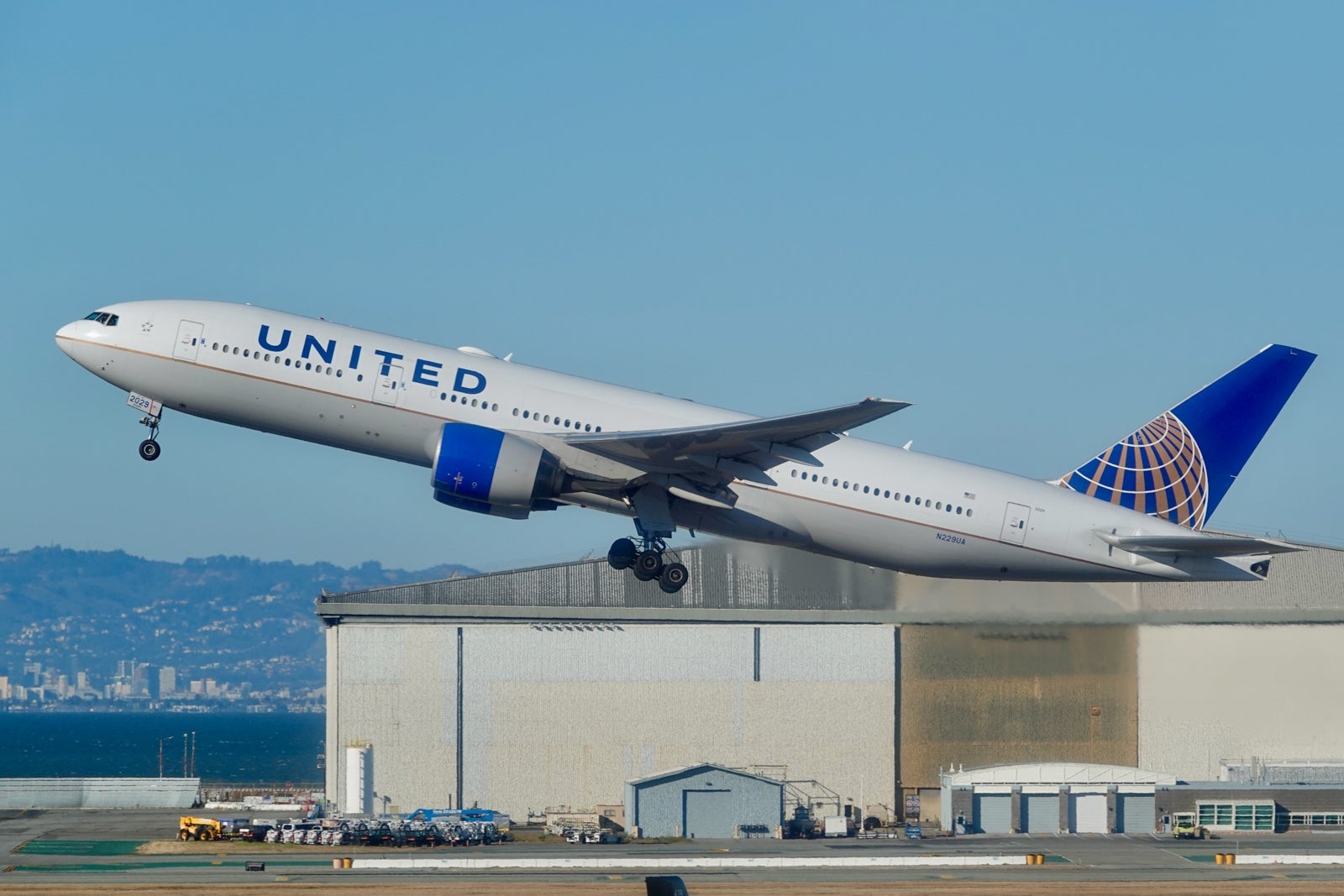
A United Airlines plane on final descent into Dulles International Airport (IAD) near Washington, D.C. SEAN CUDAHY/THE POINTS GUY
I take advantage of these discounts pretty regularly. Recently, I booked two tickets from Washington, D.C.'s Dulles International Airport (IAD) to London's Heathrow Airport (LHR) for a mother-daughter trip to Europe. Thanks to my cardholder discount, each ticket cost just 34,000 miles plus $11.20 in taxes and fees, rather than 45,000 miles plus taxes and fees.
That's a savings of 11,000 miles per ticket, or 22,000 miles total, worth $264 according to TPG's valuations.
The Quest also offers two additional award flight discounts: 10,000 miles beginning with your first card anniversary and another 10,000 miles after spending $20,000 on purchases in a calendar year.
I recently used my 10,000-mile award flight discount toward a transatlantic flight from Amsterdam Airport Schiphol (AMS) to IAD. The flight would have cost 34,000 miles, but the credit brought it down to just 24,000 miles plus $112.83 in taxes and fees.
That's another $120 worth of miles saved, based on TPG's valuations.
Between the cardholder award pricing discounts and the annual award flight credits, the Quest gives me several ways to stretch my United miles further, which is why it's a card I plan to keep in my wallet long-term.
This is one of the most underrated — and potentially most valuable — perks of the United Quest Card.
The card includes two free checked bags for you and a companion on the same reservation. On domestic economy flights, United typically charges $50 ($45 if prepaid) for the first checked bag and $60 ($55 if prepaid) for the second bag.
PHOTOLIFE94/GETTY IMAGES
That means you could pay up to $110 per person each way if you check two bags without a card benefit.
If you and a companion each check two bags round-trip on just one domestic flight, that could cost up to $440 total. That alone covers the Quest Card’s $350 annual fee.
Personally, I frequently fly United and regularly check two bags free thanks to my Quest Card. For travelers who often travel with a companion, don’t pack light, take longer trips or occasionally travel with bulkier items like skis or golf clubs, this benefit alone can justify holding the card year after year.
Travelers who can maximize the Quest's statement credits
Each account anniversary, the Quest Card provides $200 in United TravelBank cash. This credit can be used toward United-operated flights and is automatically deposited into your TravelBank account.
I recently used my $200 TravelBank credit to offset the cost of a round-trip flight from San Francisco International Airport (SFO) to IAD to visit family. The ticket originally cost $560, but my TravelBank credit brought my out-of-pocket cost down to $360.
And the TravelBank credit isn't the only statement credit available with the Quest.
THOMAS BARWICK/GETTY IMAGES
Cardholders can also receive other statement credits, including:
Up to $150 in hotel credits each anniversary year for Renowned Hotels and Resorts purchases for United cardmembers who prepay directly
Up to $150 in JSX flight credit each anniversary year
Up to $180 in Instacart credits each calendar year (one $10 Instacart credit and one $5 Instacart credit monthly) for purchases made directly through Instacart with your Quest Card (benefits end Dec. 31, 2027)
Up to $80 in rental car credits (two up to $40 credits) each anniversary year for your first and second Avis or Budget rental when you book through cars.united.com
Up to $100 in ride-hailing statement credits each calendar year (up to $8 monthly from January through November and up to $12 in December; yearly activation required)
A Global Entry, TSA PreCheck or Nexus credit every four years
I wouldn't go out of my way to use a credit just to justify the card's annual fee, but if you're already spending money with these merchants, they can provide some additional savings.
For me, the TravelBank credit is the easiest to use. When you subtract its $200 value from the Quest's $350 annual fee, that leaves an effective cost of $150 — assuming you can use the credit in full — before factoring in free checked bags, award flight discounts and other benefits.
Travelers worked toward United elite status
If you're working toward United Premier status, the Quest Card can also help you get there.
Cardholders can earn 1 PQP for every $20 spent on purchases with the card, up to 18,000 PQP per calendar year.
Those PQP count toward United Premier status qualification, potentially helping you close the gap to your next status tier.
Plus, beginning in 2027, eligible United cardholders will receive a head start on status qualification. United will deposit PQP equivalent to 5% of the amount required for their current Premier status tier into their accounts at the start of the year. That means Premier Silver members, for example, will receive a 300-PQP boost.
ERIC ROSEN/THE POINTS GUY
I earned United Premier Silver status for the first time last year, and I've already secured it again for next year, thanks in part to the PQP boost I received at the beginning of the year and the PQP I've earned through flying and spending on my Quest.
I generally don't put much spending on the card outside of United purchases, since I have other cards that earn more flexible rewards on everyday expenses. However, I did intentionally increase my Quest spending over the past few months to earn the additional PQP I needed to secure Silver for another year.
For me, that was worth it because I regularly fly United and appreciate the benefits that come with Premier status.
Of course, I wouldn't recommend putting unnecessary purchases on a card just to earn PQP. But if you're already close to qualifying for status, the Quest can give you another way to get there.
Flyers who want more perks than the Explorer offers
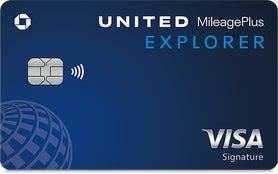
The United Quest Card is a strong step up from the (see rates and fees) — especially for travelers who fly United more than once or twice per year.
The Explorer is a great entry-level option, with a $0 introductory annual fee for the first year (then $150) and useful perks like a free checked bag and two one-time United Club passes each year. For occasional United flyers, that may be all you need.
KYLE OLSEN/THE POINTS GUY
But if you’re booking multiple United flights annually and check bags or redeem miles, the Quest’s incremental perks can quickly outweigh the difference in annual fees and deliver stronger long-term value.
In short, the Explorer fits the occasional flyer. The Quest is designed for frequent United travelers who can maximize its recurring value.
Who should skip the United Quest Card
While the is packed with benefits for United fans and frequent travelers, there are a few reasons why the card might not be the right fit. Let's take a deeper look at who the card isn't the right fit for.
Travelers who want United Club access
While the United Quest Card has many travel-related benefits, it does not come with any lounge privileges, and you don’t get any guest passes.
ZACH GRIFF/THE POINTS GUY
If lounge access is a priority, the (see rates and fees) may be a better fit. It includes a United Club membership as part of its annual fee, which grants access for the primary cardholder and eligible guests.
And for those who don't want to pay the United Club's steep $695 annual fee, remember that the offers two guest passes annually for a much more approachable fee ($0 introductory; $150 after the first year).
That said, not everyone needs airline-specific lounge access. For example, I personally get lounge access through the Capital One Venture X Rewards Credit Card, so I don’t need the Quest Card to provide that benefit.
The United Quest Card is subject to Chase’s 5/24 rule. If you’ve opened five or more personal credit cards across all issuers in the past 24 months, you’re unlikely to be approved.
If you’re currently over 5/24, you may need to wait — or consider a card from another issuer.
The United Quest Card earns United MileagePlus miles. If you don’t regularly fly United — or you prefer more flexibility in how you redeem your rewards — a transferable points or miles card could be a better option.
Flexible points and miles can typically be transferred to multiple airline and hotel partners or redeemed in other ways, giving you more options.
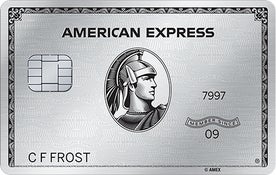
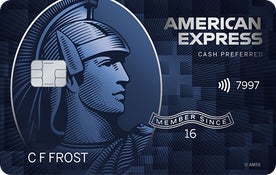
Two strong alternatives with significantly lower annual fees include:
If you value flexibility over airline-specific perks, one of those cards may be a better long-term fit.
Bottom line
If you fly United multiple times per year, check bags regularly and can easily use the $200 annual TravelBank credit, the United Quest Card’s ongoing perks can quickly offset much of its $350 annual fee.
However, if you prioritize lounge access, prefer flexible points or miles over airline-specific miles or only fly United occasionally, another card — either within United’s lineup or outside of it — may be a better fit.
Ultimately, the Quest Card shines for travelers who are loyal enough to United to benefit from its airline perks but don’t need the full premium treatment of a club membership.
By commenting, you agree to our Community Guidelines to help create a positive space for conversation. The responses below are not provided or commissioned by the bank advertiser, our partners, or The Points Guy (“TPG”). They have not been reviewed, approved, or otherwise endorsed by any of these parties. All responses are submitted by individual contributors, and neither the bank advertiser, our partners, nor TPG are responsible for ensuring that all posts and/or questions are answered.