What is a credit card product change and when does it make sense?


Update: Some offers mentioned below are no longer available. View the current offers here.
Let's say you have a credit card, such as the Chase Freedom Unlimited, and you're ready for an upgrade to something like the Chase Sapphire Preferred Card.
A credit card product change allows you to maintain your existing account while enjoying the benefits and terms of a different card. But there are pros and cons to doing a product change. Let's go over all the details.
[table-of-contents /]
What is a credit card product change?
In the credit card industry, each type of credit card is referred to as a product.
Requesting a product change doesn't require applying for a new account or performing a credit check, also known as a "hard pull."
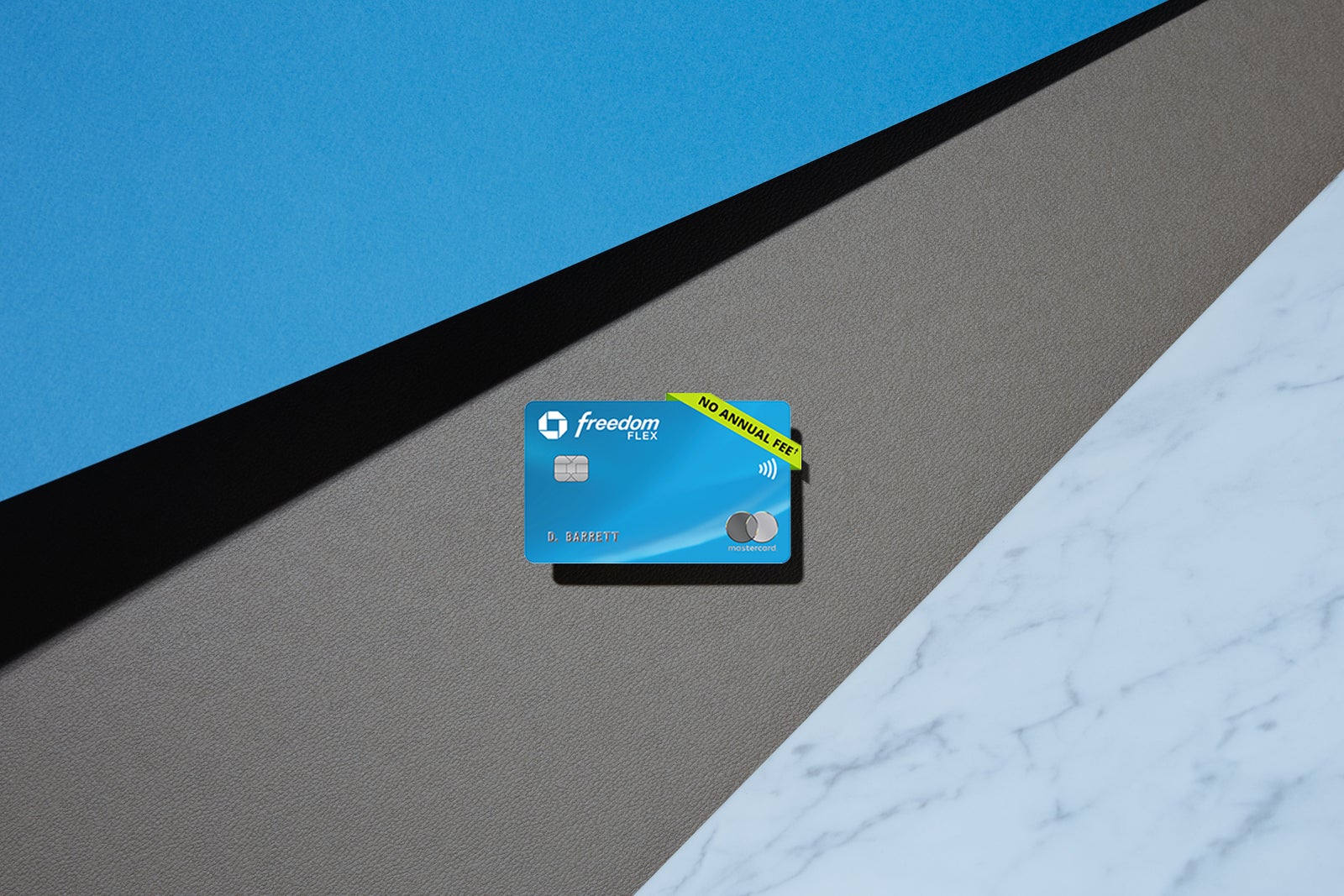
For example, though the Chase Freedom Flex and Chase Freedom Unlimited have similar names, these are considered to be two entirely different products. You can change your product from one to the other and still retain your old product's account number, balance, and due date. In fact, you can continue to use your old card before and even after you're issued a new card with the name of the new product.
For example, if you change your Chase Sapphire Preferred Card to a Chase Sapphire Reserve, you can continue to use your old Sapphire Preferred card to make charges to your account while enjoying the terms and benefits of the Sapphire Reserve.
Within a few days, you should receive a new Sapphire Reserve card with the same number as your old Sapphire Preferred, but both will continue to work.

When should you consider a product change?
Once you know that it's possible to change products while retaining the same credit card account, it brings up several interesting possibilities for how you could benefit from this technique:
Product upgrades
When a new credit card comes onto the market, most people try to apply for a new account in order to earn the sign-up bonus or welcome offer. But suppose you're unable to qualify for a new account due to having opened too many accounts. In that case, you might consider upgrading one of your existing products to the new one in order to take advantage of its benefits.
Related: Should you upgrade your card or apply for a new one?
Product downgrades
One of the most common reasons for requesting a product change is to avoid an annual fee without closing your account. When you downgrade one of your existing accounts from a card with an annual fee to a no-annual-fee credit card, you may still be able to receive some key benefits while avoiding the yearly payment.
Related: When can you downgrade your credit card account?
Obtaining a product that's no longer available to new applicants
Credit card issuers sometimes stop offering great cards to new applicants, but these products might still be available when you request a product change. For example, Chase Sapphire Preferred customers may be offered a standard (no-annual-fee) Sapphire, and Chase Marriott cardholders can change to the Ritz Carlton Credit Card.
Related: The ultimate guide to credit card application restrictions
Extending your credit history
When you've had an account for just a short time, you might not want to cancel it, as it could shorten the average age of accounts on your credit history and have a minor impact on your credit score.
Instead of just closing your account to avoid paying an annual fee, consider a product change. This way, your account will continue to be open in good standing without reducing the average age of all of your accounts.
Related: 6 things to do to improve your credit in 2021
Maintaining your credit line
When you close a credit card account, you will reduce the total amount of available credit, which will raise your debt-to-credit ratio.
If you're worried about impacting your credit, you can request a product change to a no-annual-fee card instead of closing the account. This is especially important for those with just a few credit cards.
Related: How does applying for a new credit card affect my score?
Avoiding new applications
Another reason to perform a product change is to use a new card without submitting a new application.
Each new application results in a check on your credit and can also run afoul of some issuers' policies, such as Chase's 5/24 rule. If there's a credit card that meets your needs better than the one you currently have, a product change can allow you to use it without the impact of applying for a new card or opening a new account.
Related: Can you downgrade and then upgrade the same card?
Disadvantages of product changes
For all the benefits, there are a few downsides to making product changes to your existing accounts.
The biggest one is that you will not receive a sign-up bonus or welcome offer when you make a product change (with the exception of some targeted offers). As long as you're aware of this going in, you can weigh it against the advantages for your particular situation.
In addition, most card issuers require that your account be open for at least one year before allowing you to make a product change, so don't try to do it too soon after opening a card.
Related: Cards currently offering sign-up bonuses of 100,000 points or more
Bottom line
A very small percentage of cardholders know about this technique for maximizing your credit card portfolio, but it's not very hard to do. By considering the best ways to switch products on your existing accounts strategically, you can always hold the best combination of cards for your needs.
Additional reporting by Liz Hund and Chris Dong.